Search results for: photography tips solutions guide astrophotography
About 18 filtered results
by Todd Vorenkamp · Posted
Before you venture out to photograph your first lunar eclipse, you should get some practice taking photos of the moon. If lunar photography is varsity-level stuff, lunar eclipse photography is all-pro. There are some unique challenges to the art, and great ways to get creative results, but the basics of lunar photography apply. Unlike

Posted
Join Matt in the Great Smoky Mountains for a beginner's guide to photographing the Milky Way, from planning to post. Instead of fumbling in the dark, follow these tips to nail your Milky Way images every time.
0:00 - In This Video
0:37 - Planning (Finding the Milky Way, Light Pollution)
4:00 - In the Field (Settings, Focusing, Composition)
7:54 - Editing in Lightroom Classic
18:16 - Result
Sponsored by

Posted
Filters are an integral part of photography, but it can be confusing to know which filters to use, when to use them, and why you should even use them in the first place. Join Sony Alpha Ambassador Autumn Schrock as she shares her approach to filters for landscape photography so you can figure out what you might need before you buy.
0:00 - Today's Video
1:30 - Types of Lens Filter Formats
3:37 - Clear Filters
7:41 - Circular Polarizer
15:18 - Neutral Density Filter
21:03 - Neutral Density Polarizer
23:20 - Variable Neutral Density Filter
25:55

by Allan Weitz · Posted
Though there aren’t any hard rules on the subject—and all rules are made to be broken—wide-angle and ultra-wide-angle lenses are often considered to be the go-to lenses for landscape photography. It’s not like you can’t capture wonderful landscapes with normal or telephoto lenses (you absolutely can), but due to their broad capture angles, wide- and ultra-wide-angle lenses usually win out over the alternative choices. For those who wish to go wider than ultra-wide, you have to turn to fisheye lenses.
Photographs © Allan Weitz 2020
What Is a

Posted
Looking to photograph the Milky Way for the first time? From planning your shoot to the camera settings to choose, Jess Santos breaks down everything you need to know to capture the stars.
0:00 - Introduction
1:30 - Story Time
4:50 - Pre-Shoot Planning / Helpful Apps
19:24 - Gear
24:01 - Settings
28:54 - Different Techniques
48:17 - Telling Stories / Photographing the Foreground
58:48 - Q&A
Have any other tips to share? Share them down below.
Sponsored by

Posted
How do you locate the Milky Way in the sky? What is the best phase of the moon to photograph? How do you focus your lens in the dark? Astrophotography is magical yet challenging. Luckily, Autumn Schrock (@autpops) is here to be your guide to capturing the night sky.
0:00 - Introduction
1:35 - Preparation and Planning
4:42 - Camera Settings
11:56 - Reflection Image
14:38 - Composition
15:34 - Barn Image
16:38 - Car Trails/Long Exposure
18:40 - The Possibilities
Did you find these tips helpful? Let us know in the Comments section, below.

Posted
OM System Ambassador Matt Suess brings you along on his recent trip to Lofoten, Norway, to capture the aurora borealis. Suess has prepared an in-depth look at how to prepare for a trip like this and offers tips on photographing the aurora borealis.
0:00 - Introduction
2:45 - About Matt Suess
6:07 - Getting to Lofoten, Norway
8:56 - Gear Check List
18:20 - Predicting the Aurora Borealis
30:48 - Photographing the Aurora Borealis
36:53 - Time Lapse
40:06 - Other Photo Opportunities
44:04 - Final Thoughts
44:50 - Q&A
Have you ever

Posted
Do you ever gaze up at the night sky and wish you could photograph all those twinkling stars? Well, you’re in luck. Here’s your comprehensive beginner’s guide to capturing the Milky Way. Join Matt Zefi in Zion National Park for a step-by-step breakdown of everything you need to know to get that perfect shot.
0:00 - In This Video
0:30 - Scouting & Gear
2:34 - Camera Settings
5:25 - Editing & Results
Ready to take on the Milky Way? Share your thoughts in the Comments section, below.

by Rachel Leathe · Posted
Did you know that the first photograph ever taken was of a landscape?
“View from the Window at Le Gras” was captured by Nicéphore Niépce, in 1827. It features a very abstract view from Niépce’s window. Then, in 1839, Louis-Jacques-Mandé Daguerre made history with his image of

Posted
Is your astrophotography hobby growing into something more? Join Benro’s Michael Bogue and Matt Hill, from National Parks at Night, as they go over everything you need to get started with astrophotography.
0:00 - Introduction
2:10 - What is Astrophotography?
7:40 - Why Astrophotography?
10:17 - Challenges of Astrophotography
15:22 - Star Point Photography Basics
20:58 - Basic Requirements for Astrophotography
22:39 - Helpful Apps
24:28 - The Process
26:29 - Photo Example Breakdowns
37:47 - Blending Static and Tracking
41:22 - Must-Have Gear

by Todd Vorenkamp · Posted
When the moon passes directly between Earth and the sun, those on Earth are treated to one of nature’s greatest spectacles—a total solar eclipse. It is a phenomenon that almost every observer would like to capture in a photograph.
Due to the rarity of the event, the short duration in which to capture it, and the dynamic nature of the subject, it is one of those photographic opportunities that requires the proper gear, setup, planning, and practice.
Eclipse and solar

by Jess Santos · Posted
Thinking back to my first time photographing the stars, let’s be real: I had no idea what I was doing. I spent the afternoon watching video after video, and after several hours felt confident enough to attempt it. Now keep in mind I had done the research on settings, but completely skipped over the planning phase. I didn’t run into one video that talked about things like the moon phase or dark skies, some pretty important information to know when getting into astrophotography. Nonetheless, a couple friends and I headed out at eleven o’

by Todd Vorenkamp · Posted

by Todd Vorenkamp · Posted
by Todd Vorenkamp · Posted
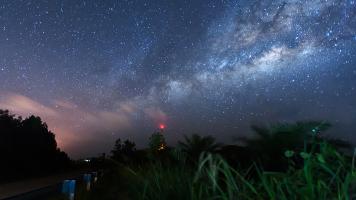
Welcome to Part 2 of my guide to Basic Backyard Astrophotography. If you missed Part 1, please click here and we will see you back on this page in a few minutes. In this segment, we talk about the gear you need to create your own astrophotos. We also touch on preparation for viewing the night sky, because you should know what you can see and what you might want to photograph.
Gear: The Bare Minimum
In