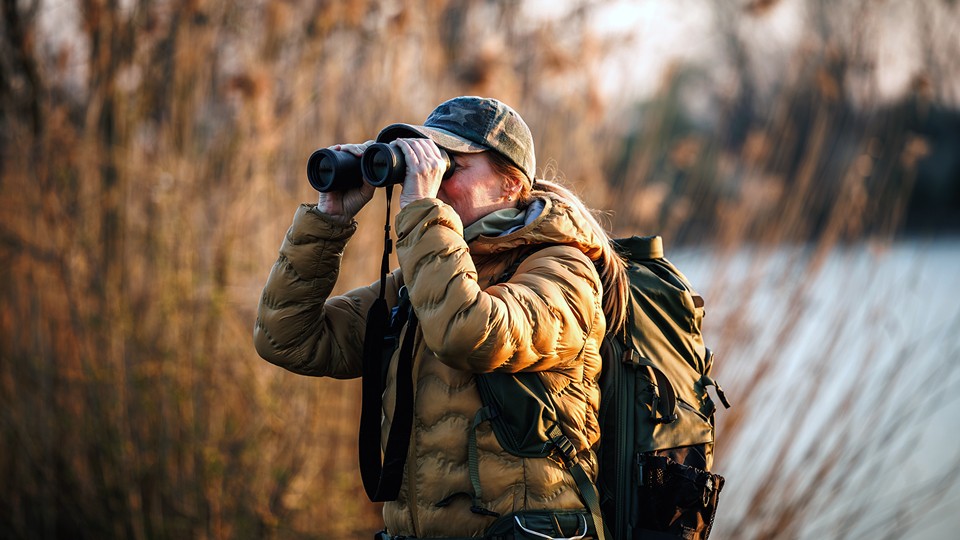
Birds, they’re all around us. If you haven’t paid much attention to them, you’re not alone. But, once you do, you’ll have a hard time stopping. If you haven’t yet dabbled in bird watching, known colloquially as birding, we have just one question. Why not? Birding is the perfect way of partially disconnecting from the digital world we find ourselves in and connecting with nature through observation, and one of the most relaxing pastimes imaginable.
If you’re fascinated by our feathery friends but don’t know where to start, we’ve got you covered. While we likely don’t need to teach you how to appreciate birds, there are some key aspects to learn. In this guide, we’re going to discuss everything you need to know about birding from the basic practices and skills needed to find them, to the terminology and ethical considerations we should make when out in the field. Without any further delay, let’s go birding!
What Is Birding?
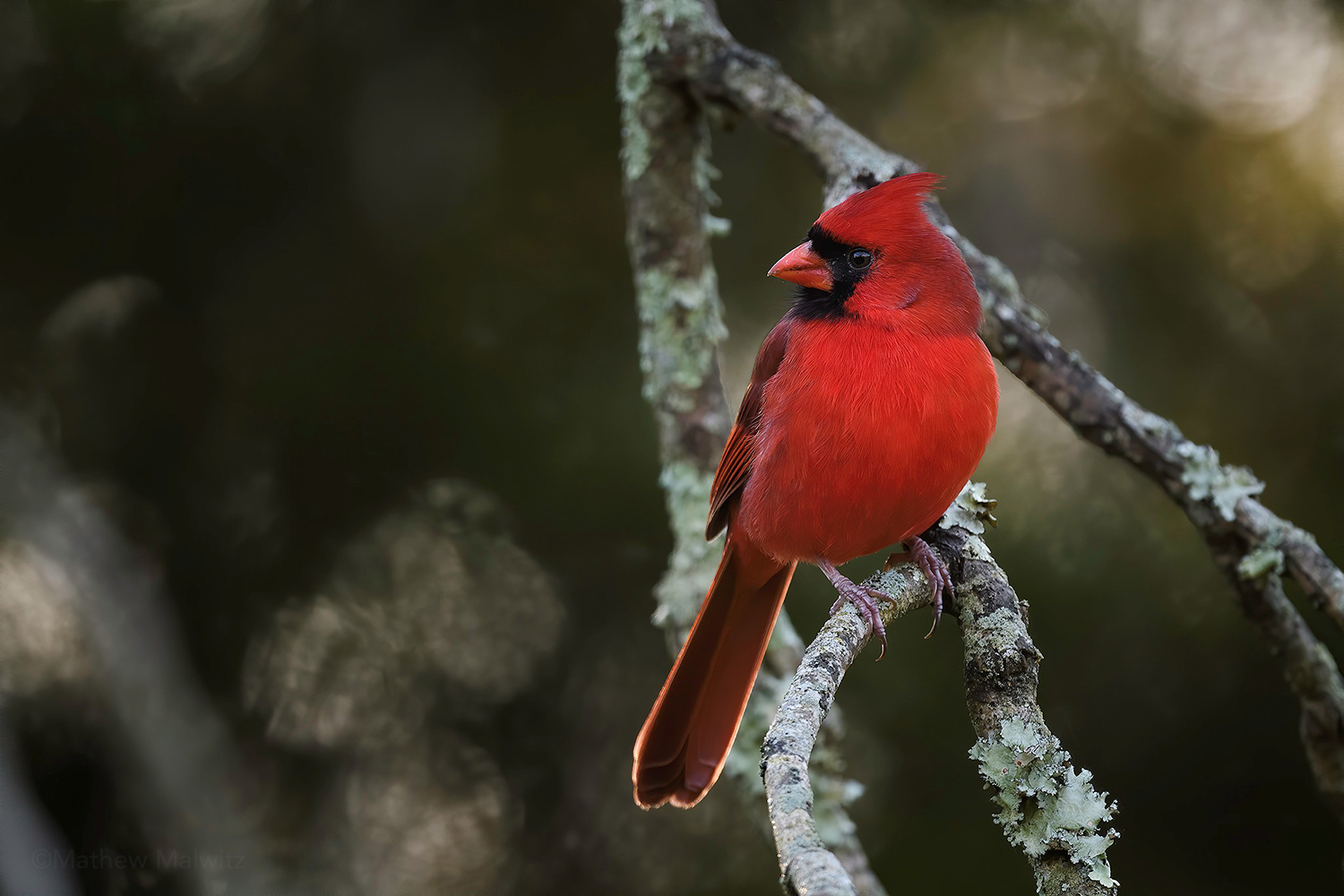
Quite simply, birding is the hobby of observing, identifying, and studying wild birds in their natural habitats. Whether you aim to just see what’s in your own backyard or plan to travel the globe in search of new and exciting species, you’re birding. You just need a pair of binoculars and an appreciation for nature.
Many who partake keep a cumulative list of the birds they observe over their lives known as a life list. When they observe a new species, they refer to it as a “lifer.” On the other hand, there are those who just appreciate the moment and keep a mental list. There’s no right or wrong way of doing it, so long as you’re enjoying yourself and finding birds.
How to Find a Bird
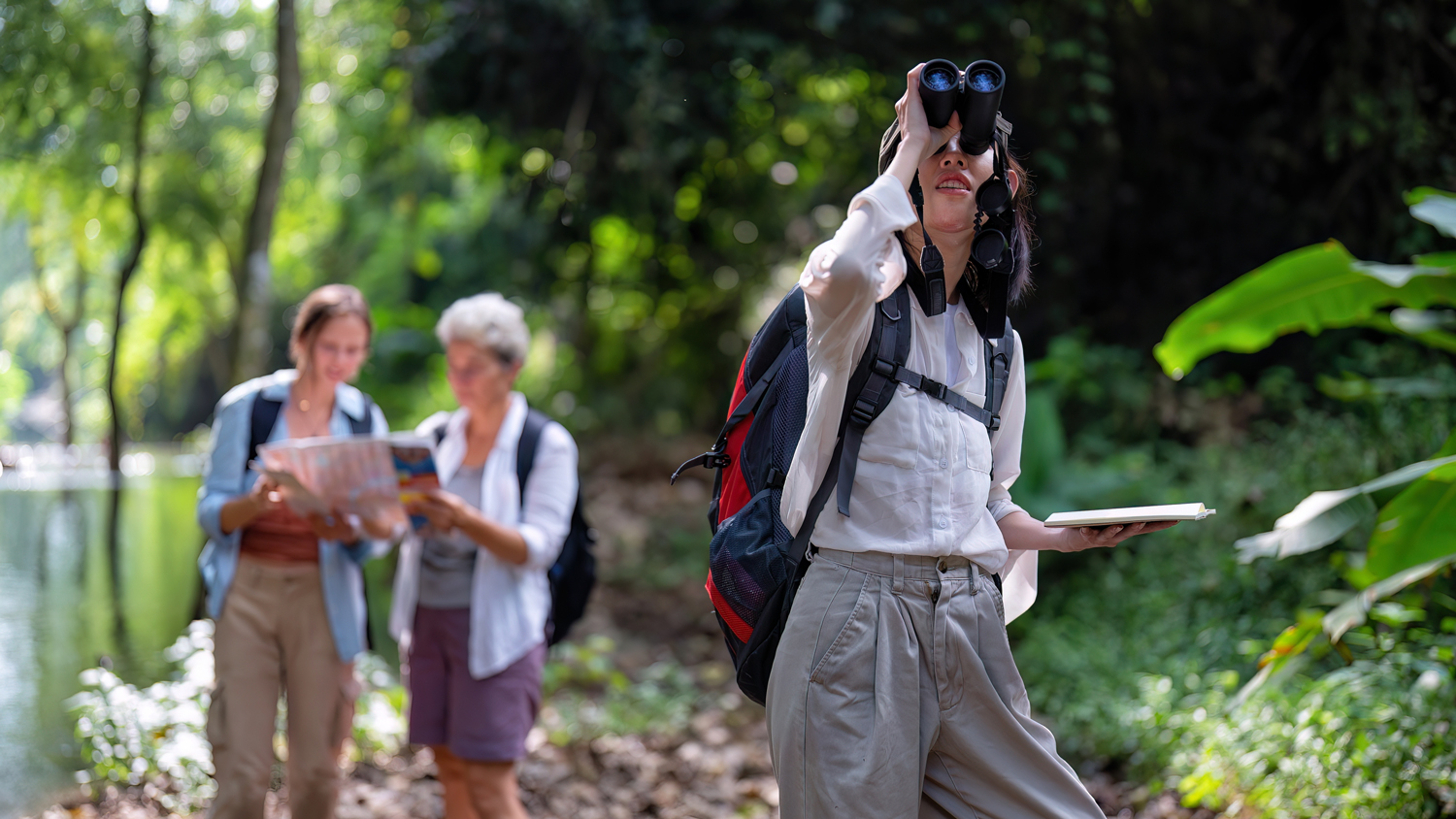
Finding birds is relatively easy. Just head outside and you’ll likely see or hear some avian commotion. While some birds are more common than others, you should have no issue finding some in your own yard or neighborhood with some regularity. You’d be surprised to find out just what kind of variety can exist in such a small space. All you need to do is head outside, then slow down, look, listen, and most importantly, be patient.
Slow Down
The first and arguably one of the most important tenets of birding is moving slowly If not completely stopping. There’s no need to rush around the trail. Instead, move slowly and make frequent stops, taking in the sights and sounds of the surrounding habitat. Put away any distractions and scan your surroundings with a pair of binoculars.
By moving slowly, we not only give ourselves time to properly observe the finer details in our immediate area, but we also appear less threatening to the birds themselves. This puts them at ease and will pull them out of hiding and back into their normal routines where we can more easily see them.
Look Around
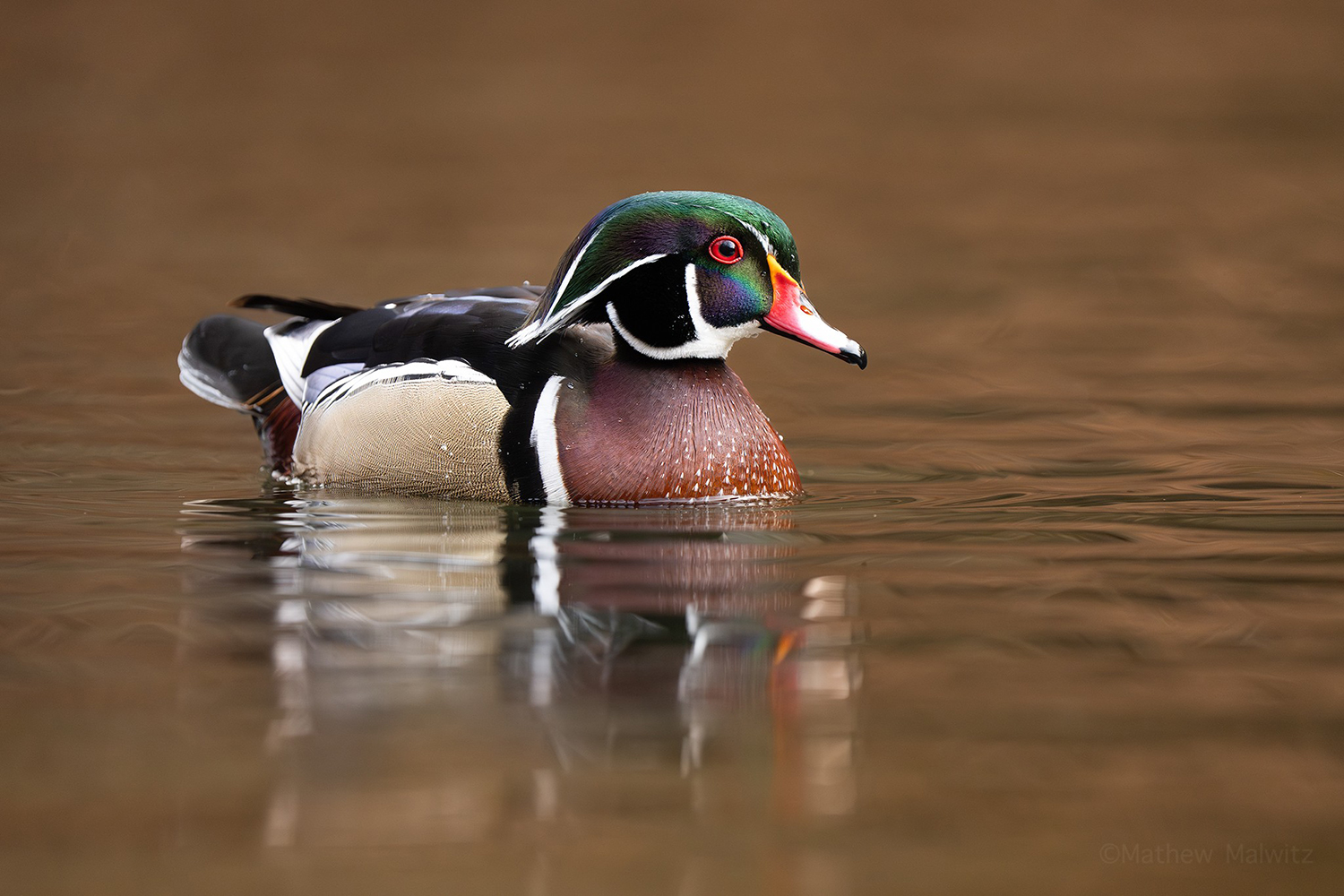
To spot birds, we’ll need to look around beyond the trail in front of us. Scan your surroundings with intent and consider where you would go if you were a bird. Focus on bare perches, tree cavities, or up to the canopy. Carefully examine any unusual shapes or silhouettes and note any movement you see. Both the shape and movement patterns of birds are essential to identifying the birds we see.
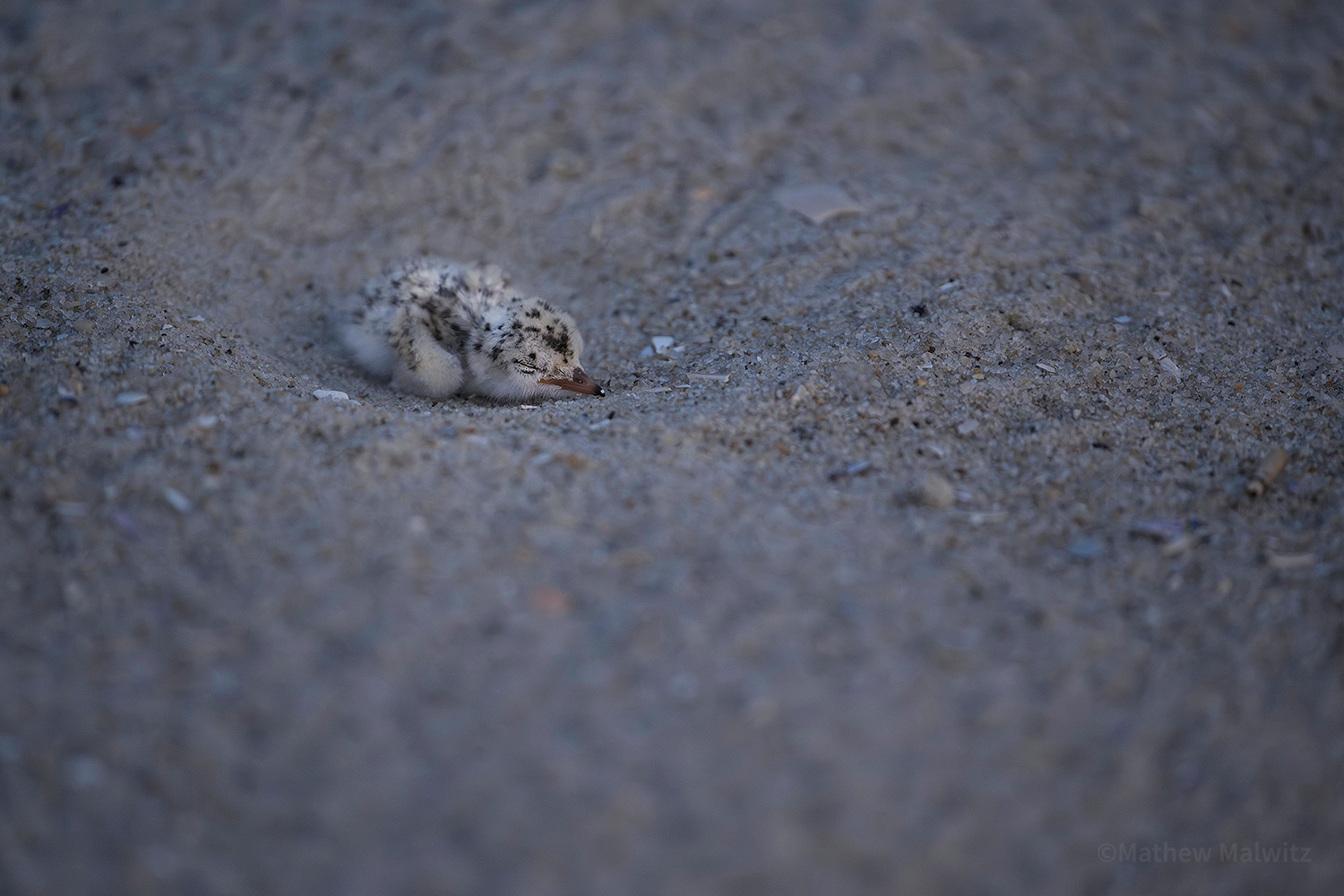
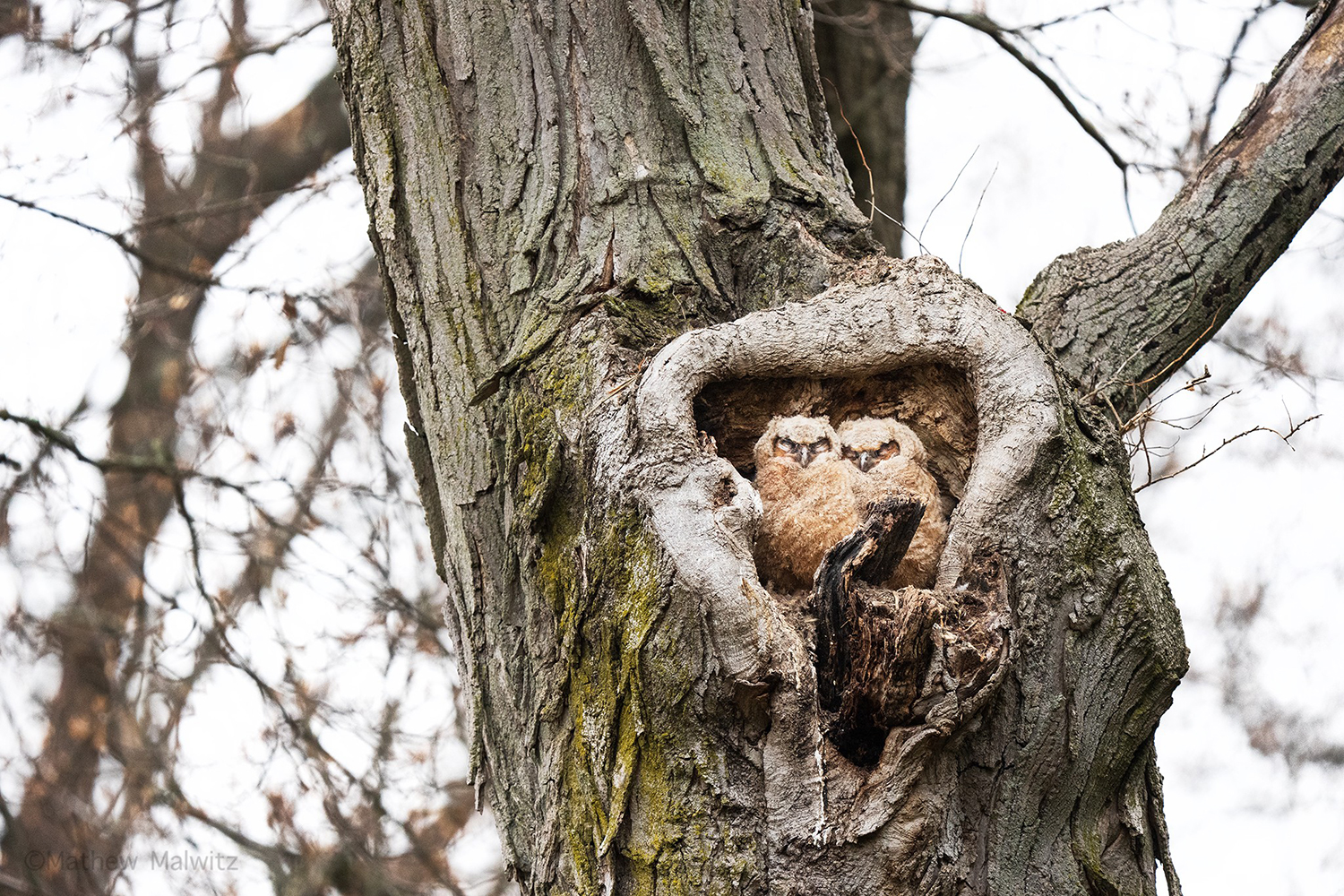
Many birds are masters of camouflage, having evolved to match trees in their environment to remain hidden from both predators and prey. If something looks off, it’s best to investigate it further. What may have been a knot in a tree may just turn out to be something spectacular like a woodpecker nest or even an owl. Even at the beach, the generally brightly colored gulls and terns have offspring that are perfectly speckled to blend in with the rocky sand they nest on.
Listen
Even after scanning the forest from top to bottom, you may not have eyes on any particular birds, but you may hear them. Our ears are just as essential to finding birds as our eyes, and in some cases can be even more useful. Some of the best birders can find and even identify birds by sound alone, being able to tell the difference between even the subtlest of chips and chirps.
The sounds themselves are unique bird to bird and are as distinct as visual markers. The more time you spend in the field, the better you will become at tracking and recognizing the many sounds of the surrounding environment.
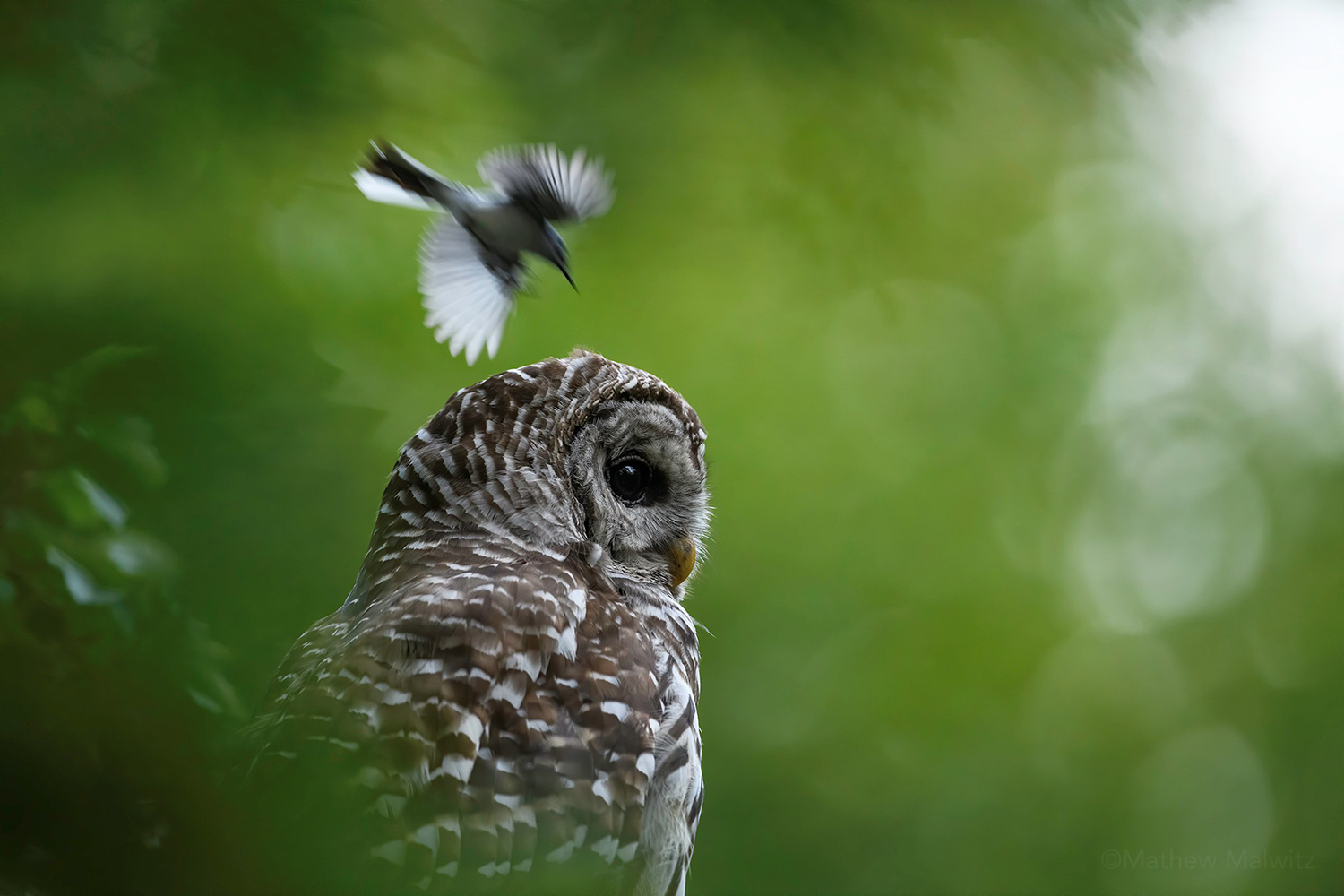
The calls of smaller perching birds can also guide us towards larger birds of prey. Birds practice a threat response known as mobbing, where multiple bird gang up and harass a predator to drive it away from the area. Among these predators are hawks and owls. Listen for repetitive distress calls from birds like Jays, Titmice, and Nuthatches as they lay the law down and you may just find an even heftier prize.
Be Patient
While a regular, run-of-the-mill nature walk can result in some wildlife sightings, we’ll find much more success if we make stops along the way, look around, and listen. Birds exist at nearly every level of the environment, from the understory at our eye level to the canopy overhead. Some species specialize in certain habitats or environmental features, so a keen eye is essential to spotting the greatest variety of birds.
Patience is a virtue lost to many today. Our attention spans are at the shortest they’ve ever been, and it seems like we’re conditioned to consume nothing but short-term content. It honestly feels like this conundrum is what’s been drawing many to bird watching in recent years. Like fishing, it is the practice of slowing down and taking in the world around us. By stopping, we allow the natural world to go about business as usual.
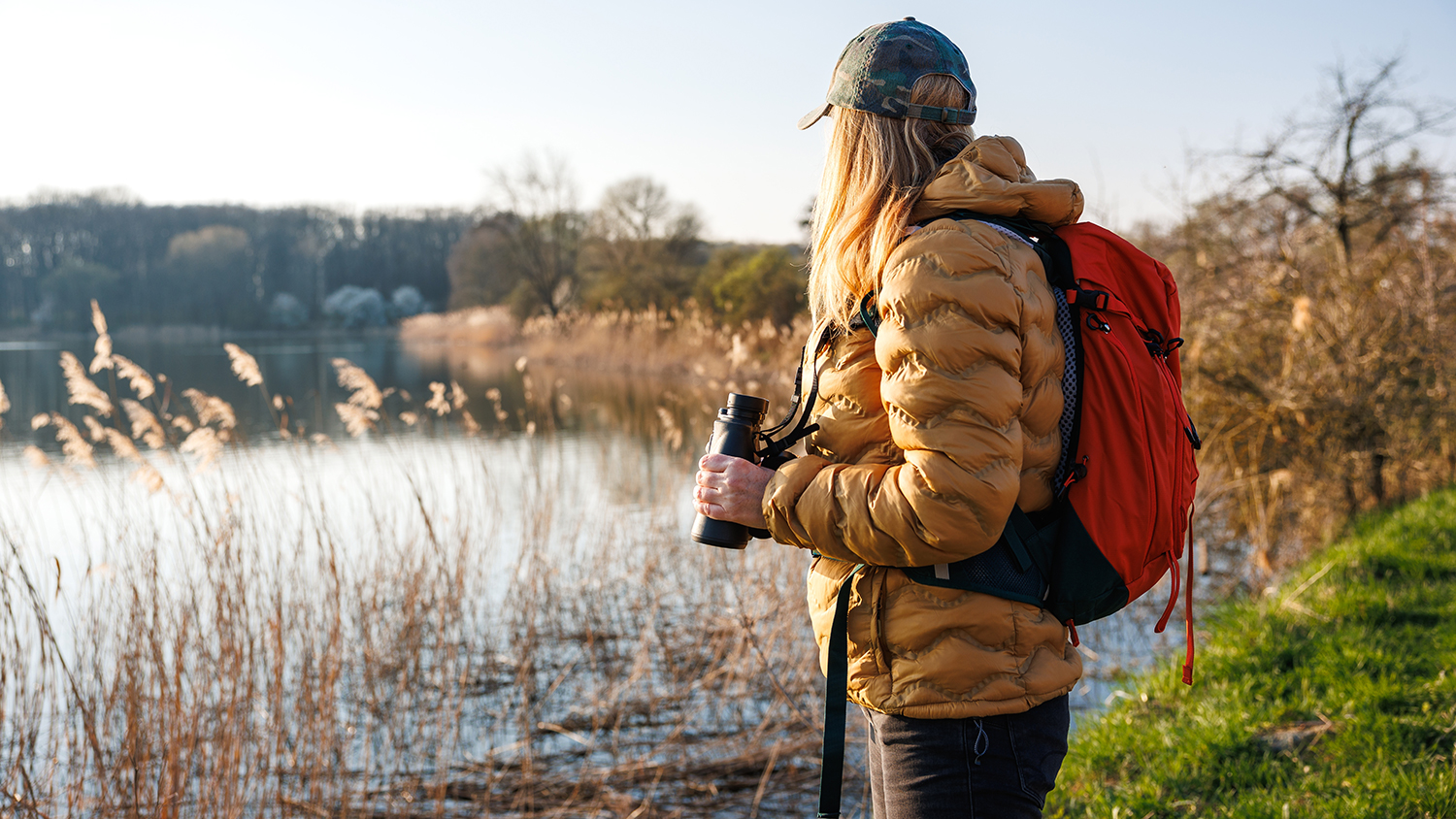
The longer we sit, the better our chances of seeing something spectacular. There’s no denying that our presence alters the environment around us, but as we quietly spend time in that space, we slowly go from intruder to just another part of that environment. So slow down, take in the sights, and keep your ears open, as you never know what you might see.
Understanding Behaviors
Putting the above point to practice, we’ll have ample opportunity to find birds, but once we find them the fun is only just beginning. A key element of birding is observation, and by doing so we’ll learn the ins and outs of these birds, from how they move to how they feed. These observations are partly why birders, with a little practice, make good bird photographers, as they have a better understanding of how to find and maneuver around birds.
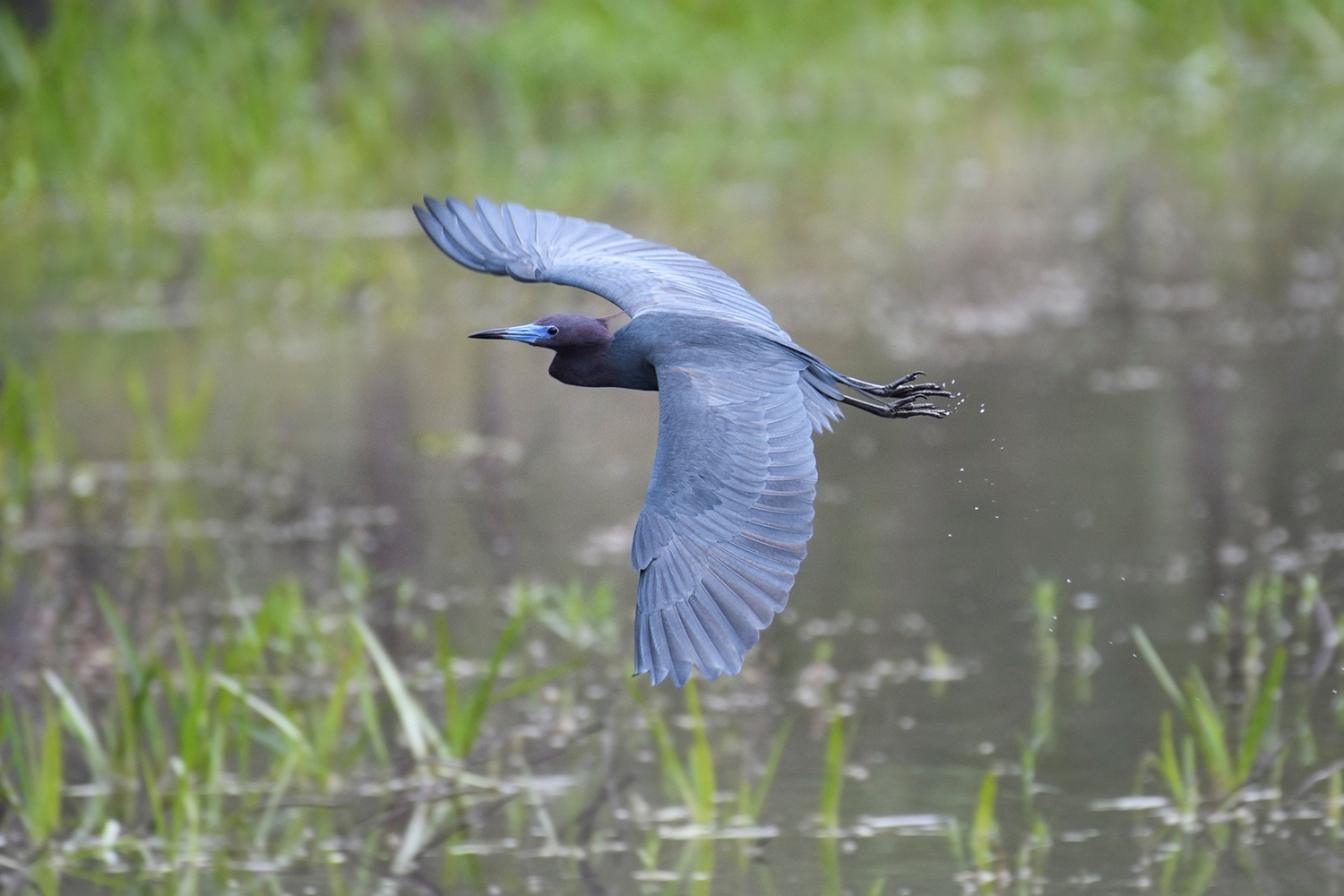
The way a bird postures and conducts itself can tell us a lot about how it current state or how it feels. This can be essential to predicting movements and knowing what a bird is about to do. For instance, when hunting, a heron will have its eyes glued to the water below, making slow and deliberate movements so as to not spook its quarry. Of course, an understanding of behavior can also aid us in knowing if we’re too close or unnecessarily stressing the bird we’re observing.
Ethical Considerations
Birding is fun, and with it comes excitement. It’s very easy to get carried away when we see a new species, but it’s important to always practice good ethics. This means that while we enjoy our time outside, we’re sure to practice thoughtful and responsible behaviors. Remember the saying, “take only pictures, leave only footprints.”
Above all else, we should consider the well-being of the birds we’re observing and their habitat. Respect for nature is paramount to the health of our bird populations but also ensures these birds thrive for generations to come. Avoid stressing a bird, as a stressed bird expends energy unnecessarily and can additionally be at an increased risk of predation or may even abandon a nest if it feels threatened enough.
Nesting birds are an especially delicate subject matter. Eggs must be kept warm and hatchlings must be fed and protected. If we stress a bird off the next, the young are vulnerable. It’s also worth noting that birds are hardwired for self-preservation, and as mentioned above, will abandon a nest if pushed too far. For that reason, we must always be cautious around actively nesting birds and always keep a safe and respectable distance.
To view sensitive subject matter, many bird watchers go above and beyond their binoculars for a spotting scope. A good scope provides even greater magnification for long-range viewing. This is especially useful for longer durations or group outings where the scope can be zeroed in and shared. Additionally, a camera or smartphone can be mounted to a scope with a dedicated adapter. This style of photography is known as digiscoping.
After the birds themselves, we must be respectful of other observers, the community and of course, the law. Be a role model for other birders. Never enter private property without the owners consent and follow the rules and laws of the parks and refuges you visit. This only scratches the surfaces, so we recommend that you refer to the American Birding Associations (ABA) code of birding ethics for further reading on the topic.
Lastly, know that mistakes happen. While we hope that this guide and other birders offer a guiding hand in your bird watching journey, there will be some bumps along the road. What matters in these instances is that we learn from them and avoid making the same mistakes again. After all, the reason we use binoculars and scopes is to maintain a respectful distance.
Additional Resources
There are numerous apps and online resources available to aid us in our birding journey. One of the most notable is ebird. This site, and app, will help you find more birds, but also keep track of your sightings, photos, and recordings. Using features like the hotspot or species maps, you can do some digital scouting to see what’s up at your destination before you leave. Additionally, by uploading your own reports, you can help others do the same as well supply the Cornell Lab of Ornithology with much needed data on the birds for future conservation.
Another incredibly useful app to help find out what’s going on in our local patch of woods is Merlin. Created with the very data collected and researched at Cornell, Merlin records sound and can pick out and identify calls. This is especially useful when aiming to identify birds but take its suggestions lightly. While fun to use and helpful for beginners, Merlin is not perfect and requires some scrutinization.
Putting it to Practice
Birding is not just a hobby for the middle-aged or retirees. While they may have the time and money to explore more extravagant locales, birds are for everyone, and we’ve seen that in recent years. Birding has increasingly become popular among younger groups, with Matt, the author in that category. This has not only increased the number of conservation minded individuals in the world, but brought new and exciting concepts to the hobby, from birding scavenger hunts to the aptly named “birds and brews.”
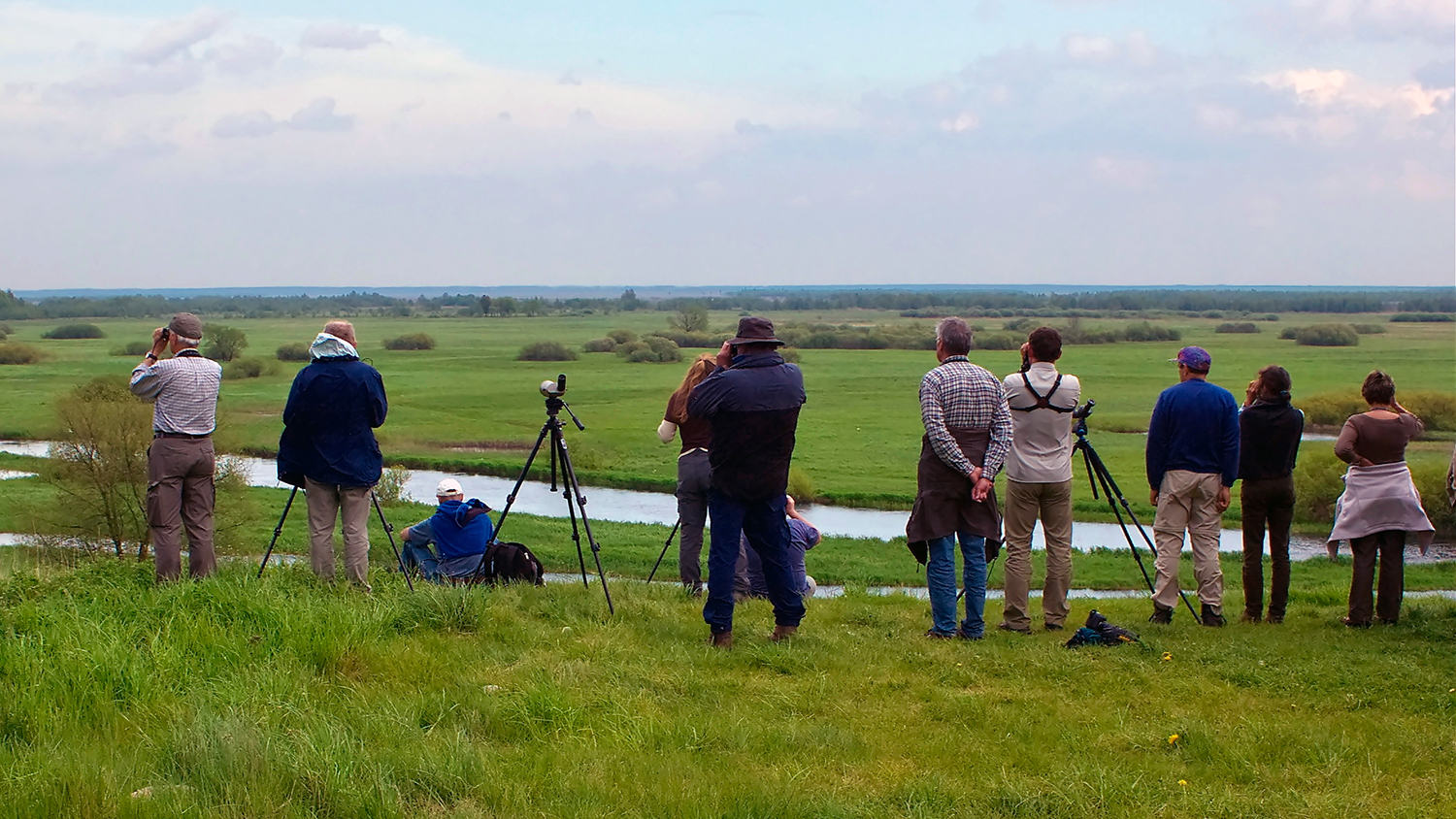
Here in the New York Metropolitan area, we have plenty of spectacular birding hotspots, from urban parks right within the heart of Manhattan to the shorebird colonies of Long Island. Do some research into parks, preserves, and refuges in your area and start exploring. Also look into bird walks or field trips. These are a great opportunity to learn among like-minded individuals and are often run or sponsored by conservation groups like local Audubon Societies or in our case, the NYC Bird Alliance.
Birding is among the most popular outdoor activities. To learn more about birding, or to take your first steps into bird photography, read more on the B&H Explora page. We have plenty of helpful articles and guides to get you started and keep you learning along the way.
