Search results for: photography tips techniques negative space photography
About 11 filtered results
by Mathew Malwitz · Posted
Taking photos has never been easier, whether you're using a smartphone, point-and-shoot, or mirrorless camera. It's a fact that no matter where we go, we almost always have some form of camera on hand, and while the opportunity for image making has changed, what hasn't changed is what makes a photo good.
The simple answer is photography composition, or the arrangement of elements in your frame. This concept can be confusing as all art subjective. That said, think of movies and music and how certain combinations of sounds and storytelling
by Luke Rollins · Posted
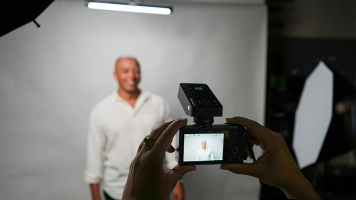
At first glance, studio photography and the compact camera may seem strange bedfellows. The type of work associated with the studio—still life, product photography, portraiture, macro photography—usually wants cameras with larger sensors and interchangeable lenses, especially in professional applications. Compact, point-and-shoot cameras, for their part, have their natural home in everyday, travel, nightlife, and street applications, where their discretion and size become virtues.
It might seem almost cruel to introduce the compact to the

by Luke Rollins · Posted
Achieving a standard of production value is an essential component of establishing a brand and growing a following. For part-time, burgeoning, and mid-level creators, it can feel like bridging that gap is less a matter of learned skill and more about the equipment you can afford.
In most cases, the problem isn’t budget at all. Acquiring the specific know-how can give your content professional sheen with little to no financial outlay.
Lighting design is arguably the most immediately visible production component—and the one most capable of

by Luke Rollins · Posted
The wealth of B&H is not measured in sales, but in the accumulated knowledge of its people. The breadth of such experience is impossible to quantify, let alone price, which is why we’re offering this batch of wedding photography advice completely free of charge.
Andrea Buritica, Sales Associate – Chat & Email
Burikitak Photography
One of the best parts about working at B&H is that I get to talk about gear all day. However, it’s doing wedding

by Mathew Malwitz · Posted
Most photos consist of a balance between bright and dark tones, creating what we typically consider to be “proper exposure.” In proper exposure, there should be ample detail in all areas of the image, no matter how dark or how bright. At least, that’s what we should do when trying to capture a balanced exposure.
Balance, while important to most photographic situations, is not always best for a scene. There are

by Mathew Malwitz · Posted
These days, everyone has a camera right in their pocket. Smartphones have long been the go-to camera for quick photos of our friends, family, pets, and of course, ourselves. With features like portrait mode, users can simulate blurry backgrounds and isolate their subject for more eye-catching images. What else could you ever need? What if I told you that with the
Posted
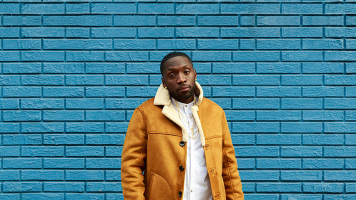
Portrait photographer Shotti shares his techniques for utilizing negative space in your portraiture, from photo composition to visual storytelling.
Join in the conversation—share your own tips on incorporating negative space in your portraits in the Comments, below.

by Elizabeth Groeschen · Posted
Before spending a week attending Krista Rossow’s “The New World of Travel Photography” class at the Santa Fe Photographic Workshops, I was guilty of more than one bad habit. After living and backpacking throughout Southeast Asia for most of the past ten years, I became adept at deciding which city (sometimes country) I would travel to at the last minute. While spontaneity is my strength, research of my destination(s) fell to the wayside. When
876 Views· Posted
In this program, David Brommer covers the basic concepts of composition as established by the masters of the Renaissance. Commencing with the classic rule of thirds and leaping into theories of color and balance, David will touch upon a range of topics, including: image construction, positive and negative space, as well as other advanced composition concepts.
General shooting questions like, “Is the shot better if it’s a horizontal or vertically composed?” and conceptual ideas such as integrating theme and subject context are explored. Another

by Allan Weitz · Posted
Sometimes, the phrases, acronyms and strings of numbers or number-letter combinations used to identify photographic hardware or techniques can be daunting to the uninitiated neophyte photographer.
We've prepared a list of the basic terms. Have we left any out that you think should be added? Please let us know!
0-9 | A | B | C | D | E | F | G | H | I |

by John Harris · Posted
So, you just bought your first DSLR camera and you are interested in joining the ranks of image-makers everywhere who find pleasure and creativity in documenting the world as they see it. What are you gonna do now? Do you know how to set your aperture? Or what ISO is? Did you know that DSLR stands for Digital Single Lens Reflex? It doesn’t matter: what you do know is that you’re ready to step up from your point-and-shoot camera and create images over which you have more control.
A digital SLR camera is a great machine that allows you to