Search results for: photography tips techniques understanding light in photography
About 22 filtered results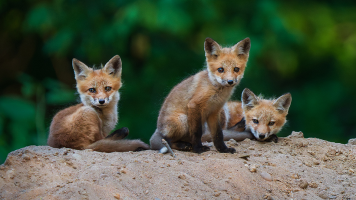
by Mathew Malwitz · Posted
Wildlife photography is one of the most therapeutic and rewarding genres of photography and it’s also one of the most popular. There’s just something so special about being able to witness the magic, and with new camera tech, wildlife photography is easier than ever. That said, the thrill of the shot can overshadow good decision-making, leading to unethical practices. But what are ethical practices?
Take nothing but photographs, leave nothing but footprints—an adage well-known by nature enthusiasts of all levels, but not all that practical.

by Mathew Malwitz · Posted
As photographers, we are faced with a wide array of lighting conditions, ranging from bright sunlight to dimly lit interiors. Using ambient light as your main source is often preferable; however, in a situation such as an event or portrait where time is of the essence, you will need to know how to properly expose all these varying scenes using both natural and artificial light sources.
Being resourceful with your lighting setups lends greater efficiency, and having a lighting system you can easily move from one situation to the next quickly is

by Mathew Malwitz · Posted
Despite what you might have seen on the internet, you don’t need all the money and time in the world to photograph wildlife. Sure, an African safari would be nice, but it is by no means the only way to capture stunning images of wild animals. In fact, regardless of where you live, odds are there’s a vast ecosystem that likely goes unnoticed. If you have trees in your neighborhood, you’re off to a great start.
What You Need to Photograph Wildlife
While gear plays a crucial role in our ability to photograph wildlife, it isn’t everything. In this

by Mathew Malwitz · Posted
The most engaging portraits seem to have direct eye contact between subject and viewer, as if the camera were simply a window through which we’re looking. But is it that simple? So much goes into making a good portrait, can success simply come down to eye contact between subject and camera and is it even necessary to concentrate on the eyes for a portrait? There are certainly wonderful portraits that do not focus exclusively on the eyes that illustrate character with other aspects of the body, from posture to hands, but as an introduction to

by Jill Waterman · Posted
Instead of an apron, food photographer Joanie Simon wears many hats—commercial and editorial imagemaker, recipe developer, photo educator, Blogger, YouTube Influencer, Livestreamer, and content creator extraordinaire. For more than a dozen years, Simon has built her brand into a powerhouse of creative content and learning, to whet the appetites of both foodies and photographers alike. Her straightforward approach to this specialized field is of value to shutterbugs at all levels of experience, from beginners on cell phones to experienced pros.

by John Harris · Posted
What can you do with a high-end telephoto lens? Be a boss, is what you can do. I mean, c’mon! Strutting around the sidelines or cuttin’ through the bush with one of these beasts resting on your shoulder―not only do you look tough, but you’re also carrying a lens that you need to get the best photos in sports and wildlife photography. When I say best, let’s not underestimate the greatness of photographers who can create wonderful images with a wide-angle lens or even a telephoto of lesser quality, but to really excel in the disciplines of

by Todd Vorenkamp · Posted
Specular out-of-focus highlights have appeared in photographs since the first photos were taken through lenses. In 1997, Photo Techniques magazine introduced the word “bokeh” to the photography world’s vernacular and the out-of-focus areas of photographs have been scrutinized ever since. Before the term, there was certainly discussion about the aesthetics of the out-of-focus specular highlights of a photograph, but until 1997, there wasn’t a good word in the English language to describe the phenomenon. Credit goes to Mike Johnston, article

by Jill Waterman · Posted
Typing #food into Instagram's search bar returns more than 450 million posts, making the search for food photographers on this social platform somewhat akin to "shooting fish in a barrel." Yet, while the number of followers to the most popular feeds surpasses the million mark, when it comes to the topic of food, it's a common occurrence for cookbook authors, recipe creators, food stylists, and celebrity chefs to add the term "photographer" to their skill set, thereby magnifying the popularity of this flavorful subject.
To assemble this current

by Bjorn Petersen · Posted
Have you ever tried to take a photograph of a snowy scene and later realized that your shot was underexposed, maybe with an overwhelming orange or blue hue, or just lacking a certain "something?" Frustratingly, and surprisingly, snow can be one of the trickiest environments in which to make a correct exposure. But, with a few tricks and techniques in mind, hopefully you'll be able to make easy work of these trying conditions.
It All Begins with the Light Meter
The culprit behind these wrong exposures is likely your light meter; but this light

by John Harris · Posted
Bokeh is a word that carries a lot of weight in modern photography circles and can, surprisingly, breed heated conversations, but what does it really mean and how does it apply to portrait photography? As an introduction, consider the word—which is derived from the Japanese term for “blur” or “haze”—to mean the aesthetic quality of the out-of-focus parts of an image surrounding an in-focus subject. It is not simply something not in focus, it is a product of shallow depth of field and can be quite beautiful on its own, but also lends to

by Jill Waterman · Posted
To succeed as an underwater photographer, one needs to cultivate a subtle balance of preparedness and patience. For more than two decades, underwater conservation photographer Keith Ellenbogen has done just that, to offer us rare glimpses of the elusive marine life he photographs within the short window of his air supply. In the following interview, Ellenbogen sheds light on how his early training in diving, photography, and the marine environment have contributed to his success, while also discussing his camera and lighting gear, and offering

by Shawn C. Steiner · Posted
Archival is a term that has been overused. Unfortunately, the term has found its way into all sorts of marketing jargon when it comes to printers and printing. Today, we are hoping to give everyone a solid understanding of what a true archival print is and what it takes to make one yourself.
The Core Meaning
At its simplest, being “archival” means that the product is designed to last for a long time—with proper care and storage. One thing to understand is that everything regarding printing needs to be stored or displayed in a way that will

by Jill Waterman · Posted
Art Wolfe is one of the world’s best-known nature and wildlife photographers. Yet, while his images are published in more than 80 books and featured in a globally syndicated television show, Wolfe has never defined himself solely through these specialty subjects. “I was trained in a fine art school, and developed an early interest in everything from the antiquity of Europe to modern cityscapes to photographing people,” he says.
Photographs © Art Wolfe
In many of Wolfe’s books and projects, he seeks to broaden people’s understanding of arts and

by Todd Vorenkamp · Posted
Aperture is the size of the opening in the lens. Some lenses have fixed apertures, but most photographic lenses have variable apertures to control the amount of light entering the lens. This aperture is regulated by a diaphragm made of overlapping blades that can be adjusted to vary the size of the opening through which light passes. The size of the opening also has a secondary effect on the photograph, as the diaphragm also changes the angle at which the light passes through the lens. We will discuss two "side effects" of changing the

by Jill Waterman · Posted
Here’s a hot tip: In addition to photo, video, and audio gear, as well as other tech products, B&H carries thousands of books and tutorials covering the fields of photography, video, audio and computers, plus inspirational titles to get your creative juices flowing. For all you bibliophiles out there, we’ve compiled this shortlist of must-have publications spanning photography basics, photo careers, marketing and promotion, business practices, teaching photography, lighting technique, specialty photo subjects, creative inspiration,