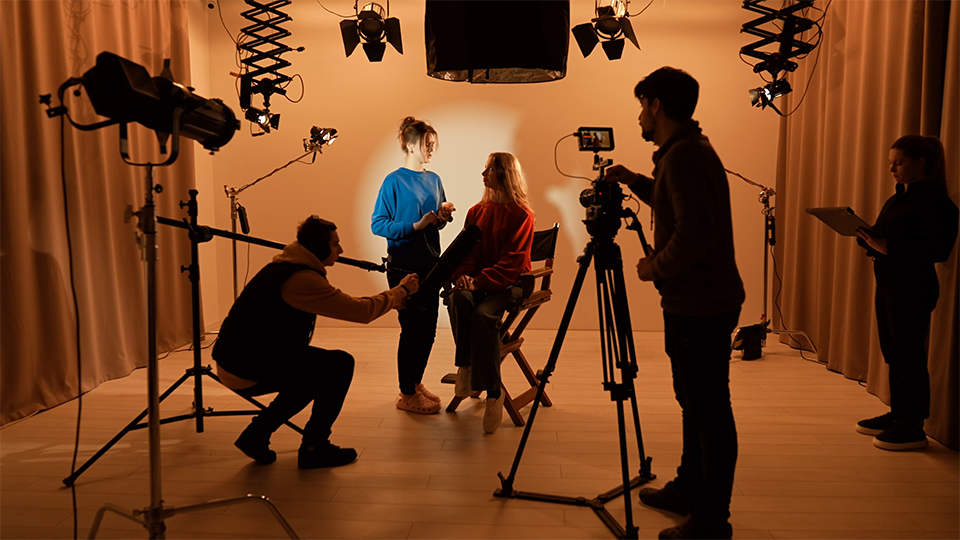
Productions tend to fall into two categories—a disorganized mass of people scurrying around to somehow get the shot off as the sun goes down, leaving crew and cast exhausted at the end of the day, or a smooth moving production that is more like a complex dance, though not as frenetic, far less exhausting, and far more efficient. If you are only going to be working on a film/video production a single time, then the maddening chaos of the first type of production will probably feel very satisfying. However, if you are looking at working in the industry as a career, then you will find the second type of production far more appealing and sustainable.
Though the suggestions in this article are useful for all members of production from producer, director, D.P., sound, art department etc., those who work under department heads—everyone from electric crew, grip, camera assistants, boom ops, as well as production assistants—will most likely get the most out of them. Remember the people in charge of departments—such as the A.D., D.P., Makeup, Production Designer, etc.—most likely follow some of the following principles, which is one reason they have the position they are in now. Check out these links for a breakdown of Camera Crew positions, and here for Grip and Lighting positions.
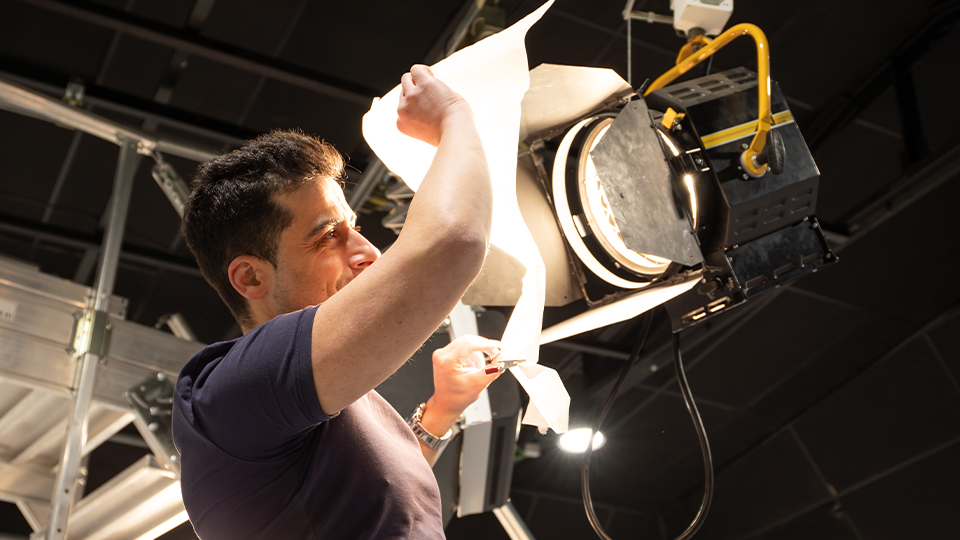
As you progress through the industry you will no doubt develop your own protocols, so these are just jumping off points to ease your way, and with that said, welcome to production life, it can be quite the ride.
Relax, It's Only a Movie
It may seem like the this is the most important film you’ve ever worked on, written or made. You may be directing it, and it is your baby, or you may be producing it, and what with credit card interest rates being what they are, it can be understandable to be freaking out over every penny—don’t freak out. Perhaps it is a big step up in position and responsibility, don’t let the pressure get to you. As they say, if you can keep your head while others around you are losing theirs . . .
Remember to stay relaxed and chill—there is enough tension on a set without you adding to it. Don’t run, don’t panic, don’t become so gripped by the pressure of the moment. Sometimes, you lose the location after sundown, and you need to get this shot off in the next fifteen seconds or the movie won’t work. Don’t let that pressure get to you so that you trip, or fall, or drop a piece of gear, or erase the days footage by mistake. It’s just a movie; it isn’t life or death. Relax, take a breath, tune out the chaos and pressure, focus on your job and be a calm presence.
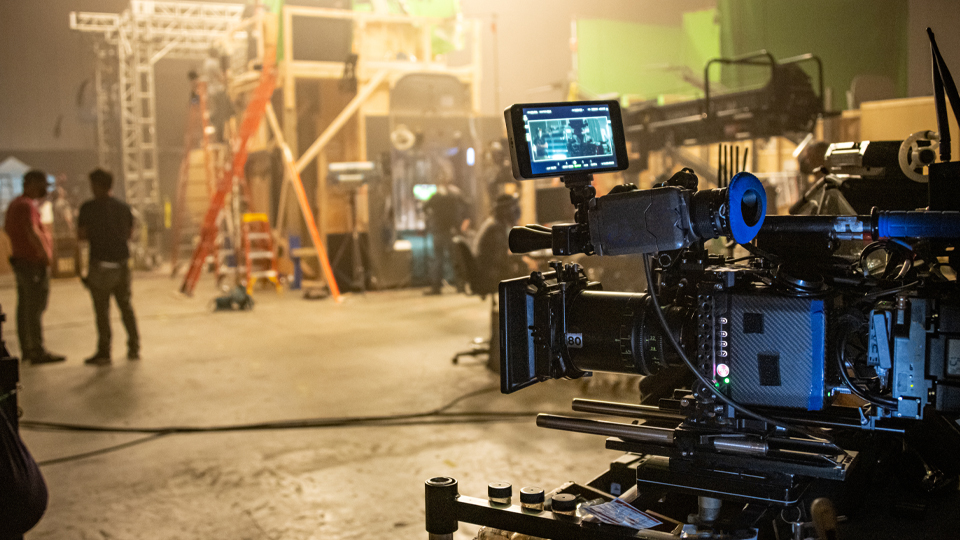
Do NOT Be a Hero
It may seem like doing something a little dangerous is okay if it gets the shot. Maybe the producer and director will appreciate it, and it feels good to be a hero. But here is the thing about that. If it goes badly and someone gets hurt, then was the shot worth it? No, the answer is always no. So, with that in mind.
-
DON’T SHOW OFF – The actors are the stars of the movie; the crew works invisibly to get them on the screen.
-
DON’T USE BROKEN EQUIPMENT – Gear wears out and breaks, repair or replace before it fails tragically.
-
DON’T USE GEAR THAT YOU DON’T UNDERSTAND HOW TO WORK – Some filmmaking gear is complicated, and it all tends to be expensive. If it isn’t working the way you think it should, then you might be using it incorrectly, and that can lead to other problems.
-
SAFETY FIRST, LAST, and ALWAYS – Learn it and live it, no film or shot is worth getting injured or worse.
Remember equipment is replaceable, YOU ARE NOT.
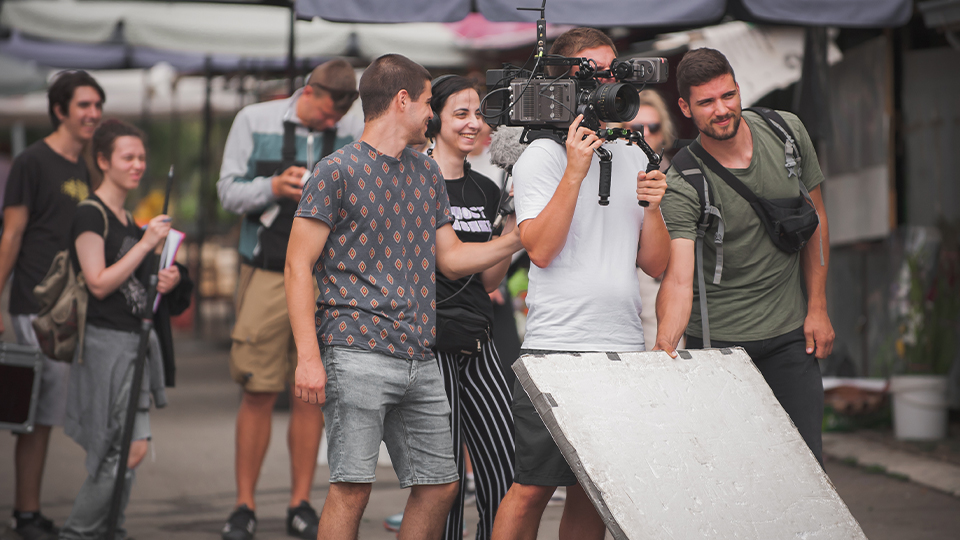
Production Assistant
Diverting from the general nature of this article, below are specific notes geared to starting out as a production assistant (P.A.).
-
First time filmmakers please note, do not abuse your P.A.s, if you are lucky enough to have production assistants, they are invaluable to allow crew with more defined roles to do the work they are hired to do.
-
Starting out – being a P.A. is a great way to make contacts, and contacts get you future work. It is also a great way to get experience with the different phases and departments, from being an office P.A. to an on-set P.A., just be aware that beginners getting their feet wet in the industry often get tasked with a lot of soul-crushing work. Remember, it isn’t personal.
-
Enthusiasm is great, but just because working on movies has been your life-long dream and now you’re doing it, don’t go crazy. Do your job, do what is asked of you, doing just that will get you further ahead than showing off how you can do so much more. Believe me, just do your job, your time will come.
-
The role of a production assistant covers a variety of jobs, from getting coffee, taking lunch orders, picking up and dropping off talent and/or equipment, staying up all night to block off parking (parking P.A. is a very common entry into the business), and more.
-
Please be aware that you may also be asked to wait to eat until the main crew and actors have had their turn through the lunch line, it isn’t that you are any less important, it is just that with the main crew and cast, certain schedule/pay issues are based on when they have finished getting their food, this is normal, as a P.A.’s time tends to be more flexible.
Hustle, don't run
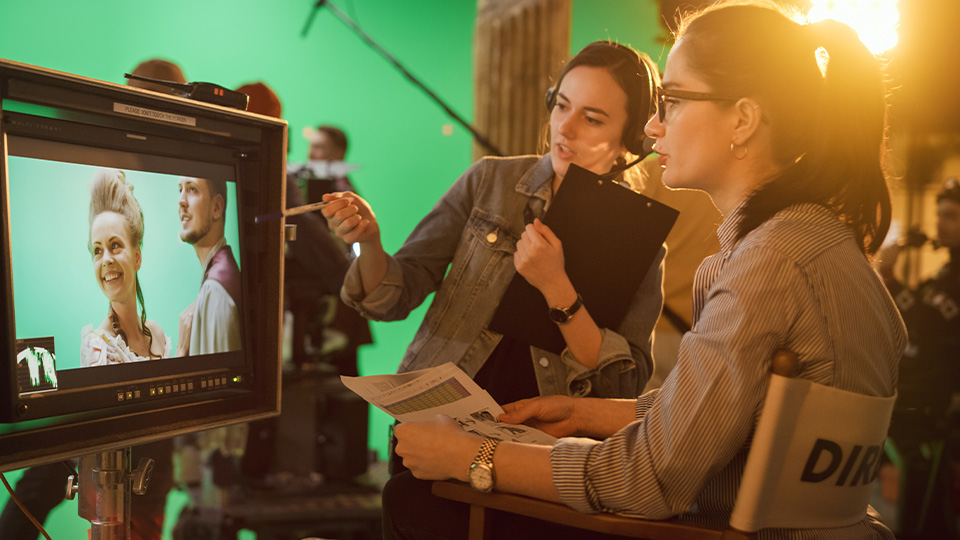
Unless the scene calls for running, don’t run on set. That doesn’t mean don’t hustle, just to move efficiently. Camera, lighting, and sound gear are expensive, and dropping gear because you were rushing causes a disruption to the production day and may well cause financial issues for production (and this may make people hesitant to hire you in the future). Additionally, if gear gets broken, you won’t be able to use it until a replacement is found and brought to set/location, slowing down production, losing shots, or not getting the images/sound that make the most impact. More importantly rushing around can cause accidents, it is just a movie, and no movie is worth someone getting hurt—or worse. So, remember, slow is smooth, and smooth is fast, whereas mad frenetic dashing about is wasteful, dangerous, and disturbing to those around you.
Listen to the experts
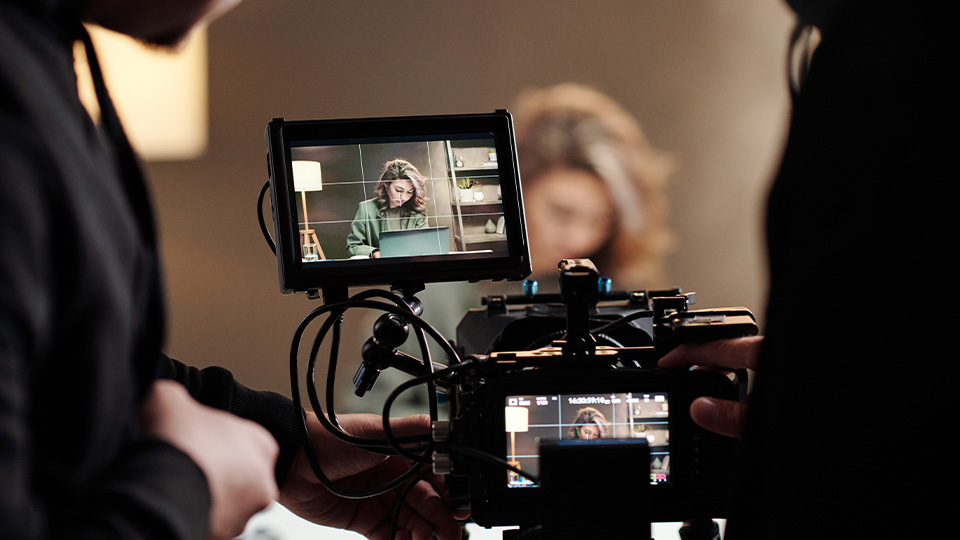
If you are just starting out, learn from the more experienced crew around you. And if you are in the position of hiring people to work on your film, then hire people in key positions that have more experience than you do, then listen to them. Years ago, when I was a fledgling D.P./Operator, I did not do this on a pickup shoot day. I did not think it necessary as we had scheduled only a few shots. So, we had only an inexperienced grip who did not know when to say that something was too dangerous. I had that grip push me downhill while I was seated on a wheelchair (something not designed for high-speed downhill movement) as I filmed a ball rolling downhill on the street through an intersection, I expected that the grip pushing me would also be able to stop the wheelchair before it rolled through an unregulated automobile intersection. I was young and gung-ho, and quite plainly stupid, because what could go wrong? I still cringe when I think about it today. We got the shot, but during the last take I leaned too far forward and went airborne out of the chair. I protected the camera as I crashed to the ground, mashing my elbow. Then the wheelchair crashed into me. Then the grip crashed into the wheelchair that was now lying on top of me. Nowadays we would just hire a drone operator, but back then—I should have consulted and gotten an experienced grip for that shoot. I was very lucky, but luck eventually runs out, so don’t rely on luck to keep you safe.
Thanks for reading, and for more tips and suggestions to leading a healthy, happy, safe and efficient production life – please see part 2.
