
Welcome to Part 2 of Keys to a Happy and Healthy Production Life.
Hopefully you’ve read Part 1, but if not, be sure to check it out.
Working on productions, and making films at every level can be fun, exciting, thrilling, and rewarding. The key to longevity in the business is both being easy to work with and being valuable to those who hire you. If you’re a director, you must figure out how to balance getting what you want without irritating the talented people you work with, who you hired for their talent and input—unless you have unlimited money, but even still, you’ll get more flies with honey than vinegar.
So, here are some guidelines as to how to make yourself useful, valuable, and sought after on a shoot.
Think Ahead
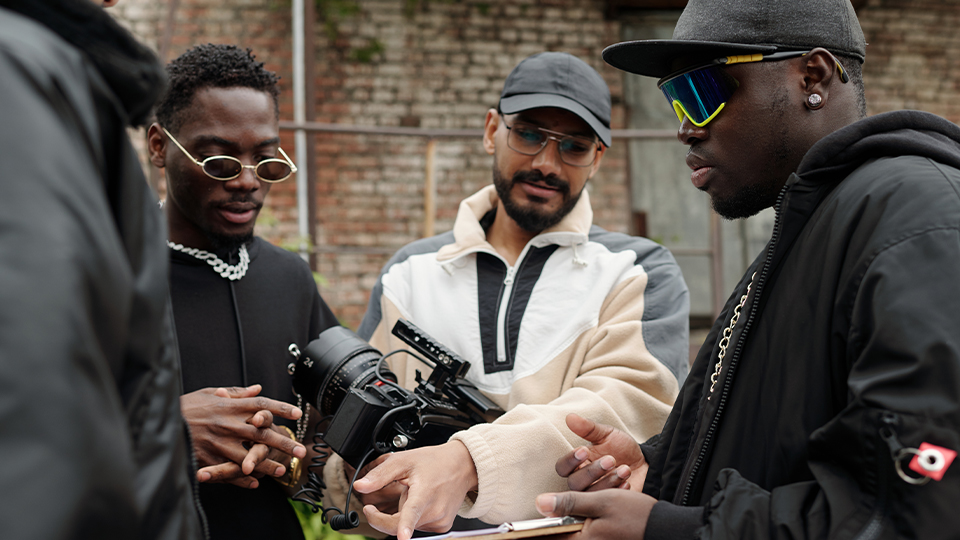
All too many people think that making a film is social gathering, it isn’t, it is a job. That doesn’t mean it can’t be fun, and you can’t enjoy the process, but every shoot day has a goal, a certain number of pages to get through, a planned number of shots to get. Every department has its own schedule. There is really no time in the day to be wasted.
-
When working whatever position you are at, be thinking ahead. This starts at the beginning of the day; what area is camera safe (what area will not be in shot), then that is the area where you stage your gear. Hopefully you find a space near the set, that won’t be seen for the whole day, but if not at least get the first set up—the master - clear. Otherwise, you are going to be moving gear all day, which just slows down the whole production.
-
Once the shot is set up, it isn’t time for a chat, it is however time to start prepping the next set up, the next shot. Always think ahead. For example will the camera be set up on a ladder next shot? If so, is that ladder nearby and ready to go?
-
Always think ahead, what can I do to make getting the next set up easier, or more interesting, time is the enemy so don’t become a spectator.
-
Additionally, think ahead means that once you have accomplished what needs to be done, start thinking about what else can be ready to go—some people choose to look at it like a game, about thinking along with their department head. Maybe having an edge/hair light at the ready for when the D.P. calls for it so you can get right to shooting and not have to wait for the gear to be brought from the staging area. Or having makeup at the ready for last looks. Little things like that go a long way to improving the quality of the project.
-
As far as wrap goes, hopefully the shots get smaller and tighter as shooting the scenes progress, and you don’t have to wait for the A.D. to call wrap before striking gear. Whatever isn’t working can go, especially when on the last shot of the day. This doesn’t mean bringing it all the way off the set as you never know when you may need a different light or piece of bounce card, but getting the unused gear staged will greatly reduce your wrap time without affecting the quality of your film.

DO YOUR JOB, NOT SOMEONE ELSE'S
Just do your job and do it exceptionally well. Do not go around doing things no one has asked you to do. Remember, you are on set to fill a specific position. If you are in the camera department, then stay in the camera department, don’t go off on your own helping to set up lights.
“But filmmaking is a community effort, a team sport.” Sure, and that is all well and good, but if you are off helping to set up lights when you are supposed to be getting the camera ready for the next shot, what happens when the lighting department finishes and is ready for the shot, but the camera isn’t set up or ready? What have you accomplished, other than drawing attention to the fact that you aren’t doing your job?
That doesn’t mean that people don’t help each other out, but if the lighting or grip department is consistently short a few hands, then by helping the lighting crew out you relieve the production department from re-examining their poor hiring choices and you end up shouldering more work, which can impact your own job performance.
All too often people are looking to assign blame, so the production department will most likely be happy to complain that you weren’t doing your job, instead of thanking you for helping cover their problem. However, if the head of your department wants you to help out another department, that is something else entirely—remember when you boil it all down, your job is to make your Boss’s Day, and thus their life, better.

Sleep and the Next Day’s Job
Getting enough sleep between the time you leave and show up for work the next day—Wrap and Call Time—is incredibly important. In your off hours you must get home, do your laundry, feed and walk any pets you have, see your loved ones, pay your bills, and get enough rest so that you aren’t falling asleep on set the next day (or while driving too and from the shoot).
While you are young this may not seem to be a big deal, but remember, making a film is usually a marathon of weeks filled with days of long hours and physical labor, with a schedule that is made up of many sprints during each day. This eventually takes its toll, so getting enough sleep is of paramount importance.
Always Be Networking
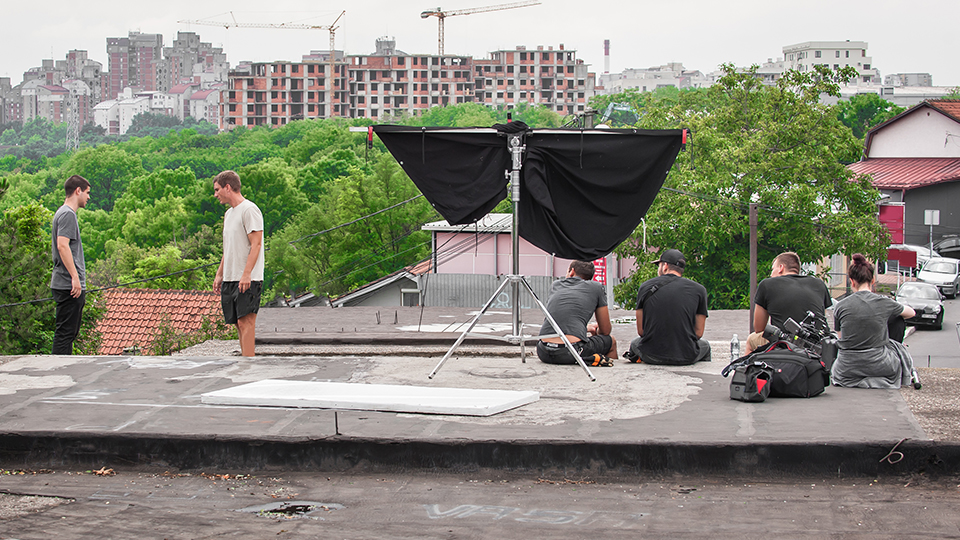
Sometimes the opportunity to hang out after a shoot arises, take advantage of it and hang out with crew members in your department, as well as in other departments. It is a tough thing to balance, what with needing to get enough sleep between call times, and expanding your group of friends. But someone is always in need of a good person to work with.
Amateur Hour
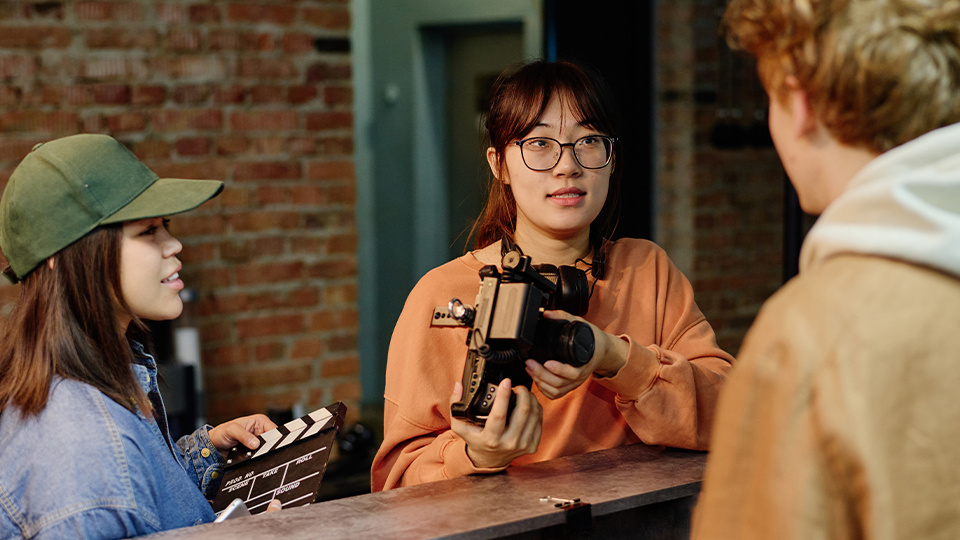
Your friends are your friends, and friendship is great. If you can ask your friends who are already working in the biz to help (not always so easy to ask a professional to work for free) and they are able and willing, count your blessings. However, with non-industry related friends, well things are often quite different.
Now, you may have used your friends in personal projects when starting out, and that can be an awesome experience, but much as I’ve watched nascent relationships crumble when couples start working on a film together (sorry that is a whole different article), working in the industry—be it film, T.V. documentaries, indie production, webisodics, how-to videos, etc.—these productions quickly rise beyond weekend warrior games, where the goal is to have a good time.
Someone is investing time and effort to produce content, so getting it right is exacting professional work. Schedules and availability are both tight, and if a friend is “just helping you out,” they may not have the dedication to the craft that a professional does.
This professionalism can range from being able to replace themselves and not leaving you in the lurch when they have an emergency, to caring enough to get the shoot day done and not just hang out being part of a real movie. Plus, precision equipment can be expensive, and friends that are “just helping you out” may not put in the care into their position or in using the gear. Though, you might find a friend who helps and just loves the work, those finds and friends are awesome.

Wrapping It Up
Now that you have mastered these facets of a successful production life, the next part to work on is getting your next job. Producers may be the ones that hire you, but it is other crew members that will get you on the producer’s radar, get you your next gig, have you cover for them in an emergency, bring you on their personal projects, recommend you to a low-budget shoot where you can get experience in a higher position, etc. So, on set it is important to be pleasant, and good to be around. Keep your ego in check and be easy to work with. Think of it like this: Who would you rather work with—someone who is quiet and easy to get along with or someone who is a noisy pain in the neck?

I hope this series of articles helps you start down the path to having a successful and happy production life. Thanks for reading.
