Search results for: audio recording guide
About 341 filtered results

by Freddy Gerngross · Posted
If you’re looking to get into home recording, you’ll need an audio interface. They all do essentially the same thing, so what matters is the number and types of input/output (I/O) they have. In the current market, every manufacturer is looking to set themselves apart from the competition and in this guide, we’ll go over some popular and affordable series of audio interfaces we have in stock at B&H and what to look for depending on what you’re trying to accomplish. Our picks clock in under $500 for the most part so you won’t have to sweat
by Mary Latvis · Posted
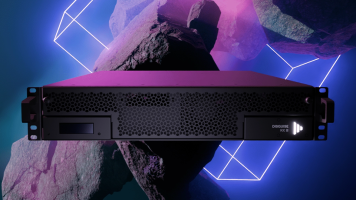
Recognized as one of the most innovative art and design schools in the US, CIA (Cleveland Institute of Art) strives to prepare its students for emerging careers in the latest visual technologies, including the burgeoning field of virtual production. The lack of a comprehensive resource for these technologies spurred CIA to turn to Disguise Services and The Studio B&H to design and construct the IML (Interactive Media Lab)—a full-service immersive/interactive facility.
Cleveland Institute of Art
The Challenge
CIA’s goal was to create a

by Freddy Gerngross · Posted
In the postmodern era of music production, most musicians, producers, and engineers rely on a computer running a robust Digital Audio Workstation (DAW) like Pro Tools or Ableton to be the studio centerpiece. But despite their power and convenience, sometimes creating in this environment can turn into a series of mouse clicks that eat away at the joy and magic of music production. There are times when ditching the DAW and going old school with a physical piece of hardware can unlock new potential, forcing you to develop alternative techniques

by Freddy Gerngross · Posted
Whether you record demo tracks on the road, produce podcasts at home, or collaborate with other artists in random locations, having a travel-friendly audio interface is key to staying versatile in your work. An ideal interface would be small enough to fit in a backpack, laptop bag, or satchel while supporting multiple types of I/O and USB powering. Seriously, the last thing you need is to have your ideas vanish whilst frantically searching for a free AC power outlet. Thankfully, your options are plentiful in number, and I’d like to bring your

by Freddy Gerngross · Posted
Let’s face it—microphones are expensive. We all want a stocked mic locker with the greatest vintage microphones the world has to offer, but unfortunately, that’s a privilege few can afford. But fear not! There are plenty of amazing and affordable microphones in production that rival or even exceed the sound of the classic studio legends. So whether you’re micing up a guitar, your voice, or a whole drum kit, check out five of my favorite mics that we have in stock at B&H.
Large Diaphragm Condenser: Rode NT1 5th Gen ($214-$228)
As a mic I

Posted
Whether it's for recording audio or lighting a portrait, everyone has a piece of gear that's their go-to. Clare asks B&H's employees and customers what they think is the best piece of gear that stands the test of time. Big-ticket items like cameras, lenses, or audio interfaces made the list, but sometimes the less-flashy gear that is the unsung hero of the creative process.
0:00 - Intro
0:10 - What's Everyone's Go-To?

by Freddy Gerngross · Posted
As miraculous as audio recording and reproduction technology must have been for those who witnessed its proliferation during the early 20th century, it remained a broadly rudimentary process until the late 1940s when the adoption of magnetic tape became standard.
Unfortunately, magnetic tape was invented in an extremely tumultuous time and place: German engineer Fritz Pfleumer’s 1927 invention was sequestered away from the world at large for nearly twenty years. When Germany was liberated in 1945, Allied forces were ordered to seize all German

by Freddy Gerngross · Posted
For this installment in the 500-series guide, we’ll be looking at the available offerings of effects modules in the 500-Series format. I’m also including more utility modules that aren’t necessarily an “effect,” but don’t fall under the Preamp, EQ, or Compressor categories and are quite useful, nonetheless. Some more recently released 500-series effects modules have a combination of preamps and dynamics processors or can be used as such, so if you’re looking to get started on a budget, these could be good places to start your 500-series

by Mathew Malwitz · Posted
Bird-watching, known colloquially as birding, has quickly become one of the most popular past times for nature enthusiasts of all ages. In this fast-paced digital world we find ourselves in, getting outside and winding down to the sounds and sights of birds is quite therapeutic.
Every hobby has its fair share of essential gear,

by Freddy Gerngross · Posted
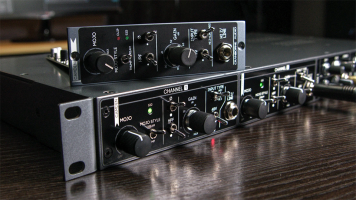
If you're new to the world of audio and are wondering what a mic preamp does and whether you need one for your home studio, you're in luck. We've put this guide together to answer all of your questions.
What Is a Mic Preamp?
The mic preamplifier, or preamp, is a device that increases the voltage of a mic’s outgoing signal so it can be strong enough to be processed by other audio equipment—it takes signal from mic level to line level (often boosting between 30-70 dB). It can also add a user-specified amount of gain to the signal which in turn
by Trevor Collins · Posted
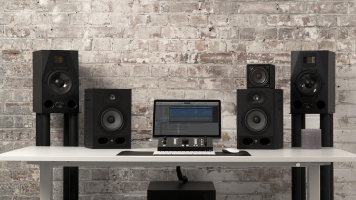
No matter what area of audio production you work in, you're constantly listening. Loud and proud or whisper quiet, through headphones or speakers, in your studio or on the road, you're constantly listening. And naturally, you need to hear your productions through various transducers to accurately assess how they translate.
What you don't want is to be relegated to a life of vibe-killing, time-wasting repatching—you know, power-down those speakers, unplug them, plug in the other speakers, power them on, etc.—or adjust your DAW's master fader to

by Luke Rollins · Posted
Compact, point-and-shoot cameras have become an increasingly popular way for people to explore the possibilities of photography beyond the smartphone. Brands like Camp Snap, Kodak, Yashica, and Kreate offer buyers affordable options for turning unforgettable moments into lasting memories across skill levels, feature sets, and applications.
Camp Snap
A world dominated by screens is a world where screenless-ness is a feature. Inspired by summers frolicking in the outdoors before the ubiquity of electronic devices, Camp Snap cameras are designed

by Trevor Collins · Posted
Looking at the computer market these days, you might think it’s a bad time to buy a music production laptop. AI-induced RAM shortages have caused computer costs to skyrocket. But with AI going nowhere fast and no sign of this trend slowing down, now may actually be the best time to get in while the getting is good. After all, prices may only go up from here! And with great advances in software and hardware over the last few years, you have some impressive choices available to bring your music production setup into the 2020s. So, let’s go over
by Freddy Gerngross · Posted
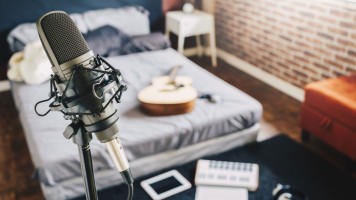
As the democratization of music production continues to propagate, many people have been innovating new production techniques, creating entirely new genres of music, and recording literal chart-topping hits—all from the comfort of their bedrooms. But if you’re just getting started, you might soon realize that the vocal recordings you capture in your bedroom are … less than ideal.
Getting a tight and professional sound from a small bedroom is possible—but it takes planning, preparation, constant rearrangements, and maybe a few bucks here and