Search results for: photography buying guide best lens hoods
About 8 filtered results
by Mathew Malwitz · Posted
What better place to spend a Saturday morning than the zoo. You can enjoy some time outside, all while seeing a variety of both local and exotic animals you'd otherwise never dream of encountering. Zoos also are great place to try your hand at photographing wildlife! In this guide, we're talking about taking our camera to the zoo to capture natural looking images of animals in their element! We'll be covering what you need as well as tips and tricks that'll help you capture stunning, natural looking images of animals.
Above photograph © Mathew
by Luke Rollins · Posted
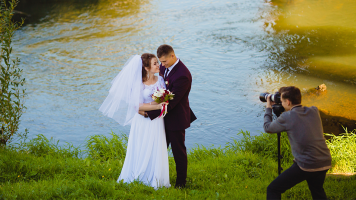
Many hobbyists reach a turning point in their craft when they decide to pursue wedding photography seriously. With the transition to pro comes the task of updating your lens kit accordingly, and most photographers would agree that investing in quality glass is essential. Unlike the rapid turnover of camera bodies, lenses will last for years and can make all the difference in creating quality images. Understanding what some of the best available options are will help you invest appropriately.
What to Consider
Weddings are long affairs, often

by Mathew Malwitz · Posted
Winter brings with it some of the best photographic opportunities imaginable. As the temperatures begin to drop, our approach to photography changes a bit. Cooler weather brings with it snow, stunningly colorful evening skies, wintering birds, and an assortment of beautiful weather conditions. Some of the best photographic opportunities present themselves in these unfortunately cold times. That being said, if we prep ourselves and our gear appropriately, we can capture stunning images.
Before You Head Out
First, some safety precautions. Cold

by Mathew Malwitz · Posted
For landscape photographers, having the right equipment is everything. You want gear that is lightweight, rugged, and easy to travel with. Multipurpose gear that has a variety of practical applications when you’re out in the field never hurts either. If you are a landscape photographer or buying a gift for one, we have some great product recommendations for every budget.
Gifts Under $50
1. Multitools are a photographer's best friend, especially out in the field.
by Christopher Witt · Posted
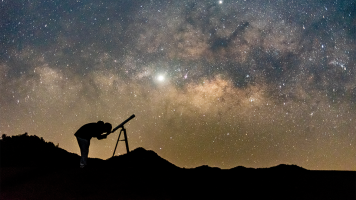
Humans’ fascination with the stars is as old as our ability to think and ask questions. For millennia we, as a species, were limited to observing the heavens with just our eyes. Of course, back then we were able to see more because light pollution didn’t exist, but making detailed observations was impossible. The invention of the microscope led to the development of the telescope, which allowed people to finally start exploring the larger universe. As technological advances were made and telescopes got bigger and better, their reach and the

by Rachel Leathe · Posted
What makes a camera good for landscape photography? In this article, we’ll dive into factors such as megapixel count, sensor size, usability, weather readiness, and design—helping you develop your own personal metric for finding the ideal camera. We’ll help you wade through all the technical mumbo jumbo to figure out what specs really matter, whether you want to capture stunning mountain ranges or shoot star-strewn night skies.
Megapixels
It doesn't get much more basic than megapixels. They're like the atoms of photography. But just how many

by John Harris · Posted
When speaking with wildlife and bird photographers, the subject of camouflage always sparks conversation. Some are surprisingly dismissive, others are all-in and, of course, there are those of us in the middle, who understand the benefits, but are not quite ready to order a complete ghillie suit. In fact, camouflage gear is not a panacea, and all photographers should agree that your location, movements, techniques, scent, and even breathing have more impact on getting that great animal photograph than what you are wearing or under what you are

by Elizabeth Groeschen · Posted
For many photographers, carrying multiple lenses quickly becomes more of a requirement than an elective. And as most already know, with additional lenses come additional lens accessories and the inevitable question of which is worth the investment and space it will take up in your camera bag. While some accessories like caps and hoods often come in the box with a new lens, other protective gear like cases, wraps, and bands are typically sold separately. These protective items get lost quickly out in the field or in loose pockets, and are