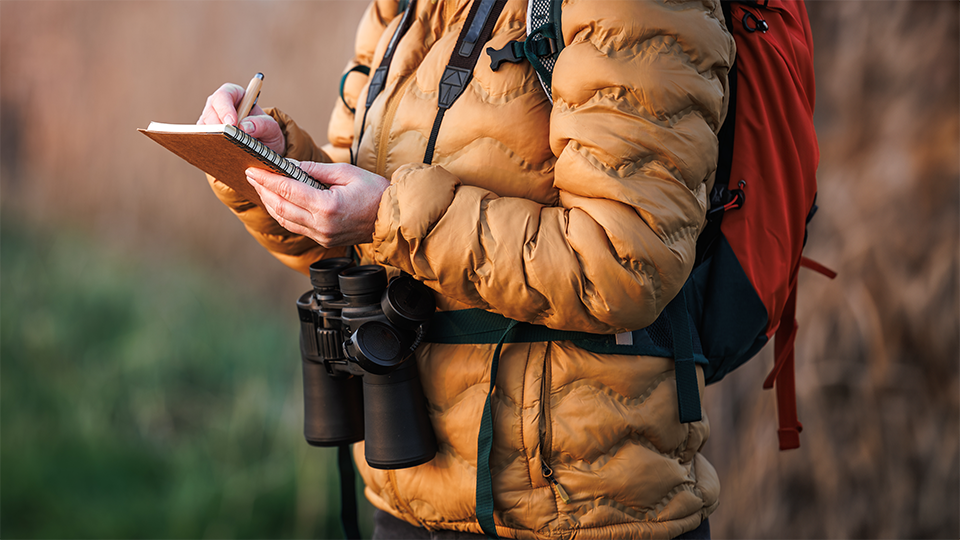
Bird-watching, known colloquially as birding, has quickly become one of the most popular past times for nature enthusiasts of all ages. In this fast-paced digital world we find ourselves in, getting outside and winding down to the sounds and sights of birds is quite therapeutic.
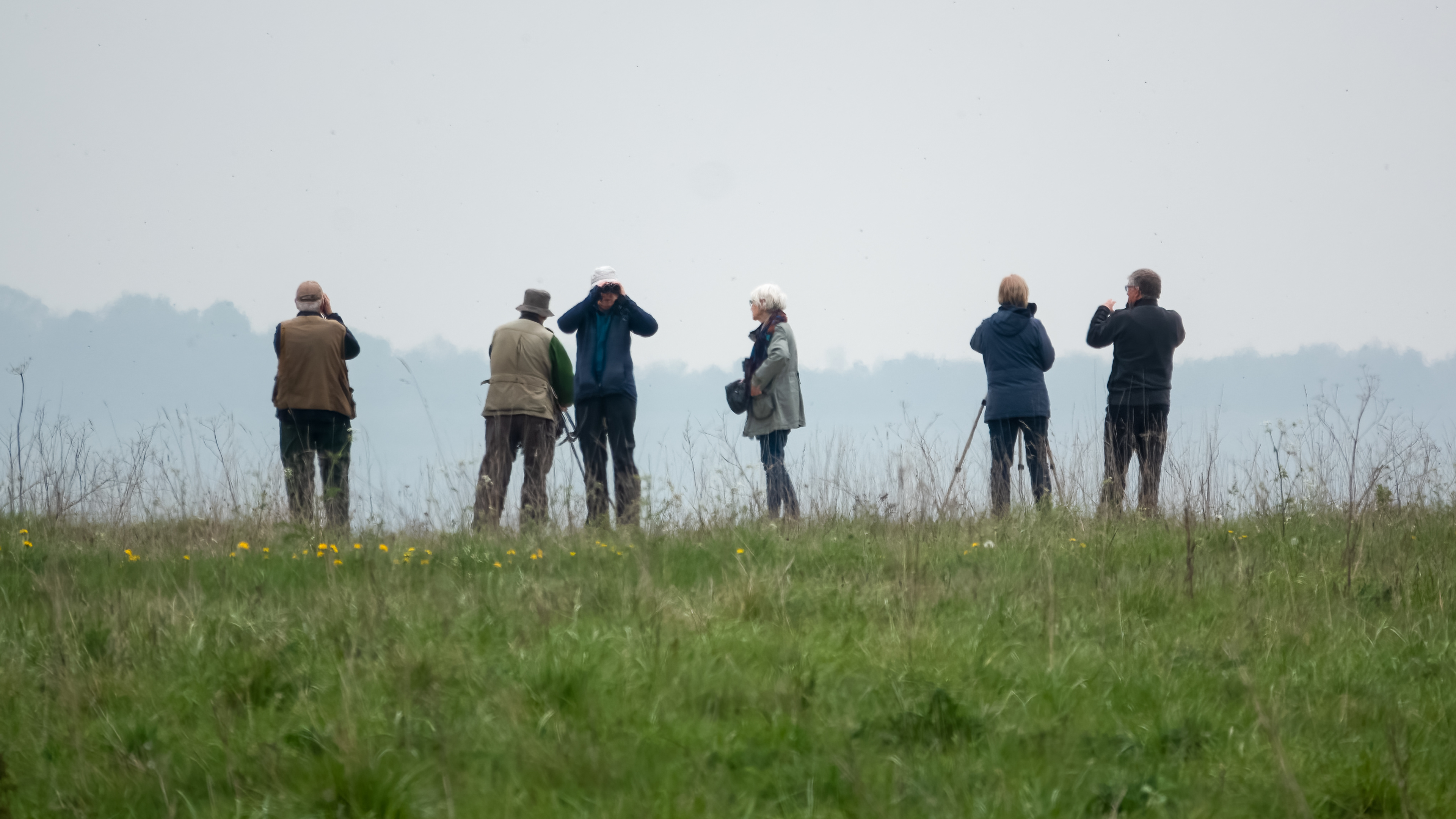
Every hobby has its fair share of essential gear, and birding is no different. While you don’t need much to enjoy the splendor of our avian friends, there are tools that make viewing birds so much easier. Most of what we’ll be discussing in this guide is meant to enhance your experience, or at least, make life a bit more fun in the field.
The Essentials
Binoculars
If there’s one item a birder can’t live without, it’s a trusty pair of binoculars! How else would we see our tiny feathery friends from afar? Binoculars (or “bins”) deliver those close-up views of distant subject matter we require. But before we buy the first pair we see, know this: not all pairs are made equally.
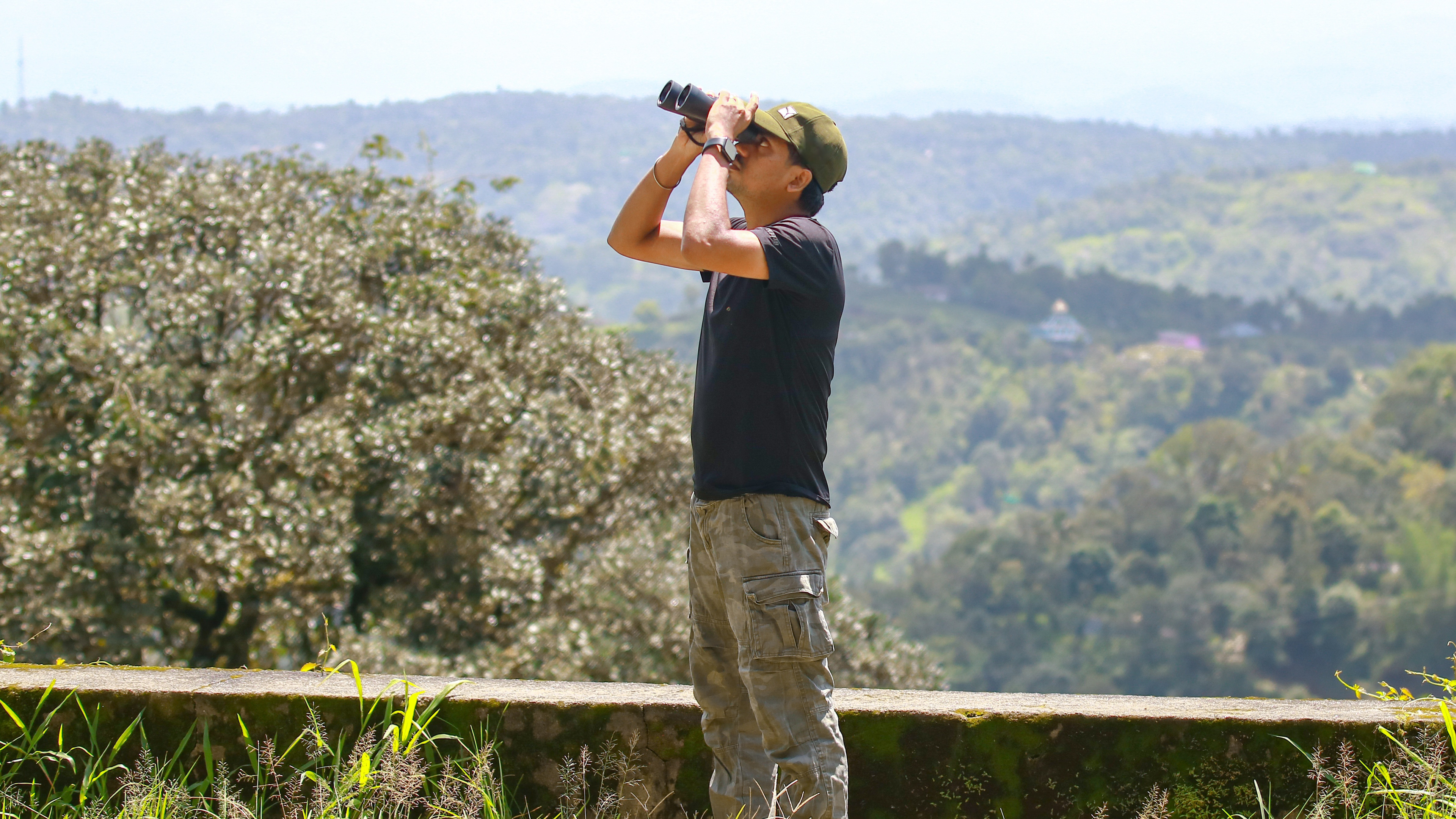
Top models offer better optical quality, tougher construction, and greater longevity, but come at a higher price tag. A worthwhile investment if you spend hours in the field or are planning on buying a pair and never worrying about binoculars again. Where quality is concerned consider a pair like the Leica Trinovid HD binoculars. With exceptional glass quality and unparalleled light transmission, our eyes can rest easily, even after long hours in the field.

That’s right, eye strain can occur when using any pair of binoculars, but the better the optics, the better the experience. Even more budget-friendly pairs have done quite a bit to combat eye fatigue. Just look at the Nikon Monarch M5 series! Specialized coatings and elements pair well to reduce glare and improve clarity and brightness for a better overall image. All while sporting a water and fog proof design.

As you can probably tell, there’s a lot to consider when buying a pair of binoculars. Don’t rush it and do some research before investing. Whether you’re looking for your very first pair of binoculars or looking to upgrade, you can always ask a friend, or better yet, the pros at B&H! We’ve done a deep dive on this very topic in our guide to Finding the Right Pair of Binoculars for Birding, so check it out.
Binocular Straps and Harnesses
Most binoculars come with a generic neck strap, but this isn’t always the most comfortable option. Some higher end options swap the standard one for a padded neoprene one, but this traps moisture against the back of the neck, which can lead to discomfort. Luckily, there’s no shortage of third-party straps available as binoculars generally share the same strap lug design as cameras.
Popular options like the Peak Design Leash are commonly used due to their minimalist design and color variations. What makes these so desired is the ability to quickly separate the strap with the proprietary anchor links. If the Leash is too narrow, you can always upgrade to the wider Slide straps. All three of these straps are incredibly strong, and the Leash is the perfect blend of size and comfort, whereas the Slides are generally best suited for heavier cameras. If you prefer a wider strap, the Slide Lite or full-sized Slide is the way to go!

If a strap alone is not secure enough for your level of activity, or simply uncomfortable, there is a solution. Many birders upgrade their strap to a binocular harness. This distributes the weight across the torso and keeps your binos tight against your chest while hiking or climbing. One of the most comfortable available today is the Vortex GlassPak Sport Harness, which can fit nearly any binocular with an objective lens opening of up to 50-56mm.

Field Guide
In the digital age, we have access to endless data at nearly all times of the day. With that said, there’s something special about referring to a physical guide. Of course, there’s the added benefit of conserving your phone’s battery, which is extremely helpful if you’re well off the beaten path. But the other benefit of physical media is the ability to remain disconnected from our devices and focused on the tranquility of nature.
There’s an age-old question in the world of birding: Peterson or Sibley? David Allen Sibley and the late Roger Tory Peterson are two of the most acclaimed birding guidebook authors out there. When guidebooks are mentioned, you’re likely to hear these two names come up followed by the aforementioned fateful question. As with many areas of birding, there’s no one right answer, but we have our pick.

That preference has to be the Sibley guides, as they pair excellent descriptions and range data with David Allen Sibley’s detailed, yet neutral portraits. These cover different plumages as well as age and sex variations of the same species. The Sibley guides are a staple of the field guide genre today and offers the most comprehensive look at North American birds that you can fit into a relatively compact field guide.
Journal
Similar to the classic field guide, apps have largely taken over the job of a journal. This is a handy tool to have in your birding kit for a multitude of reasons. Having a physical place to write down notes, keep track of what you see, list your finds, or to make sketches of the birds we see for future identification purposes is incredibly practical. Plus, putting pen to paper flexes the good old neurons in our brain, helping us better remember what we observed.

We prefer the Rite in the Rain All-Weather Notebooks, as they’re weather resistant, and feature a universal page pattern. This makes them perfect for nearly all the aforementioned uses, and in the rain too. They also come in a variety of colors and patterns, so you can have multiple notepads across many use cases while keeping them organized. Just be sure to test your pens to make sure they don’t smear on the weather-resistant paper. Alternatively you could just use one of their pens to be safe.
Upping Our Birding Game
Spotting Scope
What do we do when we desire more reach than our binoculars can offer? Look no further than the spotting scope. These are high-powered optics designed for detailed, long-range observations. They’re essentially portable telescopes. As you may expect, these should be mounted on a tripod for maximum stability, and we recommend something with a fluid head for smooth, subtle panning. You don’t know pain until you finally put glass on a bird only for someone to move it.
If we had to choose just one, the Vortex Razor HD 27-60x85 Scope would be our pick for its exquisite clarity and oversized objective lens, which makes for a brighter viewing experience. Just like binoculars, the longer we look through an optic, the more likely we are to experience eye fatigue. And let’s be honest, if we’re investing in a spotting scope, we’re looking at birds for quite a while.

If you just need a scope for the odd time you’d like a bit more reach, consider Vortex’s Diamondback line, which offers exceptional quality at a much more affordable price point. This is the kind of scope we’d recommend putting in the car and having for the everyday birding trip. You never know when a distant rarity is going to rear its head at your local trail. These are just some of the more popular options, for more information on scopes check out our guide to finding the right spotting scope.

The benefits to scopes don’t end with just reach. With adapters, one can attach a camera, smartphone or tablet directly to the eyepiece of a spotting scope. This allows you to take photos through a scope in a practice known as digiscoping. This technique is still used today, and while the quality of the results pales in comparison to the images recorded by a digital camera, it does the trick in a pinch.

Being able to record what we see in the field is a great form of record keeping. These images not only show what we’ve seen, but can also be revisited, serving as what we in the industry know as identification, or “ID” shots for unfamiliar birds. Simply refer to these when consulting your guidebook or online database to confirm your findings.
Camera
Why do we need a camera if we can digiscope? It’s often said that at one point or another, the fledgling birder is going to pick up either a spotting scope or camera. A scope is certainly cheaper and will likely offer even greater magnifications of 60x and more. That said, a camera is essential for high resolution imagery and the ability to autofocus on fast moving birds.
There was a point where one would need to invest in the fastest camera system, which was commonly the most expensive, to get the best results. Luckily, this has changed, as advanced features aren’t too hard to come by when looking at the current models. In fact, many entry level cameras now offer high speed shooting modes and even have dedicated bird focus modes where the camera can identify, focus, and track a bird in the frame.
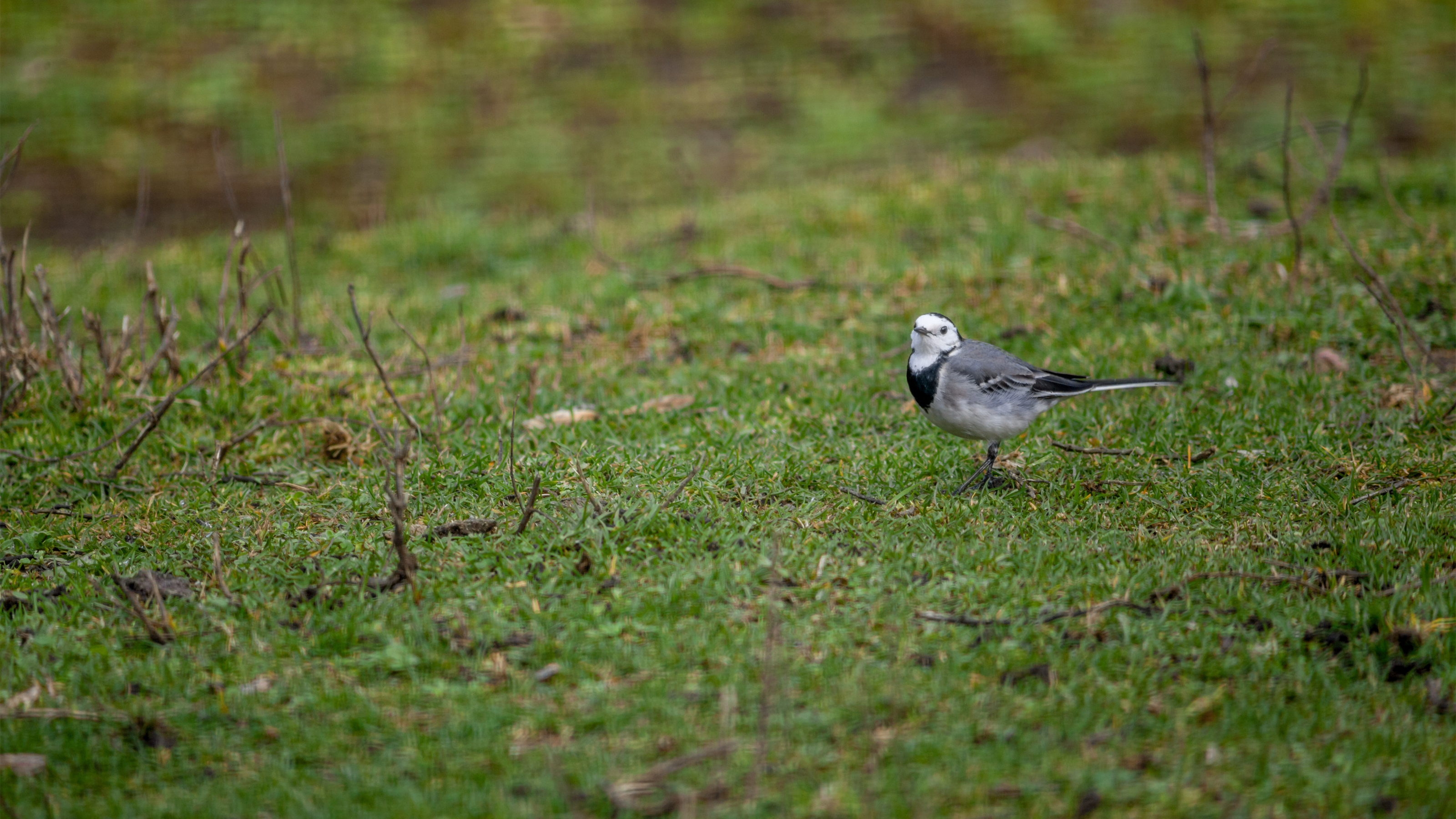
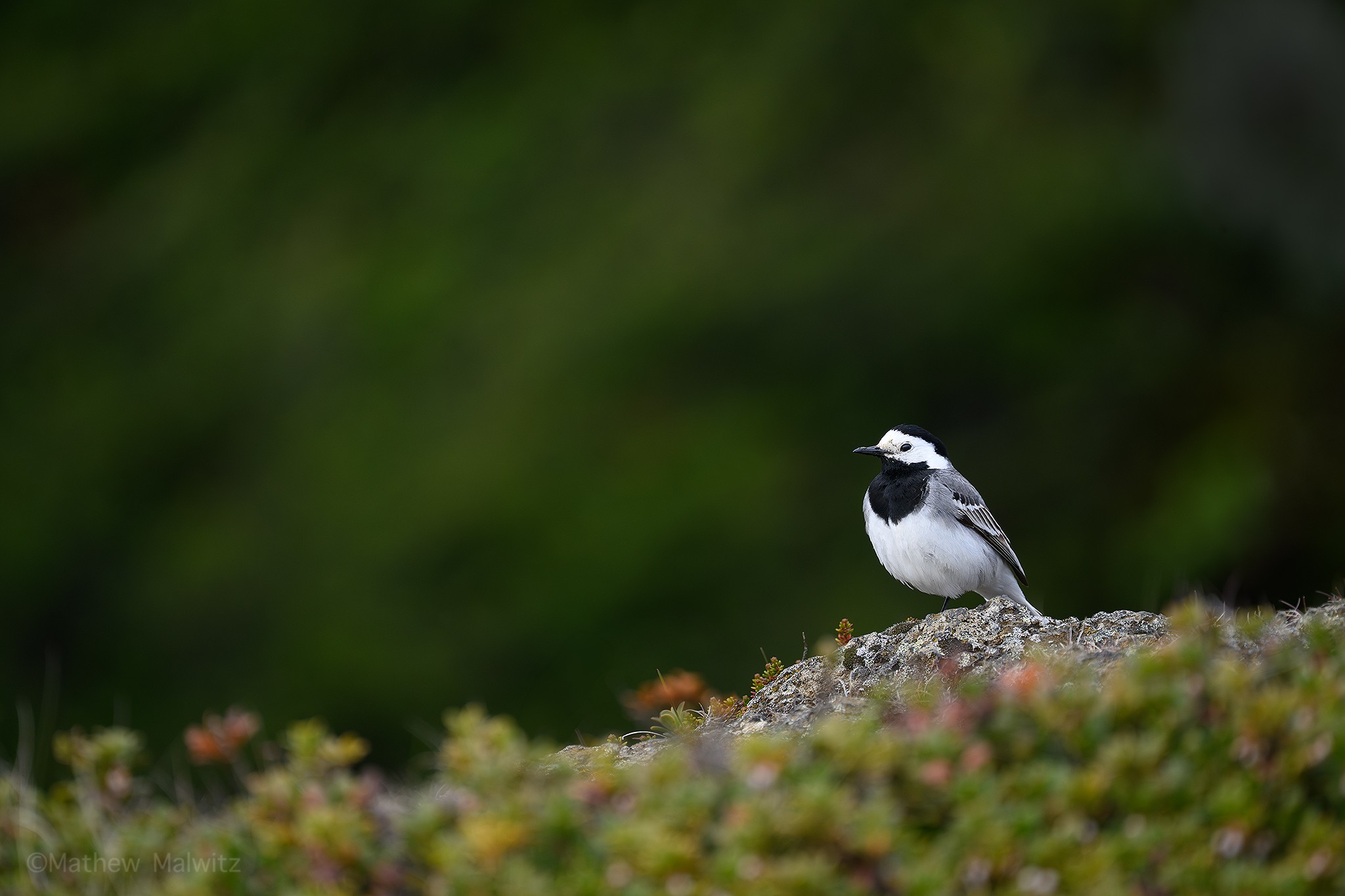
One of the most popular cameras for bird-watchers is the powerful bridge camera like the Nikon P1100. These are for all intents and purposes point and shoot cameras with a fixed lens and simple overall operations. What more could you need for the simple ID shot? Turns out, quite a bit. While practical and easy to use, bridge cameras have largely disappeared from the market. The few that remain, like the P1100, fill specific niches, including birding. But their size benefits have shrunk.

The challenge is that new mirrorless cameras have become so compact that they’ve begun drawing more and more birders into the world of interchangeable lens camera and lens combos and the improved image quality they provide. These cameras put more control in the hand of the user and deliver things people want in their images like blurrier background rendering. If that sounds too complicated, stick to the bridge cameras. If you want more control over the final image, go for the interchangeable lens system.
Portable Microphone
If you’ve read our birding identification guide, you’ll be familiar with the Cornell Lab of Ornithology’s bird call recognizing app Merlin. When in use, the app listens to your surroundings, picking out and identifying the bird call sit hears. This app has quickly become a staple of the birders arsenal and has introduced many new faces to the hobby.
The main drawbacks of the app are the microphones. Turns out that smartphone mics are not great at picking up distant calls that we may hear. Imagine if you could capture those bird calls in a better, well-defined quality. The answer is a dedicated microphone, like the Shure MV88 USB-C Sterio Microphone, which can be plugged directly into the charging port of your smartphone for better audio pickup.

Another, more precise option is a highly directional microphone known as a “shotgun” mic. This is best for focused efforts, pinpointing the area directly in front of the mic. The RODE Videomicro II is a popular choice, as well as a good alternative to the Shure for those with bulkier phone cases, as the RODE connects to a smartphone in a wired connection. This does mean you will need to hold the mic or possibly rig it to the phone via a specialized case or phone cage.

Other Gear
Outside of optics and camera gear, we’ll want to be well outfitted for the conditions we’re facing. The most important piece of gear we should invest in is a sturdy pair of waterproof hiking boots with ankle support. We’re not expecting you to traverse the Appalachian trails, but even local parks have their fair share of mud and uneven terrain. Boots offer comfort, stability, and a bit of confidence when faced with anything other than pavement or gravel.
Rain is no reason to stay at home, so invest in a rain jack for you and your gear. Rain can drive birds lower into the understory, making for more exciting viewing opportunities. During migration, a big weather system paired with a large movement of birds can result in a phenomenon known as fallout, where bird descend in large numbers, unable to continue on their journey until the storm passes.
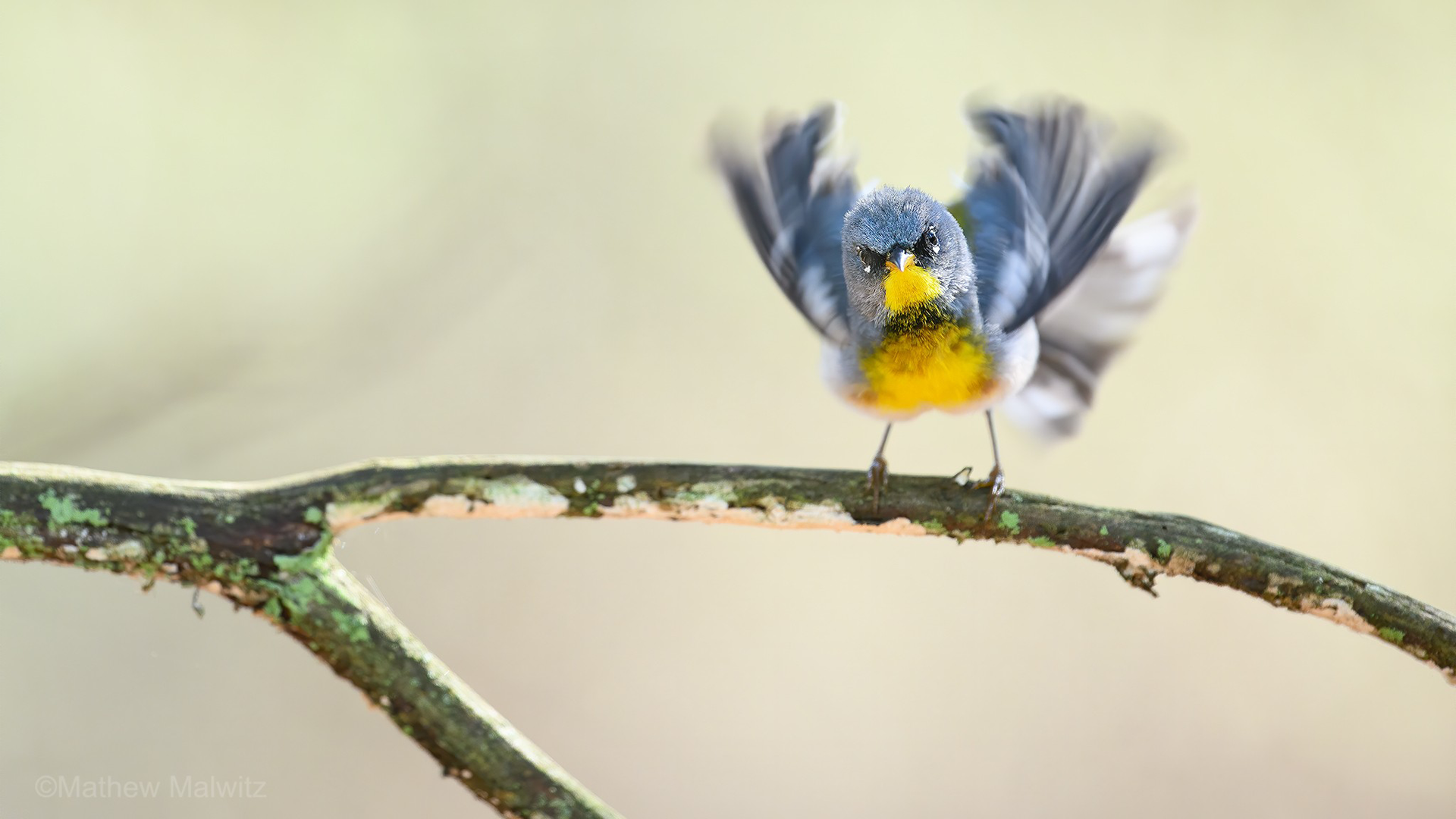
Additionally, we would be remiss if we didn’t address sun protection. It’s a known fact that the sun is good for you in small doses. That said, if you’re going to be spending any extended period outdoors, you’ll need to apply some form of sun protection, whether it be in the form of sunblock or UV-rated clothing. Sun block may sound like the obvious choice, but the chemicals within can be harmful to your gear, corroding the adhesives that hold rubber coatings on binoculars or camera grips.
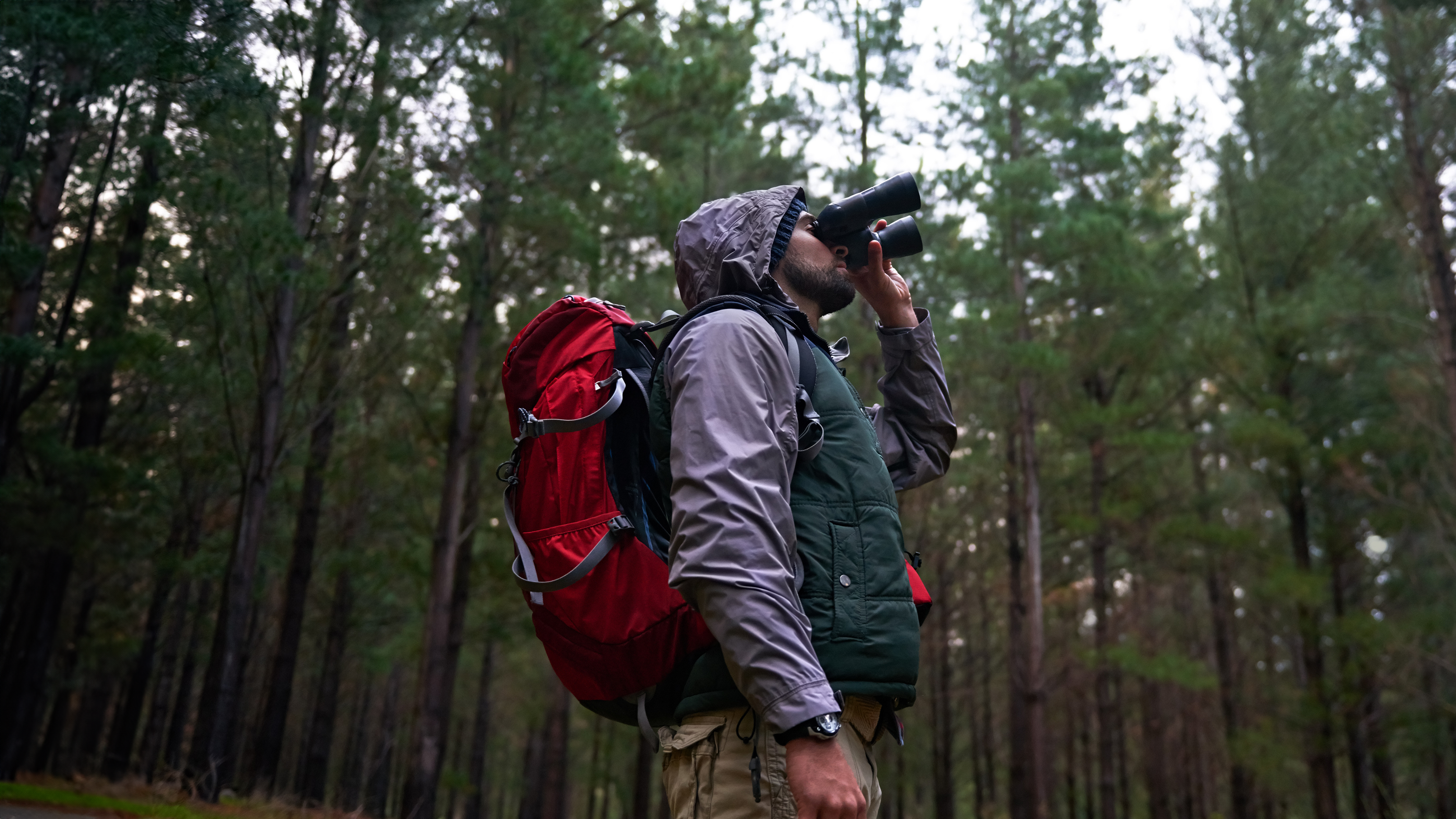
UV-rated clothing is great, as it poses no threat to your gear and is generally very breathable and comfortable to wear on hot days. Some of these items are subtle, while others really lean into the outdoorsy theme. This brings with it the question of whether you want to look stylish or more like Van Pelt from the 1995 film Jumanji. The choice is yours.
Start Exploring
Birding is among the most popular outdoor activities, and having the right tools is essential to making the most of your outings. You don’t need everything above, but with a hardy set of binoculars, a comfortable strap and a trusty guidebook, you’ll be ready for anything. Dress for the weather, keep a vigilant eye, and most importantly, have fun.
To learn more about birding, or to take your first steps into bird watching, read more on the B&H Explora page like our Introduction to Bird Watching. We have plenty of helpful articles and guides to get you started and keep you learning along the way.
