Search results for: photography buying guide telephoto lens buying guide
About 168 filtered results
by Mathew Malwitz · Posted
This holiday season, we’re looking at fun and affordable lenses for mirrorless systems. There will be both unique lenses and some overlap thanks to the vast number of third-party lenses hitting the market for all major brands. In this guide, we’re covering lenses for the L-Mount. From ultra-wide-angle lenses suited for landscapes and architectural images to super telephoto ones for sports and wildlife, we’ll be covering a variety of focal lengths are variety of uses. Of course, the L-Mount is shared across brands like Leica, Sigma, and Lumix,

by Mathew Malwitz · Posted
This holiday season, we’re looking at fun and affordable lenses for your mirrorless systems. There will be both unique lenses and some overlap thanks to the vast number of third-party lenses hitting the market for all major brands. In this guide, we’re covering lenses for the Sony E mount. From ultra-wide-angle lenses suited for landscapes and architectural images to super telephoto ones for sports and wildlife, we’ll be covering a variety of focal lengths are variety of uses.
Lenses
7Artisans 10mm f/2.8 Mark II Fisheye Lens for Sony E
Outside

by Mathew Malwitz · Posted
This holiday season, we’re looking at fun and affordable lenses for your mirrorless systems. There will be both unique lenses and some overlap thanks to the vast number of third-party lenses hitting the market for all major brands. In this guide, we’re covering lenses for the Canon RF Mount. From ultra-wide-angle lenses suited for landscapes and architectural images to super telephoto ones for sports and wildlife, we’ll be covering a variety of

by Mathew Malwitz · Posted
There’s an old adage that gear doesn’t make the picture, it’s the photographer. This is partly true. A super-telephoto prime with a fast aperture will make quick work of busy backgrounds, and the faster focusing systems of high-end full-frame cameras will more easily track a bird’s eye in some of the most challenging lighting conditions. But there’s another factor to consider. At the heart of the image is a creative eye and technical proficiency. High-end camera gear only serves a purpose once you know what you’re doing.
In this guide, we’re

by Todd Vorenkamp · Posted
If you are stranded on a desert island and can only have one camera lens with you, which lens would you choose? That may depend on your specific area of expertise, but for the average photographer, the 50mm focal length is an essential tool to have in your kit. The 50mm prime lens, or “Nifty Fifty,” features a field of view close to that of the human eye, and delivers exceptional image quality, subject isolation, and background rendering, all in a compact package.
The Origin of the “Nifty Fifty”
In the bygone era of film SLR photography, many

by Mathew Malwitz · Posted
When it comes to choosing the best camera for sports and action photography, there are three factors to focus on. Speed, autofocus performance, and reliability are all essential to tracking, freezing, and nailing the shot time and time again. Speed and performance have become increasingly affordable with mid-tier cameras and even some entry-level ones can keep up with sporting events. In this guide, we’ve narrowed things down to the very best cameras in each class, from the pro-level flagships to everyday cameras that are right at home on your

by Mathew Malwitz · Posted
When we head out into the great outdoors, there’s nothing more we need than our camera and lens. So long as you have a charged battery and an empty memory card, there’s little more you could ever need—that is, until that battery dies, it starts to rain, or a bird poops on your lens. How do we prepare for these inevitable conundrums? We bring the pertinent accessories, that’s how.
Smaller

by Mathew Malwitz · Posted
Traveling with our camera gear can be a daunting experience, especially as we start expanding our arsenal of lenses. Picking the right lens for the job is a challenge in itself, and now we're finding the space to pack it among our clothes and other essentials. Wouldn't it be nice if we had one lens to do it all?
Luckily, such lenses do exist, and these travel-ready all-in-one zooms come in a variety of mounts, some brand specific, and others available for many different cameras. In today's guide, we're covering the best travel zooms for full
by Mathew Malwitz · Posted
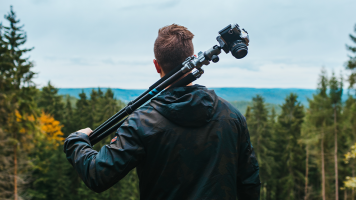
As complementary as peanut butter is to jelly, the camera and tripod are an age-old pairing that still manages to maintain relevance and unmatched functionality in a world dominated by image stabilization and Photoshop tricks. While the form and function of a tripod is far simpler to understand than the scrolling menus of today’s feature-packed cameras, it can still be a chore to choose the right setup for your needs from among a sea of manufacturers and seemingly comparable models.
Now, what’s the big deal with tripods? Most photographers

by Mathew Malwitz · Posted
Bird watching and photography seem to go hand in hand. While there are some who prefer to enjoy the sights free of distraction, there are others who like to record their findings to share with others. To do that, we need a camera and picking one can be overwhelming. Many opt for the tried-and-true bridge camera, but these are limited in the quality they can deliver.
For

Posted
Wide angles are a staple in landscape photography, but don't sleep on telephoto lenses. They are an underrated gear choice that makes your photos appear more grandiose. Sam is in the field sharing telephoto photography ideas and teaching how to utilize these types of lenses.
0:00 - A Lens Secret
0:28 - Why Telephoto Lenses?
1:08 - A Point of Interest
2:22 - Lens Compression
3:14 - Full Moon Photography
9:55 - Which Do You Prefer?
Sponsored by
by Mathew Malwitz · Posted
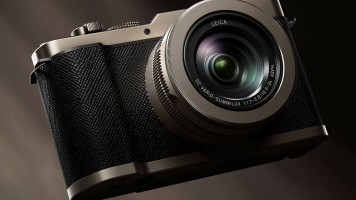
After the smartphone revolution, it appeared that the days of the compact camera were done. How wrong we were. It’s true that a few years back, point-and-shoot options were few and far between. There were just a handful of options on the market, and some industry titans even left the market entirely. Despite the long-rumored demise of the compact camera, it seems that photo enthusiasts still desire a dedicated device without the distractions that come with a smartphone.
What is a compact or “point-and-shoot” camera? Just because a camera is

by Bjorn Petersen · Posted
When assembling a kit of lenses for photographing a wedding, one should take into consideration the location in which the wedding is taking place, the number of guests and, of course, the type of imagery you are seeking to create. To best represent a wedding in a dynamic manner, it is often preferable to have a range of lenses to achieve different perspectives of the event, rather than maintaining a constant perspective of your subject matter. A wide-angle lens, specifically, is a highly effective tool for capturing many of the scenes that

by Shawn C. Steiner · Posted
Wedding season is upon us and whether you’re a first-time wedding photographer or an experienced pro, you’re likely debating which lenses you should keep or add to your daily kit. Sony makes deciding even tougher with an incredible variety of glass offerings for their E-mount mirrorless system.
Don’t worry though, we’re here to help with our picks for the best Sony lenses for wedding photography.
The New f/2 Zooms: FE 28-70mm f/2 GM and FE 50-150mm f/2 GM
Released in late 2024 and early 2025 respectively, the
by Mathew Malwitz · Posted
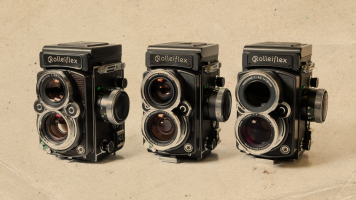
It's not every day that a piece of photography history passes through B&H. Sure, every camera and lens carries a little bit of the past with it, from a DSLR made in 2015 to an old rangefinder from the 50s. History lives in the images they've captured and the hands they've been passed through. That said, there are some cameras and lenses that stand out among the rest. Especially when they come bearing the serial numbers 0000001, 0000002, and 0000003.