Search results for: photography buying guide best mirrorless cameras
About 156 filtered results
by Todd Vorenkamp · Posted
Solar eclipses are awesome spectacles of nature that are irresistible to photographers. Besides eclipses, the star at the center of our solar system is an amazing photographic subject—even when it is not being partially or totally blocked by the moon. If you want to photograph a solar eclipse, or just photograph the source of our fragile planet’s warmth and light, you need a solar filter for your
by Mathew Malwitz · Posted
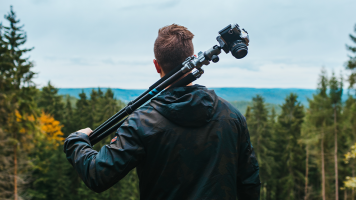
As complementary as peanut butter is to jelly, the camera and tripod are an age-old pairing that still manages to maintain relevance and unmatched functionality in a world dominated by image stabilization and Photoshop tricks. While the form and function of a tripod is far simpler to understand than the scrolling menus of today’s feature-packed cameras, it can still be a chore to choose the right setup for your needs from among a sea of manufacturers and seemingly comparable models.
Now, what’s the big deal with tripods? Most photographers
by Mathew Malwitz · Posted
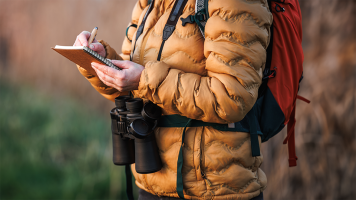
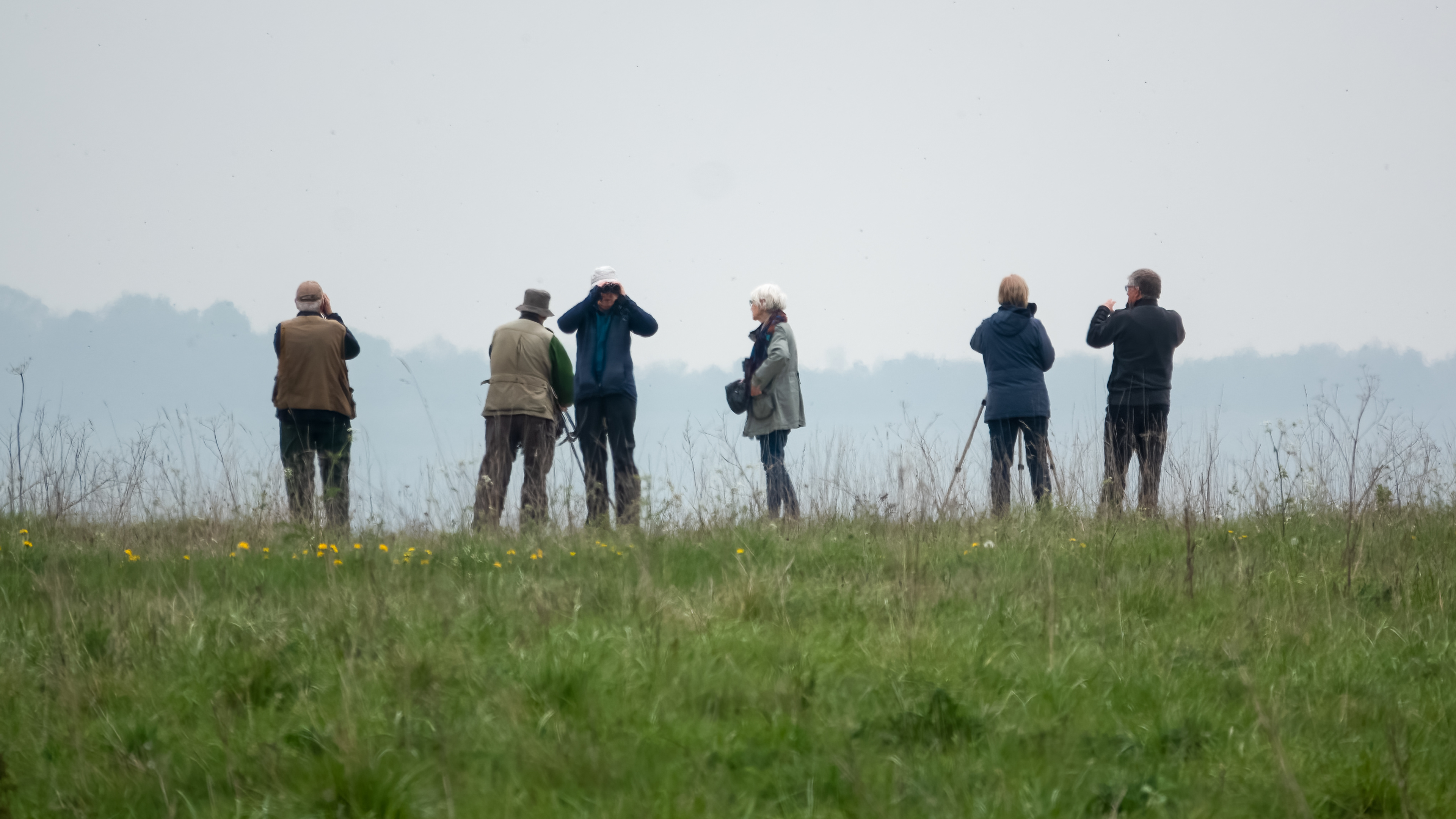
Bird-watching, known colloquially as birding, has quickly become one of the most popular past times for nature enthusiasts of all ages. In this fast-paced digital world we find ourselves in, getting outside and winding down to the sounds and sights of birds is quite therapeutic.
Every hobby has its fair share of essential gear,
by Mathew Malwitz · Posted
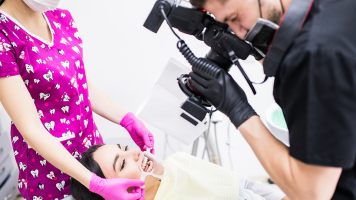
Dental photography is a unique genre of photography that requires a specialized set of tools to deliver the clarity, brightness, and color accuracy dentists rely upon to accurately record their patients’ progress.
In this guide, we’re going to cover the essential tools dental professionals need to capture the best quality images of their work, from the camera itself to the lighting tools required to accurately capture the color and detail of those pearly whites.
The Camera
Of course, one could use almost any camera, so long as it produces

by Mathew Malwitz · Posted
Choosing our first point-and-shoot camera can be a daunting task. There are so many cameras on the market, and at various price points. Do we need the most expensive model? Do we need the one with the longest zoom range? There’s a lot to consider, and a lot of options on the market, but which is right for us? Set tech specs aside and focus on the basics.
When choosing a compact camera, we must first consider what we’re photographing. That might sound obvious, but we can often be blinded by the size of a camera, a singular feature, or even the

by Mathew Malwitz · Posted
The new school year is nearly upon us, which means it’s time to start stocking up on necessary gear and supplies. For film and photo students, that means finding the camera and gear that’s right for you.
Generally, schools require a DSLR or mirrorless camera with detachable lenses and full manual controls. Far from the smartphone or point-and-shoot pocket camera many of us are used to. To help you get the perfect tool, we’ve put together a list of some of our favorite cameras broken down into four categories:
Best Overall Cameras
Best Mid

by Mathew Malwitz · Posted
Bird watching and photography seem to go hand in hand. While there are some who prefer to enjoy the sights free of distraction, there are others who like to record their findings to share with others. To do that, we need a camera and picking one can be overwhelming. Many opt for the tried-and-true bridge camera, but these are limited in the quality they can deliver.
For

by Mathew Malwitz · Posted
You don’t have to go far to capture fun and engaging images of wildlife. In fact, you may not have to go anywhere at all. A carefully landscaped yard and the right tools can attract an impressive variety of animal life to observe and photograph. Pair that with a little patience and soon you’ll be capturing stunning images from the comfort of your own home.
Attracting Birds
Birds are part of nearly every environment, from the densest cities to rural areas. While they are common, we’ll need to offer three essentials—water, shelter, and food—to
by Mathew Malwitz · Posted
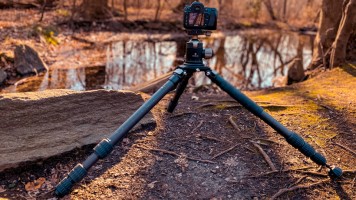
Love them or hate them, tripods are an essential piece of the photography puzzle. They allow us to capture images that would otherwise be impossible to create, whether it be due to low light or long exposures where keeping our camera motionless is essential. Even in bright daylight, tripods aid us in producing sharper images, all while freeing our hands to do other tasks.
Choosing a tripod is a highly personal choice, and there are many considerations we should take

by Mathew Malwitz · Posted
The travel tripod conundrum is a cruel reality of physics and practicality. The larger and heavier a tripod is, the steadier it will hold a camera. The larger and heavier a tripod is, the less likely you will ever want to carry it around or take it on a trip. Why are we left with a photographic reality like that which makes the tastiest food bad for you?
Tripods come in all shapes, weights, heights, and styles. If you are new to the world

by Mathew Malwitz · Posted
When it comes to choosing the right camera, there’s often a gap between the small, pocketable point-and-shoot cameras and larger mirrorless ones. While interchangeable lens mirrorless cameras have much to offer, their higher price points and larger form factor often make them unfeasible for the average photo enthusiast. It often leads to the question of how a photographer can bridge that gap.
Enter the aptly named

by Bjorn Petersen · Posted
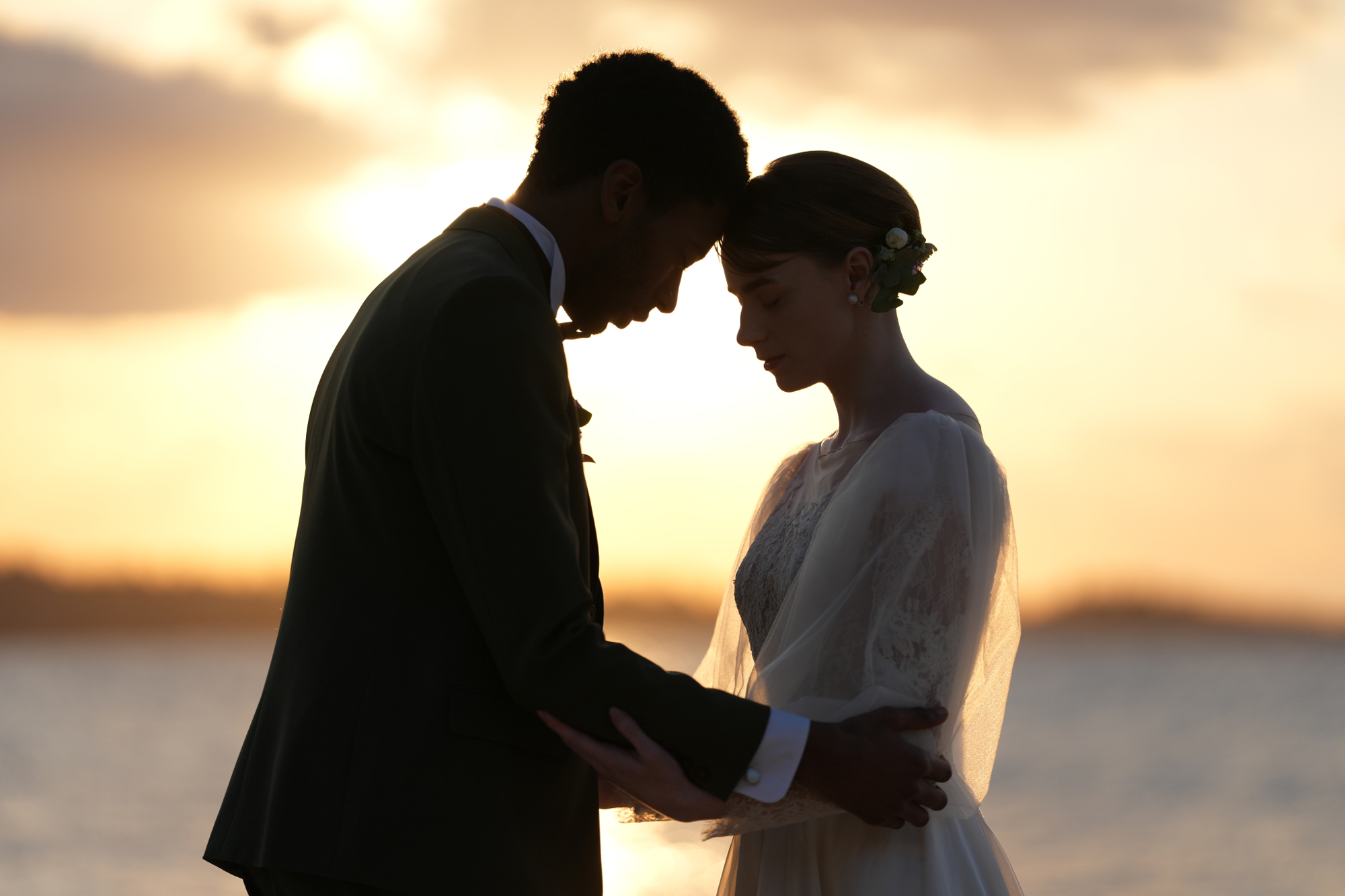
In a world where photographers are being asked to capture video and filmmakers need to shoot photos, having one tool that can do both is a major asset—especially in the world of wedding photography where it’s often the same team putting together both the photographs and the video. For this type of scenario, Sony’s latest camera solutions offer some of the best options for hybrid shooting.
Here are some of the best

by Shawn C. Steiner · Posted
Wedding season is upon us and whether you’re a first-time wedding photographer or an experienced pro, you’re likely debating which lenses you should keep or add to your daily kit. Sony makes deciding even tougher with an incredible variety of glass offerings for their E-mount mirrorless system.
Don’t worry though, we’re here to help with our picks for the best Sony lenses for wedding photography.
The New f/2 Zooms: FE 28-70mm f/2 GM and FE 50-150mm f/2 GM
Released in late 2024 and early 2025 respectively, the

by Mathew Malwitz · Posted
Today, we're going to learn about practical applications of other, less common lenses for street photography such as portrait lenses, ultra wide-angle landscape lenses, and special effect glass like mirror lenses and beyond. These are by no means the only unconventional lenses out there, but these should get your gears turning and inspire you to start experimenting.
Portrait Lenses
Portrait lenses are known for their unparalleled sharpness and eye-catching, subject isolating qualities. This is thanks to their simple design, top-of-the-line

by Mathew Malwitz · Posted
Mother’s Day and Father’s Day are right around the corner! Finding the right gifts can be a challenge, especially when it seems like they already have everything. Luckily, we’ve got the best gift ideas for the outdoorsy photographer parent in your life. Whether mom and dad are avid hikers, bird watchers, beachgoers, or polar bear guides in Svalbard, Norway, we’ve got you covered.
Camera
In a surprising twist, a camera is our first suggestion. One of the first things any outdoorsman should consider is a tool to record what they see so