Photography
- Recently Added
- Popularity
- Name
About 1282 filtered results
by Steven Esposito · Posted
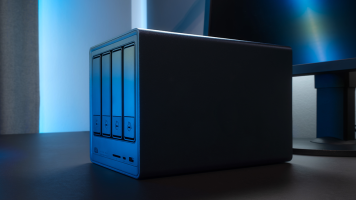
Storage is not just getting expensive, it’s hard to come by. One minute the drives are available and the next they are all gone. It can be quite frustrating due to this demand. It makes perfect sense why folks are looking for ways to ensure their current storage lasts longer than ever before. This can be a challenge because, in many cases, storage is used constantly. But, luckily for you, I have a few tips that can help you make the most of what you have now and find new ways to prolong your current storage solutions.
Warranty and Notices
The

Posted
A photo of the Milky Way can be breathtaking on its own, but you can make it more stunning by adding a foreground element to your photo. Sam travels to the American Southwest to share how you can include the landscape in your astrophotography. Explore the Four Corners as she teaches you how to location scout, compose your photos, and more.
It's World Space Week. World Space Week (WSW) is the largest annual space event on Earth, celebrated globally from October 4 to October 10 every year to honor the contributions of space science and

by Luke Rollins · Posted
By now, the film resurgence has eclipsed its charming underdog status to become a full-blown front in what has become an all-out, open revolt against the smartphone and its visual aesthetics. What distinguishes the “film look” from the digital—texture, material imperfections, color magic, and the analog halo of yesteryear—comes at a price tag as resurgent as the medium itself.
Despite the contradiction (or perhaps because of it), the pursuit of the film look in a digital format has become something of a cottage industry, with manufacturers,
by Mathew Malwitz · Posted
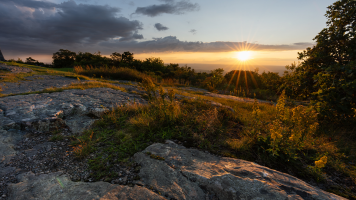
Taking photos has never been easier, whether you're using a smartphone, point-and-shoot, or mirrorless camera. It's a fact that no matter where we go, we almost always have some form of camera on hand, and while the opportunity for image making has changed, what hasn't changed is what makes a photo good.
The simple answer is photography composition, or the arrangement of elements in your frame. This concept can be confusing as all art subjective. That said, think of movies and music and how certain combinations of sounds and storytelling

Posted
Photographing an osprey diving for a fish is one of the most exciting challenges in bird photography. In this video, Matt heads into the field to share his approach to finding and photographing ospreys, from choosing the right position and camera settings to tracking a fast-moving bird through a dive.
00:00 - How to Photograph Osprey
00:44 - Where to Find Osprey
01:14 - Photographing Osprey Responsibly
02:09 - Positioning Yourself for the Shot
03:05 - -Capturing an Osprey Catching a Fish
04:00 - Best Camera Settings for Osprey
05:03 - How to

Posted
Ever wonder what waveform, false color, zebras, or focus peaking actually do? In this video, Sidney breaks down the camera monitoring and assist tools that can help you get more accurate exposure, nail focus, and properly frame your shots while filming.
00:00 - What Are Camera Monitoring Tools?
00:16 - Understanding IRE 00:39 Histogram
01:17 - Waveform
02:26 - Zebra Patterns
03:14 - False Color
03:46 - Focus Magnification
04:09 - Focus Peaking
04:42 - Frame Guides & Aspect Ratios
05:12 - Final Thoughts

by Mathew Malwitz · Posted
The days of the large, dedicated photography studio being the norm are numbered, with many professionals preferring alternatives or using smaller spaces within their homes. This opens a Pandora’s box of tripping hazards and cramped conditions as light and background stands sit sprawled across the floor. These stands aren’t designed for these spaces, nor are they advantageous for more permanent fixtures.
At B&H, we understand the struggles of making do with small spaces, and while we’ve expanded over the years, we know that’s not
by Luke Rollins · Posted
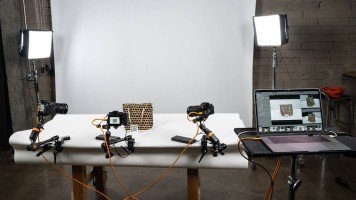
At its most basic, tethered shooting involves connecting your camera, wired or wirelessly, to your computer as you shoot. You’ve likely seen it in some behind-the-scenes video for a professional studio shoot, or you just have a friend who swears it’s the best thing since sliced bread. Tethering is a shooting technique that can benefit many a photographer’s workflow significantly, though upon first hearing of it, the idea of tethering can be something that first requires a bit of education. Hopefully, this introduction will help get you started
by Mathew Malwitz · Posted
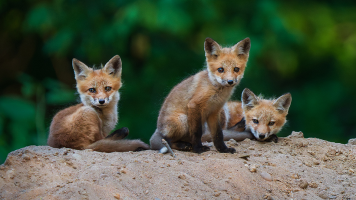
Wildlife photography is one of the most therapeutic and rewarding genres of photography and it’s also one of the most popular. There’s just something so special about being able to witness the magic, and with new camera tech, wildlife photography is easier than ever. That said, the thrill of the shot can overshadow good decision-making, leading to unethical practices. But what are ethical practices?
Take nothing but photographs, leave nothing but footprints—an adage well-known by nature enthusiasts of all levels, but not all that practical.

by Luke Rollins · Posted
Canon has announced the second generation of its entry-level full frame mirrorless camera, the R8 Mark II. Having spent some time with the camera, we can speak to some of its most apt use cases: portraits, landscapes, street photography, and video.
Canon R8 Mark II

by Mathew Malwitz · Posted
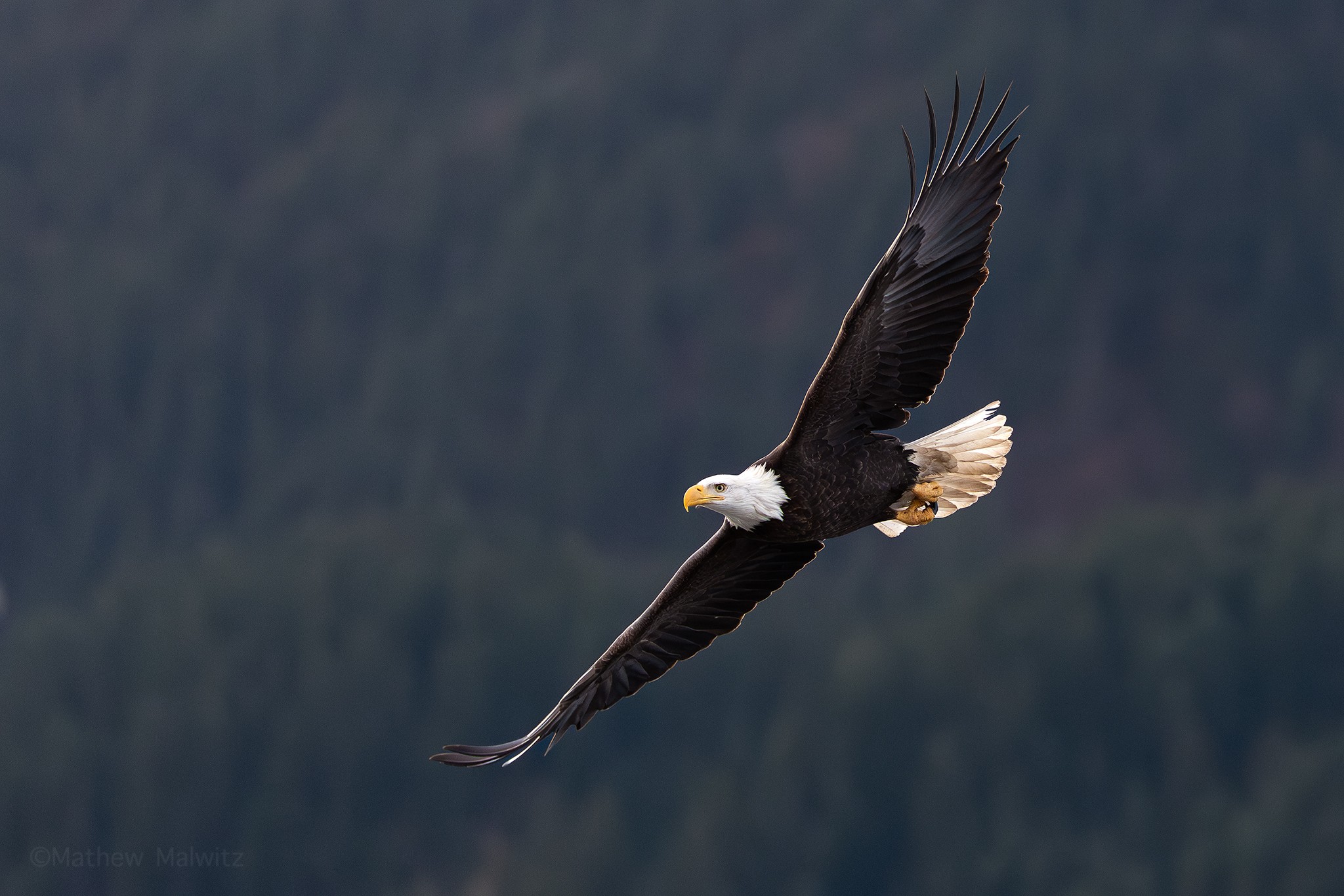
The bald eagle, one of the most regal birds of prey, has a secret. It’s notably one of the most difficult subjects to expose for. If we trust the camera in an automatic mode, we’re likely to get either an overly bright head, or a body that’s too dark in shadow to see. The only reliable way to capture good exposures of these birds is to expose to the right.
Mathew Malwitz
This technique is as useful as it is controversial,

Posted
Celebrity portrait photographer Brian Smith shares the lessons he's learned over the past 30 years. He shares his favorite portraits and the stories behind them, along with some tips on how he got the shot.
0:00 - Intro
1:55 - Making a connection with your subject
4:32 - Capturing faces
8:05 - Photographing the X-Factor finalist
10:28 - Camera settings
14:21 - Lenses
29:42 - Getting the better image from big mistakes
42:36 - Storytelling & eye catching
51:07 - Show don't tell - On location
1:03:22 - When clients want to work with you

by Luke Rollins · Posted
IN THIS ARTICLE
1. (Don’t Fear) the Gear2. Good Dental Photography Is Good Photography3. Macro Discipline, Portrait Mindset4. Embrace the Flash5. Clinical, but with an Eye for Marketing
For dentists, the evidentiary benefits of a photographic practice go beyond meeting industry standards. They can be the foundation for professional development and the growth of your business. That said,

Photography is all about light, and the light we capture with our cameras is known as an exposure. What goes into making an exposure, you may ask? And what constitutes a good or proper exposure? We’ve got you covered. We’ve put together the ultimate guide to teach you the basics, from the three pillars of exposure to how we can manipulate it to achieve our artistic vision.

Posted
When you're getting started in portrait photography, it can be tempting to buy the most expensive gear in order to improve your photos. But what if we told you that all you need is one 100W light? Enter Westcott's FJ100 100Ws Off-Camera Strobe and FJ100 M 100Ws Speedlight. Join Juan as he uses these lights on their own and together.
0:00 - Intro
0:27 - One Strobe Light Setup
3:23 - One Speedlight Setup
4:11 - Minimal Headshot Setup
5:55 - What's the Verdict?
Sponsored by