
Thanks to the ongoing film revival, B&H currently sells more than 200 unique 35mm film stocks. That's an astonishing number of choices, from major manufacturers like Kodak, Ilford, and Fujifilm, to smaller suppliers like Foma, Rollei, Agfa, Lomography, Kentmere, and Arista.
Obviously, we can't include comprehensive info and hands-on impressions for the scores of films currently available, but we will recommend some black-and white, color negative, and color transparency based on how they suit various shooting scenarios.
A quick note: assessing a film's "rendition' or "look' is always somewhat subjective, so if you've found a film that works for you in any specific application, stick with it. This list will be focusing on the 35mm format, but many of the films discussed are available in 120mm and 220mm roll-film sizes as well.
Snapshots, Travel, and Nighttime Flash
An everyday type of film wants flexibility above all: something suitable for the range of scenes you might encounter both in your daily routine or on a far-flung vacation.
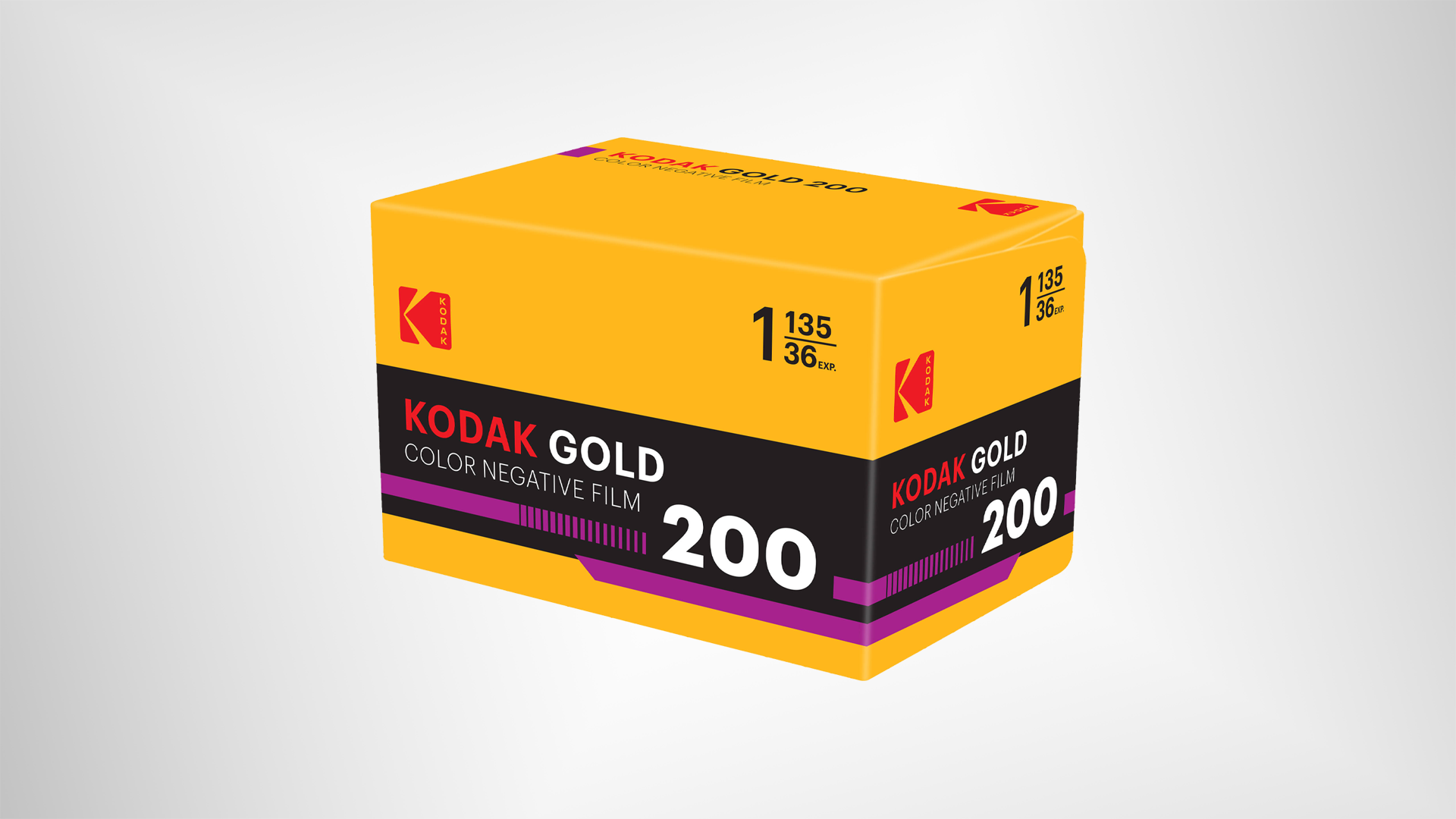
Kodak Eastman GOLD 200 is a useful—and affordable—starting point for shooting in good daylight. Its saturated color and fine grain suit casual travel and family photography, and in the right hands its vintage snapshot character becomes a deliberate creative choice. While the daylight-balanced, ISO 200 film works comfortably outdoors, a slow lens or deep shade can make shutter shake a limiting factor.
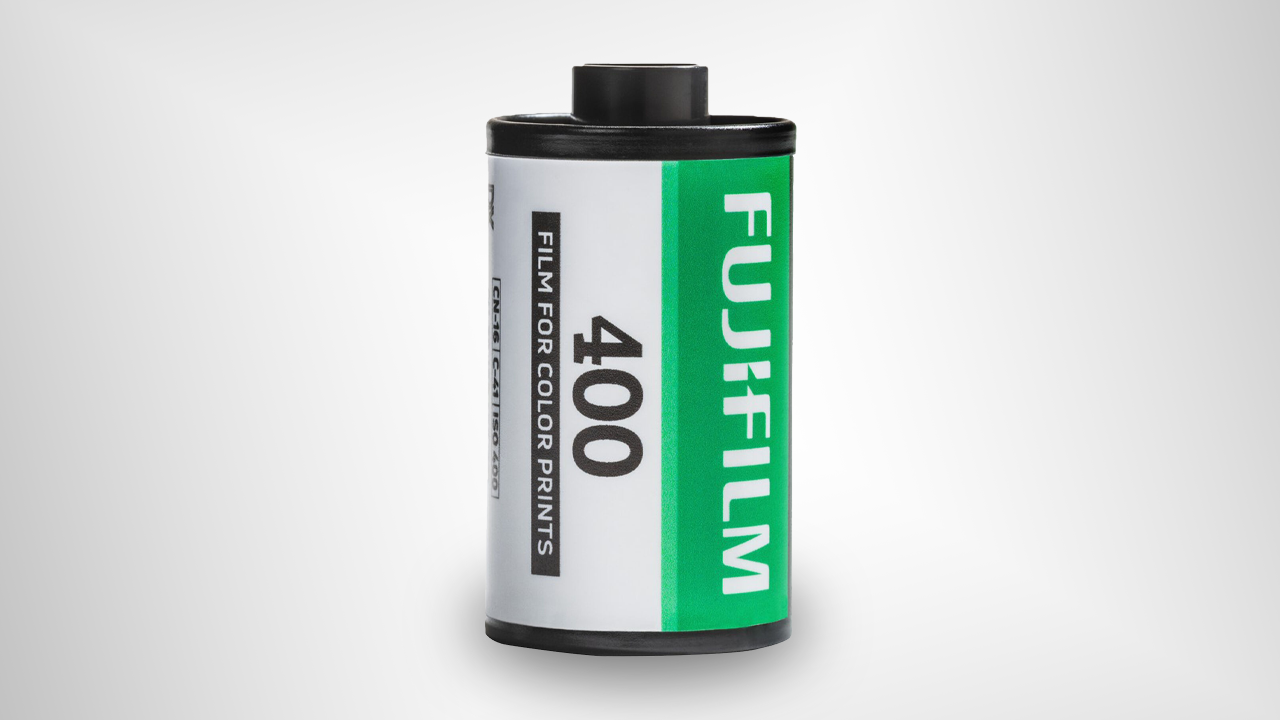
Kodak Eastman UltraMax 400 and FUJIFILM 400 Color Negative Film are solid alternatives for when a day is less predictable. The ISO 400 ratings offer users an extra stop of light, allowing the use of a faster shutter at the same aperture or a smaller aperture at the same shutter speed. This comes in handy for compact camera shooters, where the zoom lens admits less light at its longer settings.
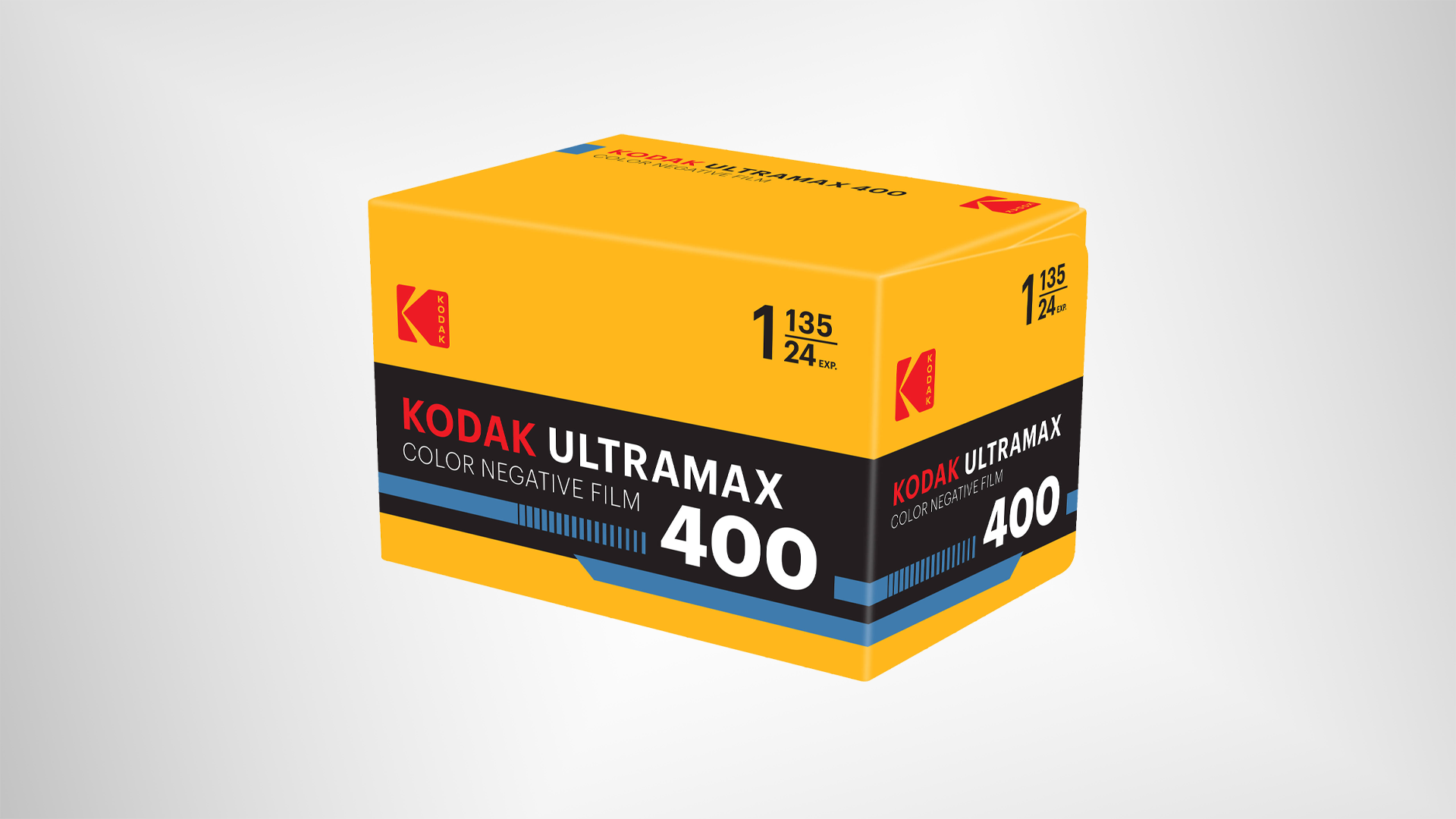
Kodak UltraMax emphasizes vivid, primary colors with a bit of grain and verve, while the FUJIFILM 400 emphasizes both practicality and flexibility.
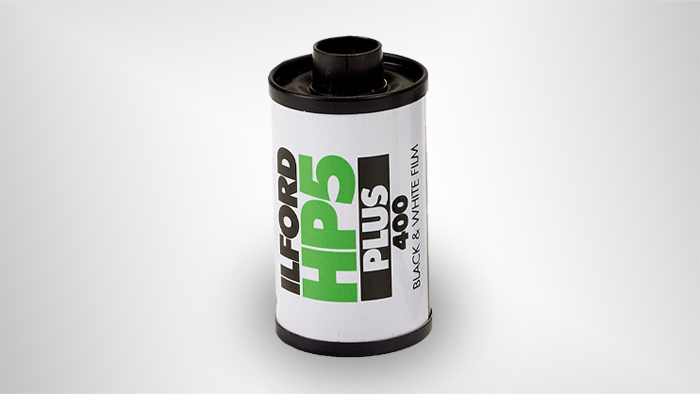
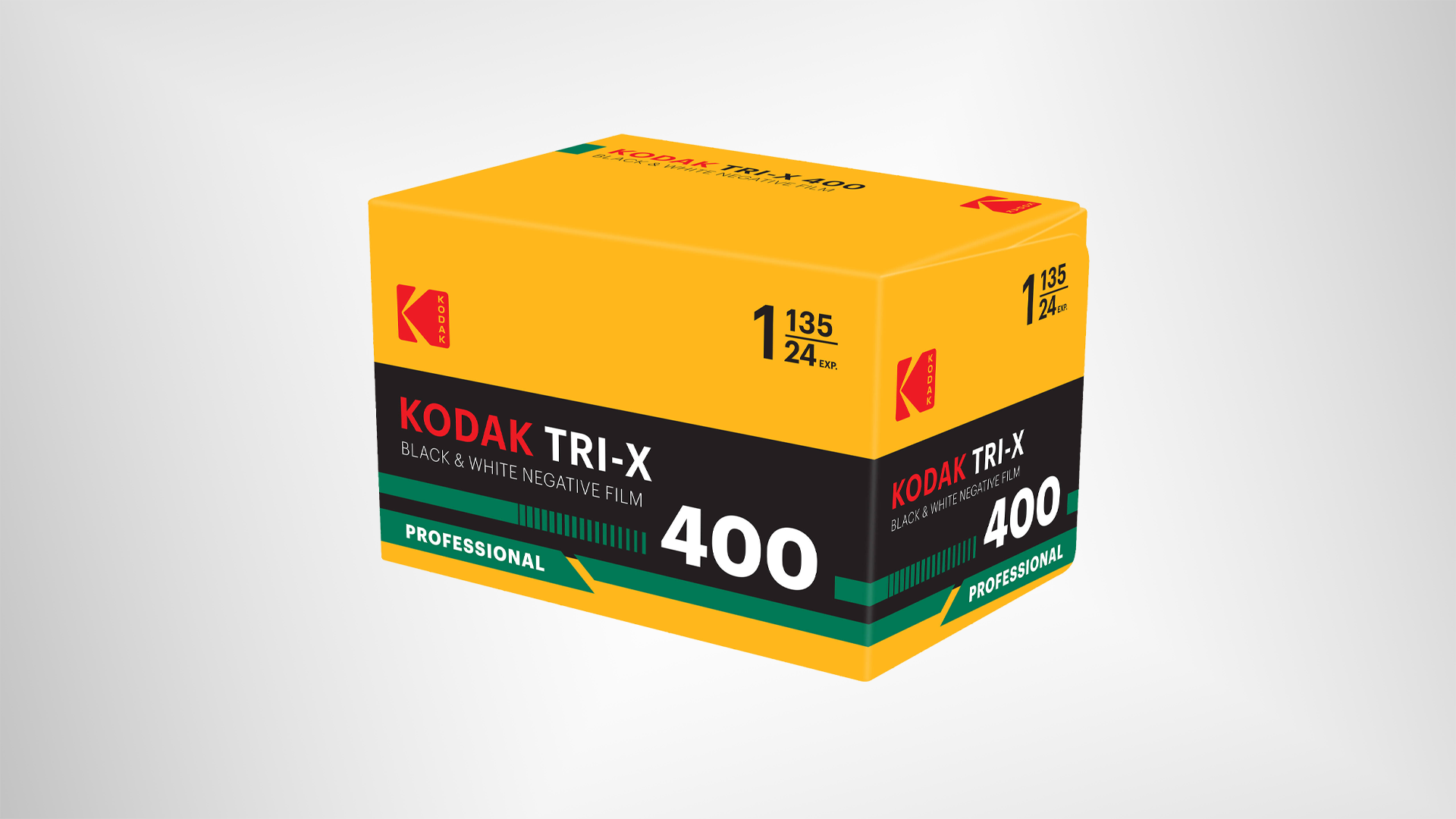
Ilford HP5 Plus and Kodak Professional Tri-X 400 are two well-known and versatile starting points for everyday black-and-white photography. Both offer ISO 400 speed and a traditional silver-based negative, but whereas HP5 Plus is a medium-contrast film with broad exposure latitude, Tri-X is a punchy choice for photographers who want to leverage the stock's contrast and visible grain as a flourish of documentary grit.
If you're shooting a compact film camera, you'll probably wind up using flash after sundown. Both Kodak UltraMax 400 or FUJIFILM 400 double here as sensible color starting points for direct-flash snapshots, while HP5 Plus and Tri-X fill the same role in black and white. ISO 400 gives a small flash more light latitude than ISO 200 would at the same aperture and flash output. Kodak specifically identifies extended flash range as an UltraMax advantage, but GOLD 200 can still work if your subjects are close enough and the flash supplies sufficient light.
Street Photography
Street photography rewards speed, and speed rewards preparation. The camera that's ready before the moment is the camera that best succeeds in the moment. For street photography, that often means zone focus, a smaller aperture with a larger depth of field around your chosen distance, and a higher shutter speed. And all that means more light.
Compared with the everyday ISO 400, ISO 800 provides one additional stop of exposure flexibility. If the light calls for 1/250 second at f/8 with ISO 400, ISO 800 allows 1/500 second at f/8 or 1/250 second at f/11. This is particularly useful when you move between sun and shade or want to keep working later in the day. It also has a ceiling: bright sunlight can force small apertures or risk overexposure on a camera with a modest maximum shutter speed.
For color street photography, Ektacolor Pro 800 (formerly known as Portra 800) combines genuine ISO 800 speed with a people-friendly, skin-tone flattering, pastel color palette, making it a useful option for scenes that include faces, movement, and changing light. As a street film, the stock is practical as well as aesthetic, supporting the shutter speeds and apertures that make a quick response easier and can render evening and interior illumination.
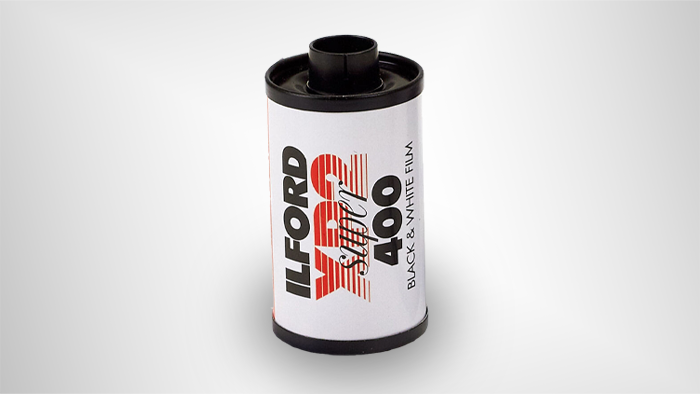
For black-and-white shooters, Ilford XP2 Super offers a different route to that street-effective exposure setting. While a naturally ISO 400 chromogenic black-and-white film, Ilford explicitly supports rating it up to 800 with standard C-41 development. That means you can set the meter to ISO 800, expose accordingly, and request normal C-41 processing—not push processing.
In fact, Ilford permits a range of 50–800 working ISO with the same processing, so you can alter the rating for different conditions on one roll. While the results are not identical throughout that range (more exposure generally produces finer grain and shooting 800 trades some quality for exposure flexibility), this broad exposure latitude makes XP2 a practical and flexible option for wild variety of the street.
Nighttime and Available Light
Flash is fun and pop and effective, but it can be a vibe killer. Sometimes, the right shape and amount of light for the picture is what's already there in the scene, even if it's not very much. If this matters to you, then film speed becomes the largest priority.
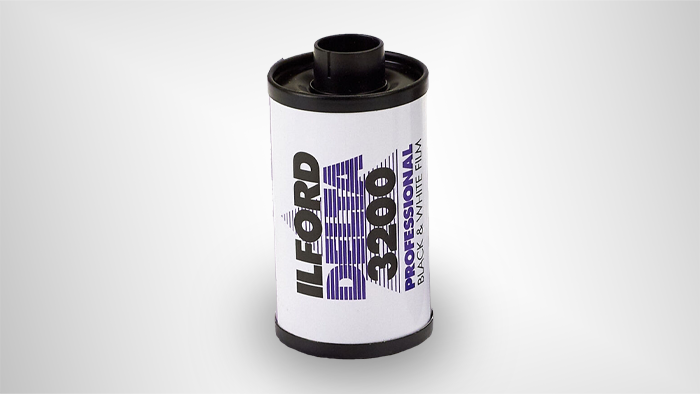
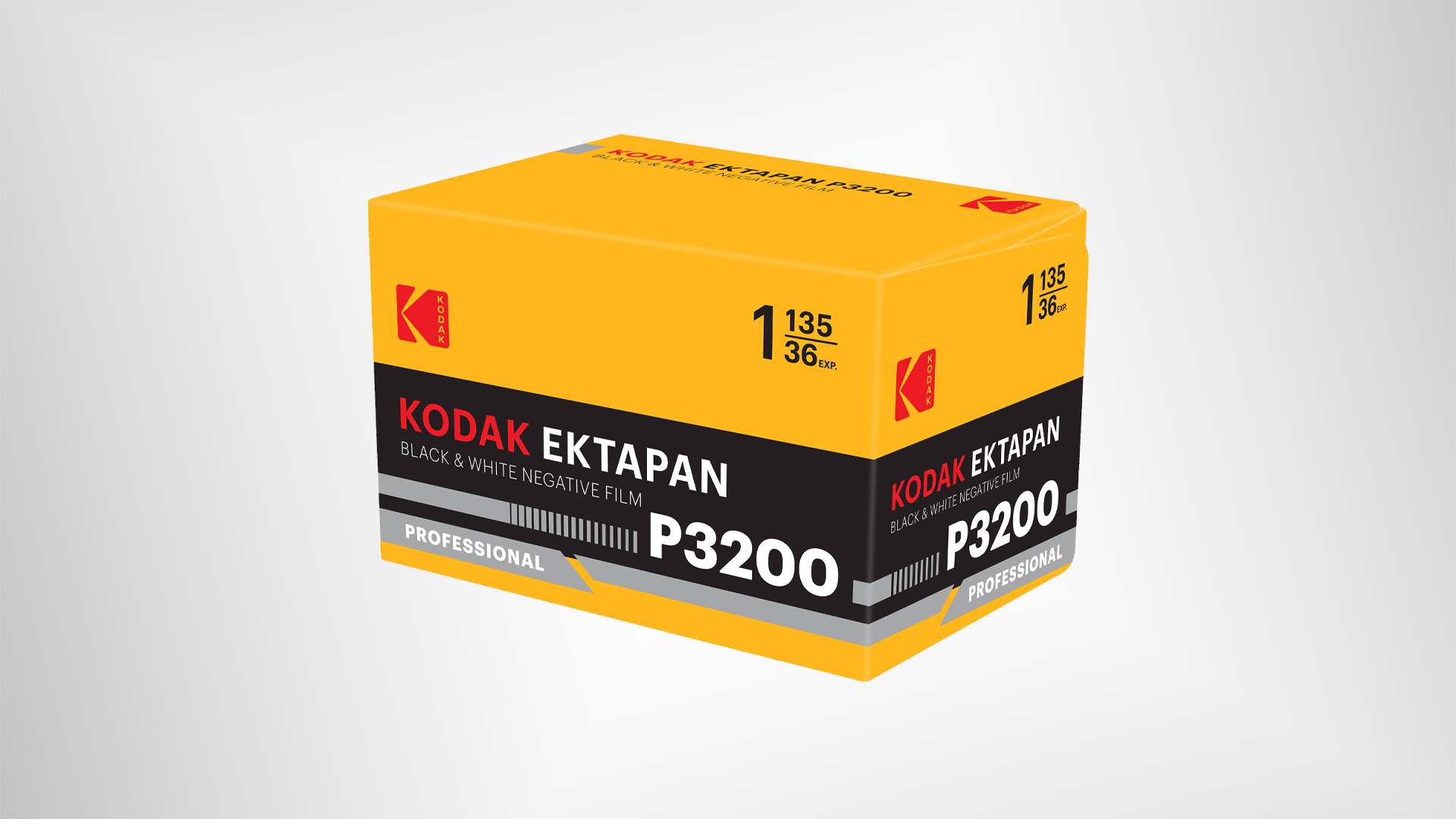
The classic black-and-white strategy boils down to two films from the big manufacturers: Ilford Delta 3200 Professional and Kodak Ektapan P3200 (formerly T-Max). Both are strong starting points for handheld work in limited light. They're very grainy, but if that's amenable to you, you're gaining three extra stops of exposure over the classic ISO 400 profile.
The ISO 3200 designation needs a brief explanation. These films are designed for high exposure-index use with commensurate development, a designation that should not be read as a straightforward measured ISO 3200 sensitivity. If you're bringing your film to a lab, be sure to tell them how you shot it so that they know how to develop it.
The high ISO films are ideal for handheld images, but for static night scenes shot with a tripod, a slower film may still be the better choice. Long exposures bring their own considerations, of course, but slower films are better suited for fine, high-detail images.
For color, you can keep shooting your Ektacolor Pro 800 from the street by widening the aperture and slowing down the shutter. Like we said earlier, its speed makes it a practical choice for illuminated streets, interiors, and evening portraits when enough light remains for handheld shutter speeds. It can also help balance flash with ambient light.
Ektacolor Pro 800 is daylight-balanced, so lights of different color temperatures will introduce warm and cool casts, while bright lights and other mixed sources can further introduce different color pools within the same frame. These competing realms of light can create a compelling atmosphere, one of the primary reasons people seek to shoot with available light after sundown.
Portraits
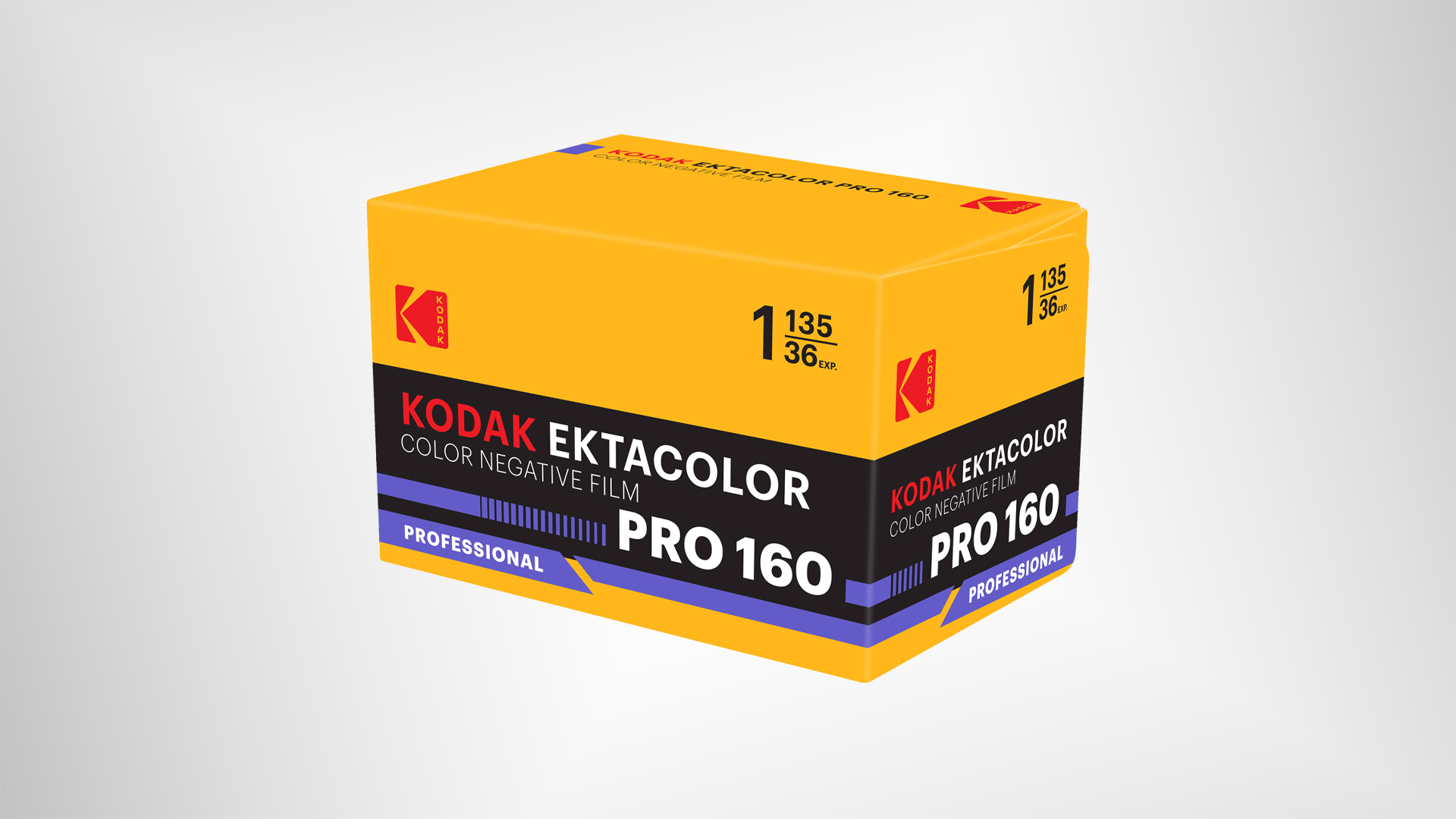
Slower films become easier to use when you can control exposure variables like location, amount and shape of light, and subject movement. Kodak Ektacolor Pro 160 and Ilford FP4 Plus are candidates for this more deliberate approach, where skin rendition, fine grain, and tonal transitions matter more than speed.
Ektacolor Pro 160 suits portraits in plentiful daylight or controlled lighting, with fine grain and natural skin reproduction. It shines best when you want the face and lighting to lead the image, and its lower speed makes wider apertures easier to use in bright light than they would be with an 800-speed stock.
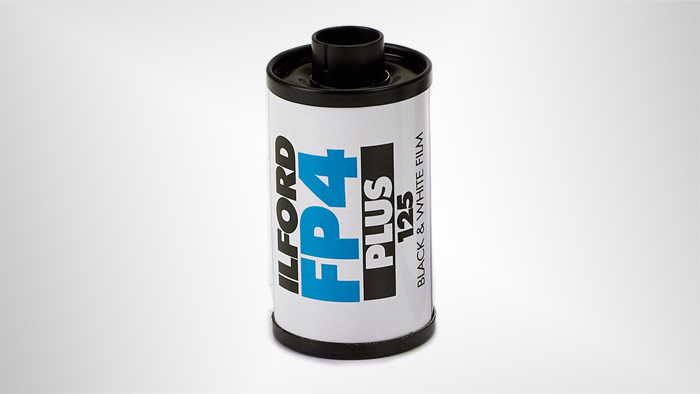
For black-and-white portrait photography, Ilford FP4 Plus is an ISO 125 film with fine grain, medium contrast, and high sharpness. Those characteristics make it a useful portrait option for controlled light or a cooperative outdoor setting. It can render fine details like hair, fabric, and facial features without succumbing to graininess, while still offering photographers tonal control instead of softness.
Fine Detail Work
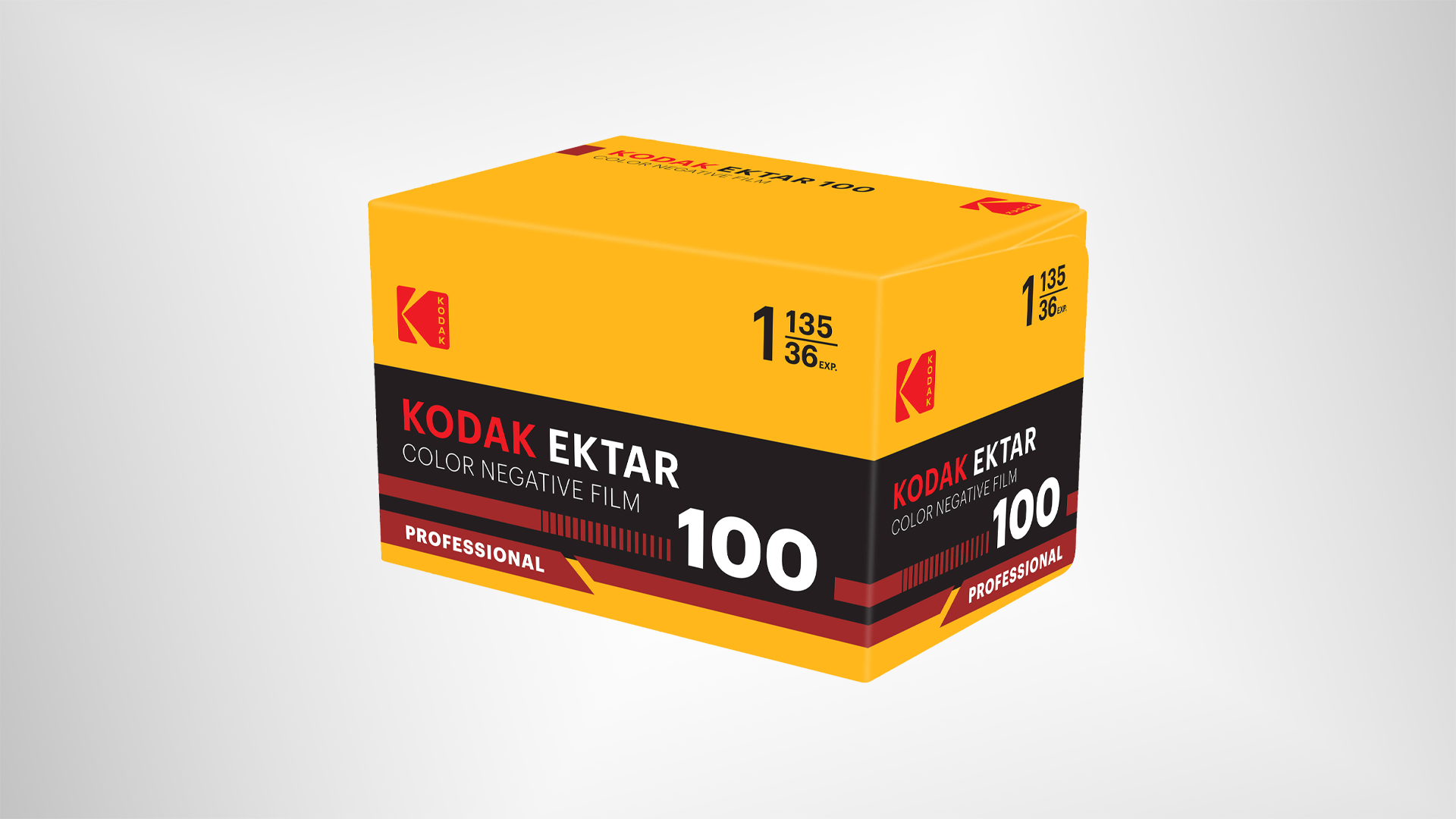
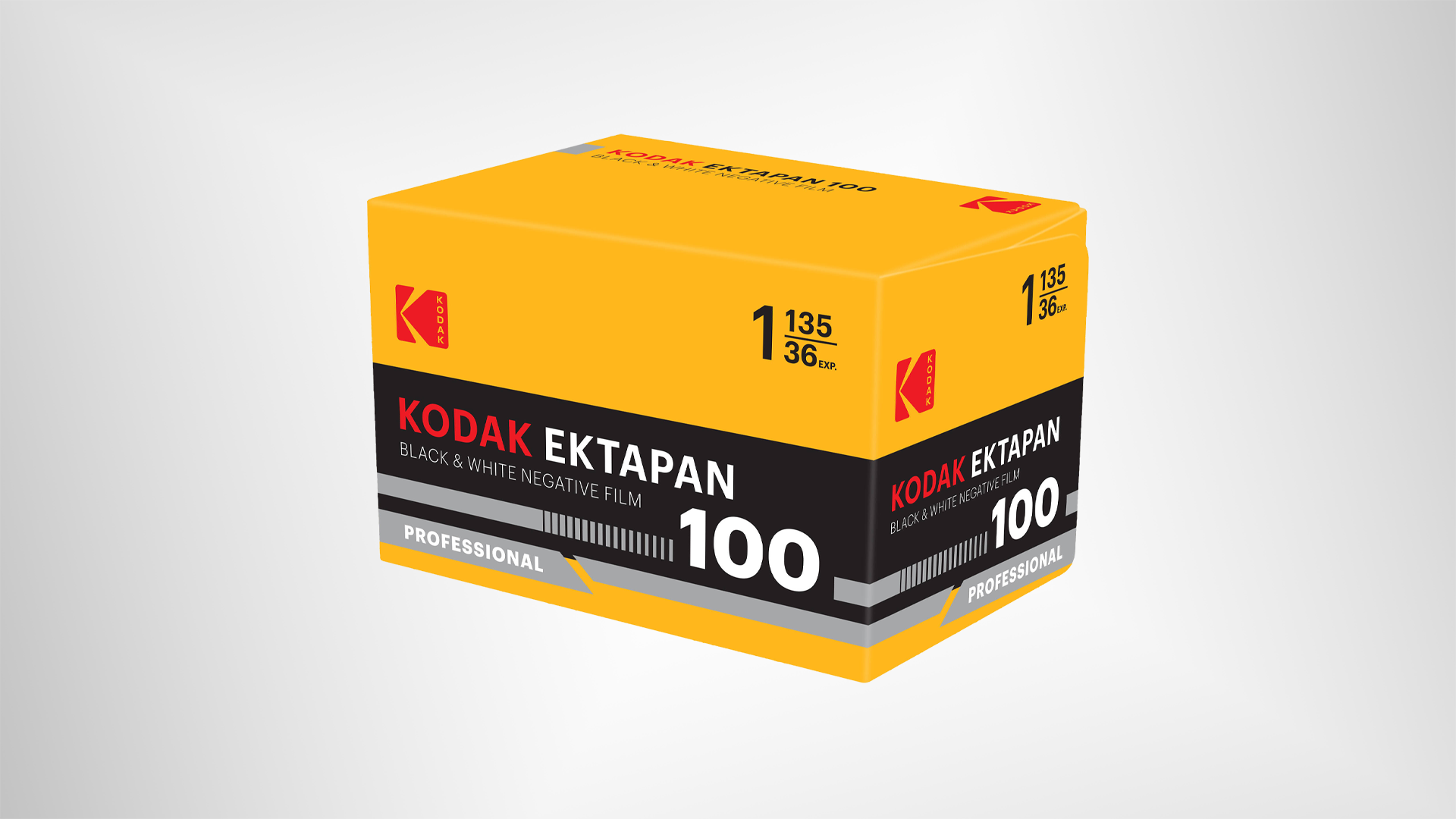
For other deliberate exposures like landscapes, architecture, products, and carefully arranged still lifes, a film chosen for fine grain and sharp detail offers tremendous value. Kodak Eastman Professional Ektar 100 is the color option here, while Kodak Ektapan 100 (formerly T-Max) is the black-and-white counterpart. Both ask you to provide sufficient light or accept the support and slower pace that ISO 100 may require.
Ektar combines very fine grain with strong saturation and sharpness. It is well suited to subjects whose color is part of their appeal, from painted surfaces to foliage and outdoor scenes. Its saturated rendering is a reason to choose it deliberately, especially when comparing it with the portrait-oriented Ektacolor Pro options. When used in portrait photography, Ektar can bring a lurid, sensational quality to the resulting images.
Ektapan 100 provides a fine-grained, high-detail black-and-white option for readers who want texture and tonal distinctions without pronounced grain. It's also excellent for copying black-and-white photos, making black-and-white copies of color slides, and photomicrography.
Slide Films
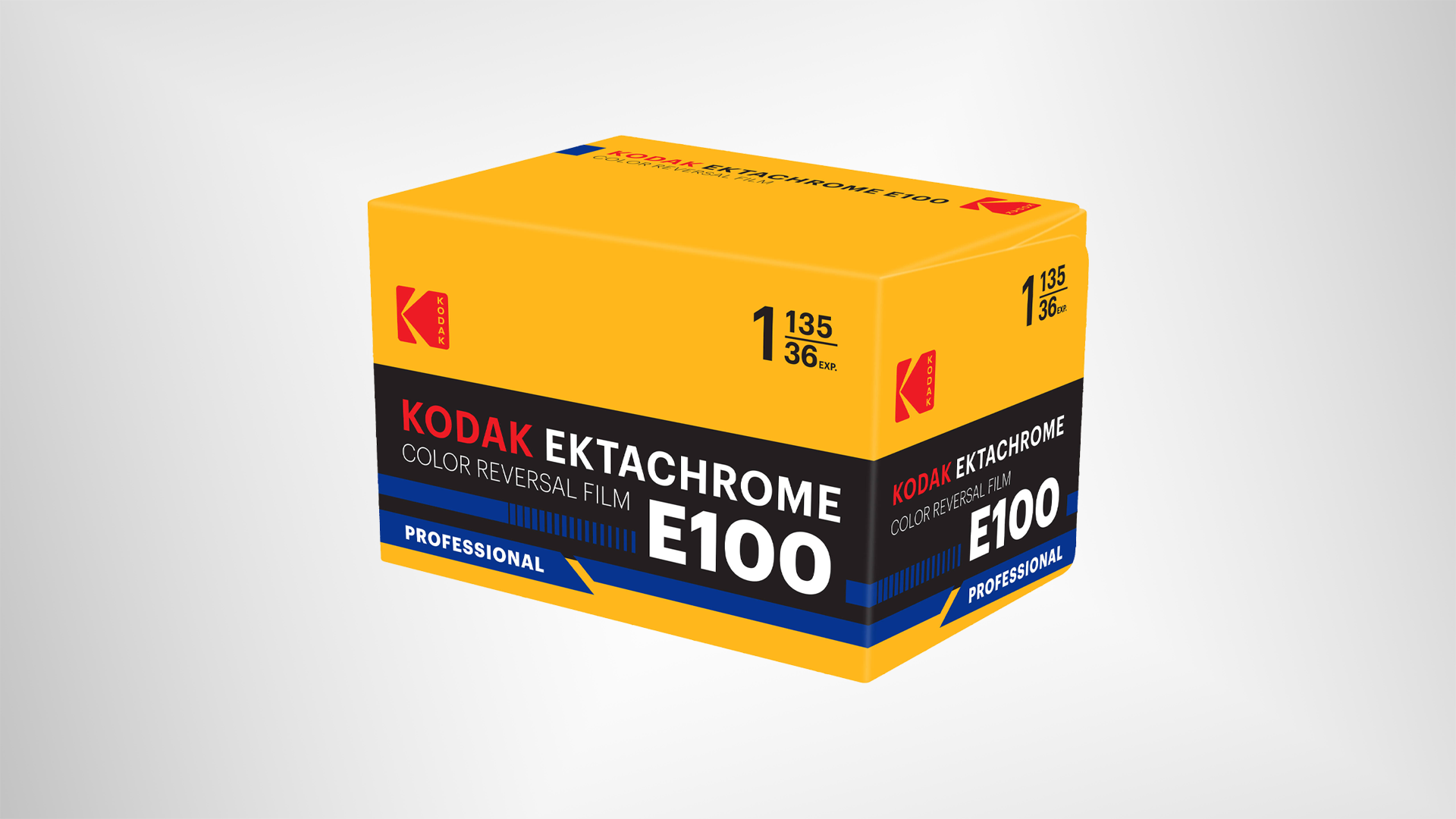
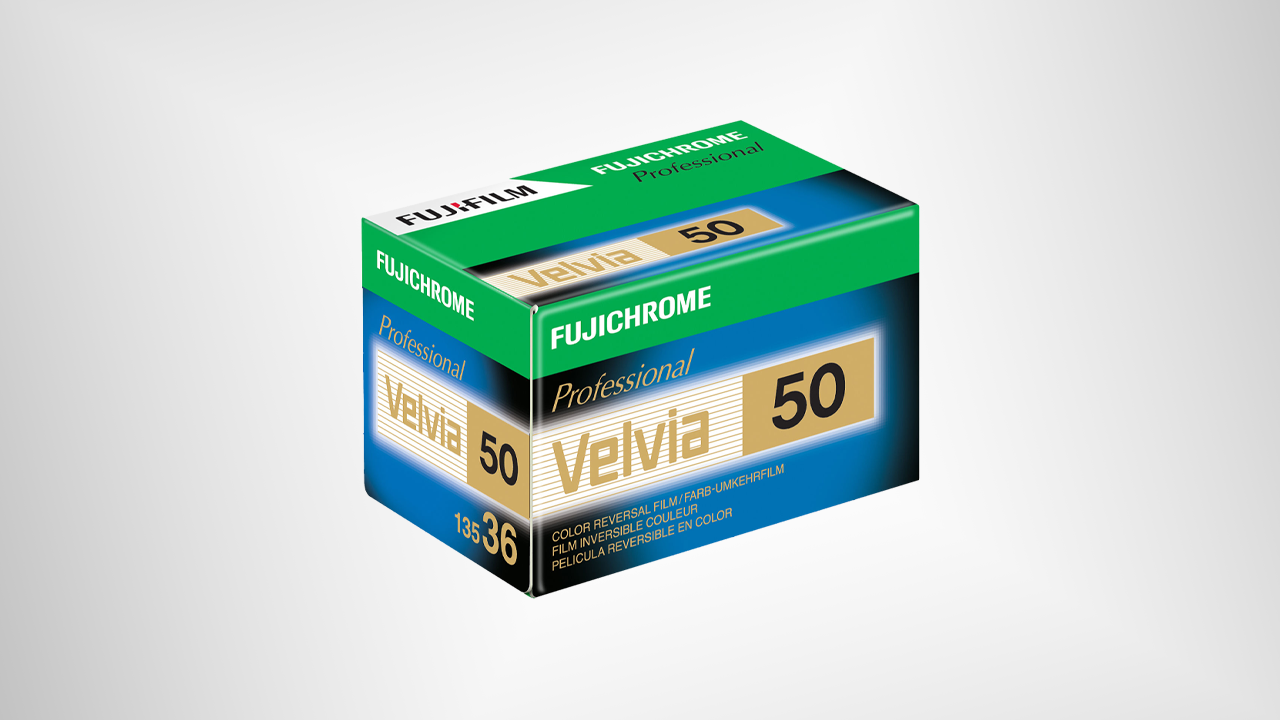
Slide, or transparency, film offers a unique final object: a positive image you can examine on a light table or project onto a screen. If a luminous final object is part of what draws you to film, then Kodak Professional Ektachrome E100, Fujichrome Velvia 50 Professional RVP, and Fujichrome Provia 100F Professional RDP-III offer distinct starting points. These films use the specific E-6 development process, and their narrower exposure latitude calls for greater care than color negative film.
Ektachrome E100 is the starting point for a relatively neutral palette and controlled contrast. It's also the most forgiving of the three here, even if its latitude remains below that of color negative films.
Velvia 50 is the more emphatic choice for vivid color with strong saturation and contrast. The perennial darling of landscape photographers, it delivers ultra-fine grain and crisp rendition of fine details to match its color reproduction.
Provia 100F offers a versatile alternative for readers who want rich color with a more restrained rendering than Velvia. The stock's "vivid but faithful" reproduction captures brilliant primary colors and delicate pastels with commendable accuracy, adding excellent tonal gradation for an all-around natural look to the images.
Learning What Works for You
While this article is more concerned with "tried-and-true" 35mm films, other manufacturers are producing rolls that carry a more pronounced "vibe" at the expense of detail and color accuracy—and that could very well be the character you're after. Explore the full range of B&H's 35mm film options to find your signature film stock.
