Search results for: photography tips solutions wildlife photography post processing
About 12 filtered results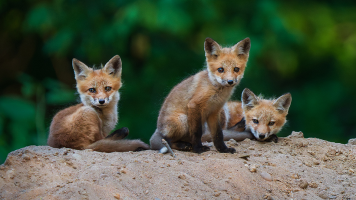
by Mathew Malwitz · Posted
Wildlife photography is one of the most therapeutic and rewarding genres of photography and it’s also one of the most popular. There’s just something so special about being able to witness the magic, and with new camera tech, wildlife photography is easier than ever. That said, the thrill of the shot can overshadow good decision-making, leading to unethical practices. But what are ethical practices?
Take nothing but photographs, leave nothing but footprints—an adage well-known by nature enthusiasts of all levels, but not all that practical.
by Mathew Malwitz · Posted
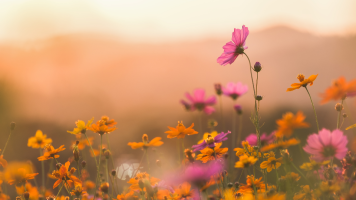
If there’s one question fledgling photographers often ask, it’s “How did you get such a nice background?” Backgrounds are an essential element of a photograph that are often neglected. In fact, it’s safe to say that a background is as important to a composition as the subject itself. After all, a distracting one will detract from an image.
In this guide, we’re going to cover the many methods used to capture clean, smooth backgrounds in our images. This will encompass the settings and gear involved as well as the in-the-field techniques you can
by Mathew Malwitz · Posted
Through the cacophony of forest sounds, your ears home in on a buzzy, almost garbled ascending song. Perhaps you recognize it immediately, or maybe you need to confer with one of the trusty internet databases or apps. You train your eyes on the canopy, scanning for movement of any kind, when you see it: the cerulean warbler, a small rowdy songbird with wings slightly splayed from the body. Quickly, you lower your binoculars and train your camera on the little blue passerine before snapping a few frames.
The resulting photos clearly show the

by Mathew Malwitz · Posted
There’s an old adage that claims in order to be a wildlife photographer, you need a lot of time and a lot of money. This is only partly true. Many great wildlife photo opportunities can occur in urban parks and even in your own backyard, as long as we know what we’re doing. In this article, we’re going to cover a number of essential tips that will help you become a better wildlife photographer.
If you’ve read our introduction

by Mathew Malwitz · Posted
Do you plan your images? Really think about that question. Do you have an idea of an image before you head out for a shoot, or do you let the moment inspire you as the pieces fall into place? There's no wrong answer here. Planning or "pre-visualization" is a key piece of the photography puzzle that some put a lot of thought and effort into while others effortlessly come up with ideas on the fly.
No matter how you go about taking a picture, there is some level of planning that goes into a shot. With that said, there's a big difference between

by Mathew Malwitz · Posted
Are you interested in the wide and wonderful world of photography? Well, you’ve certainly come to the right place! Check out this short checklist of a dozen items, designed to get you started in digital or film photography and headed in the right direction.
1. Inspiration
The first thing you need is a bit of inspiration. This may seem obvious, and odds are, if you’re reading this, you’ve already checked that box. Consider what exactly you’re interested in photographing, as this will help you make more informed decisions when purchasing gear

by Allan Weitz · Posted
For the longest time, comparing image quality between point-and-shoot cameras and full-frame cameras, or even APS-C format cameras, was a conversation you could have start to finish during the course of an elevator ride. Point-and-shoot cameras were convenient, but the detail and dynamic range of their smaller sensors never measured up to the detail and dynamic range you get from larger sensors. And then one day Sony introduced a new 1" format CMOS sensor, and BOOM! People started having second thoughts about slinging heavy camera bags over

Posted
Some photography ideas can be a bit complicated, but often the most effective solutions are the most simple. Russell Graves breaks down nature photography to its simplest form in this B&H Event Space video, teaching you some easy hacks for upping your photo game.
0:00 – Introduction
2:47 - About Graves
5:40 - Learning Photography
10:54 - Beginner Advice
20:40 - Calibrate Your Camera's Display and Other Advice
25:58 - Making a Silhouette with Bad Lighting: Post-Processing
32:06 - Using the Camera's Articulating Screen for Low Angles
35:51

Posted
Nikon Ambassador Kristi Odom is in the field to teach you how to compose striking wildlife photographs, how to choose your camera settings, and how to be creative in your wildlife photography. Using the Nikon Z9, she photographs wolves, buffalo, and other species of wildlife.
On what kind of wildlife adventure do you want to go?
Sponsored by Nikon
More videos in

Posted
When it comes to photographing wildlife, prior research is necessary to stay safe, stay ethical, and create the best image. Nikon Ambassador Kristi Odom discusses the logical steps of her process for conservation and ethical wildlife photography, such as understanding animal behavior, finding wildlife to photograph, and maintaining proper distance. On this particular trip, Odom was photographing wolves, buffalo, bison and sheep with the Nikon Z9.

by David Brommer · Posted
Imagine traveling with a small camera kit that weighs less than 5 pounds and produces photographs worthy of a National Geographic photographer. Imagine being able to shoot all day, walk to the top of the mountain, and not have an aching back? Then imagine returning home and all the post-processing work is done and your images are ready to be printed or posted to your blog. How about traveling with just one rolling suitcase and a small camera bag while avoiding checking-in luggage? In short, carry-on luggage rocks! Checking bags is time

by Mirjam Evers · Posted
I am a founding member of Photo Quest Adventures, an international travel company specializing in deluxe photography workshops and unique cultural experiences around the globe. Here are my Top Ten favorite photo destinations.
Cuba
Cuba is known for its gorgeous Spanish colonial architecture, white-sand beaches, hand-rolled cigars, vintage cars, and out-of-this-world mojitos. When American travel to Cuba was
