Search results for: photography tips solutions macro photography tips techniques
About 23 filtered results
by Luke Rollins · Posted
IN THIS ARTICLE
1. (Don’t Fear) the Gear2. Good Dental Photography Is Good Photography3. Macro Discipline, Portrait Mindset4. Embrace the Flash5. Clinical, but with an Eye for Marketing
For dentists, the evidentiary benefits of a photographic practice go beyond meeting industry standards. They can be the foundation for professional development and the growth of your business. That said,
by Luke Rollins · Posted
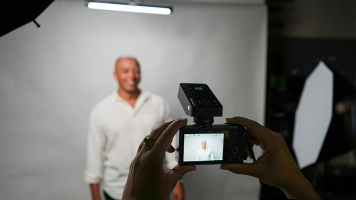
At first glance, studio photography and the compact camera may seem strange bedfellows. The type of work associated with the studio—still life, product photography, portraiture, macro photography—usually wants cameras with larger sensors and interchangeable lenses, especially in professional applications. Compact, point-and-shoot cameras, for their part, have their natural home in everyday, travel, nightlife, and street applications, where their discretion and size become virtues.
It might seem almost cruel to introduce the compact to the

by Luke Rollins · Posted
Achieving a standard of production value is an essential component of establishing a brand and growing a following. For part-time, burgeoning, and mid-level creators, it can feel like bridging that gap is less a matter of learned skill and more about the equipment you can afford.
In most cases, the problem isn’t budget at all. Acquiring the specific know-how can give your content professional sheen with little to no financial outlay.
Lighting design is arguably the most immediately visible production component—and the one most capable of

by Luke Rollins · Posted
The wealth of B&H is not measured in sales, but in the accumulated knowledge of its people. The breadth of such experience is impossible to quantify, let alone price, which is why we’re offering this batch of wedding photography advice completely free of charge.
Andrea Buritica, Sales Associate – Chat & Email
Burikitak Photography
One of the best parts about working at B&H is that I get to talk about gear all day. However, it’s doing wedding

by Mathew Malwitz · Posted
Despite what you might have seen on the internet, you don’t need all the money and time in the world to photograph wildlife. Sure, an African safari would be nice, but it is by no means the only way to capture stunning images of wild animals. In fact, regardless of where you live, odds are there’s a vast ecosystem that likely goes unnoticed. If you have trees in your neighborhood, you’re off to a great start.
What You Need to Photograph Wildlife
While gear plays a crucial role in our ability to photograph wildlife, it isn’t everything. In this

by Mathew Malwitz · Posted
Are you interested in the wide and wonderful world of photography? Well, you’ve certainly come to the right place! Check out this short checklist of a dozen items, designed to get you started in digital or film photography and headed in the right direction.
1. Inspiration
The first thing you need is a bit of inspiration. This may seem obvious, and odds are, if you’re reading this, you’ve already checked that box. Consider what exactly you’re interested in photographing, as this will help you make more informed decisions when purchasing gear

by Tim Ireland · Posted
Macro photography allows photographers to explore the intricate details of subjects at a 1:1 or greater magnification ratio. However, capturing sharp, stable, and well-lit macro shots can be challenging, due to factors like camera shake, focusing difficulties, and lighting issues. This comprehensive guide will delve into the support systems and related tools that can enhance your macro photography experience, addressing specific challenges that may arise.
Stabilization Tools
Studio Stands: Studio stands are large, stable support systems

by Robert Sansivero · Posted
If you’re just getting started with food photography, you probably have some questions. I certainly did. There are countless ways to set up a beautiful shot of a meal or enticing ingredient. Where to start?
This three-part series will focus on how to light food for photographs. We’ll start with natural light since it is the most abundant and affordable light source. Many successful food photographers create stunning images using only natural light. Next, we will consider continuous lights, ranging from incandescent bulbs at home to tunable

by Bjorn Petersen · Posted
One of the most picturesque subjects of the year, fall foliage offers a chance for photographers to show off their landscape shooting chops and revel in some of the most distinct and pleasing colors nature has to offer. Marking the change of season from summer to autumn, and indicating colder temperatures to come, this brief period, where leaves change from green to rust, is worth celebrating, viewing, and photographing.
Above photograph: Taken with Sony FE 85mm f/1.8 Lens
Photographing fall foliage and autumn landscapes doesn't

by Todd Vorenkamp · Posted
Welcome to Part 3 of our journey into the world of Intentional Camera Movement (ICM) photography. In this final chapter of the 3-part series of articles, we voyage back into the mental aspects of creating ICM art, as well as take in some tips for some of the more common ICM subjects and finish with inspirational words from some of the masters of the craft.
Above image © Morag Paterson
Approach
Because ICM eschews many of the lessons we have tried so hard to learn in photography over the years, the approach and process are very

by Todd Vorenkamp · Posted
Welcome to the world of Intentional Camera Movement (ICM) photography—a fascinating and beautiful world where the camera and the photographer’s movements combine to become a mechanical paintbrush—transforming photographic capture into something completely unique and otherwise invisible to the naked eye. In a photographic world generally obsessed with image sharpness, there are photographic artists amongst us who give little thought to everything we’ve ever been taught about photography to create spectacular images by intentionally moving their

Posted
Professional photographers Brett Wells and Derek Fahsbender critique macro photos, from flowers to insects. Their advice will give you inspiration on how to improve your macro photography.
Which of these photos sparked your interest? Share your comments on them, below.
Click here to watch Part 1 on gear and techniques.

Posted
Photographer and Sigma technology representative Brett Wells helps you take your macro photography to new dimensions, demonstrating his at-home setup, macro lenses, other accessories, and a great deal more.
Share your takeaways from this presentation in the Comments, below.
Click here to watch Brett Wells' critique in Part 2!
Sponsored by Sigma

by Todd Vorenkamp · Posted
Specular out-of-focus highlights have appeared in photographs since the first photos were taken through lenses. In 1997, Photo Techniques magazine introduced the word “bokeh” to the photography world’s vernacular and the out-of-focus areas of photographs have been scrutinized ever since. Before the term, there was certainly discussion about the aesthetics of the out-of-focus specular highlights of a photograph, but until 1997, there wasn’t a good word in the English language to describe the phenomenon. Credit goes to Mike Johnston, article

by Todd Vorenkamp · Posted
Texture is one of those multi-sensory things that we can feel with our sense of touch and “feel” visually with our eyes. Because texture transcends the senses, we must account for it when we create photographs. Sometimes the goal is to accentuate a specific texture. Sometimes we wish to “smooth” the texture visually. How you light your subject has a lot to do with how you reveal, or hide, texture.
Photographs ©Todd Vorenkamp