Search results for: photography tips solutions rule thirds other compositional techniques
About 7 filtered results
by Mathew Malwitz · Posted
For a generally creative outlet, photography has a lot of rules. Many of these so-called “rules” are simply techniques that can be implemented as needed. They are meant to help you create visually engaging images, and there are none so practical as the rule of thirds and golden ratio.
One of the oldest rules in art is the golden ratio, also known as the golden spiral. This ratio is an irrational number that is approximately equal to 1.618, better known as phi.

by Mathew Malwitz · Posted
Taking photos has never been easier, whether you're using a smartphone, point-and-shoot, or mirrorless camera. It's a fact that no matter where we go, we almost always have some form of camera on hand, and while the opportunity for image making has changed, what hasn't changed is what makes a photo good.
The simple answer is photography composition, or the arrangement of elements in your frame. This concept can be confusing as all art subjective. That said, think of movies and music and how certain combinations of sounds and storytelling
by Mathew Malwitz · Posted
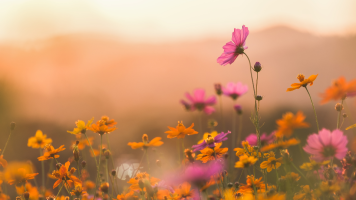
If there’s one question fledgling photographers often ask, it’s “How did you get such a nice background?” Backgrounds are an essential element of a photograph that are often neglected. In fact, it’s safe to say that a background is as important to a composition as the subject itself. After all, a distracting one will detract from an image.
In this guide, we’re going to cover the many methods used to capture clean, smooth backgrounds in our images. This will encompass the settings and gear involved as well as the in-the-field techniques you can

by Mathew Malwitz · Posted
Composition in photography refers to the way in which we arrange visual elements in an image. It's how we position the subject in the frame and how all elements combine to create a visually appealing photograph.
All photographs © Mathew Malwitz
Expensive cameras and long lenses can only get us so far. It's not the gear that makes the photo, but the photographer. A creative and observant eye is the key to making visually pleasing photographs. These skills can be learned, and with practice, you'll be well on your way to creating strong

by Mathew Malwitz · Posted
These days, everyone has a camera right in their pocket. Smartphones have long been the go-to camera for quick photos of our friends, family, pets, and of course, ourselves. With features like portrait mode, users can simulate blurry backgrounds and isolate their subject for more eye-catching images. What else could you ever need? What if I told you that with the

by M. Brett Smith · Posted
Portrait photography, or portraiture, remains one of the most popular genres of photography today—and for good reason. Portraits are compelling; they are evocative. Portraits tell a story; they elicit an emotion. Shot correctly, a portrait can reveal the true essence of a person, who they are and what they feel. According to Godard, portraiture is tantamount to capturing the soul. About what other medium or form of expression could you say such a thing?
As with most genres of photography, portraiture is not beholden to any one specific

by Todd Vorenkamp · Posted
Tunnel View in Yosemite National Park is one of the most scenic overlooks on the entire planet. Because of its sheer beauty, it is difficult to walk away from it with a bad photograph. (I have always said that it is easier to make a beautiful photograph of something that is already beautiful than it is to make a beautiful photograph of something that is not beautiful.) And, almost every camera-armed tourist who drives out the end of the Wawona Tunnel on State Highway 41 comes away with a very similar photograph—similar to the one that Ansel