Ask Our Experts800-606-6969
Hello, Log InAccount & Orders
USB Audio Interfaces
512 Items

Filter by:
Sort by:
View:
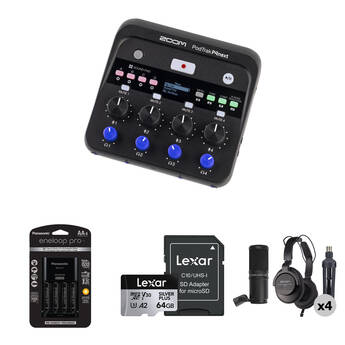
Zoom PodTrak P4next Portable Multitrack Podcast Recorder with 4-Person Podcast Kit
BH # ZOP4NEXT4PK
Key Features
- Four XLR Inputs with +70 dB Gain
- 4 ZDM-1 Dynamic Mics, 4 Windscreens
- 4 Headphones, 4 Stands, and 4 XLR Cables
- 4 AA Batteries + Charger, microSDXC
Available in other Styles, Configurations & Kits
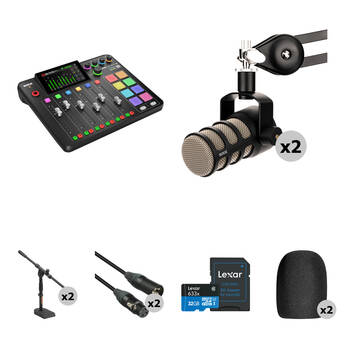
RODE RODECaster Pro II 2-Person Podcasting Kit with PodMics, and Desktop Stands
BH # RORCSTRPRO22
Key Features
- For 2 Podcasters/Streamers
- RODECaster Pro II Podcast Studio
- 2 PodMic Podcasting Mics
- 2 Desktop Stands, 2 XLR Mic Cables
Available in other Styles, Configurations & Kits
RME Fireface UCX II 40-Channel USB-B Audio/MIDI Interface
BH # RMFFUCXII MFR # FF UCX II
Key Features
- Musicians, Content Creators & Engineers
- AC Powered / Mac, Windows
- 2 Mic/Line In, 2 Line/Hi-Z In, 4 Line In
- 1 Headphone Out, 6 TRS Line Out
Available in other Styles, Configurations & Kits
Audio-Technica ATR2x-USB 3.5mm to USB 2.0 Type-C Audio Adapter
BH # AUATR2XUSB MFR # ATR2X-USB
Key Features
- 16-Bit, 44.1/48 kHz Sample Rate
- 3.5mm Headphone Out & Mic-In Jacks
- Includes USB Type-C to Type-A Adapter
- Windows, Mac, iOS & Android Compatible
Available in other Styles, Configurations & Kits
RODE AI-1 USB-C Audio Interface
BH # ROAI1 MFR # AI1 USB AUDIO INTERFACE
Key Features
- Musicians, Podcasters
- Bus Powered / Mac, Windows
- 1 Mic / Hi-Z Preamp
- 1 Headphone Out, 2 Line Out
Audient EVO 4 USB-C Audio Interface
BH # AUEVO4 MFR # EVO4
Key Features
- Musicians, Podcasters, Producers
- Bus Powered / Mac, Windows, iOS
- 2 XLR-1/4" Mic/Line In, 1/4" Hi-Z Input
- 1 Headphone Output, 2 Line Outs
Available in other Styles, Configurations & Kits
Solid State Logic SSL 1 2x2 USB-C Audio Interface
BH # SO729708X2 MFR # 729708X2
Key Features
- Portable and Recording Friendly
- Mac/PC + iOS Compatiblity
- Next-Gen 192 kHz / 32-Bit Converters
- Exceptional Audio Performance
Solid State Logic SSL 2 MKII USB-C Audio Interface
BH # SOSSL2MKII MFR # 729706X2
Key Features
- Producers, Podcasters, Musicians
- Bus Powered, Mac/Windows
- 2 XLR Mic Preamps, 2 1/4" Line / Hi-Z In
- 2 Headphone Out, 2 1/4" Line Out
Available in other Styles, Configurations & Kits
iConnectivity PlayAUDIO1U Dual USB-C Playback Audio/MIDI Interface
BH # ICPA1U MFR # PA1UPA1U
Key Features
- Failproof Live Playback Interface
- AC Powered, Mac/Windows
- 12 XLR Balanced Outs / Headphone Out
- 24-Bit / 96 kHz AD/DA Conversion
RME Digiface Dante 256-Channel Dante to MADI Audio Interface with USB
BH # RMDFACEDANTE MFR # DIGIFACE DANTE
Key Features
- 256 Channels: 128 In / 128 Out
- Up to 24-Bit / 192 kHz Digital Audio
- 4 x RJ45 Ethernet Ports for Dante
- 2 x BNC for MADI / Word Clock
MOTU M6 USB-C Audio/MIDI Interface
BH # MAM6 MFR # 3160
Key Features
- Musicians, Podcasters, and Producers
- AC and Bus Powered / Mac, Windows
- 4 Mic / Line / Hi-Z Preamps, 2 Line In
- 2 Headphone Out, 4 Line Out
Available in other Styles, Configurations & Kits
TASCAM Model 12 Integrated Production Suite Mixer/Recorder/USB Interface
BH # TAMODEL12 MFR # MODEL 12
Key Features
- MIDI I/O, Metronome, and Click Output
- 10 x Input Channels (8 Mic Preamps)
- 10 x Line Inputs (6 Mono + 2 Stereo)
- Single-Knob Compressor
Available in other Styles, Configurations & Kits
teenage engineering TX-6 Ultraportable Pro Mixer, Audio Interface, and Recorder (Black)
BH # TE028AS002BK MFR # TE028AS - 002
Key Features
- 6 Stereo Inputs and 2 Stereo Outputs
- Battery Powered: Up to 8 Hours of Use
- 8 Built-In Effects with Reverb and Delay
- Onboard Synthesizer and Sequencer
Available in other Styles, Configurations & Kits
RODE RODECaster Pro II 2-Person Podcasting Kit with SM7B Mics, Broadcast Arms, and Headphones
BH # RORCSTRPR2S2
Key Features
- For 2 Podcasters, Streamers
- RODECaster Pro II Podcast Studio
- 2 Shure SM7B Broadcasting Mics
- 2 Broadcast Arms with XLR Cables
Available in other Styles, Configurations & Kits
IK Multimedia iRig USB-C Guitar Interface
BH # IKPIRIGUSBIN MFR # IP-IRIG-USB-IN
Key Features
- Portable Guitar/Bass Audio Interface
- Bus Powered / Mac, Windows, iOS, Android
- 1/4" Hi-Z Guitar In
- 1/4" Amp Out / 3.5mm Headphones Out
M-Audio M-Track Duo HD USB-C Audio Interface
BH # MATRACKDUOHD MFR # MTRACKDUOHD
Key Features
- Musicians, Podcasters, Streamers
- Bus Powered, Mac/Windows/iOS/Android
- 2 Mic / Line / Instrument Preamps
- 1 Headphone Output, 2 Monitor Outs
Available in other Styles, Configurations & Kits
maono P1 USB Audio Interface
BH # MAP1 MFR # P1
Key Features
- For Audio Production, Recording
- For Podcast and Content Creation
- Durable Metal Chassis
- Auto-Gain up to 70 dB
Behringer UMC204HD 2x4 Desktop USB Audio Interface
BH # BEUMC204HD MFR # 0805-AAS86-001
Key Features
- For Home Studio Recording
- Up to 24-Bit / 192 kHz Sampling
- Two XLR-1/4" Combo Midas Input Jacks
- Selectable 48V Phantom Power
ESI GIGAPORT eX Desktop 8-Output USB Type-C Audio Interface
BH # ESGIGAPORTEX MFR # ESI-GPEX
Key Features
- DJs, Producers, and Mobile Mixers
- USB Type-C and Type-A Connectivity
- 8 Unbalanced RCA Line Outs
- 2 Independent 1/4" Headphone Outputs
Universal Audio Volt 2 USB-C Audio/MIDI Interface
BH # UNVOLT2 MFR # VOLT 2
Key Features
- Musicians, Singers, and Content Creators
- AC Powered / Mac, Windows, iOS
- 2 Vintage-Tone Mic / Line / Hi-Z Preamps
- 1 Headphone Out, 2 Line Outs
Available in other Styles, Configurations & Kits
Audient EVO 16 24x24 USB Audio Interface
BH # AUEVO16 MFR # EVO16
Key Features
- Musicians, Podcasters, Producers
- 8 EVO Mic Preamps
- 2 S/PDIF or 8-Channel ADAT I/O
- 2 Dedicated Headphone Outs, 8 Line Outs
Mackie DLZ Creator Adaptive Digital Mixer with Mix Agent Technology
BH # MADLZCREATOR MFR # DLZ CREATOR
Key Features
- For Podcasting and Streaming
- Easy, Enhanced, and Pro Control Modes
- Full NDI Integration
- Four Onyx80 Microphone Preamps
Universal Audio Apollo Twin X USB DUO Heritage Edition USB-C Audio Interface with UAD DSP (Windows Only)
BH # UNAPLTWXDUHE MFR # APLTWXDU-HE
Key Features
- Musicians, Producers, and Songwriters
- AC Powered, Windows Only
- 2 Mic/Line Unison Preamps, Hi-Z Input
- Headphone Out, 4 Line Out
Available in other Styles, Configurations & Kits
RME Babyface Pro FS 24-Channel USB-B Audio/MIDI Interface
BH # RMBABYFACEPF MFR # BABYFACE PRO FS
Key Features
- Singers, Songwriters, Producers
- Bus- or AC-Powered / Mac, Windows
- 2 Mic / Line / Hi-Z Preamps, 2 Line In
- 2 Headphone Outs, 2 Line Outs
Available in other Styles, Configurations & Kits
RME MADIface USB 128-Channel USB Interface for Mobile Computers
BH # RMMADIUSB MFR # MADI-USB
Key Features
- 64 I/O Record/Playback Channels
- 2 x MADI I/O (Optical and Coaxial)
- TotalMix FX Realtime Mixer
- No External Power Supply Required
Zoom AMS-22 USB-C Audio Interface
BH # ZOZAMS22 MFR # ZAMS22
Key Features
- For Solo Musicians and Performers
- AC and Bus Powered, Mac/Windows, Mobile
- Mic / Hi-Z Preamp and Stereo Line Inputs
- Headphone and Stereo Line Outputs
Arturia MiniFuse 1 Portable 1x2 USB Type-C Audio Interface (White)
BH # ARMINIFUSE1W MFR # 800111
Key Features
- Singers, Guitarists, Solo Podcasters
- USB Type-C Connectivity
- 1 Mic / Line / Instrument Preamp
- 1 Headphone Out, Stereo Monitor Out
Available in other Styles, Configurations & Kits
NearStream AMIX40U USB-C Audio Interface with Bluetooth
BH # NEAWAMIX40U MFR # AW-AMIX40U
Key Features
- For Podcasters, Musicians
- Bus-Powered, Mac/Windows/Smartphone, OTG
- 2 Mic/Line/Instrument Preamp, Aux In
- 2 Headphone Out, 2 Line Out, 3.5mm Out