USB Audio Interfaces

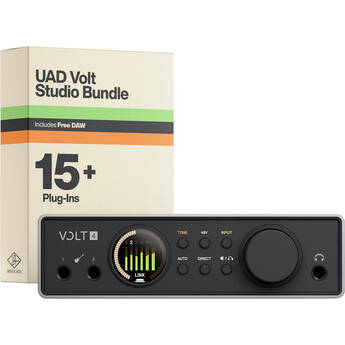
Universal Audio Volt 4 12x6 USB-C Audio Interface (Gen 2)
- Musicians, Singers, and Content Creators
- 60 dB of Gain & 3 Preamp Character Modes
- USB Powered, Mac/Windows, iOS
- 2 Mic/Line Combo Inputs, 2 Hi-Z Inputs
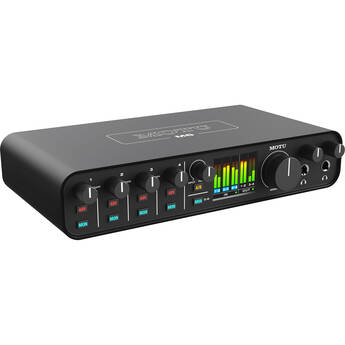
MOTU M6 USB-C Audio/MIDI Interface
- Musicians, Podcasters, and Producers
- AC and Bus Powered / Mac, Windows
- 4 Mic / Line / Hi-Z Preamps, 2 Line In
- 2 Headphone Out, 4 Line Out
RODE RODECaster Duo Integrated Audio Production Studio (White)
- For Podcasters, Streamers, and Musicians
- 2 High-End Mic/Line/Instrument Preamps
- 4 Faders and Vibrant Color Touchscreen
- Multitrack Recording to microSD or USB
RME Digiface USB 66-Channel ADAT to USB Optical Audio Interface
- 66 Channels: 32 In / 34 Out
- 24-Bit / 192 kHz Digital Audio
- 4 x ADAT / S/PDIF Optical Input Ports
- 4 x ADAT / S/PDIF Optical Output Ports
Audient EVO 16 24x24 USB Audio Interface
- Musicians, Podcasters, Producers
- 8 EVO Mic Preamps
- 2 S/PDIF or 8-Channel ADAT I/O
- 2 Dedicated Headphone Outs, 8 Line Outs
RODE RODECaster Duo 2-Person Podcasting Kit with PodMics, Studio Boom Arms, Headphones, and Cables
- For 2 Podcasters/Streamers
- RODECaster Duo Podcast Studio
- Includes 2 PodMic Podcasting Mics
- Includes 2 Boom Arms and 2 XLR Cables
Zoom UAC-232 USB-C Audio Interface
- Musicians, Podcasters, Streamers
- Bus-Powered Mac/Windows
- 2 F-Series Mic/Line/Hi-Z Preamps
- 1 Headphone Out, 2 Line Out
Zoom AMS-44 USB-C Audio Interface
- Musicians, Podcasters, and Streamers
- AC and Bus Powered, Mac/Windows, Mobile
- Hi-Z and 4 Mic/Line Preamps/Inputs
- Stereo Line and 2 Headphone Outputs
Universal Audio Volt 2 2x4 USB-C Audio Interface (Gen 2)
- Musicians, Singers, and Content Creators
- 60 dB of Gain, 3 Preamp Character Modes
- USB Powered, Mac/Windows, iOS
- 2 Mic/Line Combo Inputs, 2 Hi-Z Inputs
Apogee Electronics BOOM 2x2 Desktop USB Type-C Audio Interface with Built-In Hardware DSP FX
- Musicians, Podcasters, Live Streamers
- USB Type-C for Mac/Windows, iPad, iPhone
- Input 1: XLR-1/4" Mic/Line/Instrument
- Input 2: 1/4" Line/Instrument
Universal Audio Volt 276 Portable 2x2 USB Type-C Audio/MIDI Interface with Built-In Compressor
- Musicians, Singers, and Content Creators
- USB Type-C for Computers, iPad & iPhone
- 2 Vintage-Tone Mic / Line / Hi-Z Preamps
- 1 Headphone Out, 2 Monitor Outs
Focusrite Scarlett 2i2 Studio USB-C Audio Interface with Microphone and Headphones (4th Generation)
- Singers, Musicians, Podcasters/Streamers
- 4th-Gen Scarlett 2i2 USB-C Interface
- CM25 MkIII Cardioid Condenser Mic
- SH-450 Closed-Back Headphones
Zoom PodTrak P4next Portable Multitrack Podcast Recorder with 4-Person Podcast Kit
- Four XLR Inputs with +70 dB Gain
- 4 ZDM-1 Dynamic Mics, 4 Windscreens
- 4 Headphones, 4 Stands, and 4 XLR Cables
- 4 AA Batteries + Charger, microSDXC
RODE RODECaster Pro II Integrated Audio Production Studio (White)
- For Podcasters, Streamers, and Musicians
- 4 High-End Mic/Line/Instrument Preamps
- 6 Faders and Large Color Touchscreen
- Multitrack Recording to microSD or USB
Focusrite Clarett+ 4Pre Desktop 18x8 USB-C Audio/MIDI Interface
- Musicians, Producers, and Small Bands
- USB-C and-A Connectivity
- 4 Mic/Line Pres (2 with Hi-Z), 4 Line In
- 2 Headphone Outs, 4 Line Outputs
iConnectivity PlayAUDIO1U Dual USB-C Playback Audio/MIDI Interface
- Failproof Live Playback Interface
- AC Powered, Mac/Windows
- 12 XLR Balanced Outs / Headphone Out
- 24-Bit / 96 kHz AD/DA Conversion
RODE RODECaster Pro II 4-Person Podcasting Value Kit with Mics, Boom Arms, Headphones, and More
- Includes Podcasting Interface/Recorder
- Includes 4 Hypercardioid Dynamic Mics
- Includes 4 Boom Arms with XLR Cables
- Includes 4 Headphones and microSDHC Card
Solid State Logic BiG SiX SuperAnalogue Mixing Console and USB Audio Interface
- For Hybrid Production in Studio & Stage
- 4 Console-Grade SuperAnalogue Mic Pres
- 4 Stereo Line Inputs and 2 Ext Inputs
- 16-Channel USB Audio Interface
RME Digiface Ravenna 256-Channel USB Audio Interface
- Portable Standalone/USB Audio Interface
- 128-Channel Ravenna on Four RJ45 Ports
- Two BNC Coaxial for 64-Channel MADI/Sync
- 24-Bit / 44.1 to 192 kHz Sample Rate
Antelope Orion 32+ Gen 4 AD/DA Thunderbolt/USB-B Audio Interface Kit with MRC Controller
- Recording Studios and Live Stage
- Orion 32+ Gen 4 Audio Interface
- MRC Multichannel Remote Controller
- 32 Channels DC-Coupled AD/DA Conversion
RME Fireface UFX III 188-Channel Audio Interface with USB 3.0
- For Recording Studios and Touring
- Up to 24-Bit / 192 kHz Sampling
- 188-Channel I/O: 94 Inputs / 94 Outputs
- MADI, AES3, 2 x ADAT Digital I/O
Creative Labs Live! Audio A3 USB-C Audio Interface
- Streamers, Musicians, Podcasters
- Bus Powered, Mac and Windows
- 2 XLR-Combo Mic / Line / Hi-Z Preamps
- 3.5mm Mobile Device Input with Mix-Minus
ESI U24 XL 2x2 USB Audio Interface
- For DJs and Remixers
- USB Connectivity
- Two 1/4" TRS Line Inputs
- Two 1/4" TRS Line Outputs
ART USB Dual Pre USB 1.1 Digital Audio Interface with Dual Microphone Preamps
- 2 Input/2 Output
- Phantom Power
- 3 Powering Options
- Mac OS & Windows Compatible
Yamaha UR12MK3 2x2 USB-C Audio Interface (Black)
- For Podcasts, Streaming, and Music
- One XLR-1/4" Combo Mic/Line Input
- Class-A UR Mic Preamp
- Direct Monitoring, Loopback, and Mute
Solid State Logic SSL 1 2x2 USB-C Audio Interface
- Portable and Recording Friendly
- Mac/PC + iOS Compatiblity
- Next-Gen 192 kHz / 32-Bit Converters
- Exceptional Audio Performance
Universal Audio Volt 1 2x2 USB-C Audio Interface (Gen 2)
- Musicians, Singers, and Content Creators
- 60 dB of Gain & 3 Preamp Character Modes
- USB Powered, Mac/Windows, iOS
- 1 Mic/Line Combo Input, 1 Hi-Z Input
Focusrite Vocaster One USB-C Audio Interface
- Podcasting, Streaming & Content Creation
- Bus Powered / Mac, Windows, iPadOS
- High-Gain Mic Preamp with Auto Gain
- Headphone Out, Stereo Monitor Out
What Is a USB Audio Interface?
A USB audio interface is a type of sound interface that connects your compatible audio devices and peripherals to your computer via a non-Thunderbolt USB plug.
What Are the Advantages of USB Audio Interfaces?
While both USB and Thunderbolt audio interfaces can deliver excellent audio quality, they differ in speed, latency, compatibility, and cost. Advantages of a USB audio interface include:
Greater Compatibility: The biggest advantage of USB audio interfaces is universal compatibility. Nearly every modern Windows PC and Mac includes USB ports, making USB interfaces easy to connect without requiring adapters or specialized hardware. USB interfaces also work with a wide variety of recording software, making them ideal for beginners and professionals alike.
Lower Cost: USB audio interfaces are generally more affordable than Thunderbolt interfaces. Entry-level USB sound interfaces are available at budget-friendly prices, while professional USB interfaces often cost less than comparable Thunderbolt versions.
What Are the Differences Between USB Connection Types?
USB audio interfaces are available in two different connection types: USB-A and USB-C. Key differences between these connection types include:
USB Connector Type: The primary difference between USB-A and USB-C is the physical connector.
- USB-A is the traditional rectangular connector found on older desktops, laptops, and USB hubs.
- USB-C is a smaller, reversible connector that has become the standard on most modern laptops, tablets, and smartphones.
Because USB-C plugs in either way, it's considered more convenient to use and less prone to wear and tear from repeated insertion.
Speed and Bandwidth: Because USB-C is the newer connector type, people often assume that it is faster, but that's not necessarily true. Remember: USB-C describes the physical connector; the data speed depends on the protocol being used. For example, a USB-C interface may operate using any of the following protocols:
- USB 2.0
- USB 3.2 Gen 1
- USB 3.2 Gen 2
- USB4
Similarly, some USB-A interfaces also use USB 3.0 or USB 3.2.
For audio recording, USB 2.0 already provides enough bandwidth for dozens of simultaneous audio channels, so faster USB standards rarely improve recording performance for typical users.
Audio Quality: There is no inherent difference in audio quality between USB-A and USB-C interfaces. Sound quality depends on factors such as:
- Microphone preamp design
- Analog-to-digital and digital-to-analog converters
- Clock accuracy
- Internal circuitry
- Driver quality
A well-designed USB-A interface can easily outperform a lower-quality USB-C model.
Power Delivery: USB-C ports can supply more power than traditional USB-A ports, depending on the computer and interface. This additional power can benefit:
- Interfaces with multiple microphone preamps
- Models with DSP processing
- Bus-powered interfaces that don't require an external power supply
However, many compact USB-A interfaces are also fully bus-powered and work perfectly without external adapters.
Future-Proofing: USB-C has become the standard connector on most new computers, making USB-C interfaces a more future-proof investment. Benefits include:
- Better compatibility with newer laptops
- Fewer adapters for modern devices
- Easier integration into evolving computer ecosystems
USB Audio Interface vs. Thunderbolt Audio Interface
Both USB audio interfaces and Thunderbolt audio interfaces are capable of delivering professional-quality recordings, but they differ in terms of several key areas:
Data Transfer (Higher Bandwidth): Thunderbolt provides much faster data transfer rates compared to USB, typically ranging from 10 Gbps (Thunderbolt 1) up to 40 Gbps (Thunderbolt 3/4). Faster data transfer rates allow for the simultaneous transmission of multiple audio tracks with minimal latency, which is critical in professional audio work.
Latency: Thunderbolt's high-speed connection helps achieve very low latency, which is crucial for real-time audio monitoring and live performance settings.
Channel Count: Thunderbolt interfaces can often handle more input and output channels compared to USB interfaces. This means you can connect multiple pieces of and audio gear (microphones, instruments, etc.) without compromising on performance.