Ask Our Experts800-606-6969
Hello, Log InAccount & Orders
USB Audio Interfaces
479 Items

Filter by:
Sort by:
View:
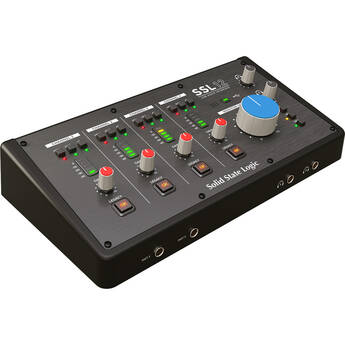
Solid State Logic SSL 12 USB Audio Interface
BH # SOSSL12 MFR # 729705X2
Key Features
- Producers, Content Creators & Musicians
- Bus-Powered Mac/Windows
- 4 Mic/Line Preamps, 2 Hi-Z Inputs
- 2 Headphone Outputs, 4 Line Outputs
Available in other Styles, Configurations & Kits
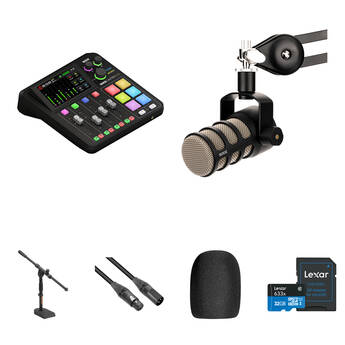
RODE RODECaster Duo Podcasting Kit with PodMic & Desktop Stand
BH # RORCDPMS1PK
Key Features
- Includes Podcasting Interface/Recorder
- Includes PodMic Cardioid Dynamic Mic
- Includes Desktop Stand & XLR Cable
- Includes Foam Windscreen
Available in other Styles, Configurations & Kits
Roland BRIDGE CAST X Dual Bus Streaming Mixer and Video Capture
BH # ROBRIDGECSTX MFR # BRIDGECSTX
Key Features
- For Gaming, Streaming & Content Creation
- Dual Mix Bus: Stream Mix & Personal Mix
- Vocal Transformer from Roland VT
- Dual USB-C Ports
BOSS Gigcaster 8 Audio Streaming Mixer
BH # BOGCS8 MFR # GCS-8
Key Features
- For Online Musicians, Education, Podcast
- 8-Channel Mixer with Sound-Shaping Tools
- 48 kHz Sampling with 32-Bit Float DSP
- 4 x Combo XLR-1/4" Inputs, 8 x FX Pads
Heritage Audio i73 PRO One USB-C Audio Interface
BH # HEI73PROONE MFR # I73PRO ONE
Key Features
- Producers, Musicians, Engineers
- PSU-Powered, Mac/Windows
- 1 73-Style Preamp, 2 Line + 1 Hi-Z In
- 1 Headphone Out, 2 Monitor Outs
Available in other Styles, Configurations & Kits
Bitwig Connect 4/12 USB-C Audio/CV/MIDI Interface
BH # BICONNECT412 MFR # BIT-600-002
Key Features
- Integrate CV Synths with Bitwig Studio
- Bus Power, Mac/Windows/Linux
- Combo XLR-1/4" Mic / Line / Hi-Z Preamp
- 1/4" Line / Hi-Z Input, 3.5mm MIDI I/O
RME Digiface USB 66-Channel ADAT to USB Optical Audio Interface
BH # RMDIGIFACUSB MFR # DIGIFACE USB
Key Features
- 66 Channels: 32 In / 34 Out
- 24-Bit / 192 kHz Digital Audio
- 4 x ADAT / S/PDIF Optical Input Ports
- 4 x ADAT / S/PDIF Optical Output Ports
Available in other Styles, Configurations & Kits
RODE RODECaster Duo 2-Person Podcasting Kit with 512 AUDIO Limelight Mics, Boom Arms & Headphones
BH # RORCDLHA2PK
Key Features
- Includes Podcasting Interface/Recorder
- Includes 2 Hypercardioid Dynamic Mics
- Includes 2 Boom Arms, 2 XLR Cables
- Includes 2 Headphones and microSDHC Card
Available in other Styles, Configurations & Kits
Audient ID44 MkII 20x24 Desktop USB Audio Interface
BH # AUID44MKII MFR # ID44MKII
Key Features
- Musicians, Podcasters, Producers
- 4 Class-A Mic Preamps, 2 Hi-Z Inputs
- Audio Loopback for Streaming
- 2 Independent Class-AB Headphone Amps
Yamaha URX44V 6x4 USB-C Audio/Video Interface (Black)
BH # YAURX44VB MFR # URX44V B
Key Features
- For Content Creation and Streaming
- 32-Bit / 192 kHz Sampling
- Onboard DSP-Powered Mixing and Effects
- Integrated LCD Touch-Panel GUI
Available in other Styles, Configurations & Kits
Mackie DLZ Creator Adaptive Digital Mixer with Mix Agent Technology
BH # MADLZCREATOR MFR # DLZ CREATOR
Key Features
- For Podcasting and Streaming
- Easy, Enhanced, and Pro Control Modes
- Full NDI Integration
- Four Onyx80 Microphone Preamps
TASCAM Mixcast 2-Person Podcast Kit with Mixer-Recorder, Microphones, Boom Arms, and Headphones
BH # TAMIXCASTA2P
Key Features
- Includes Mixcast 4 Podcast Mixer
- 2 Audio-Technica Microphones
- 2 Pairs of Audio-Technica Headphones
- 2 Boom Arms with Integrated XLR Cables
Available in other Styles, Configurations & Kits
Heritage Audio i73 PRO 2 USB-C Audio Interface
BH # HEI73PRO2 MFR # I73PRO 2
Key Features
- Producers, Musicians, Engineers
- PSU-Powered, Mac/Windows
- 2 73-Style Preamps, 2 Line + 1 Hi-Z In
- 1 Headphone Out, 2 Monitor Outs
Available in other Styles, Configurations & Kits
Solid State Logic ALPHA 8 AD/DA Converter/Expander and USB-C Audio Interface
BH # SOA88X8CAI MFR # 729746X3
Key Features
- Expand Your Audio Interface
- AC Powered, Mac/Windows
- 8 Line In
- 8 Line Out, Headphone Out
Universal Audio Apollo Twin X USB DUO Heritage Edition USB-C Audio Interface with UAD DSP (Windows Only)
BH # UNAPLTWXDUHE MFR # APLTWXDU-HE
Key Features
- Musicians, Producers, and Songwriters
- AC Powered, Windows Only
- 2 Mic/Line Unison Preamps, Hi-Z Input
- Headphone Out, 4 Line Out
Available in other Styles, Configurations & Kits
TASCAM Mixcast 4 Four-Person Podcast Value Kit with Limelight Mics, Boom Arms, and Headphones
BH # TAMIXCAST4PX
Key Features
- Includes Mixcast 4 Podcast Mixer
- Includes 4 Large-Diaphragm Dynamic Mics
- Includes 4 Boom Arms with XLR Cables
- Includes 4 Headphones
Available in other Styles, Configurations & Kits
Fender Quantum HD 8 26x30 USB-C Audio Interface
BH # FEQUANTUMHD8 MFR # QUANTUM HD 8
Key Features
- For Studios and Large Projects
- 8 MAX-HD Mic Preamps with 75 dB of Gain
- Fender-Designed Instrument Inputs
- Auto Gain for Hassle-Free Gain Staging
RODE RODECaster Duo Podcasting Kit with SM7B Mic, Broadcast Arm & Headphones
BH # RORCDSAH1PK
Key Features
- Includes Podcasting Interface/Recorder
- Includes SM7B Cardioid Dynamic Mic
- Includes Boom Arm with XLR Cable
- Includes Headphones & microSDHC Card
Available in other Styles, Configurations & Kits
RODE RODECaster Duo 2-Person Podcasting Kit with PodMics, Studio Boom Arms, Headphones, and Cables
BH # RORCD2PBK
Key Features
- For 2 Podcasters/Streamers
- RODECaster Duo Podcast Studio
- Includes 2 PodMic Podcasting Mics
- Includes 2 Boom Arms and 2 XLR Cables
Available in other Styles, Configurations & Kits
RODE RODECaster Pro II 4-Person Podcasting Value Kit with Mics, Boom Arms, Headphones, and More
BH # RORCSTRPRO2X
Key Features
- Includes Podcasting Interface/Recorder
- Includes 4 Hypercardioid Dynamic Mics
- Includes 4 Boom Arms with XLR Cables
- Includes 4 Headphones and microSDHC Card
Available in other Styles, Configurations & Kits
TASCAM Mixcast 4-Person Podcast Kit with Podcast Mixer-Recorder, Microphones, Boom Arms, and Headphones
BH # TAMIXCASTA4P
Key Features
- Includes Mixcast 4 Podcast Mixer
- 4 Audio Technica Microphones
- 4 Boom Arms
- 4 Pairs of Audio Technica Headphones
Available in other Styles, Configurations & Kits
Audient iD48 24-In | 32-Out USB-C Audio Interface
BH # AUID48USB MFR # ID48USB
Key Features
- Producers, Musicians, Engineers
- External Power, Mac/Windows
- 8 Mic/Line Preamps, 2 Hi-Z Inputs
- 2 Headphone Outs, 24 Line/Monitor Outs
Sound Devices USBPre 2 USB-B Audio Interface
BH # SOUSBPRE2 MFR # USBPRE 2
Key Features
- Field Mixers & Location Sound Recordists
- Bus Powered, Mac/Windows/Linux
- 2 Mic Preamps, 2 Line In, Stereo Aux In
- 2 Headphone, 2 Mic/Line, 2 Aux Out
MOTU 16A 32 x 34 Thunderbolt 4 / USB4 Audio Interface
BH # MA16A23X34TI MFR # 9321
Key Features
- For Studio and Live Work
- AC Powered, Mac/Windows/iOS
- 66-Channel I/O, Stream 256-Channel I/O
- 16 Line In,16 DC-Coupled Line Out
MOTU 10pre 26x28 Thunderbolt 4 / USB4 Audio Interface
BH # MA10PRE MFR # 9311
Key Features
- 10 Transparent Mic / Hi-Z Inputs
- ESS Sabre32 DAC, 125 dB Dynamic Range
- Thunderbolt 4 / USB4 Connectivity
- 54 Simultaneous Audio Channels
RME Digiface AES 14x16 Audio Interface
BH # RMDIGIFCEAES MFR # DIGIFACE AES
Key Features
- Portable USB Bus-Powered Audio Interface
- 24-Bit / 192 kHz Digital Audio
- 30x16 Matrix Router
- 6-Ch. XLR AES and 8-Ch. Optical ADAT
iConnectivity PlayAUDIO2U Audio and MIDI Interface for Live Performance
BH # ICPLAYAUD2U MFR # PLAYAUDIO2U
Key Features
- All-In-One Live Audio and MIDI Hub
- 24 Balanced XLR Stage Outputs
- Four Mic/Line Combo Inputs
- 24-Bit / 96 kHz Audio Resolution
Antelope Orion Studio Synergy Core Audio Interface with SRC Remote Controller
BH # ANOSSCSRC MFR # ORION STUDIO SYNERGY CORE + SRC
Key Features
- Up to 32 Channels of AD/DA Conversion
- Up to 24-Bit / 192 kHz Resolution
- Supports Thunderbolt, USB, ADAT & S/PDIF
- 12 Discrete Preamps with XLR-1/4" Jacks