Search results for: audio buying guide audio recorders
About 165 filtered results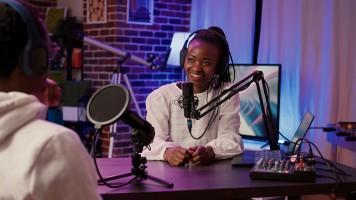
by Steven Esposito · Posted
There comes a time in one’s life when you strongly consider starting a podcast with the people around you. No matter what the topic is, you’re going to need some gear. Microphones, cables, audio interfaces, mixers—thinking about all this gear can be overwhelming, but we’re here to help! Whether you are brand new to this wonderful hobby or a seasoned speaker looking to take your podcast to the next level, we have some suggestions for you.
Microphones For Podcasting
There are three general types of

by Steven Esposito · Posted
This holiday season, if you’re shopping for a remote content creator, look for travel-friendly gear that allow creators to express their creativity without weighing them down. If you’re not sure what gear fits that bill, fear not. We’ve put together a list of some of the best equipment for mobile content creators.
DJI is known for a wide range of devices—from drones to mics and more. Their reputation for creating amazing devices for users on the go is unprecedented. Those who love to record and film on their smartphone will find the

by Zack Young · Posted
Another year, another fresh cornucopia of video production offerings. Today, we're looking at six of our favorite new releases from 2026, ranging from affordable creator-focused gear to high-end professional tools that might just unlock your next masterpiece. These are the products we can't stop thinking about.
Lighting
Nanlite PavoSlim 360C RGB LED Light Panel
While high-output panel lights have always produced a nice soft look, they've traditionally been heavy, bulky and hard to fit in tight spaces. In comes the Nanlite

by M. Brett Smith · Posted
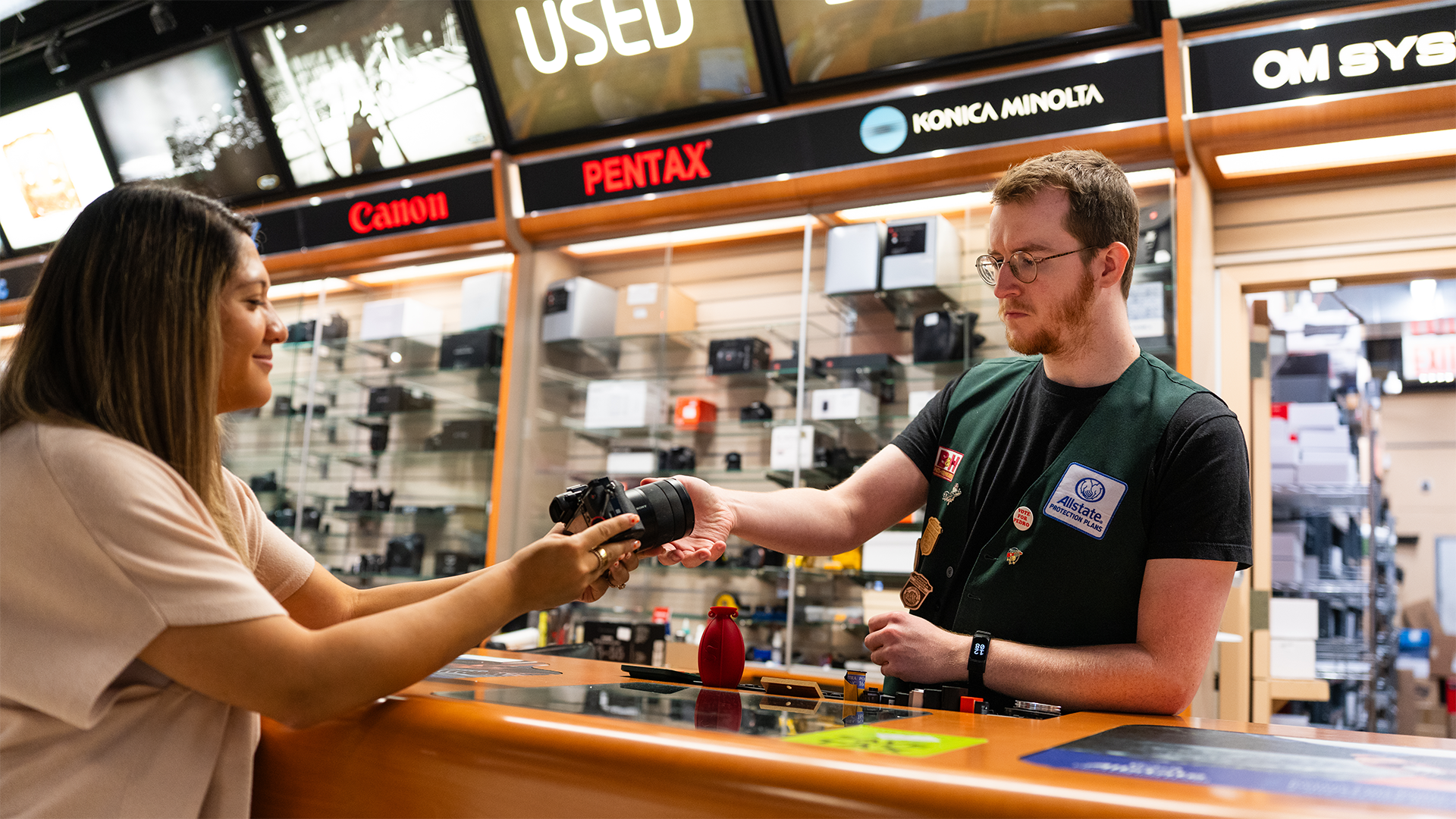
For more than 50 years, B&H Photo has been the creative professional’s choice for photo, video, and audio gear. But did you know we’re also one of the most trusted resources when it comes to buying and trading used gear?
With the B&H Trade-In program, you can turn your pre

by Luke Rollins · Posted
FUJIFILM's beloved instant photography format instax recently surpassed 100 million cameras and printers sold, all while eyeing its 30th anniversary. While perhaps just short of the brand recognition of iconic Polaroid, instax has the people's vote and the lion's share of sales and has expanded that popularity into a full-on ecosystem of films and formats, analog and hybrid cameras, smartphone printers and digital capture devices, and, coming soon, commercial photobooths and other event-oriented products.

by Freddy Gerngross · Posted
MIDI (Musical Instrument Digital Interface) is a programming language that connects a wide variety of electronic musical instruments, computers, and related devices for playing, editing, and recording music. When we record with MIDI, we capture the performance of how an instrument was played, not the audio waveforms produced by the instrument. This has many benefits because we can add notes, edit velocities, correct the performance, or change the sound of the instrument altogether.

by Gabby Bloch · Posted
If you’re thinking about building a home recording studio or upgrading your existing setup with better gear, there are a plethora of options at B&H that can take your production to the next level (maybe at the cost of fueling your gear-acquisition syndrome). Here are some of our favorite pieces of music technology we have on offer, covering everything you’d need to start working on your own music and recording projects, or bring your productions to the next level.
MIDI Controllers
Novation Launchkey MK4 Series—A Workhorse Controller
The

by Luke Rollins · Posted
Content creation has exploded into a multi-billion-dollar industry with no signs of slowing down. While it’s true that anyone with a smartphone can become a content creator, the shift toward polished productions might have you browsing some more professional gadgets. Luckily, affordable, easy-to-use gear is widely available for every kind of content creator. Let’s explore some options you might consider snagging for your new hobby or upcoming project.
Best vlogging cameras for content creators

by Freddy Gerngross · Posted
Whether you’re in the market for your first podcast microphone or looking to upgrade the one you have, we’ve put together a list of our favorite models to help you on your way. Read on to learn about some of the classic and iconic picks we have in store at B&H!
Best Budget Podcasting Mics
RODE PodMic
Let’s start with the best seller in this category, the Rode PodMic. Designed specifically for
by Mathew Malwitz · Posted
Recording work and data in the form of thousands of pictures or hours of video is made possible by compact memory cards. These devices are the standard for photo and movie storage, saving and protecting your files until you can transfer them safely to a more permanent home on your computer or external hard drive. They are available in an array of different types, with a broad range of capacities and data-transfer

by Gabby Bloch · Posted
As a podcaster, life becomes a lot easier when you have the right equipment. If you’re currently stuck with a simple audio interface or portable recorder, you’ll probably benefit from upgrading your setup to a multitasking mixer that can serve every function you may need as your podcast grows and your creative ideas expand. Since content creation has become such a big thing, it’s challenging to sort through all the available products to find which

by Freddy Gerngross · Posted
In the postmodern era of music production, most musicians, producers, and engineers rely on a computer running a robust Digital Audio Workstation (DAW) like Pro Tools or Ableton to be the studio centerpiece. But despite their power and convenience, sometimes creating in this environment can turn into a series of mouse clicks that eat away at the joy and magic of music production. There are times when ditching the DAW and going old school with a physical piece of hardware can unlock new potential, forcing you to develop alternative techniques
by Mathew Malwitz · Posted
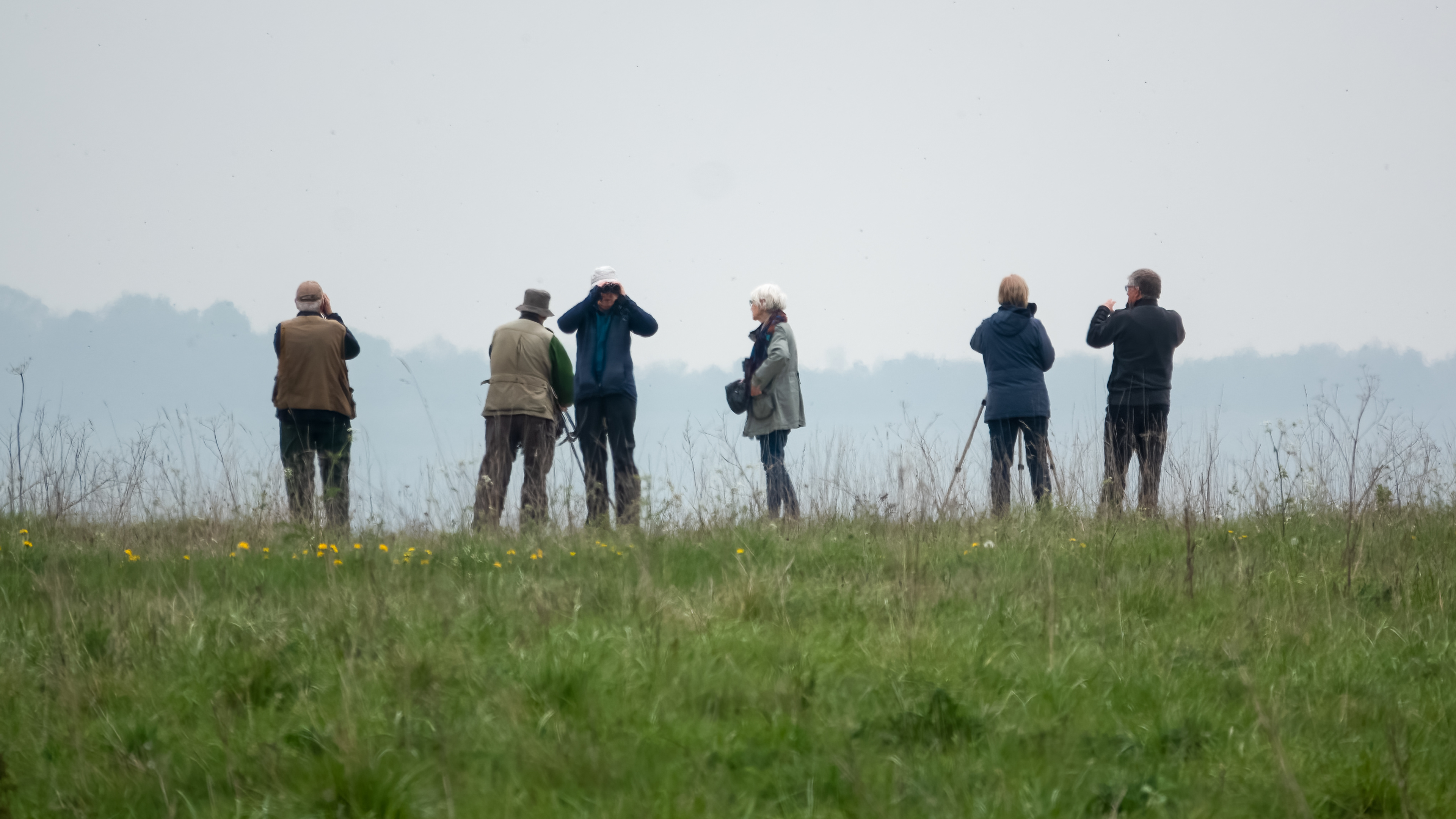
Bird-watching, known colloquially as birding, has quickly become one of the most popular past times for nature enthusiasts of all ages. In this fast-paced digital world we find ourselves in, getting outside and winding down to the sounds and sights of birds is quite therapeutic.
Every hobby has its fair share of essential gear,
by Freddy Gerngross · Posted
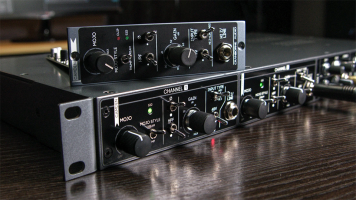
If you're new to the world of audio and are wondering what a mic preamp does and whether you need one for your home studio, you're in luck. We've put this guide together to answer all of your questions.
What Is a Mic Preamp?
The mic preamplifier, or preamp, is a device that increases the voltage of a mic’s outgoing signal so it can be strong enough to be processed by other audio equipment—it takes signal from mic level to line level (often boosting between 30-70 dB). It can also add a user-specified amount of gain to the signal which in turn

by Zach Kornhauser · Posted
Creating music doesn’t have to be tied down to a large studio, or even a humble desk setup at home. While those settings are excellent choices for coming up with new ideas, you must be prepared when creativity strikes, regardless of where you are. Whether you are in band practice with your friends or trying to make hard-hitting beats on your laptop, you should have everything you need to capture your ideas.
It’s also important to consider the size and weight of portable recording tools; the last thing you want to worry about is how to carry