
The Micro Four Thirds system is becoming popular among a passionate group of wedding photographers. The compact size of the cameras and lens system, as well as the sheer number of available lenses from, OM System, Panasonic, and other manufacturers, not to mention the nearly limitless option of adapted lenses, means that the wedding photographer has many options for capturing the action.
It’s worth noting that OM System, formerly known as Olympus, has lenses with both branding. As lenses are updated, they’ll adopt the OM system name, but as long as older models are still in production, you’ll see Olympus used. In this guide, you’ll see lenses with both monikers.
Portrait Specialist
You won’t be photographing a wedding without making portraits, and when it comes to portraiture, there is one lens that rises to the top of the Micro Four Thirds lens pile: the Panasonic LUMIX G Leica DG Nocticron 42.5mm f/1.2 ASPH Power OIS lens. With a 35mm equivalent field of view as the traditional 85mm portrait focal length lens, this Leica-engineered gives razor-shallow depth of field with its ultra-wide f/1.2 maximum aperture. Combine optical image stabilization with the latest coatings, two aspherical elements, and other cutting-edge features, and you have a serious portrait machine.
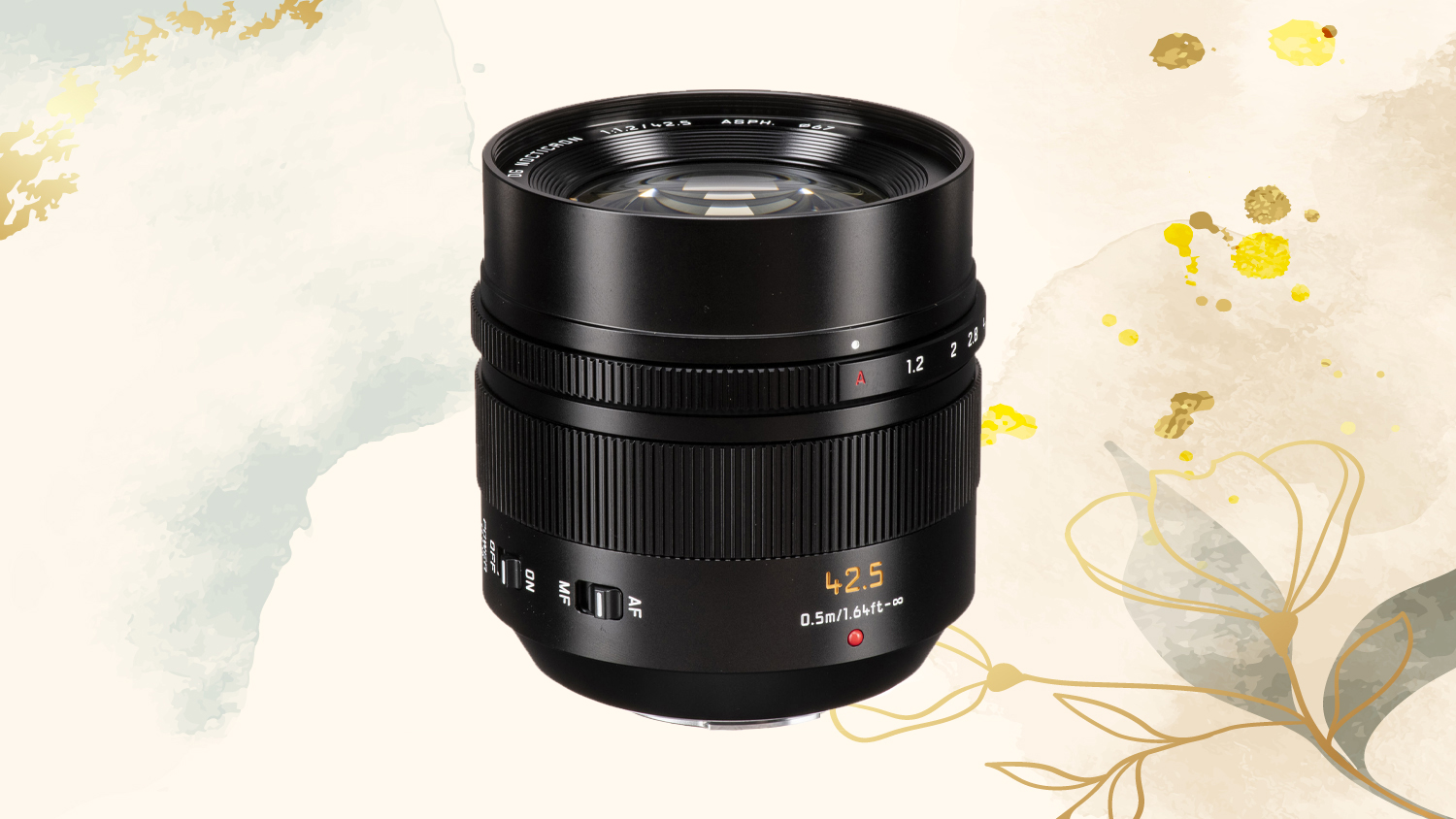
For those looking for a similar portrait prime, the OM System M.Zuiko Digital ED 45mm f/1.2 PRO is OM Systems’ answer to the Nocticron.
Wide-Angling
Aside from wedding portraiture, other definites on the shot list are wide-angle views of the ceremony, reception, and more. Nothing gives a sense of place like a well-executed wide-angle image.
When it comes to wide-angle Micro Four Thirds zooms, photographers have two primary options: the Panasonic Leica DG Vario-Elmarit 8-18mm f/2.8-4 ASPH lens and the Olympus M.ZUIKO Digital ED 7-14mm f/2.8 PRO, with the 35mm equivalent field of view of 16-36mm and 14-28mm, respectively. Both lenses have a solid pro feel and are optically spectacular.

The Olympus M.ZUIKO Digital ED 12mm f/2.0 gives a 35mm equivalent field of view of a 24mm lens and is packed with technology in the form of DSA, aspherical, ED, and Super HR lens elements. It also has a silent autofocus system—great for staying quiet during the ceremony and for video. The Panasonic 12mm f/1.4 offering is another Leica-designed number, the DG Summilux 12mm f/1.4 ASPH.

If you need to go slightly wider, the Rokinon 10mm f/2.8 ED AS NCS CS and Voigtlander Nokton 10.5mm f/0.95 manual focus lenses will bump your field of view out a few more degrees.
Fisheye images can be perfect for weddings and give the client something just a bit different. When you want to go really wide, like 180o wide, the OM System M.Zuiko Digital ED 8mm f/1.8 Fisheye PRO lens is your ticket to the fisheye party. Just be mindful of where your own feet are in the frame!

The New Normal
In the world of Micro Four Thirds, the 25mm lens, with its 35mm equivalent of 50mm, is the “normal” lens. For wedding photographers, the normal field of view and perspective usually makes the normal lens the single most versatile prime they carry in their bag. Capable of everything from environmental shots to portraits, this lens needs to be in your bag.
The two top options for normal shooting are the Panasonic Leica DG Summilux 25mm f/1.4 II ASPH lens and the OM System M.Zuiko Digital ED 25mm f/1.2 PRO Both lenses are packed with the latest optical technologies from the two companies, with the Olympus lens packing a record (based on my research) 19 elements in a single prime lens.

If the 35mm equivalent focal length is more of your normal, check out the Olympus M.Zuiko Digital ED 17mm f/1.2 PRO lens with its slightly wider than “normal” field of view and an expansive f/1.2 maximum aperture. Check out the Sigma 16mm f/1.4 DC DN Contemporary lens, as well.
For those Micro Four Thirds shooters looking for a classic feel in their normal lens, the Voigtlander Nokton 25mm f/0.95 Type II manual focus lens is tied with a few others as the widest-aperture lens available for the Micro Four Thirds system.

Close-Up
There are a handful of macro lens options for the wedding shooter looking to grab all the beautiful tiny details of the ceremony and reception at life size.
Panasonic has a pair of options with the LUMIX G MACRO 30mm f/2.8 ASPH. MEGA O.I.S. and the Leica DF Macro-Elmarit 45mm f/2.8 ASPH. MEGA O.I.S. lenses. Both capture 1:1 reproduction, and the LUMIX has a 35mm equivalence of 60mm, while the Macro-Elmarit features a 90mm field of view when equated to the 35mm format.

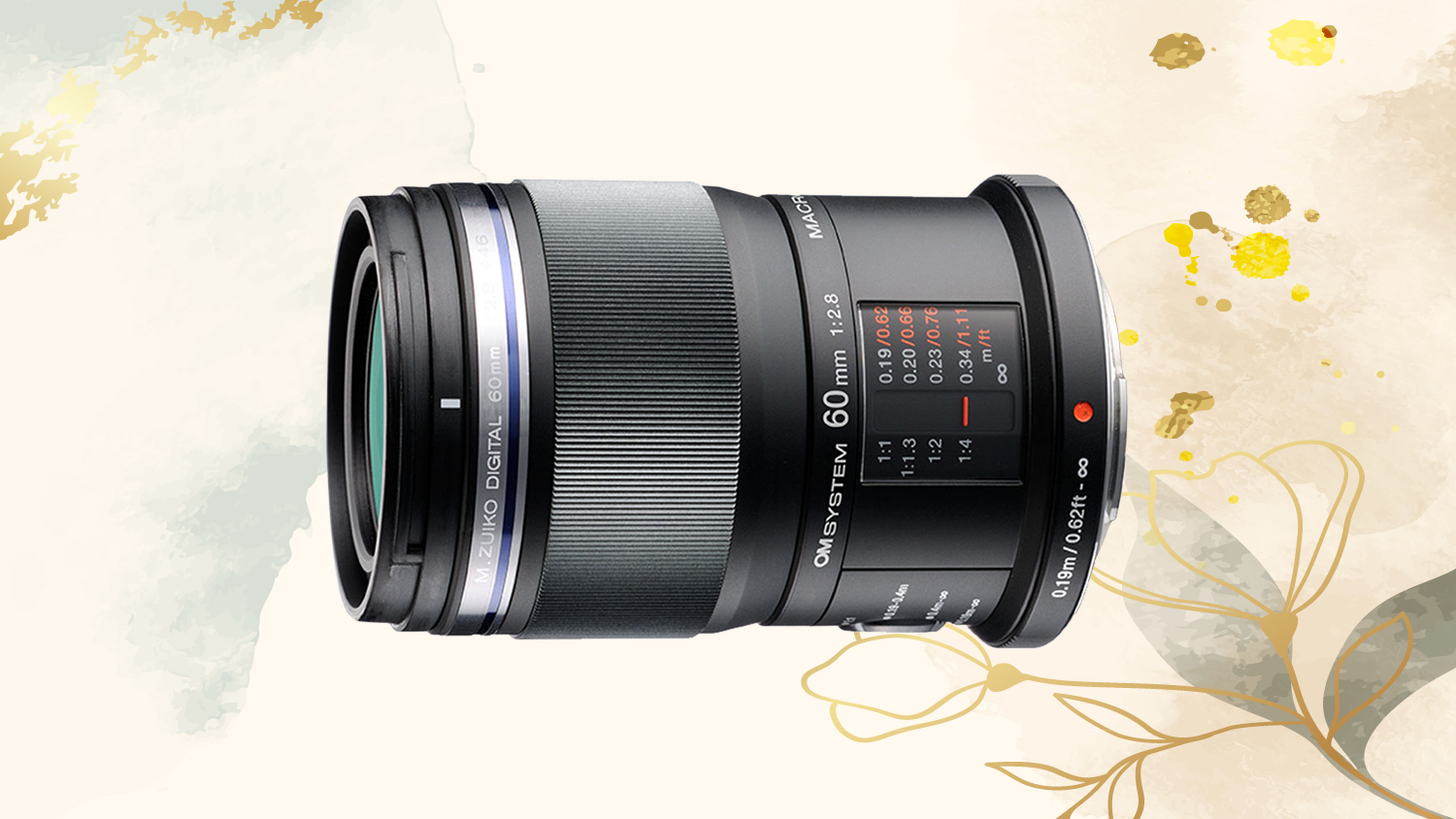
OM System offers their own pair of macro lenses, only with longer focal lengths. The M.Zuiko Digital ED 60mm f/2.8 Macro and the M. Zuiko Digital ED 90mm f/3.5 Macro IS PRO deliver effective focal lengths of 120mm and 180mm respectively. The 60mm lens captures a 1:1 reproduction ratio, but the 90mm bumps that up to 2:1 for even greater magnification. Not to mention that the 90mm features optical image stabilization (IS) to accommodate its greater focal length.
Zoom Pairings
Wedding photography demands flexibility and the ability to compose images from often disadvantaged locations. To get the shot when your feet cannot get you in the correct spot, the zoom lens becomes the weapon of choice. Luckily for Micro Four Third wedding photographers, there are some terrific wide-aperture zoom lenses that lend themselves to the traditional (35mm format) 24-70mm and 70-200mm professional zoom kit.
On the OM Systems side, besides the aforementioned wide-angle 7-14mm f/2.8 PRO zoom, shooters can get their 24-70mm fix with the M.ZUIKO Digital ED 12-40mm f/2.8 PRO and then quench their 70-200mm thirst with the M.ZUIKO Digital ED 40-150mm f/2.8 PRO lens. These professional zooms cover the 35mm equivalent field of view of a 24-80mm and an 80-300mm lens. Yes, that is an equivalent of a 300mm f/2.8 packed into a very portable zoom lens.

Panasonic offers the DG Vario-Elmarit 12-35mm f/2.8 ASPH POWER O.I.S. lens with the traditional 35mm equivalent 24-70mm coverage. For the telephoto reach, the Leica DG Vario-Elmarit 35-100mm f/2.8 POWER O.I.S. lens gives the 35mm equivalent 70-200mm field of view.

Which Do You Prefer? Are you a wedding photographer using the Micro Four Thirds system? Are you thinking about switching to Micro Four Thirds and shooting weddings? Learn more about micro four thirds and all things photography on the B&H Explora page!
