Search results for: photography buying guides choosing right lens
About 52 filtered results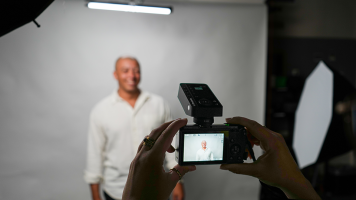
by Luke Rollins · Posted
At first glance, studio photography and the compact camera may seem strange bedfellows. The type of work associated with the studio—still life, product photography, portraiture, macro photography—usually wants cameras with larger sensors and interchangeable lenses, especially in professional applications. Compact, point-and-shoot cameras, for their part, have their natural home in everyday, travel, nightlife, and street applications, where their discretion and size become virtues.
It might seem almost cruel to introduce the compact to the

by Mathew Malwitz · Posted
Ever find yourself still struggling to make out a bird, even when your binoculars are trained directly on it? No matter how steady you hold yourself, you simply just don’t have the reach. You could get a stronger pair of binoculars, but these come with inherent drawbacks, such as stability issues and, of course, a heftier build. What’s our solution?
It’s only natural that after using a pair of binoculars, some birders will find that they yearn for more, and the only way to practically get more reach is to use a spotting scope. These are

by Mathew Malwitz · Posted
It's only natural that after using a pair of binoculars, some birders will find that they yearn for more, and the only way to practically get more reach is to use a spotting scope. These are essentially terrestrial telescopes, using one optical path to magnify an even greater distance than our typical handheld optics can manage.
As covered in our guide to choosing a spotting scope, finding the right scope can be as
by Mathew Malwitz · Posted
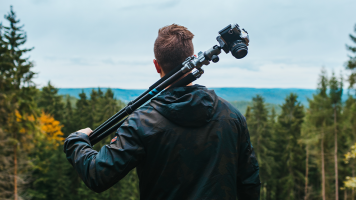
As complementary as peanut butter is to jelly, the camera and tripod are an age-old pairing that still manages to maintain relevance and unmatched functionality in a world dominated by image stabilization and Photoshop tricks. While the form and function of a tripod is far simpler to understand than the scrolling menus of today’s feature-packed cameras, it can still be a chore to choose the right setup for your needs from among a sea of manufacturers and seemingly comparable models.
Now, what’s the big deal with tripods? Most photographers
by Mathew Malwitz · Posted
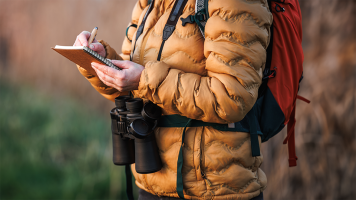
Bird-watching, known colloquially as birding, has quickly become one of the most popular past times for nature enthusiasts of all ages. In this fast-paced digital world we find ourselves in, getting outside and winding down to the sounds and sights of birds is quite therapeutic.
Every hobby has its fair share of essential gear,
by Mathew Malwitz · Posted
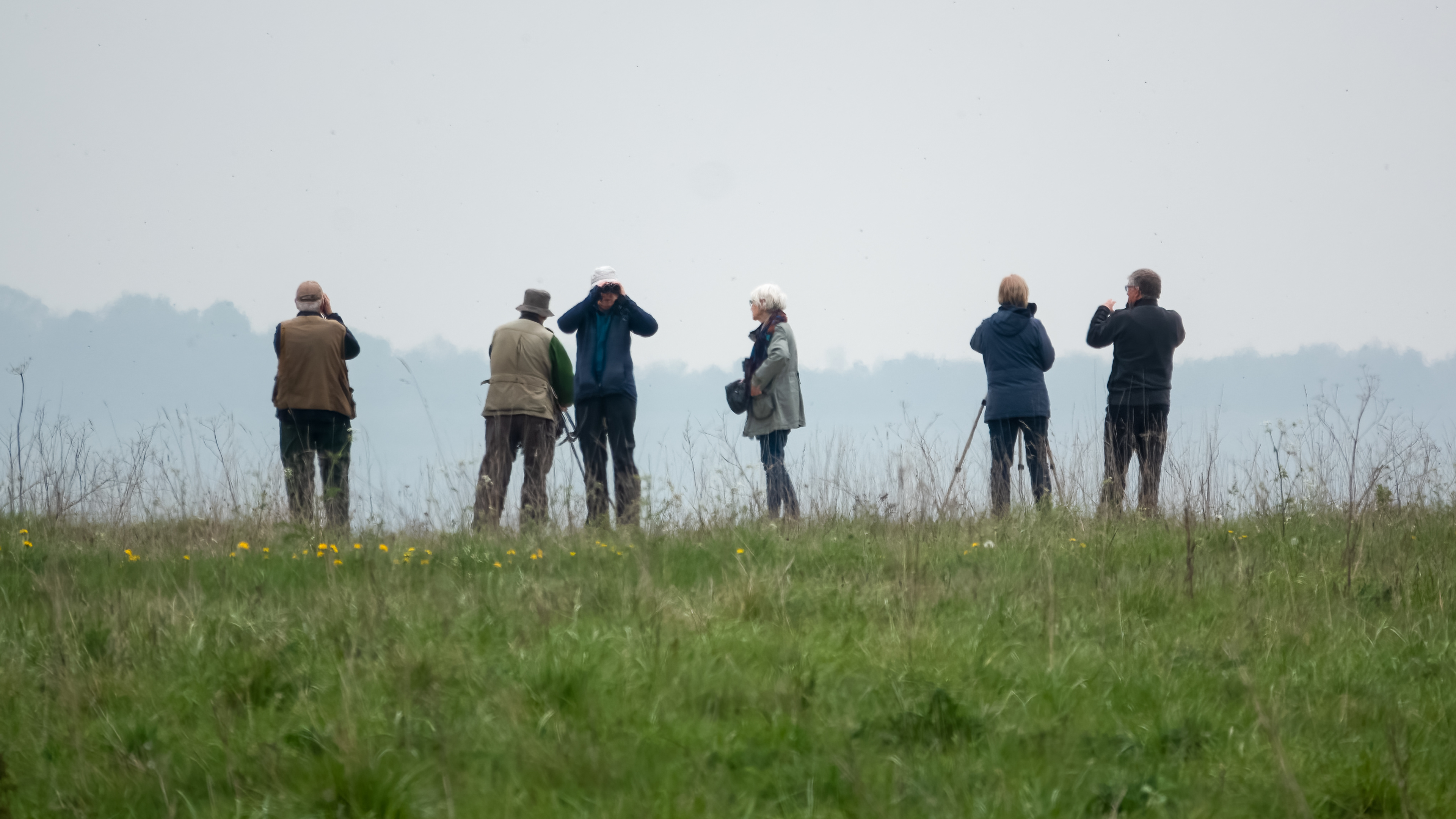
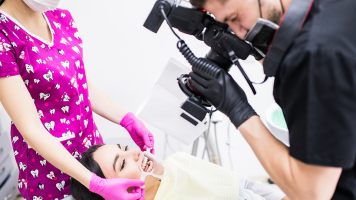
Dental photography is a unique genre of photography that requires a specialized set of tools to deliver the clarity, brightness, and color accuracy dentists rely upon to accurately record their patients’ progress.
In this guide, we’re going to cover the essential tools dental professionals need to capture the best quality images of their work, from the camera itself to the lighting tools required to accurately capture the color and detail of those pearly whites.
The Camera
Of course, one could use almost any camera, so long as it produces

by Mathew Malwitz · Posted
Choosing our first point-and-shoot camera can be a daunting task. There are so many cameras on the market, and at various price points. Do we need the most expensive model? Do we need the one with the longest zoom range? There’s a lot to consider, and a lot of options on the market, but which is right for us? Set tech specs aside and focus on the basics.
When choosing a compact camera, we must first consider what we’re photographing. That might sound obvious, but we can often be blinded by the size of a camera, a singular feature, or even the

by Mathew Malwitz · Posted
Bird watching and photography seem to go hand in hand. While there are some who prefer to enjoy the sights free of distraction, there are others who like to record their findings to share with others. To do that, we need a camera and picking one can be overwhelming. Many opt for the tried-and-true bridge camera, but these are limited in the quality they can deliver.
For

by Mathew Malwitz · Posted
You don’t have to go far to capture fun and engaging images of wildlife. In fact, you may not have to go anywhere at all. A carefully landscaped yard and the right tools can attract an impressive variety of animal life to observe and photograph. Pair that with a little patience and soon you’ll be capturing stunning images from the comfort of your own home.
Attracting Birds
Birds are part of nearly every environment, from the densest cities to rural areas. While they are common, we’ll need to offer three essentials—water, shelter, and food—to
by Mathew Malwitz · Posted
Choosing a pair of binoculars can be as easy or as daunting as you want it to be. We’ve covered the technical aspects of binoculars, from magnification to glass quality, and how they affect your choice, but not everyone wants to get into all that. While yes, once we know the basics, we can better choose the pair that meets our particular needs, but that assumes we want to get into all that. If you do, check out our

by Mathew Malwitz · Posted
Optic size is measured by what it can do, but when you’re new to the hobby, this can be confusing. Pick up a spotting scope or any pair of binoculars and you’ll see them adorned with a set of numbers like 8x42, 7x32, or 20-60x80. What exactly do those numbers mean and what do they tell us about an optic?
At the most

by Mathew Malwitz · Posted
When it comes to choosing the right camera, there’s often a gap between the small, pocketable point-and-shoot cameras and larger mirrorless ones. While interchangeable lens mirrorless cameras have much to offer, their higher price points and larger form factor often make them unfeasible for the average photo enthusiast. It often leads to the question of how a photographer can bridge that gap.
Enter the aptly named
Posted
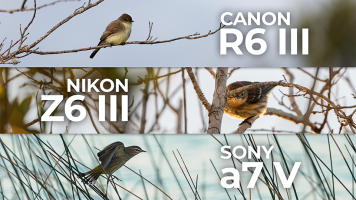
Looking for a full-frame camera for all your bird photography needs, but aren't looking to go overboard on spending? Matt shares 3 midrange camera options (the Canon R6 III, Nikon Z6 III, and Sony a7 V) for the photographer that is ready to take that next step. Buying a camera at this price point means investing in a system, so Matt will also discuss lens options based on your budget!
0:00 - Intro
0:55 - Sensors, Read Out Speeds, Frame Rates
3:12 - Pre-Capture
4:27 - Lenses/How to Choose a Lens
7:34 - Animal Autofocus (Camera & Lenses)
8

by Mathew Malwitz · Posted
Today, we're going to learn about practical applications of other, less common lenses for street photography such as portrait lenses, ultra wide-angle landscape lenses, and special effect glass like mirror lenses and beyond. These are by no means the only unconventional lenses out there, but these should get your gears turning and inspire you to start experimenting.
Portrait Lenses
Portrait lenses are known for their unparalleled sharpness and eye-catching, subject isolating qualities. This is thanks to their simple design, top-of-the-line

by Mathew Malwitz · Posted
Who doesn’t want to capture fun and creative portraits of our four-legged friends? We know we love it. In fact, pet photography may just be the most popular form of photography there is. Think of all the smartphone snaps of yawns, big stretches, and funny moments we all take of our cats, dogs, chinchillas, and beyond.
Quick snaps aside, you know what really ups the quality of our pet portraits? Lighting. Just as with any form of portrait, lighting unlocks possibilities that can be impossible without it. But what lighting system should we use?