Search results for: photography photography tips photographing wildlife tips
About 133 filtered results
by Mathew Malwitz · Posted
Landscapes and wildlife are among the most challenging subject matter to capture well with a camera. Wildlife is unpredictable and despite your best efforts, will not respond to posing instructions. Landscapes are stationary but at the mercy of available light and weather conditions. All that being said, it is the unpredictable nature of landscape and wildlife photography that has earned these genres a very large, very dedicated, and very passionate following. The dedication of these photographers can make finding the right gift all the more

Posted
Namibia offers a wide range of subjects to photograph: wildlife, landscapes, and the night sky. However, before you make the trip, there is a lot to take into consideration when planning. Knowing which season is best to go, how to stay safe among wildlife, and what to pack will allow you to create the best photos you can. Autumn and Nate share their complete guide on prepping for a Namibia photography trip, from camera gear to weather forecasting apps and more.
0:00 - Where Are We?
1:06 - Nate Stealing Autumn's Lens
1:52 - Namibia's Dry

Posted
Photographing an osprey diving for a fish is one of the most exciting challenges in bird photography. In this video, Matt heads into the field to share his approach to finding and photographing ospreys, from choosing the right position and camera settings to tracking a fast-moving bird through a dive.
00:00 - How to Photograph Osprey
00:44 - Where to Find Osprey
01:14 - Photographing Osprey Responsibly
02:09 - Positioning Yourself for the Shot
03:05 - -Capturing an Osprey Catching a Fish
04:00 - Best Camera Settings for Osprey
05:03 - How to

by Mathew Malwitz · Posted
When we head out into the great outdoors, there’s nothing more we need than our camera and lens. So long as you have a charged battery and an empty memory card, there’s little more you could ever need—that is, until that battery dies, it starts to rain, or a bird poops on your lens. How do we prepare for these inevitable conundrums? We bring the pertinent accessories, that’s how.
Smaller

by Mathew Malwitz · Posted
Have you ever taken a photo that looked so good on the back of your camera, only to get home and see that it’s just not sharp? We’ve all been there, and even the experts miss more shots than they keep. That said, there are many tricks and techniques we can learn to improve the odds. In today’s guide, we’re looking at five techniques to aid us in confidently capturing tack-sharp photographs.
Sharpness is critical in most genres of photography, especially nature and wildlife. Sure, we can intentionally blur elements to showcase motion. We

by Mathew Malwitz · Posted
Bird watching and photography seem to go hand in hand. While there are some who prefer to enjoy the sights free of distraction, there are others who like to record their findings to share with others. To do that, we need a camera and picking one can be overwhelming. Many opt for the tried-and-true bridge camera, but these are limited in the quality they can deliver.
For

by Mathew Malwitz · Posted
You don’t have to go far to capture fun and engaging images of wildlife. In fact, you may not have to go anywhere at all. A carefully landscaped yard and the right tools can attract an impressive variety of animal life to observe and photograph. Pair that with a little patience and soon you’ll be capturing stunning images from the comfort of your own home.
Attracting Birds
Birds are part of nearly every environment, from the densest cities to rural areas. While they are common, we’ll need to offer three essentials—water, shelter, and food—to

Posted
Photographing birds in flight is a truly challenging genre of wildlife photography. It’s also a lot of fun. Photographer Melissa Groo shares all the tips and techniques from gear to ethics so you can capture the beauty of birds flying.
0:00 - Intro
3:23 - Camera
13:42 - Camera settings
16:23 - Exposure triangle
21:44 - Pre capture feature
24:51 - Become a naturalist
31:05 - Direction of light
35:49 - The effects of wind on birds
38:28 - Brace yourself
41:57 - Ways to elevate your image
48:38 - Know the rules like a pro
50:46 - Importance of
by Mathew Malwitz · Posted
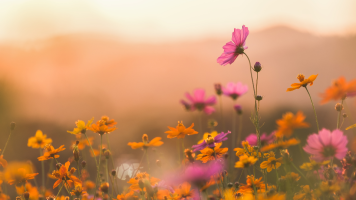
If there’s one question fledgling photographers often ask, it’s “How did you get such a nice background?” Backgrounds are an essential element of a photograph that are often neglected. In fact, it’s safe to say that a background is as important to a composition as the subject itself. After all, a distracting one will detract from an image.
In this guide, we’re going to cover the many methods used to capture clean, smooth backgrounds in our images. This will encompass the settings and gear involved as well as the in-the-field techniques you can
by Mathew Malwitz · Posted
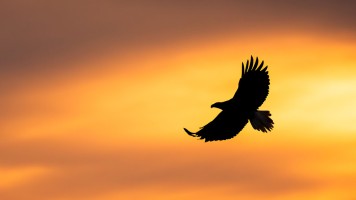
Through the cacophony of forest sounds, your ears home in on a buzzy, almost garbled ascending song. Perhaps you recognize it immediately, or maybe you need to confer with one of the trusty internet databases or apps. You train your eyes on the canopy, scanning for movement of any kind, when you see it: the cerulean warbler, a small rowdy songbird with wings slightly splayed from the body. Quickly, you lower your binoculars and train your camera on the little blue passerine before snapping a few frames.
The resulting photos clearly show the
by Mathew Malwitz · Posted
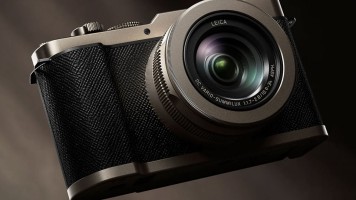
After the smartphone revolution, it appeared that the days of the compact camera were done. How wrong we were. It’s true that a few years back, point-and-shoot options were few and far between. There were just a handful of options on the market, and some industry titans even left the market entirely. Despite the long-rumored demise of the compact camera, it seems that photo enthusiasts still desire a dedicated device without the distractions that come with a smartphone.
What is a compact or “point-and-shoot” camera? Just because a camera is
by Mathew Malwitz · Posted
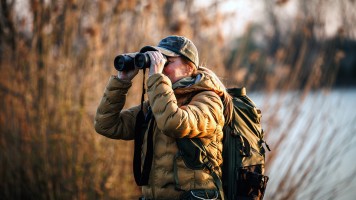
Birds, they’re all around us. If you haven’t paid much attention to them, you’re not alone. But, once you do, you’ll have a hard time stopping. If you haven’t yet dabbled in bird watching, known colloquially as birding, we have just one question. Why not? Birding is the perfect way of partially disconnecting from the digital world we find ourselves in and connecting with nature through observation, and one of the most relaxing pastimes imaginable.
If you’re fascinated by our feathery friends but don’t know where to start, we’ve got you covered

Posted
Recently, the B&H social media video team traveled to the Florida Everglades to film a wildlife and landscape photography series. Matt Matkin led the bird photography segment, sharing his personal approach to capturing birds in action along with a few memorable moments from the experience.
0:00 - Intro
2:43 - Why bird photography in the Everglades
7:29 - Equipment used
9:13 - Bird resources
12:55 - First impressions & tips
25:08 - Camera settings & composition tips
46:14 - Look for other wildlife
47:22 - Camera & lens

Posted
Landscape and wildlife photographers swear by photographing at sunrise and sunset. But, there is another time of day when you can shoot nature photography and still get beautiful results. Join Sam and Matt in the Everglades to learn how to capture photos both in golden hour and blue hour.
0:00 Intro
0:52 Why Sunrise & Sunset?
6:44 Blue Hour for Landscapes
9:34 App for Identifying & Finding Birds
10:13 Mid-Day Wildlife & Landscapes
11:52 App for Tracking the Sun & Moon
12:31 Time of Year
13:26 How Early to Arrive
14:03 Can You

by Mathew Malwitz · Posted
The a7R series has long been popular among wildlife photographers for the big files and associated crop-ability so to speak. That said, one area where the R could use some improvement is in the speed department. After all, it was never designed to be a wildlife camera; Its bread and butter was always resolution with landscape, portrait and studio photographers making the most use of all the extra detail. But, as tends to happen, Sony bends the rules.