Search results for: photography tips solutions lighting for events
About 24 filtered results
by Mathew Malwitz · Posted
As photographers, we are faced with a wide array of lighting conditions, ranging from bright sunlight to dimly lit interiors. Using ambient light as your main source is often preferable; however, in a situation such as an event or portrait where time is of the essence, you will need to know how to properly expose all these varying scenes using both natural and artificial light sources.
Being resourceful with your lighting setups lends greater efficiency, and having a lighting system you can easily move from one situation to the next quickly is

by Mathew Malwitz · Posted
Lighting is the key to all photography. While elaborate, multi-light setups may appear to be the standard, the creative photographer can produce a seemingly endless range of images using just one light source. This guide is designed to help those beginners out there build the perfect one-light kit for portrait photography.
Why One Light?
I completely understand why multi-light “studio in a box” kits are tempting to beginner and budget-conscience photographers. Why spend hundreds of dollars on one light when you can get three lights complete

by Darrell Holdaway · Posted
There is a first time for everything, and if you have your mind set on producing a wedding video, you will encounter plenty of “firsts” during that initial wedding weekend. There is a first kiss, a first dance, and a first slice of cake. Where will you have your cameras set up for each of these memorable moments? Will you need lights for every shot? How will you manage the audio? When the bride says “I do,” you will want everything in place to ensure that you capture every word and angle. This guide will address equipment needs, event

by John Harris · Posted
Many photographers, attempting to postpone a major decision or save money, will buy a lens they believe will give them the results they desire, only to find that the lens does not perform as expected. When budget is a factor (and when isn’t it?), it’s important to select a telephoto lens that best serves your specific purposes. When it comes to sports and wildlife photography, the purposes are often similar—magnify distant subjects, separate the subject from background—but it’s worth understanding a few basic distinguishing features and how

by Todd Vorenkamp · Posted
When the moon passes directly between Earth and the sun, those on Earth are treated to one of nature’s greatest spectacles—a total solar eclipse. It is a phenomenon that almost every observer would like to capture in a photograph.
Due to the rarity of the event, the short duration in which to capture it, and the dynamic nature of the subject, it is one of those photographic opportunities that requires the proper gear, setup, planning, and practice.
Eclipse and solar

by Theanos Nikitas · Posted
Let’s face it, fashion shows are intriguing, and even if you’re not a fashionista, shooting a runway show can provide a level of excitement akin to photographing that big annual football game or covering the red carpet at a gala event. Fashion shows have, in a sense, become more democratized, thanks to social media and live streaming. Events that used to be limited to the press and buyers can now be easily viewed by anyone with an Internet connection. Still, there’s something very special about attending—and photographing—a live runway show or

by Todd Vorenkamp · Posted
Raw vs. JPEG. The debate has persisted since the early days of digital photography. With modern digital technology, in-camera JPEG processing has never been better. Across brands, some photographers claim to have switched their workflow to JPEG exclusively, forgoing the advantages (and disadvantages) of shooting raw files. Others shoot raw + JPEG simultaneously to enjoy the benefits of both. Of course, many shoot only raw images. With a week in Ireland to focus on photography, I decided to dive deeper into the raw vs. JPEG option and see if it

by Jill Waterman · Posted
Making pictures by night is a curious practice. While specialists of this subject embrace it as a deep-seated passion and have a never-ending quest for technical and creative advancement, those more familiar with daytime photography are often unaware that tried and true photography rules often need to be adapted or even overlooked at night. With this in mind, consider the following tips the next time you venture out in the darkness, to help you to adapt.
1. Take a Chance and Explore the Unknown
What’s my exposure time? This is the number one

by Shawn C. Steiner · Posted
Time lapses feel a lot like photography during capture stages and a lot like video during the editing process. Creating them is a common progression for photographers looking to dip their toes into video and motion because you can start making high-quality time lapses with your current still photo equipment. If you are starting to tackle time-lapse projects, applying some video tricks can help smooth out your final product.
The Absolute Basics
I’m hoping that by the time you make it to this article you already have a basic understanding of how

by Jill Waterman · Posted
After bonding over a mutual love for exploring and some crazy outdoor adventures during college, Berty and Emily Mandagie honed their respective photography and writing chops before starting their blog, The Mandagies, in 2016. In the past five years their eponymous brand has grown into one of the Internet’s leading Pacific Northwest travel resources, leading us to invite them onboard as our next B&H Creator of the Week.
In our conversation below, the Mandagies share their love for the Oregon coast
by Cory Rice · Posted
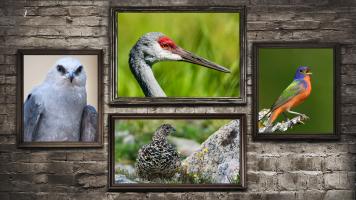
This article is the second of a three-part series covering the best locations in the United States for birdwatching and bird photography. Be sure to check out 10 Eastern Hotspots and 10 Western Hotspots and don’t forget to keep a field guide handy for identifying what you encounter.


by Cory Rice · Posted
This article is the first in a three-part survey of the best locations for birdwatching and bird photography in the United States. Subsequent articles will cover Central and Western regions. Before visiting any of the destinations listed below, be sure you have a reliable field guide to help with identifying what you encounter.
Everglades National Park, Florida
Leading off the list is a World Heritage Site and one of the great

by Shawn C. Steiner · Posted
These are trying times for all. The spread of the SARS-CoV-2 coronavirus, which causes COVID-19, has led governments to take drastic actions, put strains on businesses, and has affected all individuals in a personal way. It is incredibly important that we all do our part during this time. As photographers and filmmakers ourselves, we want to make sure that there are some key guidelines out there to help prevent the spread of the virus and keep everyone healthy and happy.
Do: Maintain Social Distancing
I’m hopeful you all have heard of social

by Jill Waterman · Posted
The bright lights and lively bustle of the city at night is especially captivating to photographers, who have long sought to capture this rich spectrum of color, contrast, and motion in images. Yet there is more to consider in the world after dark than just a snapshot approach and automatic camera settings. With this in mind, consider these seven tips to help you get the most out of urban environments in low light.
Establishing time and place

by Jill Waterman · Posted
Ami Vitale has a remarkable affinity for life-changing events. A native of South Florida, Vitale was a self-described shy, gawky child who, like many young girls, possessed little confidence. The assessment of a grade school teacher, who told her she was not very good at English, stuck with her for years. “I just thought that I had no ability as a writer, or as a creative person,” she says. “I remember thinking I was going to become an engineer because I had almost perfect math scores on my SAT.”
Photographs © Ami Vitale