Search results for: photography tips solutions sensor size factors
About 30 filtered results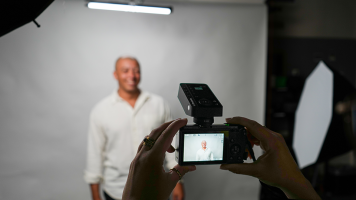
by Luke Rollins · Posted
At first glance, studio photography and the compact camera may seem strange bedfellows. The type of work associated with the studio—still life, product photography, portraiture, macro photography—usually wants cameras with larger sensors and interchangeable lenses, especially in professional applications. Compact, point-and-shoot cameras, for their part, have their natural home in everyday, travel, nightlife, and street applications, where their discretion and size become virtues.
It might seem almost cruel to introduce the compact to the

by Mathew Malwitz · Posted
At one point or another, you’re bound to hear someone say that you need to shoot in a RAW file format. There are advantages to this decision, from additional detail to better control over the look of our final image. But what exactly is a RAW file and what does it do for our photographs? In this guide, we aim to give you a better understanding of the RAW file and how to use it to our advantage.
What Is a RAW File?
RAW files, sometimes referred to as digital negatives, are the raw data recorded by your camera’s imaging sensor. This data is

by Luke Rollins · Posted
Now that the smartphone is fully ensconced in its villain arc, the most enthusiastic anti-smartphone partisans have taken to unbundling the suite of functions Steve Jobs first consolidated: camera, phone, music player, notebook, paperback, watch, and day planner amongst others, but more importantly with each function getting its own discrete, purposed object in the everyday carry bag.
Vibes and aesthetics belong to them all on their own, but uncoupled they each demand a level of attention and consideration that their grouping suppresses. For
by Mathew Malwitz · Posted
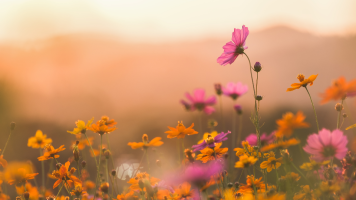
If there’s one question fledgling photographers often ask, it’s “How did you get such a nice background?” Backgrounds are an essential element of a photograph that are often neglected. In fact, it’s safe to say that a background is as important to a composition as the subject itself. After all, a distracting one will detract from an image.
In this guide, we’re going to cover the many methods used to capture clean, smooth backgrounds in our images. This will encompass the settings and gear involved as well as the in-the-field techniques you can
by M. Brett Smith · Posted
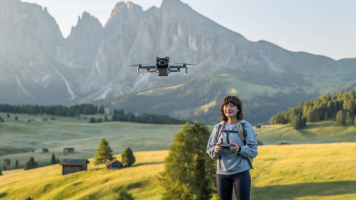
The best beginner drones are easy to operate, durable, and come equipped with user-friendly features designed to help novice pilots get accustomed to operating a drone.
Best Beginner Drone Overall: Potensic ATOM 2
Best Beginner Drone for Photography: DJI Mini 5 Pro
Best Beginner FPV Drone: EMAX Tinyhawk III
Best Value Beginner Drone:

by Steven Gladstone · Posted
Whether you’re a student or a seasoned veteran, selecting the right camera can make your head spin with questions. Does sensor size matter? What’s the difference between 4:2:0 and 4:2:2? Do I really need a camera that can record 8K? What about raw? We’ll explain the key components that help a camera produce cinematic images, and in doing so, hopefully help you make that all-important decision.
Evaluate Your Needs and Your Budget
Before considering certain cameras, you must know your needs and your budget. And be realistic. If you are a student

by Mathew Malwitz · Posted
As you begin to research cameras, you’ll likely hear some technical jargon about sensors. While it’s easy to ignore some elements of any devices, there’s no way to work around sensors. But what is a sensor and what does it do? In this guide, we’re diving into the often confusing world of imaging sensors. By time we’re done, you’ll have a better understanding of the most significant component in our digital camera.
About Sensors
What Is an Imaging Sensor?
At the heart of our digital cameras sits an imaging sensor, which serves as the digital

by Zack Young · Posted
Once you’re familiar with the basic concepts behind high-volume photography, the next logical step is to figure out what gear you need to purchase. That’s when the panic might hit. Suddenly you’re flooded with decisions about cameras, lenses, strobes, backdrops, barcode scanners, and more, each category including tons of different options at every

by M. Brett Smith · Posted
Thanks to the continued development of drone technology, aerial imaging has become a much more viable and potentially lucrative option for wedding photographers and videographers. Modern drones can capture images like never before, whether it’s a breathtaking still from a new and previously unattainable perspective or a cinematic tracking shot of the entire ceremony. With the right drone, the

by Allan Weitz · Posted
For the longest time, comparing image quality between point-and-shoot cameras and full-frame cameras, or even APS-C format cameras, was a conversation you could have start to finish during the course of an elevator ride. Point-and-shoot cameras were convenient, but the detail and dynamic range of their smaller sensors never measured up to the detail and dynamic range you get from larger sensors. And then one day Sony introduced a new 1" format CMOS sensor, and BOOM! People started having second thoughts about slinging heavy camera bags over

by Tim Ireland · Posted
Macro photography allows photographers to explore the intricate details of subjects at a 1:1 or greater magnification ratio. However, capturing sharp, stable, and well-lit macro shots can be challenging, due to factors like camera shake, focusing difficulties, and lighting issues. This comprehensive guide will delve into the support systems and related tools that can enhance your macro photography experience, addressing specific challenges that may arise.
Stabilization Tools
Studio Stands: Studio stands are large, stable support systems

by Rachel Leathe · Posted
What makes a camera good for landscape photography? In this article, we’ll dive into factors such as megapixel count, sensor size, usability, weather readiness, and design—helping you develop your own personal metric for finding the ideal camera. We’ll help you wade through all the technical mumbo jumbo to figure out what specs really matter, whether you want to capture stunning mountain ranges or shoot star-strewn night skies.
Megapixels
It doesn't get much more basic than megapixels. They're like the atoms of photography. But just how many

by Mary Latvis · Posted
Welcome to Filmmaking 101, where we offer some tips on how to go about creating your movie masterpiece. Read on to discover suggestions for your pre-production, production, and post-production phases.
Pre-Production
Scriptwriting
You have your idea for an arthouse masterpiece or an action-based blockbuster; now how do you translate that into a script―the backbone of your production? You can use MS Word, Google Docs, or another document program. But using dedicated screenwriting software provides the standard formatting, outline tools,

Posted
Cropped or full frame? Not sure which type of camera to get? Matt Matkin is here to help explain the differences between the sensor sizes. In this B&H video, he shares results from each evaluation to help you make an informed decision.
0:00 - Introduction
0:15 - Sensor Size and Crop Factor
2:56 - Pros and Cons
4:14 - Budget
5:00 - Final Thoughts
Are you team crop or team full-frame? Let us know your allegiance in the Comments section, below.

by Stepan Andranikian · Posted
Following its electrifying debut in 2020, the Sony FX6 quickly established itself as a true powerhouse in the world of compact cinema cameras—thanks, in part, to its exceptional image quality, low-light dominance, and feature-packed design. Today, Sony's Cinema Line is more robust and well-rounded than ever, with the FX6 sitting firmly between the tried-and-true FX9 and the more recent FX3.