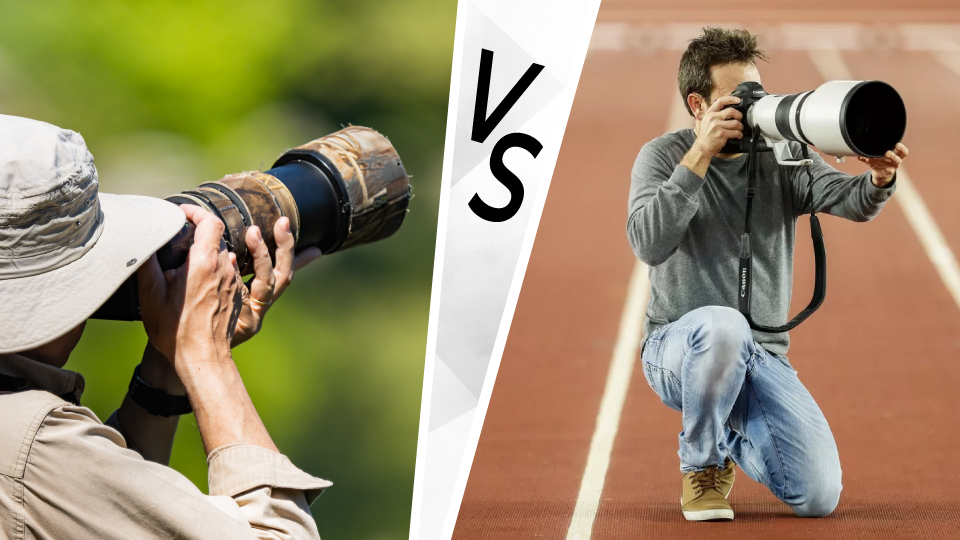
Many photographers, attempting to postpone a major decision or save money, will buy a lens they believe will give them the results they desire, only to find that the lens does not perform as expected. When budget is a factor (and when isn’t it?), it’s important to select a telephoto lens that best serves your specific purposes. When it comes to sports and wildlife photography, the purposes are often similar—magnify distant subjects, separate the subject from background—but it’s worth understanding a few basic distinguishing features and how they best advance either of these genres before making a lens purchase.

In addition to prime or zoom focal length and aperture, it is important to consider image stabilization, lens dimensions and weight, optical design, and weather sealing, and then balance these features based on your budget and the needs of your practice. Even lenses with the same focal length or range of focal lengths can be different from one another and perhaps not ideal for your discipline. For example, a 70-200mm f/2.8 lens, such as this one from Sony, is an all-arounder that serves sports, wildlife, photojournalism, and many other photo needs. However, there is also the 70-200mm f/4 version, which is a worthy, more affordable, and lighter alternative.
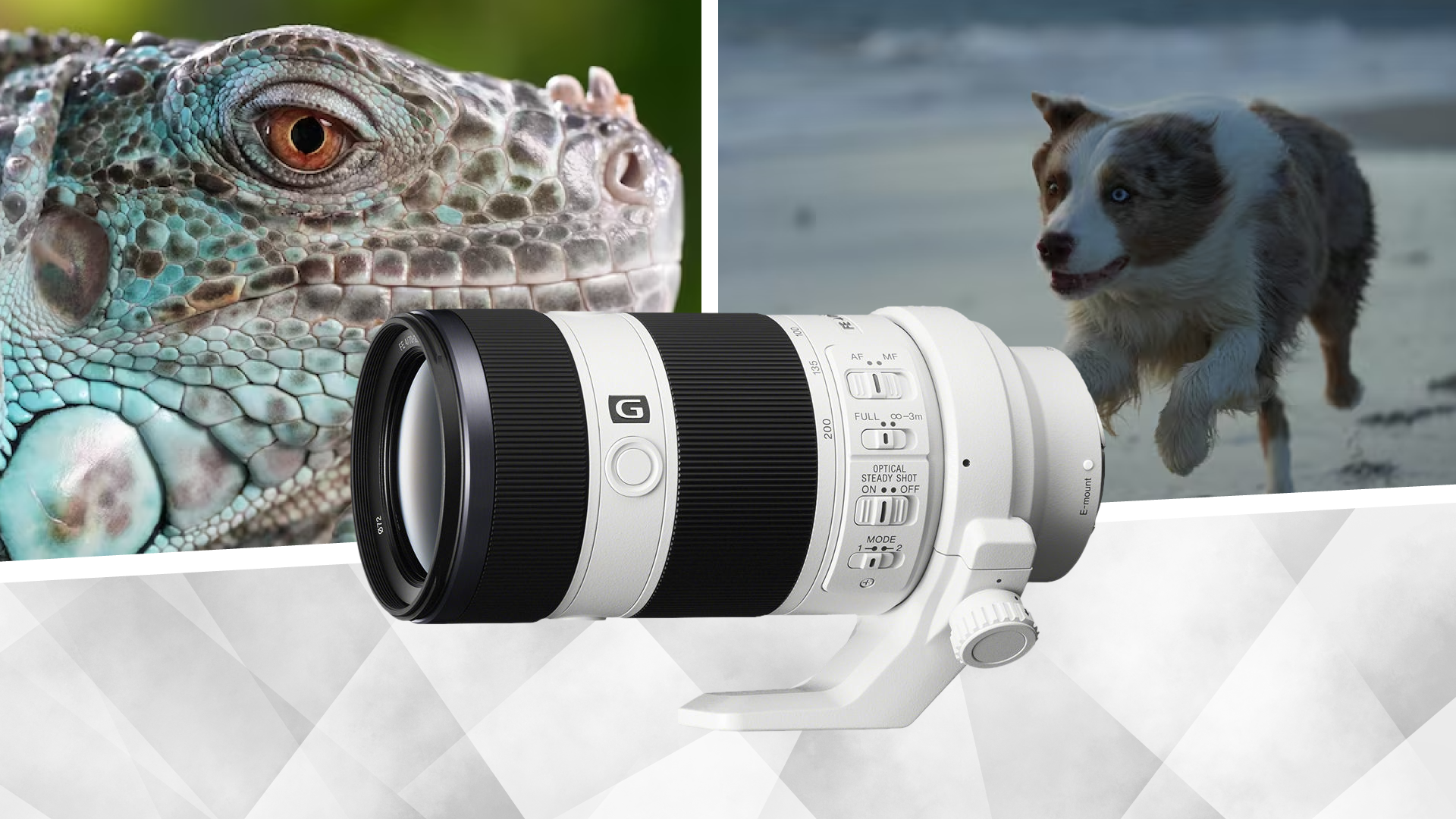
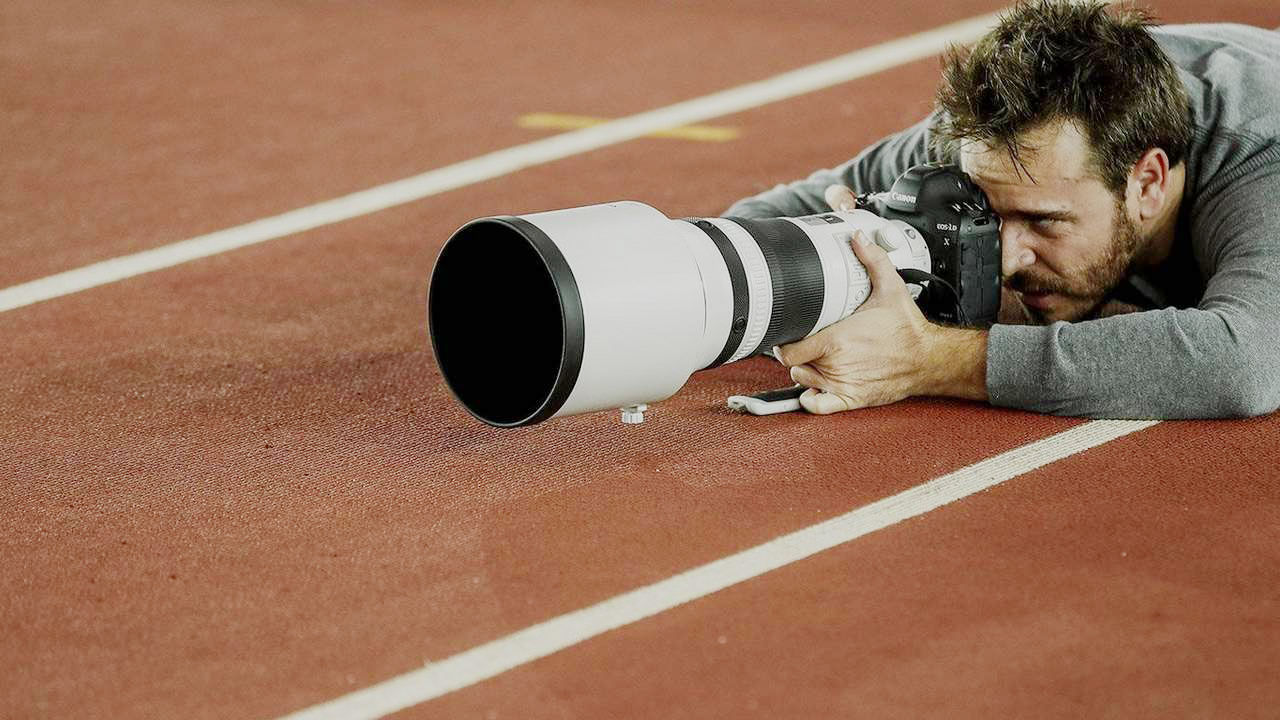
As a rule of thumb, sports photography calls for telephoto lenses with wider maximum apertures, which can utilize faster shutter speeds and, therefore, freeze moving action. These lenses tend to be large and heavy, not bad if you are relatively stationary and working with support, but if you are carrying them into the woods or holding the lens for long durations, it’s worth looking into lenses with slower maximum apertures as well as zoom lenses, which are often smaller.
Also, image stabilization technology is something less critical for sports because it does not have an effect on moving subjects, only on camera movement. Many sports photographers use monopods to stabilize their cameras and are shooting at particularly fast shutter speeds, thus negating the need for image stabilization. Also, many sporting events are held indoors, at night, or in less-than-ideal lighting, and it is here when a faster maximum aperture lens is of value, despite its cost.
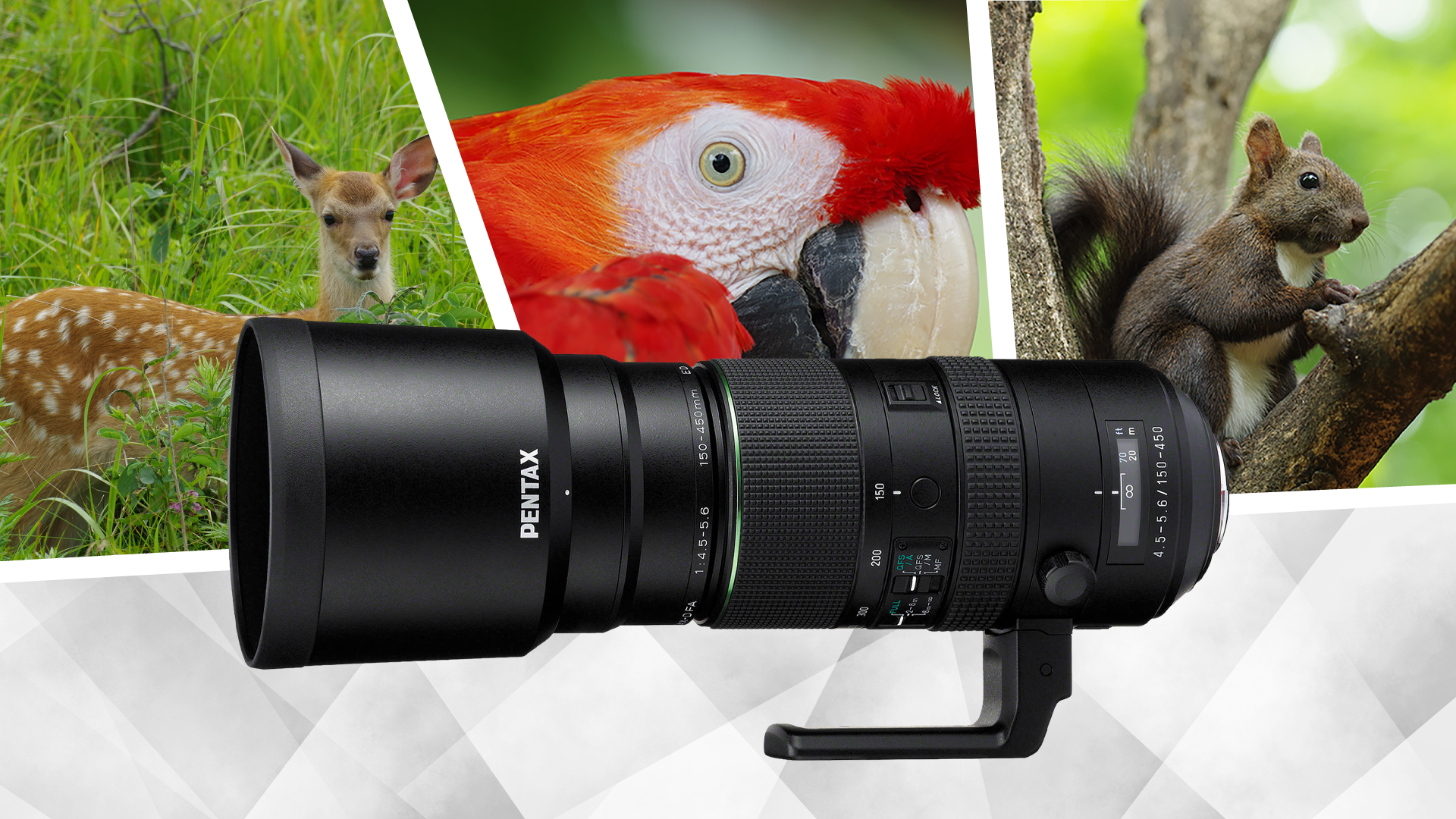
When it comes to wildlife photography, image stabilization can be more effective, so finding a lens and camera combination that has a quality stabilization system is advantageous—and more affordable than buying a lens with a wider maximum aperture. Think of bird photographers who photograph a perched, relatively still subject at a distance. The vibration and camera shake in those instances can be “compensated for” by image stabilization and, in normal daylight conditions, a “slower” f/4 or f/5.6 maximum aperture lens is sufficient. As mentioned, size and weight, while important in all disciplines, may be more crucial to wildlife photographers since their subjects are usually a bit less predictable than sports subjects.
Also, certain lenses and brands are known for their durability and weather sealing, which could be important at outdoor sporting events, but is certainly important when photographing birds and wildlife. Pentax lenses are recognized for their weather-resistant designs, although weather sealing can be found in a wide variety of lenses made by most Nikon, Canon, Sigma, FUJIFILM, and Sony, to name a few.
To be clear, there are telephoto lenses that are ideally suited for both sports and wildlife photography. A 400mm prime lens, for example, is a lens that can be used in both practices, and if you use teleconverters, it can be a one-lens solution for several needs. Looking again at the previous example of an f/2.8 lens versus an f/4 lens, the f/4 is often the better choice for wildlife photographers, who benefit from the smaller form factor and lighter weight, and can manage the f/4 design because they will typically be working in natural light. The reduced cost and inclusion of image stabilization in f/4 designs are further added benefits, too.
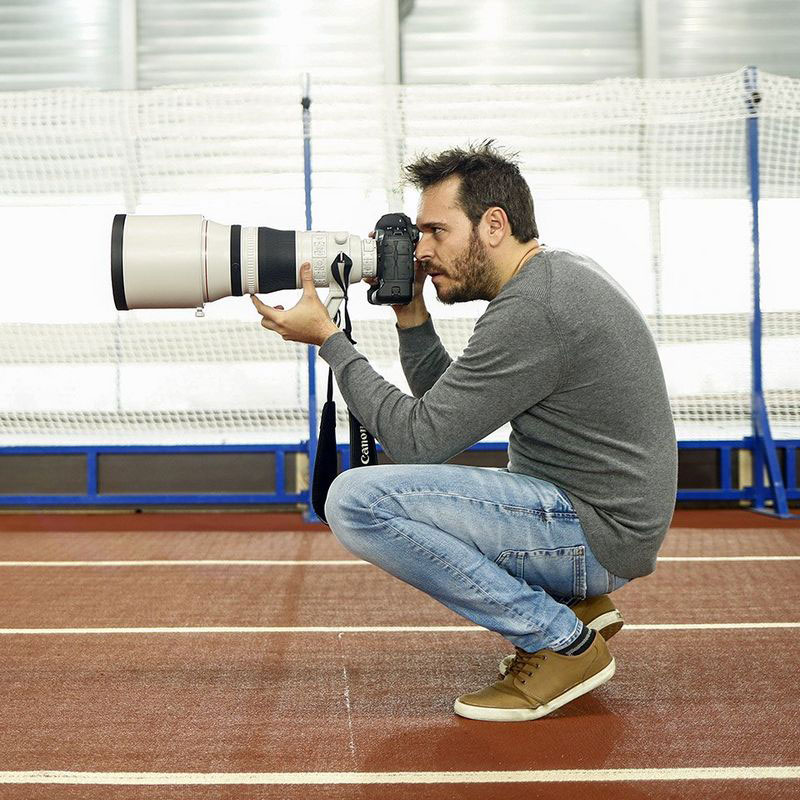
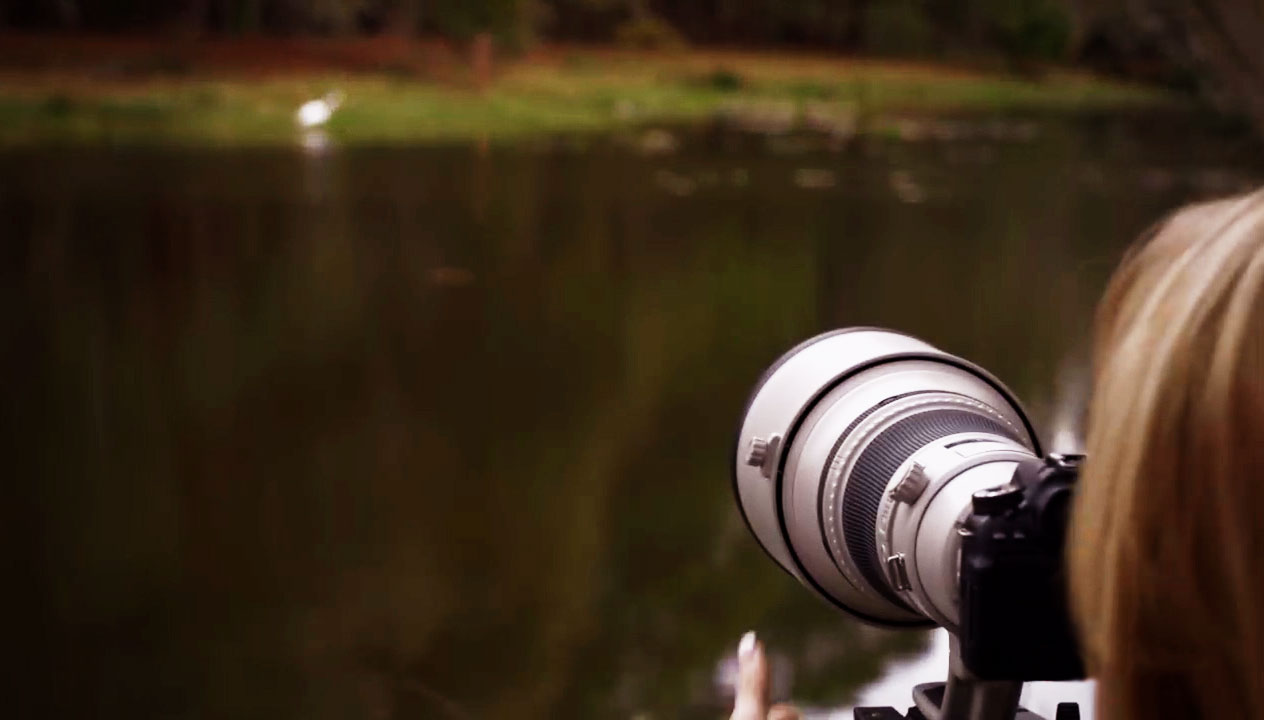
Another aspect to consider is prime lenses versus zoom lenses. Telephoto primes are some of the most expensive on the market and, while versions from most brands are undoubtedly of the highest quality, is a prime lens the best use of your photo dollar, especially for wildlife shooters? You will often see sports photographers on the sideline with long prime lenses, and this is ideal if they are at an established distance from their subject (think tennis or baseball). Of course, bird and wildlife photographers do use long primes, but a versatile telephoto zoom, around the 100-400mm range, may be more useful when composing images of less-predictable creatures.
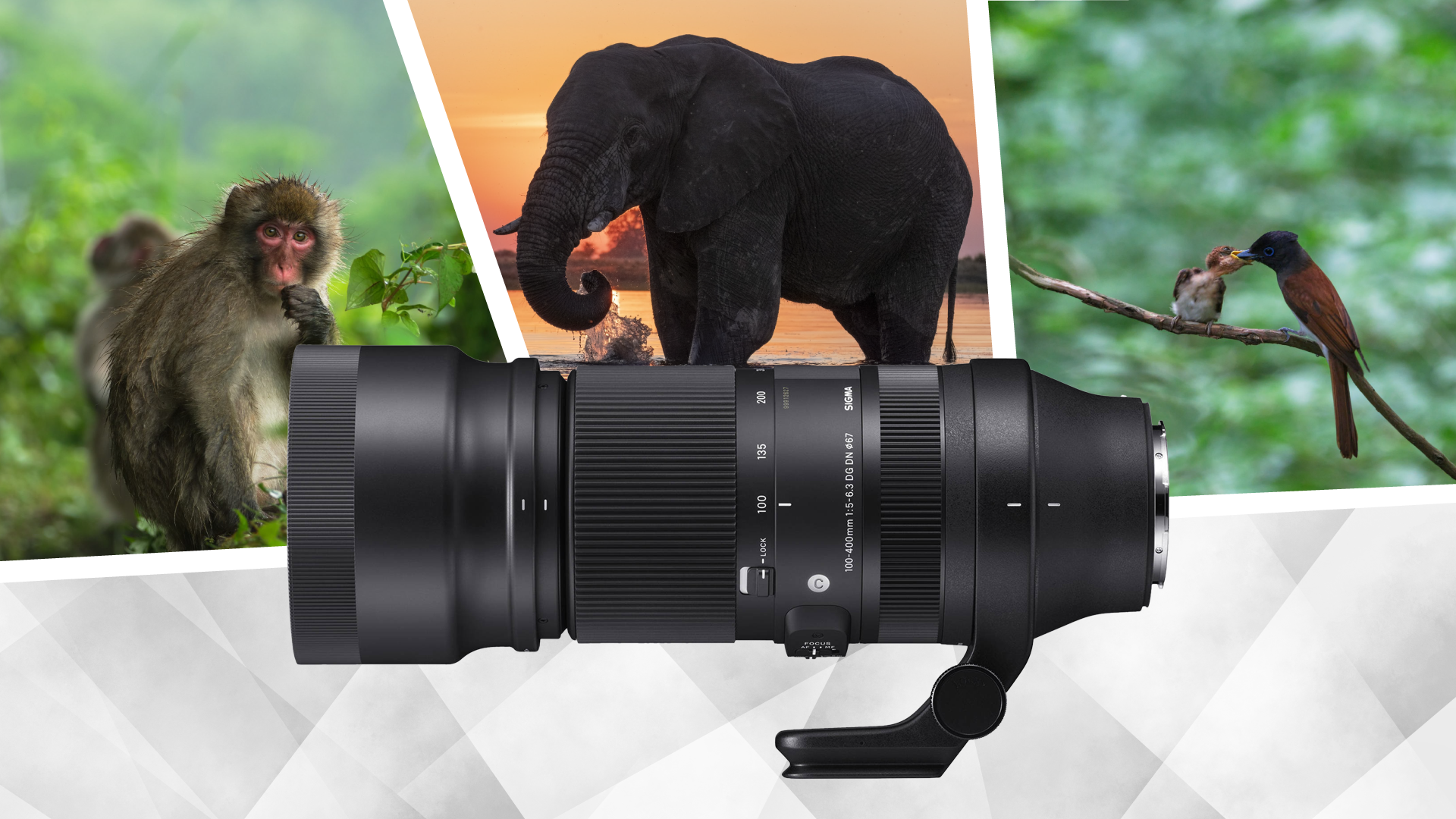
These have been some generalized considerations to explore when you’re researching lenses for shooting sports and wildlife, and it’s very important to look at all the specs and features of each lens before you make a purchase.
In the Comments section, below, please let us know your thoughts, and feel free to ask us questions about purchasing the right telephoto lens for your purposes.
For more sports-related news, tips, and reviews, be sure to check out the Sports Photography section of B&H Explora.
