Search results for: photography tips solutions using flash bird photography
About 7 filtered results
by Mathew Malwitz · Posted
Wildlife photography is one of the most therapeutic and rewarding genres of photography and it’s also one of the most popular. There’s just something so special about being able to witness the magic, and with new camera tech, wildlife photography is easier than ever. That said, the thrill of the shot can overshadow good decision-making, leading to unethical practices. But what are ethical practices?
Take nothing but photographs, leave nothing but footprints—an adage well-known by nature enthusiasts of all levels, but not all that practical.

by Mathew Malwitz · Posted
You don’t have to go far to capture fun and engaging images of wildlife. In fact, you may not have to go anywhere at all. A carefully landscaped yard and the right tools can attract an impressive variety of animal life to observe and photograph. Pair that with a little patience and soon you’ll be capturing stunning images from the comfort of your own home.
Attracting Birds
Birds are part of nearly every environment, from the densest cities to rural areas. While they are common, we’ll need to offer three essentials—water, shelter, and food—to

by Mathew Malwitz · Posted
Winter brings with it some of the best photographic opportunities imaginable. As the temperatures begin to drop, our approach to photography changes a bit. Cooler weather brings with it snow, stunningly colorful evening skies, wintering birds, and an assortment of beautiful weather conditions. Some of the best photographic opportunities present themselves in these unfortunately cold times. That being said, if we prep ourselves and our gear appropriately, we can capture stunning images.
Before You Head Out
First, some safety precautions. Cold

Posted
Kristi Odom explores the Bolivian Amazon to share and photograph its gorgeous biodiversity, from the birds to the insects.
0:00 - In this Video
0:44 - Deforestation
1:57 - Bees
5:44 - Yellow-Rumped Cacique Bird
8:20 - Insects
10:38 - Hummingbirds
14:07 - What's Next
Sponsored by
The close-up photos of animals are organic interactions taken from inside an animal sanctuary. There was no baiting or luring of wild animals.
by Brian Zwiebel · Posted
The technological advancements in photography could hardly be imagined by photographers using slow film with manual focus, non-stabilized lenses just 20 years ago. Go back further and cameras did not even have built-in meters. Photographers had to use an incident meter to determine a proper exposure, then dial-in the settings manually. Everyone had to know how to use manual mode!
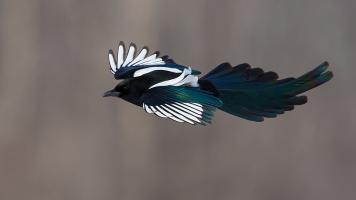
Above image: Black-billed Magpie; manual mode; 1/2000 second; f/8; ISO 800
The above image was the ultimate exposure challenge. A high-contrast bird was flying in
by Jill Waterman · Posted
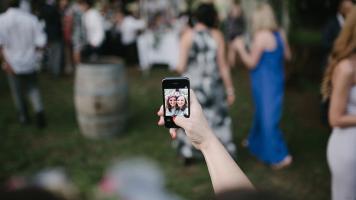
Everyone is a photographer these days, with iPhones or other devices constantly at the ready, and anxious to capture every photogenic moment or significant event—from daily selfies to pivotal moments in the lives of family and friends. Nothing is sacred amid this picture-taking frenzy, not even the complex orchestrations of a wedding day.
Above photograph: © Jai Long, Free the Bird Photography
So, what can a professional wedding photographer do to stem the tide of snap-happy wedding guests, oblivious to the fact that they are homing in on your
by Todd Vorenkamp · Posted
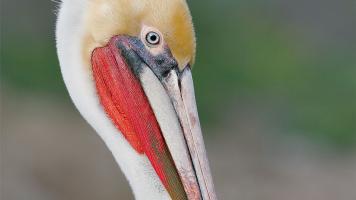
La Jolla, California, is the best place on the planet to photograph the spectacular Pacific race of Brown Pelican, along with a nice variety of other birds that frequent coastal California. In winter, the pelicans and several other species like Brandt’s and Double-crested Cormorants, are molting into their handsome breeding plumages. The pelicans sport their fire-engine-red bill pouches. Most days are clear and sunny. Making images of the pelicans with deep Pacific-blue backgrounds is a snap. On sunny days, I point my shadow right at my avian