Search results for: photography tips solutions what is image stabilization how does it work
About 13 filtered results
by Mathew Malwitz · Posted
Who doesn’t love a close-up shot of a flower or bumble bee? Some of the most beautiful aspects of nature are quite small and require special tools to capture them in a meaningful way. Whether it be of a cute little insect visiting our garden, or miniature figurines you paint and sell, we need a camera that can focus close and deliver good, quality results.
Before you panic, hear us out. We don’t need to get carried away with complicated lenses and accessories, and can just enjoy yourself with a simple compact,
by Mathew Malwitz · Posted
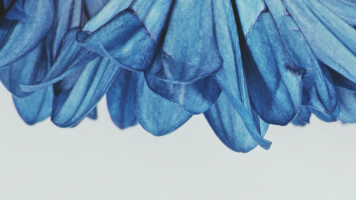
We’ve all tried to photograph something up close. This small-scale world fascinates us all, whether it be a stunning flower or a bumble bee crawling about, but our cameras can’t seem to focus as close as we want. So, what is a struggling photographer to do?
There are several ways to do close-up, or "macro" photography, but the

by Emily Mandagie · Posted
"Alright, your time in flight will be approximately twelve minutes." Berty and I swallowed that weighted sentence and nervously nodded in response. Smiles were on the outside, but deep inside we were wondering how in the world we were going to make the most of those fleeting seconds in that helicopter and capture exactly what we wanted from the sky!
Aerial photography can be exciting and exhilarating. But it can also come with a lot of added challenges, such as time limits, weather conditions, and—let's be real—a large expense! (Flights aren't
by Caleb Quanbeck · Posted
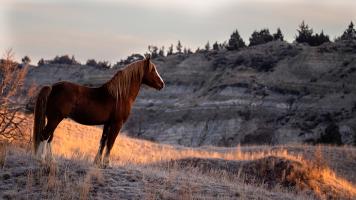
Getting close enough to wild animals is one of the greatest challenges a wildlife photographer faces. So how do you solve this problem? The way most wildlife photographers do is to buy a telephoto lens with as much reach as their wallet allows. Today, a fairly economical way to enter the realm of the super-telephoto lens has been via the family of very nice 150-600mm lenses from brands like Sigma and

by John Harris · Posted
What can you do with a high-end telephoto lens? Be a boss, is what you can do. I mean, c’mon! Strutting around the sidelines or cuttin’ through the bush with one of these beasts resting on your shoulder―not only do you look tough, but you’re also carrying a lens that you need to get the best photos in sports and wildlife photography. When I say best, let’s not underestimate the greatness of photographers who can create wonderful images with a wide-angle lens or even a telephoto of lesser quality, but to really excel in the disciplines of

by Todd Vorenkamp · Posted
When most of us think of “sports photography,” we immediately think of iconic images from the world of land-based sports—American football, track and field, boxing, baseball, and others. One could argue, however, that yacht racing and sailing regattas provide the canvas for some of the most spectacular images in all of sports. And, if you have spent time around the water, seen the framed print on the wall of my physical therapist’s office, or flipped through the pages of any sailing magazine, you might have noticed that professional sailboat

Posted
In early July 2020, Canon announced a pair of EOS R-series cameras that should prove to be true game changers in the world of mirrorless cameras. The new cameras are the Canon EOS R5 and R6. Both are full-frame cameras—the R5 features a 45MP sensor, the R6 features a 20MP sensor—and have amazing stills and video. The following is everything else you need to know about these exciting new cameras.
Also, at the top of this page is a replay of our Live Q&A with Canon Technical Expert Rudy Winston. You'll find some questions have an

by Allan Weitz · Posted
FAQ is a new ongoing series of B&H Explora posts regarding frequently asked photography-related questions. Topics we plan on covering include cameras, lenses, flash, accessories, and photo technologies. Many of the questions we’d like to answer will be based on feedback from our in-house experts at the B&H Chat lines and online sales. We’ll also choose topics based on listener feedback, so if there’s a topic you’d like us to address, let us know about it in the Comments field that follows this post.
Our first FAQ topic is image

by Todd Vorenkamp · Posted
Few cameras are better suited to lunar photography than today’s digital “bridge cameras” or, as they are popularly known, superzooms. As capable and easy as these cameras are to use, if you want to employ a superzoom camera to get top-quality moon photos, there are a few tips that might help you raise your game when shooting your

by Allan Weitz · Posted
Sometimes, the phrases, acronyms and strings of numbers or number-letter combinations used to identify photographic hardware or techniques can be daunting to the uninitiated neophyte photographer.
We've prepared a list of the basic terms. Have we left any out that you think should be added? Please let us know!
0-9 | A | B | C | D | E | F | G | H | I |

by Mike Wilkinson · Posted
As prices continue to plummet and resolution continues to rise, it is becoming commonplace for amateur and hobbyist photographers to purchase a high-quality digital stills camera—mirrorless or DSLR. Even a photographer with a $500 camera can capture amazing clarity with just about no training whatsoever. Almost every one of these cameras now has the option to shoot video, usually in an HD resolution (or even 4K video, on some models). Lots of photographers, even the professional ones, are clueless when it comes to picking the best settings,
by Todd Vorenkamp · Posted
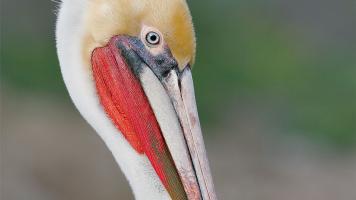
La Jolla, California, is the best place on the planet to photograph the spectacular Pacific race of Brown Pelican, along with a nice variety of other birds that frequent coastal California. In winter, the pelicans and several other species like Brandt’s and Double-crested Cormorants, are molting into their handsome breeding plumages. The pelicans sport their fire-engine-red bill pouches. Most days are clear and sunny. Making images of the pelicans with deep Pacific-blue backgrounds is a snap. On sunny days, I point my shadow right at my avian

by John Harris · Posted
So, you just bought your first DSLR camera and you are interested in joining the ranks of image-makers everywhere who find pleasure and creativity in documenting the world as they see it. What are you gonna do now? Do you know how to set your aperture? Or what ISO is? Did you know that DSLR stands for Digital Single Lens Reflex? It doesn’t matter: what you do know is that you’re ready to step up from your point-and-shoot camera and create images over which you have more control.
A digital SLR camera is a great machine that allows you to