UV Filters

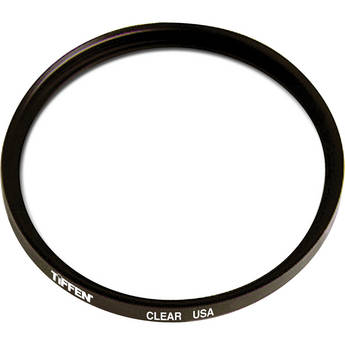
Tiffen 62mm Clear Filter
- Clear Protection Filter
- Prevents Damage to Lens
- 1x Filter Factor, +0 Stop
- No Effect on Image
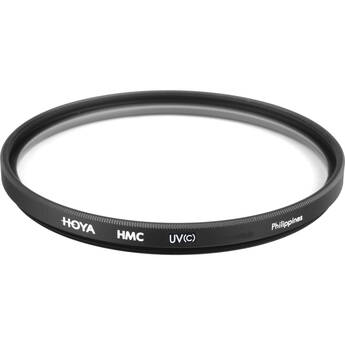
Hoya 58mm Ultraviolet UV (C) Haze Multi-Coated Filter
- Thinner "C" Mount Design
- Standard UV Filter
- Minimizes Bluish Cast
- Protects Lens Element
B+W UV-Haze #010 MRC Basic Filter (58mm)
- Reduces Ultraviolet Light Transmission
- Reduces Bluish Caste of Daylight
- 99.5% Light Transmission
- 1x Filter Factor, +0 Stop
B+W MRC BASIC 007 Clear Filter (62mm)
- Highly Transparent Protective Glass
- MRC Hydrophobic Coating
- Color-Neutral
- Low Reflection
K&F Concept Nano-X Series Ultra-Low Reflection UV Filter (62mm)
- 99.8% Light Transmission
- 0.1% Surface Reflection
- Suited to 4K & 8K Video Capture
- Titanium Coating, 28-Layer Nano Coating
Chiaro Pro 86mm 98-UVATS UV Filter
- 98% Light Transmission
- Multicoated
- Clear UV Protective Filter
- Polished Optical Glass
Tiffen 82mm Clear Filter
- Clear Protection Filter
- Prevents Damage to Lens
- 1x Filter Factor, +0 Stop
- No Effect on Image
ZEISS 58mm Carl ZEISS T* UV Filter
- Absorbs Ultraviolet Light
- Reduces Bluish Cast of Daylight
- General Protective Filter
- T* Anti-Reflective Coating
Nikon ARCREST II Protection Filter (52mm)
ZEISS 46mm Carl ZEISS T* UV Filter
- Absorbs Ultraviolet Light
- Reduces Bluish Cast of Daylight
- General Protective Filter
- T* Anti-Reflective Coating
Hoya 86mm HMC UV Filter
- Clear Protective Filter
- Absorbs Ultraviolet Light
- Reduces Bluish Cast of Daylight
- 1x Filter Factor, No Exposure Change
OM SYSTEM PRF-ZD72 Pro Clear Protection Filter (72mm)
- Protects from Scratches
- ZERO Coating on Both Sides
- Anti-Reflection Properties
Chiaro Pro 105mm 99-UVBTS Brass UV Filter
- 99% Light Transmission
- Clear UV Protective Filter
- Polished Schott Glass
- Scratch Resistant
Hoya 67mm HD3 UV Filter
- Clear Protective Filter
- Absorbs Ultraviolet Light
- Reduces Bluish Cast of Daylight
- 1x Filter Factor, No Exposure Change
B+W UV-Haze #010 MRC MASTER Filter (86mm)
- Color-Neutral Transparent Glass
- Blocks UV Light & Protects Lens
- MRC Nano Coating & Low Reflection
- Compatible with Wide-Angle Lenses
Chiaro 67mm 90-UVAT UV Filter
- 90% Light Transmission
- Clear UV Protective Filter
- Polished Optical Glass
- Hard Anodized Aluminum Slim Filter Ring
Tiffen 55mm Clear Filter
- Clear Protection Filter
- Prevents Damage to Lens
- 1x Filter Factor, +0 Stop
- No Effect on Image
K&F Concept Nano A-Series Slim UV Filter (49mm)
- Clear UV Filter Prevents Damage to Lens
- Schott B270 Optical Glass
- Multicoated on Both Surfaces
- Transmittance: 99.20%
Tiffen Digital Ultra Clear Water White Filter (67mm)
- Clear Protection Filter
- Water White Glass Construction
- ColorCore Technology
K&F Concept Nano A-Series Slim UV Filter (77mm)
- Clear UV Filter Prevents Damage to Lens
- Schott B270 Optical Glass
- Multicoated on Both Surfaces
- Transmittance: 99.20%
B+W MRC BASIC 007 Clear Filter (39mm)
- Highly Transparent Protective Glass
- MRC Hydrophobic Coating
- Color-Neutral
- Low Reflection
SmallRig UV Filter for FUJIFILM X100 Series Cameras (Black)
- For FUJIFILMX100V and X100VI Cameras
- Multilayer Coated Protection Filter
- Protects Front Lens Element from Damage
- High-Resolution Optical Glass
Tiffen Digital Ultra Clear Water White Filter (82mm)
- Clear Protection Filter
- Water White Glass Construction
- ColorCore Technology
B+W UV-Haze #010 MRC MASTER Filter (40.5mm)
- Color-Neutral Transparent Glass
- Blocks UV Light & Protects Lens
- MRC Nano Coating & Low Reflection
- Compatible with Wide-Angle Lenses
K&F Concept Nano-X Series MCUV Filter (62mm)
- Protective Filter
- Absorbs Ultraviolet Light
- 99.6% Light Transmission
- Japanese AGC Optical Glass
Chiaro Pro 52mm 99-UVBTS Brass UV Filter
- 99% Light Transmission
- Clear UV Protective Filter
- Polished Schott Glass
- Scratch Resistant
Tiffen Multicoated UV Protection Filter (77mm)
- Clear Protective UV Filter
- Schott B270 Optical Glass
- 18-Layer Multicoating
- Slim Design Aluminum Frame
UV Protection Lens Filter
UV filters were once an indispensable part of every keen photographer's tool kit. The film of yesteryear was highly sensitive to ultraviolet light, so photographers who didn't use filters often found their outdoor photos marred by a blue haze. This was especially true for pictures taken on sunny days, near water or snow, or at elevated locations. For this reason, ultraviolet filters were often referred to as "haze filters."
Thanks to modern technology, blue haze is a thing of the past. In most cases, today's film and digital sensors handle UV light just fine without the need for filtration. Polarizing filters are more popular today as they darken skies, manage reflections, and suppress glare. However, UV filters are still used today, mainly to protect camera lenses from getting damaged.
What Are UV Filters for Cameras?
Filters are made of glass, and attach to the front of your lens to block ultraviolet light, the invisible light found just under the blue end of the visual spectrum. Some lens filters use plain glass and others feature various coatings to enhance the filtration process.
UV lens filters come in a range of price points, depending on their build and particularly the quality of the glass used. High-end filters often feature thin and optically pure glass. Other features of quality filters include the coating and the materials used for the retaining ring. Brass is the material of choice for high-end photo filters, while budget models favor aluminum.
What Is a UV Filter Used for in Photography?
As ultraviolet light is no longer a problem for film or digital cameras, the primary purpose of UV lens filters today is the protection they offer. Fitting a filter helps keep your lenses safe from dust, moisture, fingerprint smudges, and accidents, such as knocks and falls. It's also far cheaper to replace filters than lenses.
Should You Use a UV Filter on Your Lens?
UV lens filters make sound investments for the protection they provide. This is especially true if you shoot at locations such as beaches or jungles where there's a high risk of scratching or moisture damage. Packing one or several in your camera bag along with items such as solar photography filters is a smart move.
However, one issue with filters is that they do block a very small amount (between 0.1% and 5%) of light, and this may affect picture quality in terms of contrast and sharpness. On the other hand, some critics maintain that picture degradation would be even higher with a naked lens that had scratches from no protection by a filter.