Search results for: photography buying guides what lens should i buy
About 67 filtered results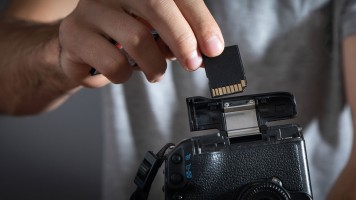
by Steven Esposito · Posted
When it comes to preserving and protecting your digital photographs, choosing the right storage solution is critical. In this guide, we’ll walk you through some of the important factors to consider when shopping for a storage solution, including which specs to focus on and the different storage category types. We’ll also include some of our favorite storage options and explain what makes them so great.
Understanding Your Storage Capacity
A good rule of

by Mathew Malwitz · Posted
Are accessories essential to completing a look? As a camera store, we're not exactly fashion experts. That said, we can confidently say that certain photo accessories are essential to getting the most out of your compact cameras. In this guide, we're looking at the must-have accessories that every compact camera owner should own—from absolute necessities to the more stylish options. Let's get started.
Memory Cards
When unboxing a point-and-shoot camera, expect to find a camera, battery, wrist strap, and a charger. What's usually not included
by Luke Rollins · Posted
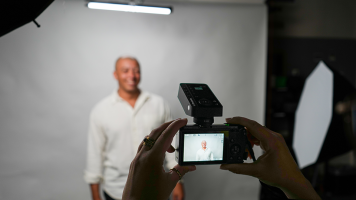
At first glance, studio photography and the compact camera may seem strange bedfellows. The type of work associated with the studio—still life, product photography, portraiture, macro photography—usually wants cameras with larger sensors and interchangeable lenses, especially in professional applications. Compact, point-and-shoot cameras, for their part, have their natural home in everyday, travel, nightlife, and street applications, where their discretion and size become virtues.
It might seem almost cruel to introduce the compact to the

by Mathew Malwitz · Posted
Ever find yourself still struggling to make out a bird, even when your binoculars are trained directly on it? No matter how steady you hold yourself, you simply just don’t have the reach. You could get a stronger pair of binoculars, but these come with inherent drawbacks, such as stability issues and, of course, a heftier build. What’s our solution?
It’s only natural that after using a pair of binoculars, some birders will find that they yearn for more, and the only way to practically get more reach is to use a spotting scope. These are

by Mathew Malwitz · Posted
It's only natural that after using a pair of binoculars, some birders will find that they yearn for more, and the only way to practically get more reach is to use a spotting scope. These are essentially terrestrial telescopes, using one optical path to magnify an even greater distance than our typical handheld optics can manage.
As covered in our guide to choosing a spotting scope, finding the right scope can be as

by Todd Vorenkamp · Posted
Solar eclipses are awesome spectacles of nature that are irresistible to photographers. Besides eclipses, the star at the center of our solar system is an amazing photographic subject—even when it is not being partially or totally blocked by the moon. If you want to photograph a solar eclipse, or just photograph the source of our fragile planet’s warmth and light, you need a solar filter for your
by Mathew Malwitz · Posted
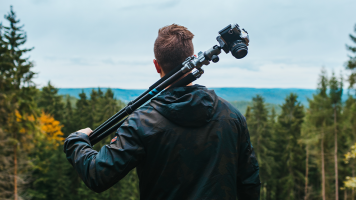
As complementary as peanut butter is to jelly, the camera and tripod are an age-old pairing that still manages to maintain relevance and unmatched functionality in a world dominated by image stabilization and Photoshop tricks. While the form and function of a tripod is far simpler to understand than the scrolling menus of today’s feature-packed cameras, it can still be a chore to choose the right setup for your needs from among a sea of manufacturers and seemingly comparable models.
Now, what’s the big deal with tripods? Most photographers
by Mathew Malwitz · Posted
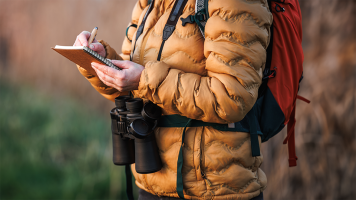
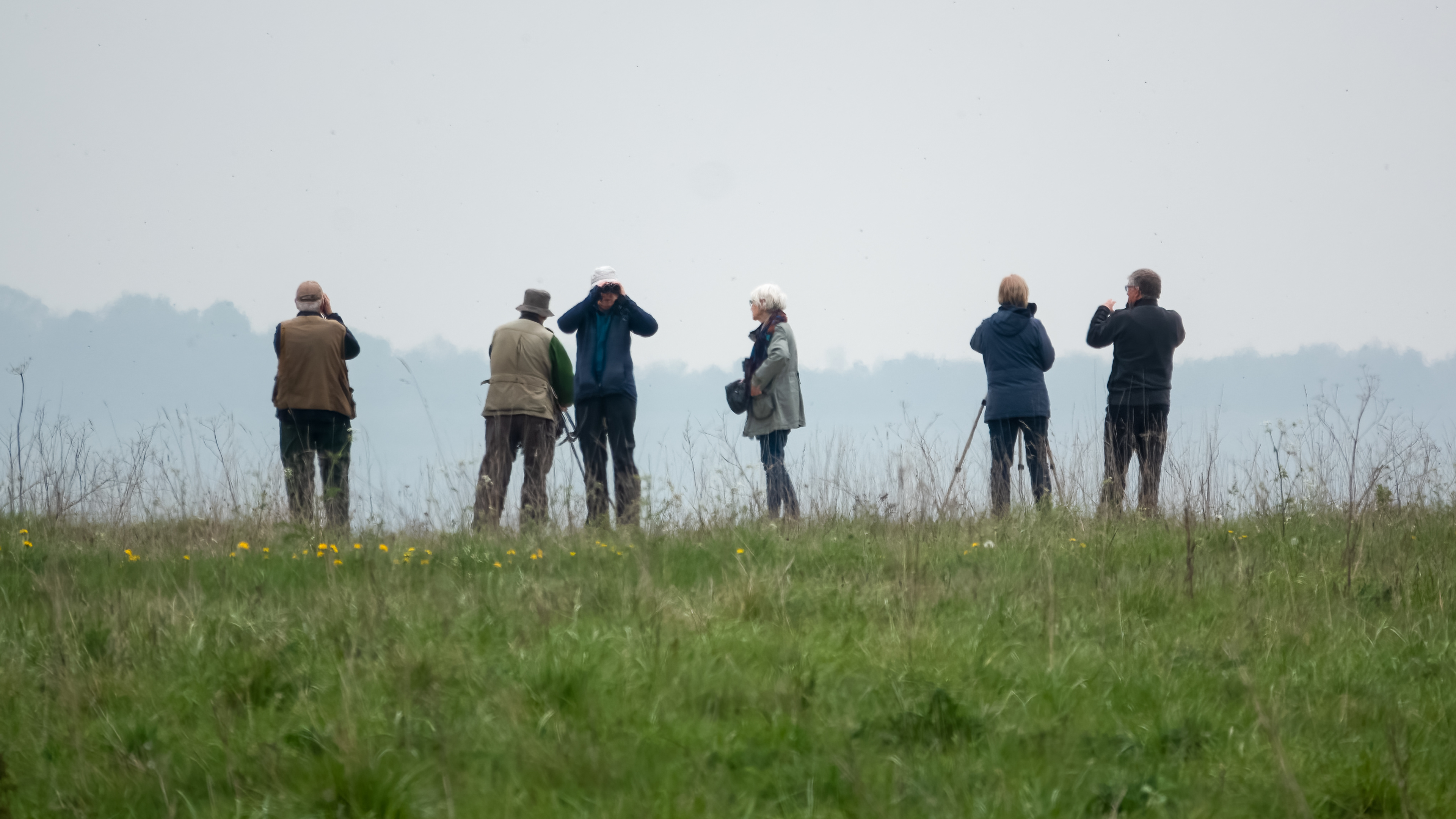
Bird-watching, known colloquially as birding, has quickly become one of the most popular past times for nature enthusiasts of all ages. In this fast-paced digital world we find ourselves in, getting outside and winding down to the sounds and sights of birds is quite therapeutic.
Every hobby has its fair share of essential gear,

by Mathew Malwitz · Posted
Dental photography is a unique genre of photography that requires a specialized set of tools to deliver the clarity, brightness, and color accuracy dentists rely upon to accurately record their patients’ progress.
In this guide, we’re going to cover the essential tools dental professionals need to capture the best quality images of their work, from the camera itself to the lighting tools required to accurately capture the color and detail of those pearly whites.
The Camera
Of course, one could use almost any camera, so long as it produces

by Mathew Malwitz · Posted
Choosing our first point-and-shoot camera can be a daunting task. There are so many cameras on the market, and at various price points. Do we need the most expensive model? Do we need the one with the longest zoom range? There’s a lot to consider, and a lot of options on the market, but which is right for us? Set tech specs aside and focus on the basics.
When choosing a compact camera, we must first consider what we’re photographing. That might sound obvious, but we can often be blinded by the size of a camera, a singular feature, or even the

by Mathew Malwitz · Posted
Bird watching and photography seem to go hand in hand. While there are some who prefer to enjoy the sights free of distraction, there are others who like to record their findings to share with others. To do that, we need a camera and picking one can be overwhelming. Many opt for the tried-and-true bridge camera, but these are limited in the quality they can deliver.
For

by Mathew Malwitz · Posted
You don’t have to go far to capture fun and engaging images of wildlife. In fact, you may not have to go anywhere at all. A carefully landscaped yard and the right tools can attract an impressive variety of animal life to observe and photograph. Pair that with a little patience and soon you’ll be capturing stunning images from the comfort of your own home.
Attracting Birds
Birds are part of nearly every environment, from the densest cities to rural areas. While they are common, we’ll need to offer three essentials—water, shelter, and food—to
by Mathew Malwitz · Posted
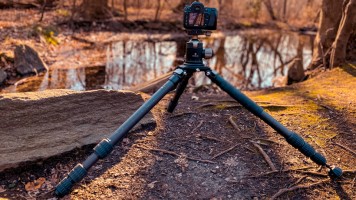
Love them or hate them, tripods are an essential piece of the photography puzzle. They allow us to capture images that would otherwise be impossible to create, whether it be due to low light or long exposures where keeping our camera motionless is essential. Even in bright daylight, tripods aid us in producing sharper images, all while freeing our hands to do other tasks.
Choosing a tripod is a highly personal choice, and there are many considerations we should take

by Mathew Malwitz · Posted
Optic size is measured by what it can do, but when you’re new to the hobby, this can be confusing. Pick up a spotting scope or any pair of binoculars and you’ll see them adorned with a set of numbers like 8x42, 7x32, or 20-60x80. What exactly do those numbers mean and what do they tell us about an optic?
At the most
by Luke Rollins · Posted
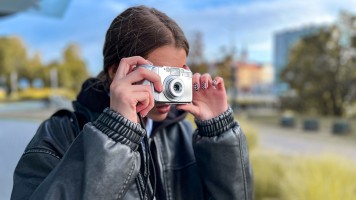
The market for point-and-shoot cameras is in an interesting place at the moment, with some of the most affordable options available new instead of used. As vintage Y2K-era imagery circulates social media, demand for these old digicams surges, all but erasing the value proposition that caused these old cameras to go viral in the first place. If you're in search of a fun, casual, and budget-friendly digital point-and-shot camera that still brings those retro vibes, B&H carries a range of available new options catering to different needs.
It