Search results for: photography how to window light photography
About 113 filtered results
by Luke Rollins · Posted
The trick with any home studio is in creating a space that can be used to create images that do not betray the fact that you shot them in your living room, in your pajamas, using your pet dog as an assistant. Luckily, creating a home studio can be done fairly easily without breaking the bank. This article will help get you up and running.
Planning Your Studio
Before making any purchases, it is important to sit down first and answer some basic questions about what you want your studio to accomplish. First, what type of photographs do you plan
by Luke Rollins · Posted
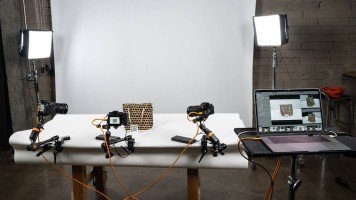
At its most basic, tethered shooting involves connecting your camera, wired or wirelessly, to your computer as you shoot. You’ve likely seen it in some behind-the-scenes video for a professional studio shoot, or you just have a friend who swears it’s the best thing since sliced bread. Tethering is a shooting technique that can benefit many a photographer’s workflow significantly, though upon first hearing of it, the idea of tethering can be something that first requires a bit of education. Hopefully, this introduction will help get you started
by Mathew Malwitz · Posted
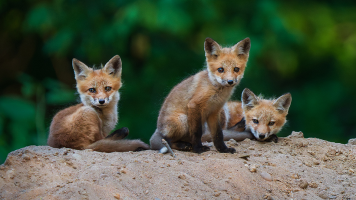
Wildlife photography is one of the most therapeutic and rewarding genres of photography and it’s also one of the most popular. There’s just something so special about being able to witness the magic, and with new camera tech, wildlife photography is easier than ever. That said, the thrill of the shot can overshadow good decision-making, leading to unethical practices. But what are ethical practices?
Take nothing but photographs, leave nothing but footprints—an adage well-known by nature enthusiasts of all levels, but not all that practical.

by Mathew Malwitz · Posted
For a beginner, few things seem more intimidating than photographing a wedding. A sense of anxiety is perfectly normal if you haven't yet spent much time in this field. It's important to remember that we all begin somewhere, and even the most experienced pros were also novices at one point. With practice and education, nerves begin to morph into confidence.
No two weddings are the same, but whether traditional or unconventional, the goal is to be properly equipped to document the key moments of the day. A

by Jill Waterman · Posted
As a follow-up to Part 1 of our fireworks story, it’s worth noting that photographing a fireworks show is no easy feat. Readers seeking a how-to guide to this subject need look no further than this Explora article, by Todd Vorenkamp.
Yet, as that article notes, and the photos featured here make evident, the challenge of capturing bursting pyrotechnics in images offers great opportunities for experimentation and fun. This is perhaps

by Mathew Malwitz · Posted
First, a disclaimer: Like composition, lighting portraits is a subjective exercise. A setup that works for one situation may not work for the next, and lighting that one photographer adores might repulse another. Cultivating a personal lighting style involves an awareness of conventional approaches and willingness to go beyond what everyone else is doing. Study portraits

by Mathew Malwitz · Posted
Despite what you might have seen on the internet, you don’t need all the money and time in the world to photograph wildlife. Sure, an African safari would be nice, but it is by no means the only way to capture stunning images of wild animals. In fact, regardless of where you live, odds are there’s a vast ecosystem that likely goes unnoticed. If you have trees in your neighborhood, you’re off to a great start.
What You Need to Photograph Wildlife
While gear plays a crucial role in our ability to photograph wildlife, it isn’t everything. In this
by Mathew Malwitz · Posted
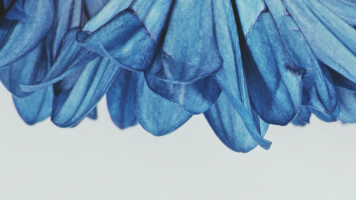
We’ve all tried to photograph something up close. This small-scale world fascinates us all, whether it be a stunning flower or a bumble bee crawling about, but our cameras can’t seem to focus as close as we want. So, what is a struggling photographer to do?
There are several ways to do close-up, or "macro" photography, but the

by Steven Gladstone · Posted
Whether you’re a student or a seasoned veteran, selecting the right camera can make your head spin with questions. Does sensor size matter? What’s the difference between 4:2:0 and 4:2:2? Do I really need a camera that can record 8K? What about raw? We’ll explain the key components that help a camera produce cinematic images, and in doing so, hopefully help you make that all-important decision.
Evaluate Your Needs and Your Budget
Before considering certain cameras, you must know your needs and your budget. And be realistic. If you are a student

by Mathew Malwitz · Posted
The most engaging portraits seem to have direct eye contact between subject and viewer, as if the camera were simply a window through which we’re looking. But is it that simple? So much goes into making a good portrait, can success simply come down to eye contact between subject and camera and is it even necessary to concentrate on the eyes for a portrait? There are certainly wonderful portraits that do not focus exclusively on the eyes that illustrate character with other aspects of the body, from posture to hands, but as an introduction to

by Shawn C. Steiner · Posted
After you pick up your first speedlight, strobe, or LED panel, the best investment you can make is in some modifiers. These are tools that shape and alter the intensity of our light source. Modifiers come in all shapes and sizes based on the type of light you plan to use them on, which can make it difficult to pick one out if you are new to photography. Since each modifier comes with its own distinct look and ideal use, here is a
by Mathew Malwitz · Posted
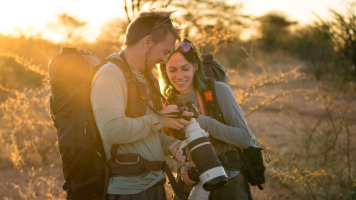
Landscapes and wildlife are among the most challenging subject matter to capture well with a camera. Wildlife is unpredictable and despite your best efforts, will not respond to posing instructions. Landscapes are stationary but at the mercy of available light and weather conditions. All that being said, it is the unpredictable nature of landscape and wildlife photography that has earned these genres a very large, very dedicated, and very passionate following. The dedication of these photographers can make finding the right gift all the more

by Bjorn Petersen · Posted
You might hear it all the time: "Protect your prints by storing them archivally" or "This paper is archival-rated for X years" or "Keep your film safe by storing it in an archival box." Whatever it is, it's easy to gather what you need to store your tangible photographic media in archival conditions to prolong its lifespan to the fullest and to ensure it looks just as good in several years as it does today.
What Is Archival?
The term "archival" is thrown around a lot in the world of storage and display methods for film and prints, but what
by Christopher Witt · Posted
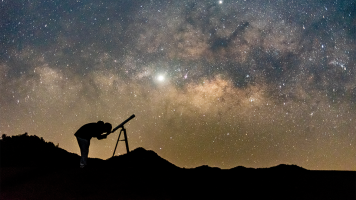
Humans’ fascination with the stars is as old as our ability to think and ask questions. For millennia we, as a species, were limited to observing the heavens with just our eyes. Of course, back then we were able to see more because light pollution didn’t exist, but making detailed observations was impossible. The invention of the microscope led to the development of the telescope, which allowed people to finally start exploring the larger universe. As technological advances were made and telescopes got bigger and better, their reach and the

by Todd Vorenkamp · Posted
Binoculars make great gifts. Regardless of who you are shopping for, or what their hobbies are, a nice pair of binoculars can be appreciated and enjoyed by just about anyone. If you think about it, almost all of us find ourselves out in the world wishing we could have a closer view of something almost every day.
Now that I have convinced you to gift a beautiful pair of binoculars, you’ll click through to the binocular section of the B&H website