Search results for: photography tips solutions environmental portrait photography
About 26 filtered results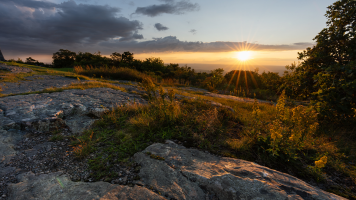
by Mathew Malwitz · Posted
Taking photos has never been easier, whether you're using a smartphone, point-and-shoot, or mirrorless camera. It's a fact that no matter where we go, we almost always have some form of camera on hand, and while the opportunity for image making has changed, what hasn't changed is what makes a photo good.
The simple answer is photography composition, or the arrangement of elements in your frame. This concept can be confusing as all art subjective. That said, think of movies and music and how certain combinations of sounds and storytelling
by Luke Rollins · Posted
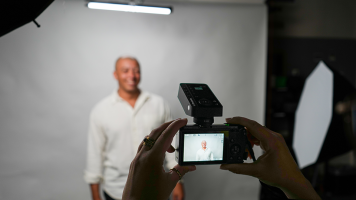
At first glance, studio photography and the compact camera may seem strange bedfellows. The type of work associated with the studio—still life, product photography, portraiture, macro photography—usually wants cameras with larger sensors and interchangeable lenses, especially in professional applications. Compact, point-and-shoot cameras, for their part, have their natural home in everyday, travel, nightlife, and street applications, where their discretion and size become virtues.
It might seem almost cruel to introduce the compact to the
Posted
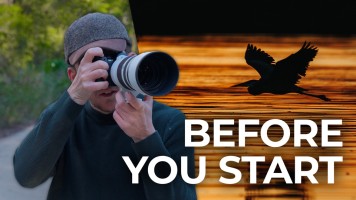
In order to take epic bird photos, you need to be able to find them first! Matt is at Everglade National Park to show you how he prepares before taking bird photos, how he composes his images, how he works with lighting, and more.
0:00 - Intro
0:42 - How to Find Birds
4:53 - How to Spot Birds in Trees
6:47 - Best Lighting
8:30 - Angles & Backgrounds
10:19 - How to Add Depth
10:53 - Environmental Portraits
11:46 - Did Matt Complete His Challenge?
Sponsored by

by John Harris · Posted
It would be foolish to claim that there is only one way to take a portrait, but there are some accepted norms and basic camera settings that you should understand if portraiture is to become your area of photographic interest. Remember though, as you walk down your creative path, that a portrait is more than a headshot, more than a beautiful photo of your subject; it is an opportunity to get to know someone, to have a visual conversation with a person, and to use your photographic skills to pass that understanding of the person on to the

by Mathew Malwitz · Posted
There’s an old adage that claims in order to be a wildlife photographer, you need a lot of time and a lot of money. This is only partly true. Many great wildlife photo opportunities can occur in urban parks and even in your own backyard, as long as we know what we’re doing. In this article, we’re going to cover a number of essential tips that will help you become a better wildlife photographer.
If you’ve read our introduction

by Mathew Malwitz · Posted
Composition in photography refers to the way in which we arrange visual elements in an image. It's how we position the subject in the frame and how all elements combine to create a visually appealing photograph.
All photographs © Mathew Malwitz
Expensive cameras and long lenses can only get us so far. It's not the gear that makes the photo, but the photographer. A creative and observant eye is the key to making visually pleasing photographs. These skills can be learned, and with practice, you'll be well on your way to creating strong

by Mathew Malwitz · Posted
Despite what you might have seen on the internet, you don’t need all the money and time in the world to photograph wildlife. Sure, an African safari would be nice, but it is by no means the only way to capture stunning images of wild animals. In fact, regardless of where you live, odds are there’s a vast ecosystem that likely goes unnoticed. If you have trees in your neighborhood, you’re off to a great start.
What You Need to Photograph Wildlife
While gear plays a crucial role in our ability to photograph wildlife, it isn’t everything. In this

by Mathew Malwitz · Posted
What better place to spend a Saturday morning than the zoo. You can enjoy some time outside, all while seeing a variety of both local and exotic animals you'd otherwise never dream of encountering. Zoos also are great place to try your hand at photographing wildlife! In this guide, we're talking about taking our camera to the zoo to capture natural looking images of animals in their element! We'll be covering what you need as well as tips and tricks that'll help you capture stunning, natural looking images of animals.
Above photograph © Mathew

by Mathew Malwitz · Posted
These days, everyone has a camera right in their pocket. Smartphones have long been the go-to camera for quick photos of our friends, family, pets, and of course, ourselves. With features like portrait mode, users can simulate blurry backgrounds and isolate their subject for more eye-catching images. What else could you ever need? What if I told you that with the

by Mathew Malwitz · Posted
Portraiture: It’s one of the most popular and prevalent forms of photography. Although it may seem simple on paper, it comes with its own unique obstacles. Of course, you’ll want to be familiar with your gear. This is essential to all working photographers, but it allows you to focus your efforts on the genre-specific challenges you’ll face.
When photographing people, you’ll find that some folks are photogenic, while others are not. Your job as a photographer is to break down the barriers set by your clients and to put them in the most

Posted
Join SanDisk Extreme Team Ambassador Cliff Mautner as he discusses his approach to photographing the entire wedding day event. Cliff will discuss the wedding prep stages, and the stories and techniques behind each photo.
0:00 - Intro
3:10 - About Cliff Mautner
5:12 - Gear
8:02 - Capturing the Details / Lighting
14:32 - Individual Portraits
20:30 - The First Look
22:48 - Outdoor Harsh Light & Mixing light
33:35 - Skin Tones
36:22 - Environmental Portraits
39:26 - Lenses & Lights
46:12 - Family Portraits
51:36 - Ceremonies &

Posted
Photographing in a studio is not always an option for portrait sessions. In Part 3 of this four-part series, Sony Artisan of Imagery Tony Gale explains how to plan your photo shoot and then create great portraits—in any location.
0:00 - Introduction
4:22 - In this Webinar
5:43 - What is a Location Photoshoot?
6:46 - Planning
8:11 - Location vs. Environmental Portraiture
11:58 - Finding a Location
19:36 - Permits
29:59 - How to Choose Gear
35:11 - Lighting
Do you have any portrait photography tips to share? Please do so in the Comments
by Caleb Quanbeck · Posted
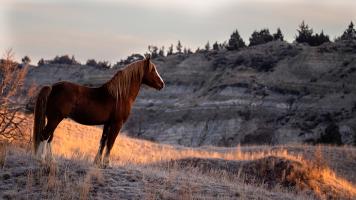
Getting close enough to wild animals is one of the greatest challenges a wildlife photographer faces. So how do you solve this problem? The way most wildlife photographers do is to buy a telephoto lens with as much reach as their wallet allows. Today, a fairly economical way to enter the realm of the super-telephoto lens has been via the family of very nice 150-600mm lenses from brands like Sigma and

Posted
Documentary photographer Alison Wright shares five tips for photographing people. In this video, she discusses how she tries to capture the essence of who and where they are, and what they do, in an effort to tell their story.
What are your tips for creating successful environmental portraits? Share them with us in the Comments section, below.
by Cory Rice · Posted
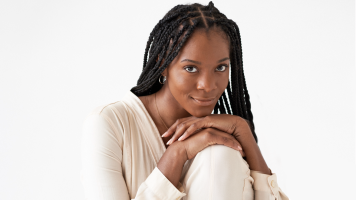
Every portrait photographer who started with a kit zoom remembers the first time they swapped it out for a prime lens. The “Wow” factor of a bright, sharp prime is hard to match, even with the best zooms. Optical benefits aside, working from a fixed focal length encourages more natural photographer-sitter interactions and better spatial awareness. Read on to learn why so many portrait photographers love their prime lenses.