Search results for: photography tips solutions fill light photography
About 111 filtered results
by Luke Rollins · Posted
The trick with any home studio is in creating a space that can be used to create images that do not betray the fact that you shot them in your living room, in your pajamas, using your pet dog as an assistant. Luckily, creating a home studio can be done fairly easily without breaking the bank. This article will help get you up and running.
Planning Your Studio
Before making any purchases, it is important to sit down first and answer some basic questions about what you want your studio to accomplish. First, what type of photographs do you plan
by Mathew Malwitz · Posted
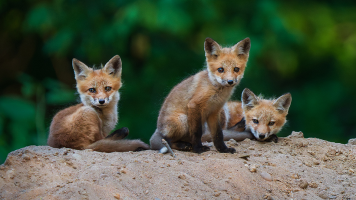
Wildlife photography is one of the most therapeutic and rewarding genres of photography and it’s also one of the most popular. There’s just something so special about being able to witness the magic, and with new camera tech, wildlife photography is easier than ever. That said, the thrill of the shot can overshadow good decision-making, leading to unethical practices. But what are ethical practices?
Take nothing but photographs, leave nothing but footprints—an adage well-known by nature enthusiasts of all levels, but not all that practical.
by Luke Rollins · Posted
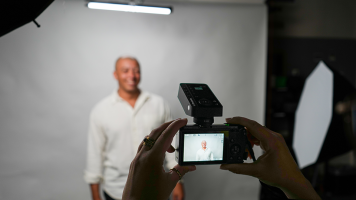
At first glance, studio photography and the compact camera may seem strange bedfellows. The type of work associated with the studio—still life, product photography, portraiture, macro photography—usually wants cameras with larger sensors and interchangeable lenses, especially in professional applications. Compact, point-and-shoot cameras, for their part, have their natural home in everyday, travel, nightlife, and street applications, where their discretion and size become virtues.
It might seem almost cruel to introduce the compact to the
Posted
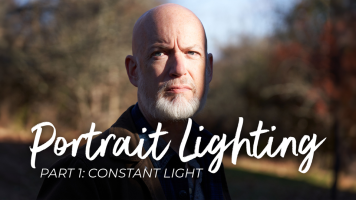
Sony Artisan of Imagery Tony Gale is back in the Event Space to give a three-part series on portrait lighting. In part one, you'll learn the fundamentals of using constant light to create beautiful, well-lit portraits.
0:00 - Intro
1:30 - Different constant lights
6:15 - Using sunlight
11:54 - Using a single lightbulb
14:14 - Single light (with modifiers)
23:43 - Why continuous lighting vs flash
32:29 - Controlling the background
40:14 - Main & full lights (with modifiers)
55:52 - Rim light
57:42 - White balance & color checkers
1:01

Posted
When the sun goes down and the moon comes up. Landscape photographer Chris Nicholson talks about using the soft and cool tones of moonlight to fill the landscape and create images that are more difficult, or even impossible, without the moon overhead.
0:00 - Intro
3:01 - About Chris
4:06 - Photographing the moon
8:00 - Angle and intensity of moon light
14:49 - Exposure
20:00 - Moon in frame
25:11 - Flare
28:57 - Shutter speed
33:14 - Moon as a backlight
35:44 - Light painting
43:25 - Moon bursts
45:07 - Clouds
51:38 - Polarizers
54:38 – Star

by Luke Rollins · Posted
Achieving a standard of production value is an essential component of establishing a brand and growing a following. For part-time, burgeoning, and mid-level creators, it can feel like bridging that gap is less a matter of learned skill and more about the equipment you can afford.
In most cases, the problem isn’t budget at all. Acquiring the specific know-how can give your content professional sheen with little to no financial outlay.
Lighting design is arguably the most immediately visible production component—and the one most capable of

by Mathew Malwitz · Posted
You don’t have to go far to capture fun and engaging images of wildlife. In fact, you may not have to go anywhere at all. A carefully landscaped yard and the right tools can attract an impressive variety of animal life to observe and photograph. Pair that with a little patience and soon you’ll be capturing stunning images from the comfort of your own home.
Attracting Birds
Birds are part of nearly every environment, from the densest cities to rural areas. While they are common, we’ll need to offer three essentials—water, shelter, and food—to

by Steven Gladstone · Posted
When creating images for a film, you try to balance your shots so that you draw the audience into the movie, while at the same time they forget that they are watching a movie. Usually, the last thing you want is to break the illusion and have the audience snap out of their reverie.
As you read this article, you may want to pause and rewatch some classic films, or films that had a powerful effect on you. Examining the new and different techniques, lighting, and compositions used to create impact, mood, and feeling will help you grow as a
by Mathew Malwitz · Posted
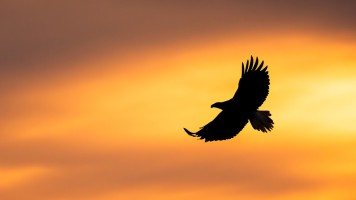
Through the cacophony of forest sounds, your ears home in on a buzzy, almost garbled ascending song. Perhaps you recognize it immediately, or maybe you need to confer with one of the trusty internet databases or apps. You train your eyes on the canopy, scanning for movement of any kind, when you see it: the cerulean warbler, a small rowdy songbird with wings slightly splayed from the body. Quickly, you lower your binoculars and train your camera on the little blue passerine before snapping a few frames.
The resulting photos clearly show the

by Todd Vorenkamp · Posted
Do you want to preserve the memory of that awesome neighborhood fireworks show? Let's discuss the best ways to try to make a memorable photograph commemorating the event.
Before we get started, let me say that there are many ways to accomplish fireworks photography and no technique is usually worse or better than others. The only thing that really matters as you head home after the show is:
You enjoyed the photographic process.
You are left with a photograph or photographs that you personally enjoy.
You enjoyed the fireworks show!

by Mathew Malwitz · Posted
First, a disclaimer: Like composition, lighting portraits is a subjective exercise. A setup that works for one situation may not work for the next, and lighting that one photographer adores might repulse another. Cultivating a personal lighting style involves an awareness of conventional approaches and willingness to go beyond what everyone else is doing. Study portraits

by Luke Rollins · Posted
The wealth of B&H is not measured in sales, but in the accumulated knowledge of its people. The breadth of such experience is impossible to quantify, let alone price, which is why we’re offering this batch of wedding photography advice completely free of charge.
Andrea Buritica, Sales Associate – Chat & Email
Burikitak Photography
One of the best parts about working at B&H is that I get to talk about gear all day. However, it’s doing wedding

by Mathew Malwitz · Posted
Who doesn’t want to capture fun and creative portraits of our four-legged friends? We know we love it. In fact, pet photography may just be the most popular form of photography there is. Think of all the smartphone snaps of yawns, big stretches, and funny moments we all take of our cats, dogs, chinchillas, and beyond.
Quick snaps aside, you know what really ups the quality of our pet portraits? Lighting. Just as with any form of portrait, lighting unlocks possibilities that can be impossible without it. But what lighting system should we use?

by Luke Rollins · Posted
There comes a time in a photographer’s life—usually after some consistent success with an on-camera flash—when they say to themselves, "I’m ready to make my own light on demand." Thus begins a seemingly never-ending journey—first mastering the basics, then trying to put some feeling and expression into their photos.
Assuming you’re versed in
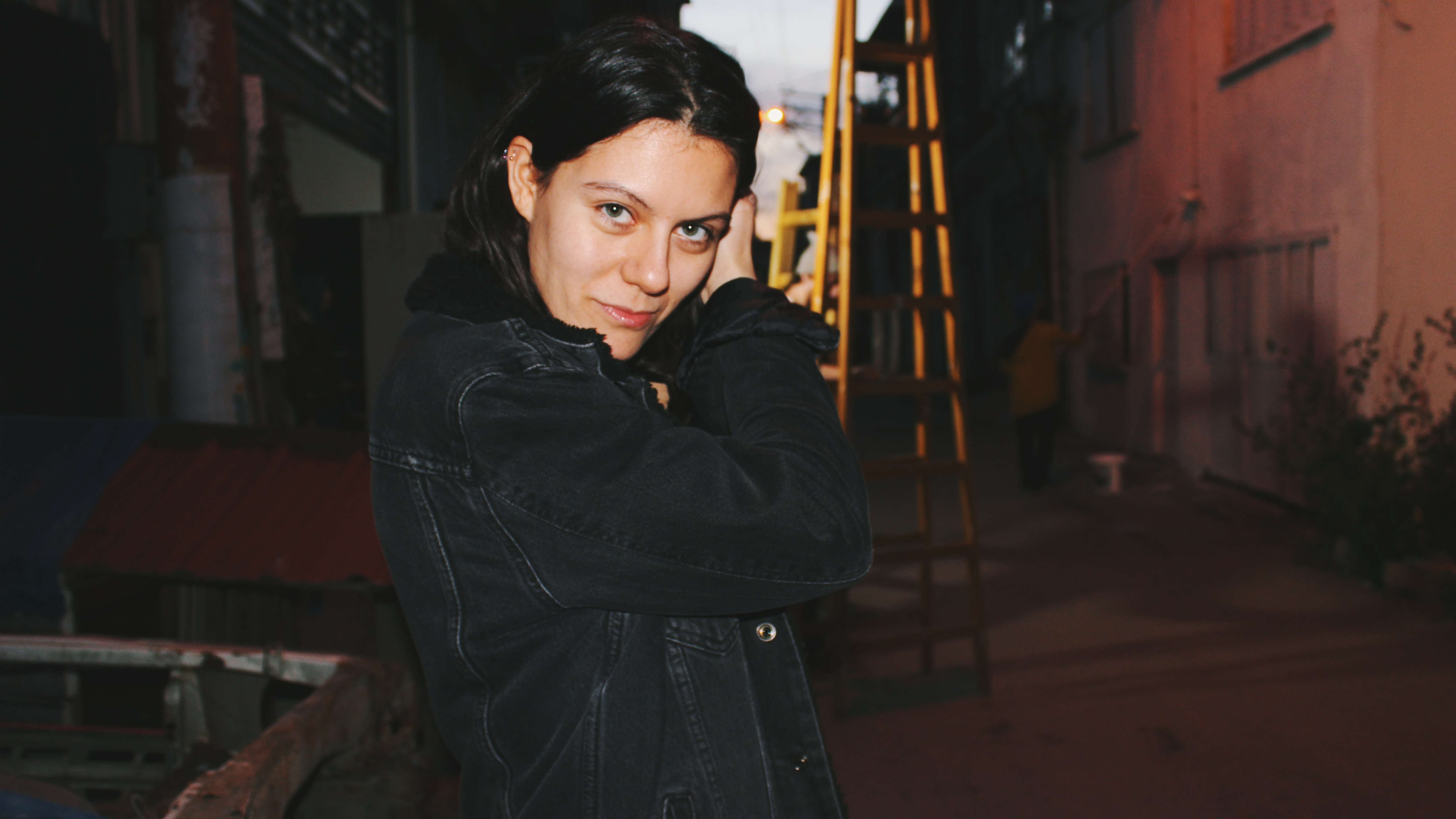

by Mathew Malwitz · Posted
Do you plan your images? Really think about that question. Do you have an idea of an image before you head out for a shoot, or do you let the moment inspire you as the pieces fall into place? There's no wrong answer here. Planning or "pre-visualization" is a key piece of the photography puzzle that some put a lot of thought and effort into while others effortlessly come up with ideas on the fly.
No matter how you go about taking a picture, there is some level of planning that goes into a shot. With that said, there's a big difference between