Camera & Tripod Levelers

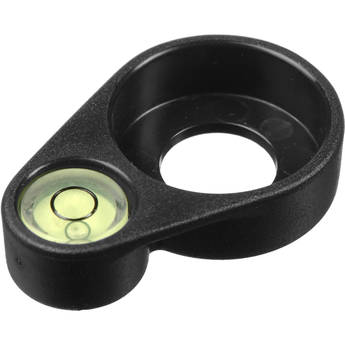
Gitzo Bubble Level for Series 2 Tripods
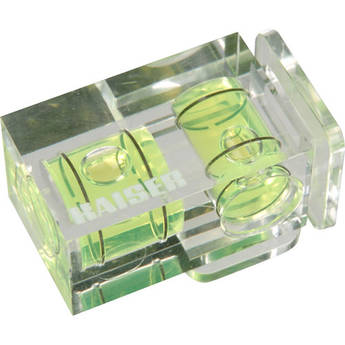
ARTCISE LH9 Tripod Leveling Base
- Load Capacity: 22 lb
- Maximum Adjustment Range: ±15°
- 1/4"-20 Screw on Top
- 3/8"-16 Female Thread on Base
Really Right Stuff TA-UPF Universal Leveling Base Platform
- 2.9" Diameter Mounting Platform
- Reversible 3/8"-16 to 1/4"-20 Stud
- Bubble Level
- 4 x 1/4"-20 Female Thread Mounts
Nodal Ninja EZ-Leveler-II
- For Precise Leveling of Panoramic Head
- Supports Up to 22 lb
- Smooth Rotation of Knobs
- "Zero Angle" Adjustment
Kirk TLB-1 Leveling Base with 3/8"-16 Mounting Stud
- Load Capacity: 25 lb
- Adjustment Range of +/-32°
- Black & Silver Anodized 6061-T6 Aluminum
- Locking Wing Nut on Leveler
Acratech Large Leveling Base
- 74mm Diameter Surface for Larger Heads
- Spirit Level
- Supports Up to 25 lb
- 3/8"-16 Thread & Screw
Really Right Stuff TA-3 Leveling Base with Short Handle and Platform with 3/8"-16 Stud
- Load Capacity: 25 lb
- Adjustment Range of +/- 15°
- Short Handle with 3/8"-16 Stud
- Works with Ball, Gimbal, or Fluid Heads
Really Right Stuff TA-3 Leveling Base with Short Handle and Lever-Release Clamp
- Load Capacity: 25 lb
- Adjustment Range of +/- 15°
- Short Handle with Arca-Type Clamp
- Works with Ball, Gimbal, or Fluid Heads
Arca-Swiss Core 60 Leveler Classic
- Load Capacity: 44 lb
- Adjustment Range +/-10° on X/Y Axes
- 360° Panning on Top and Bottom Base
- Arc Movement Keeps Camera Axis Cantered
FLM Bull's Eye Bubble Level for Shoe Mount
Cambo Single Spirit Level for SCN and SC View Cameras
Neewer LP65 Camera Tripod Head Leveling Base
- Load Capacity: 33 lb
- +/- 9° Adjustment Range
- Three Integrated Bubble Levels
- Thumb-Locking Wheels
Move Shoot Move Leveling Base
- Load Capacity: 11 lb
- Adjustment Range: ±15°
- Base Diameter: 2.4"
- Weight: 10.2 oz
K&F Concept Tripod Leveling Base Head
- Load Capacity: 22 lb
- Height: 1.4"
- 1/4"-20 Top Screw
- 3/8"-16 Bottom Mounting
Neewer GM15 Leveling Base (60mm)
- Load Capacity: 22 lb
- Adjustment Range: +/- 15°
- Integrated Bubble Level
- 3/8"-16 Threaded Base Mount
YC Onion LB52 52mm Mini Bowl Head
- Compact, Quick Leveling Half-Ball Head
- 60mm Flat Mount on Top
- Flat 52mm Base Diameter
- 3/8"-16 Tripod Head Mounting Screw
Really Right Stuff Long Handle for Series 3 and 4 Leveling Bases
- Longer Handle for Better Grip
- Integrated Ballast Hook
- Rubber Overmolded Band
- Aluminum Construction
Leofoto YB-75LK Leveling Base with Long Handle and Arca-Type QR Clamp
- Arca-Type Quick Release Receiver Clamp
- Precision Scale for Positioining
- Diameter: 75mm
- Bubble Level
Sunwayfoto LB-90L Leveling Base with External Bubble Level (Silver)
- Load Capacity: 55 lb
- Adjustment Range: ±15°
- Butterfly Locking Collar
- Outside Bubble Level
Manfrotto 338 QTVR Leveling Base
- Supports 33 lb (15kg)
- ±5 Degrees Adjustment Possible
- Diameter: 3.9"
- Height: 1.9"
3 Legged Thing LevelHed Leveling Base (Darkness)
- Load Capacity: 44 lb
- +/- 10° Tilt Range
- Height: 2.7"
- Weight: 13.2 oz
Novoflex MagicBalance 20 Leveling Head
- Tilts 20° in All Directions
- Load Capacity: 20 lb
- Half-Ball in a Socket
- For Shooting on Uneven Ground
Acratech Leveling Base with Quick Release Clamp
- Load Capacity: 25 lb
- Weight: 0.6 lb
- Height: 2.2"
- Adjustment Range: +/- 10°
Arca-Swiss Core 60 Leveler flipLock
- Load Capacity: 44 lb
- Adjustment Range +/-10° on X/Y Axes
- 360° Panning on Top and Bottom Base
- Arc Movement Keeps Camera Axis Cantered
The Benefits of a Tripod Leveling Base
Having a tripod leveling base in a camera toolkit is a necessity for many professionals. It helps by assuring that your camera stays parallel to the ground. Although you can check the balance of your camera with a bubble, you'll find that tripod levelers can do much more than that.
What's a Tripod Leveling Base?
A tripod or camera leveling base is an extra accessory that mounts between the tripod and the camera. It allows you to see if your camera is balanced and to make the necessary adjustments if it's not. They usually have a built-in bubble level, also known as a spirit level. Often there are two levels for both the vertical and horizontal directions. If your bubble level lacks accuracy, leveling plates make for a great alternative.
With an unbalanced camera, you'll quickly see the benefits of a leveling base. It allows you to make fine adjustments to the camera angle without having to adjust your tripod legs every time. Most have quick-release plates, so you don't need to worry about having quick access to your camera.
One common type of leveling base includes three wheels, which allow you to tilt and adjust the camera to the desired angle. Most models have a tilt range of 10 degrees, 5 in each direction. If you need an extra range of motion than the leveling base allows, you can always purchase an additional tripod head platform.
Uses for a Tripod Leveling Base
A leveling base can be handy if you shoot outdoors or on uneven surfaces. It is a must-have if you take panoramic photos or 360-degree videos. If you use tripod arms to rotate your camera, a leveling base makes sure your video or panorama is smooth and even.
Industry experts recommend tripod leveling bases even if you're using a ball head or gimbal head. However, always double-check that your lens matches the mounting plate. If not, you can customize your setup with the right gimbal head accessories.
What's a Leveling Head?
While some leveling bases require a head attachment, some combine the two functions. In many cases, a leveling head is also a leveling base. You may find a leveling head more functional, as it reduces the need for carrying additional equipment, and it makes setup quicker.
When using a camera leveling base with a ball head attachment, you might need to level the camera during a panoramic take. A leveling head helps in this case. Unless you need to use a specialized head attachment such as a gimbal, a leveling head will suffice.
Whatever the situation, you can always take a perfect picture with the right tools. Browse a large variety of camera and tripod levelers, along with cases for tripod heads, and additional accessories, at B&H Photo and Video.