Search results for: photography features photographic composition
About 125 filtered results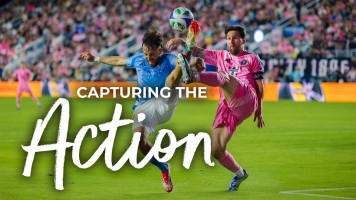
Posted
Photographers of all types will walk away with a repeatable formula built on a foundation of storytelling and composition, resulting in successful matchday shoots. Plus, New York City FC club photographer Tommie Battle joins Joe and shares his experiences photographing soccer's biggest game.
0:00 - Intro
1:40 - Gear that matters
2:37 - What your camera needs for you to succeed
6:28 - Joe's process
12:09 - Photographing all levels of sport
13:40 - Bad lighting tests your ability
17:20 - Love when it rains
19:45 - Composition
26:17 - Details

by Mathew Malwitz · Posted
If renowned landscape photographer Ansel Adams were alive today, he would surely be astounded at the variety of cameras available. When compared to his hulking 8x10 view camera, today’s cameras look like child’s play. He would also be flabbergasted at the image quality these little devices produce.
This year, we have a bottomless well of cameras

by Mathew Malwitz · Posted
When we head out into the great outdoors, there’s nothing more we need than our camera and lens. So long as you have a charged battery and an empty memory card, there’s little more you could ever need—that is, until that battery dies, it starts to rain, or a bird poops on your lens. How do we prepare for these inevitable conundrums? We bring the pertinent accessories, that’s how.
Smaller
Posted
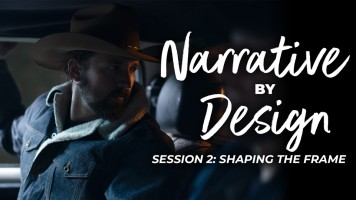
In session 2, photographer Aaron Anderson explores how lighting, color, composition, and contrast shape emotion and guide the viewer's eye. Learn how to light with intention, build a cinematic mood, and adapt on set while staying true to the original concept.
0:00 - Intro
0:55 - Setting up your camera for high sync
6:04 - Tethering
8:08 - What is cinematic lighting?
10:33 - Balance between ambient & strobe
12:50 - Gels
17:05 - Haze & fog
20:02 - Feathering
36:40 - Lighting with flare
48:00 - Using two lights to make it look like one

by Luke Rollins · Posted
Whether you’re the designated photographer at a friend’s night out or a professional working an event, a compact, point-and-shoot camera can be a strategic choice for creating a distinctive look for your images. Depending on where you’re starting, the move to a compact camera can be either a step up from the smartphone or an embrace of a more limited feature set. In either case, the best event and party photography with a compact camera says one thing: you had to be there.
The number one advantage to using a compact camera is social. The
by Mathew Malwitz · Posted
Let's face it: throwing a heavy camera over your shoulder can seem like a hassle, especially if photography isn't the main purpose of your trip. Those big mirrorless and DSLR cameras might stun with their incredible clarity, but not every outing calls for a "serious" camera. Still, there's a desire to capture fun photos, either for your own enjoyment, or to share with friends and family when you return.
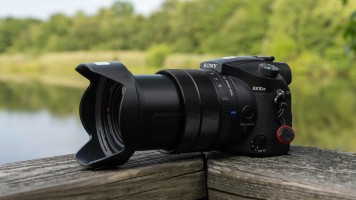
Enter the bridge camera. Bridge cameras are an excellent, all-in-one solution for wildlife enthusiasts looking to capture images of their

by Todd Vorenkamp · Posted
Do you want to preserve the memory of that awesome neighborhood fireworks show? Let's discuss the best ways to try to make a memorable photograph commemorating the event.
Before we get started, let me say that there are many ways to accomplish fireworks photography and no technique is usually worse or better than others. The only thing that really matters as you head home after the show is:
You enjoyed the photographic process.
You are left with a photograph or photographs that you personally enjoy.
You enjoyed the fireworks show!
Posted
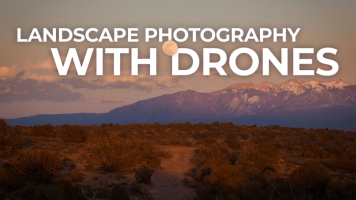
What separates beginner aerial photographers from the pros? Grab your drone and join Matt to learn how to get started with landscape drone photography. You'll learn how to choose a drone, how to utilize its features, how to compose your photos, and more.
0:00 - Intro
0:20 - Know Your Gear
2:49 - Composition Principles
5:04 - Lighting
5:57 - Camera Settings
8:17 - Regulations
8:44 - Outro

by John Harris · Posted
It would be foolish to claim that there is only one way to take a portrait, but there are some accepted norms and basic camera settings that you should understand if portraiture is to become your area of photographic interest. Remember though, as you walk down your creative path, that a portrait is more than a headshot, more than a beautiful photo of your subject; it is an opportunity to get to know someone, to have a visual conversation with a person, and to use your photographic skills to pass that understanding of the person on to the

by Luke Rollins · Posted
Sports photographers are newcomers to the a7R party. Not because they're late to the series, but because until now the camera line simply wasn't well-suited for action, what with its processor-hungry file sizes slowing things down. Sony aims to change all that with the a7R VI Mirrorless Camera, the company's latest 66.8MP full-frame shooter offering unprecedented speed for the series.

by Mathew Malwitz · Posted
There’s an old adage that claims in order to be a wildlife photographer, you need a lot of time and a lot of money. This is only partly true. Many great wildlife photo opportunities can occur in urban parks and even in your own backyard, as long as we know what we’re doing. In this article, we’re going to cover a number of essential tips that will help you become a better wildlife photographer.
If you’ve read our introduction

by Todd Vorenkamp · Posted
Taking a look at any modern mirrorless or DSLR camera, you’ll notice a slew of controls, buttons, and dials. Atop nearly all cameras sits a large dial labeled with many letters and icons. This is our mode dial. It is how we control the level of power we give to our camera or take for ourselves.
One of the wonderful things that modern electronic digital and film cameras give you is many high-tech options for your image making. One of the horrible things that modern electronic digital and film cameras give you is many high-tech options for your

by Mathew Malwitz · Posted
Weddings are fast-paced events for photographers, and there’s so much to do. From portraits of the bride and groom to family formals, there’s much to cover, and we haven’t even scratched the surface yet. While all focus is on the bride, groom, and their families, there’s a lot of behind-the-scenes material to capture. As wedding photographers, you need to wear many hats, and that includes landscape, food, and product photography.
Proficiency in photographing product is a must, as there are many details and accoutrements to photograph

by Mathew Malwitz · Posted
Composition in photography refers to the way in which we arrange visual elements in an image. It's how we position the subject in the frame and how all elements combine to create a visually appealing photograph.
All photographs © Mathew Malwitz
Expensive cameras and long lenses can only get us so far. It's not the gear that makes the photo, but the photographer. A creative and observant eye is the key to making visually pleasing photographs. These skills can be learned, and with practice, you'll be well on your way to creating strong

by Mathew Malwitz · Posted
Despite what you might have seen on the internet, you don’t need all the money and time in the world to photograph wildlife. Sure, an African safari would be nice, but it is by no means the only way to capture stunning images of wild animals. In fact, regardless of where you live, odds are there’s a vast ecosystem that likely goes unnoticed. If you have trees in your neighborhood, you’re off to a great start.
What You Need to Photograph Wildlife
While gear plays a crucial role in our ability to photograph wildlife, it isn’t everything. In this