Search results for: photography tips solutions long exposure photography tips
About 182 filtered results
by Mathew Malwitz · Posted
You’re probably aware that film has been making a comeback in recent years, but let’s be honest with ourselves. Did it ever really go away? Sure, it may have seen a dip in popularity at the dawn of the digital age, but many serious enthusiasts never stopped using it. Just ask the experts here at B&H! In fact, we asked some long-time film shooting experts here, “What’s your favorite film/camera combination and why?” Below, you’ll find their answers
by Steven Esposito · Posted
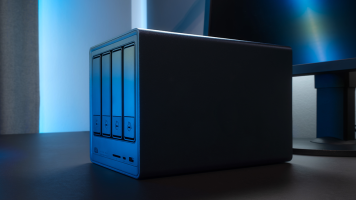
Storage is not just getting expensive, it’s hard to come by. One minute the drives are available and the next they are all gone. It can be quite frustrating due to this demand. It makes perfect sense why folks are looking for ways to ensure their current storage lasts longer than ever before. This can be a challenge because, in many cases, storage is used constantly. But, luckily for you, I have a few tips that can help you make the most of what you have now and find new ways to prolong your current storage solutions.
Warranty and Notices
The

by Luke Rollins · Posted
By now, the film resurgence has eclipsed its charming underdog status to become a full-blown front in what has become an all-out, open revolt against the smartphone and its visual aesthetics. What distinguishes the “film look” from the digital—texture, material imperfections, color magic, and the analog halo of yesteryear—comes at a price tag as resurgent as the medium itself.
Despite the contradiction (or perhaps because of it), the pursuit of the film look in a digital format has become something of a cottage industry, with manufacturers,
by Mathew Malwitz · Posted
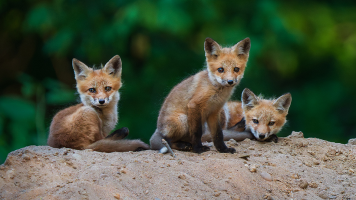
Wildlife photography is one of the most therapeutic and rewarding genres of photography and it’s also one of the most popular. There’s just something so special about being able to witness the magic, and with new camera tech, wildlife photography is easier than ever. That said, the thrill of the shot can overshadow good decision-making, leading to unethical practices. But what are ethical practices?
Take nothing but photographs, leave nothing but footprints—an adage well-known by nature enthusiasts of all levels, but not all that practical.

by Luke Rollins · Posted
IN THIS ARTICLE
1. (Don’t Fear) the Gear2. Good Dental Photography Is Good Photography3. Macro Discipline, Portrait Mindset4. Embrace the Flash5. Clinical, but with an Eye for Marketing
For dentists, the evidentiary benefits of a photographic practice go beyond meeting industry standards. They can be the foundation for professional development and the growth of your business. That said,
by Luke Rollins · Posted
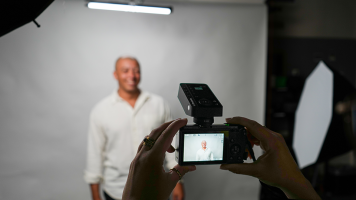
At first glance, studio photography and the compact camera may seem strange bedfellows. The type of work associated with the studio—still life, product photography, portraiture, macro photography—usually wants cameras with larger sensors and interchangeable lenses, especially in professional applications. Compact, point-and-shoot cameras, for their part, have their natural home in everyday, travel, nightlife, and street applications, where their discretion and size become virtues.
It might seem almost cruel to introduce the compact to the

by Mathew Malwitz · Posted
At one point or another, you’re bound to hear someone say that you need to shoot in a RAW file format. There are advantages to this decision, from additional detail to better control over the look of our final image. But what exactly is a RAW file and what does it do for our photographs? In this guide, we aim to give you a better understanding of the RAW file and how to use it to our advantage.
What Is a RAW File?
RAW files, sometimes referred to as digital negatives, are the raw data recorded by your camera’s imaging sensor. This data is

by Mathew Malwitz · Posted
Have you ever taken a photo that looked so good on the back of your camera, only to get home and see that it’s just not sharp? We’ve all been there, and even the experts miss more shots than they keep. That said, there are many tricks and techniques we can learn to improve the odds. In today’s guide, we’re looking at five techniques to aid us in confidently capturing tack-sharp photographs.
Sharpness is critical in most genres of photography, especially nature and wildlife. Sure, we can intentionally blur elements to showcase motion. We

by Luke Rollins · Posted
Whether you’re the designated photographer at a friend’s night out or a professional working an event, a compact, point-and-shoot camera can be a strategic choice for creating a distinctive look for your images. Depending on where you’re starting, the move to a compact camera can be either a step up from the smartphone or an embrace of a more limited feature set. In either case, the best event and party photography with a compact camera says one thing: you had to be there.
The number one advantage to using a compact camera is social. The
by Mathew Malwitz · Posted
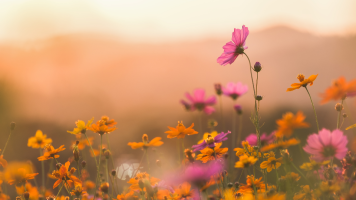
If there’s one question fledgling photographers often ask, it’s “How did you get such a nice background?” Backgrounds are an essential element of a photograph that are often neglected. In fact, it’s safe to say that a background is as important to a composition as the subject itself. After all, a distracting one will detract from an image.
In this guide, we’re going to cover the many methods used to capture clean, smooth backgrounds in our images. This will encompass the settings and gear involved as well as the in-the-field techniques you can

by Todd Vorenkamp · Posted
Do you want to preserve the memory of that awesome neighborhood fireworks show? Let's discuss the best ways to try to make a memorable photograph commemorating the event.
Before we get started, let me say that there are many ways to accomplish fireworks photography and no technique is usually worse or better than others. The only thing that really matters as you head home after the show is:
You enjoyed the photographic process.
You are left with a photograph or photographs that you personally enjoy.
You enjoyed the fireworks show!

by John Harris · Posted
It would be foolish to claim that there is only one way to take a portrait, but there are some accepted norms and basic camera settings that you should understand if portraiture is to become your area of photographic interest. Remember though, as you walk down your creative path, that a portrait is more than a headshot, more than a beautiful photo of your subject; it is an opportunity to get to know someone, to have a visual conversation with a person, and to use your photographic skills to pass that understanding of the person on to the

by Mathew Malwitz · Posted
There’s an old adage that claims in order to be a wildlife photographer, you need a lot of time and a lot of money. This is only partly true. Many great wildlife photo opportunities can occur in urban parks and even in your own backyard, as long as we know what we’re doing. In this article, we’re going to cover a number of essential tips that will help you become a better wildlife photographer.
If you’ve read our introduction

by Todd Vorenkamp · Posted
Taking a look at any modern mirrorless or DSLR camera, you’ll notice a slew of controls, buttons, and dials. Atop nearly all cameras sits a large dial labeled with many letters and icons. This is our mode dial. It is how we control the level of power we give to our camera or take for ourselves.
One of the wonderful things that modern electronic digital and film cameras give you is many high-tech options for your image making. One of the horrible things that modern electronic digital and film cameras give you is many high-tech options for your

by Todd Vorenkamp · Posted
One of the magical aspects of modern photography is the ability to review an image instantly within our EVF (electronic viewfinder) or right on the back of the camera.
Frequently, one possible mistake that digital photographers make is when reviewing an image on their camera—they evaluate exposure based on the reproduced image. Why might this be a mistake? Well, both your camera’s LCD and EVF likely have adjustable brightness. Also, you might be viewing your images in bright sunlight or in the pitch black of night. Just as viewing a computer