Search results for: photography tips solutions low light photography tips
About 203 filtered results
by Luke Rollins · Posted
The trick with any home studio is in creating a space that can be used to create images that do not betray the fact that you shot them in your living room, in your pajamas, using your pet dog as an assistant. Luckily, creating a home studio can be done fairly easily without breaking the bank. This article will help get you up and running.
Planning Your Studio
Before making any purchases, it is important to sit down first and answer some basic questions about what you want your studio to accomplish. First, what type of photographs do you plan
by Mathew Malwitz · Posted
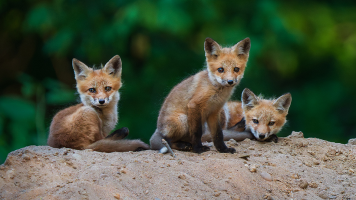
Wildlife photography is one of the most therapeutic and rewarding genres of photography and it’s also one of the most popular. There’s just something so special about being able to witness the magic, and with new camera tech, wildlife photography is easier than ever. That said, the thrill of the shot can overshadow good decision-making, leading to unethical practices. But what are ethical practices?
Take nothing but photographs, leave nothing but footprints—an adage well-known by nature enthusiasts of all levels, but not all that practical.

by Luke Rollins · Posted
Canon has announced the second generation of its entry-level full frame mirrorless camera, the R8 Mark II. Having spent some time with the camera, we can speak to some of its most apt use cases: portraits, landscapes, street photography, and video.
Canon R8 Mark II

by Luke Rollins · Posted
IN THIS ARTICLE
1. (Don’t Fear) the Gear2. Good Dental Photography Is Good Photography3. Macro Discipline, Portrait Mindset4. Embrace the Flash5. Clinical, but with an Eye for Marketing
For dentists, the evidentiary benefits of a photographic practice go beyond meeting industry standards. They can be the foundation for professional development and the growth of your business. That said,
by Luke Rollins · Posted
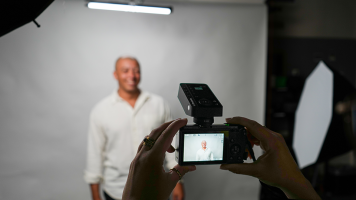
At first glance, studio photography and the compact camera may seem strange bedfellows. The type of work associated with the studio—still life, product photography, portraiture, macro photography—usually wants cameras with larger sensors and interchangeable lenses, especially in professional applications. Compact, point-and-shoot cameras, for their part, have their natural home in everyday, travel, nightlife, and street applications, where their discretion and size become virtues.
It might seem almost cruel to introduce the compact to the
by Mathew Malwitz · Posted
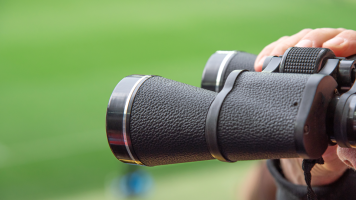
When choosing binoculars or scopes, a term that should be heavily considered is "exit pupil." What is exit pupil, and what does it do? In optics, we're often focused on magnification and light-gathering capabilities, and these are essential for understanding how optics works, but overall viewing experience shouldn't be discounted.
If you look at any optic at arm's length, you'll see the small pinpoint sized window of

by Jennifer Hahn · Posted
Point-and-shoot cameras are a great value-add to your photography kit, social media sharing, or as a vacation companion for quick stills and capturing memories on the fly. And these days, the value is even greater with point-and-shoot video recording. The point-and-shoot design makes things simple to change to video mode and press record. Though after you’ve captured your video, it can become cumbersome to edit and share that footage.
Some cameras allow you to edit/trim your video footage (also called “Movies” in some cameras) in camera, which

by Mathew Malwitz · Posted
Have you ever taken a photo that looked so good on the back of your camera, only to get home and see that it’s just not sharp? We’ve all been there, and even the experts miss more shots than they keep. That said, there are many tricks and techniques we can learn to improve the odds. In today’s guide, we’re looking at five techniques to aid us in confidently capturing tack-sharp photographs.
Sharpness is critical in most genres of photography, especially nature and wildlife. Sure, we can intentionally blur elements to showcase motion. We

by Luke Rollins · Posted
Achieving a standard of production value is an essential component of establishing a brand and growing a following. For part-time, burgeoning, and mid-level creators, it can feel like bridging that gap is less a matter of learned skill and more about the equipment you can afford.
In most cases, the problem isn’t budget at all. Acquiring the specific know-how can give your content professional sheen with little to no financial outlay.
Lighting design is arguably the most immediately visible production component—and the one most capable of

by Luke Rollins · Posted
Whether you’re the designated photographer at a friend’s night out or a professional working an event, a compact, point-and-shoot camera can be a strategic choice for creating a distinctive look for your images. Depending on where you’re starting, the move to a compact camera can be either a step up from the smartphone or an embrace of a more limited feature set. In either case, the best event and party photography with a compact camera says one thing: you had to be there.
The number one advantage to using a compact camera is social. The

by Mathew Malwitz · Posted
Smartphones have forever changed the world of photography, making the art form more accessible and connecting people from across the world through the instantaneous sharing of images. For all their benefits, there are plenty of criticisms to be had, especially on the creative front. Smartphone cameras are, for some, everything one could want from a camera. For others, they lack the control and creative freedom that makes photography so interesting.
Who can blame one for having hard feelings against smartphones. After all, they nearly wiped
by Mathew Malwitz · Posted
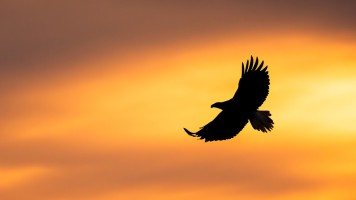
Through the cacophony of forest sounds, your ears home in on a buzzy, almost garbled ascending song. Perhaps you recognize it immediately, or maybe you need to confer with one of the trusty internet databases or apps. You train your eyes on the canopy, scanning for movement of any kind, when you see it: the cerulean warbler, a small rowdy songbird with wings slightly splayed from the body. Quickly, you lower your binoculars and train your camera on the little blue passerine before snapping a few frames.
The resulting photos clearly show the

by Mathew Malwitz · Posted
Who doesn’t love a close-up shot of a flower or bumble bee? Some of the most beautiful aspects of nature are quite small and require special tools to capture them in a meaningful way. Whether it be of a cute little insect visiting our garden, or miniature figurines you paint and sell, we need a camera that can focus close and deliver good, quality results.
Before you panic, hear us out. We don’t need to get carried away with complicated lenses and accessories, and can just enjoy yourself with a simple compact,

by Mathew Malwitz · Posted
Optic size is measured by what it can do, but when you’re new to the hobby, this can be confusing. Pick up a spotting scope or any pair of binoculars and you’ll see them adorned with a set of numbers like 8x42, 7x32, or 20-60x80. What exactly do those numbers mean and what do they tell us about an optic?
At the most

by Todd Vorenkamp · Posted
Do you want to preserve the memory of that awesome neighborhood fireworks show? Let's discuss the best ways to try to make a memorable photograph commemorating the event.
Before we get started, let me say that there are many ways to accomplish fireworks photography and no technique is usually worse or better than others. The only thing that really matters as you head home after the show is:
You enjoyed the photographic process.
You are left with a photograph or photographs that you personally enjoy.
You enjoyed the fireworks show!