
It doesn't matter if you're a budding music producer, a seasoned gear head, or just a music enjoyer: we all know that microphones are the most crucial and intimate component of the recording process. While microphone technology continues to evolve, audio particularly benefits from the technology of yesteryear—many of the most iconic and sought after microphones were first developed decades ago and are still in use to this day!
This entry is a something of a primer where we'll be discussing some of the classics and a few modern gems; it's as much a history lesson as it is a buying guide. If you're still learning the trade, you'll want to know ball when you get into the big-time studios. Read on and get to know twenty of the greatest and most iconic recording microphones; all in stock at B&H!
Dynamic Microphones
What's a Dynamic Microphone?
Dynamic microphones are mics with a robust capsule that features lower sensitivity but high SPL resistance and a comparatively rugged design. Dynamics tend to be among the more inexpensive choices out there but they can still be quite a weapon in the arsenal when used in the right conditions. These mics are great for loud sound sources like guitar cabs, broadcasting/podcasting, drum micing, and handheld vocal use.
Shure SM57: Required Listening
Topping off the list, the venerable Shure SM57 is a low-impedance cardioid dynamic microphone first released in 1965, commonly found in studio recording and live sound situations alike—it's something that every recordist should have at least one (or maybe five?) of in their toolbox.
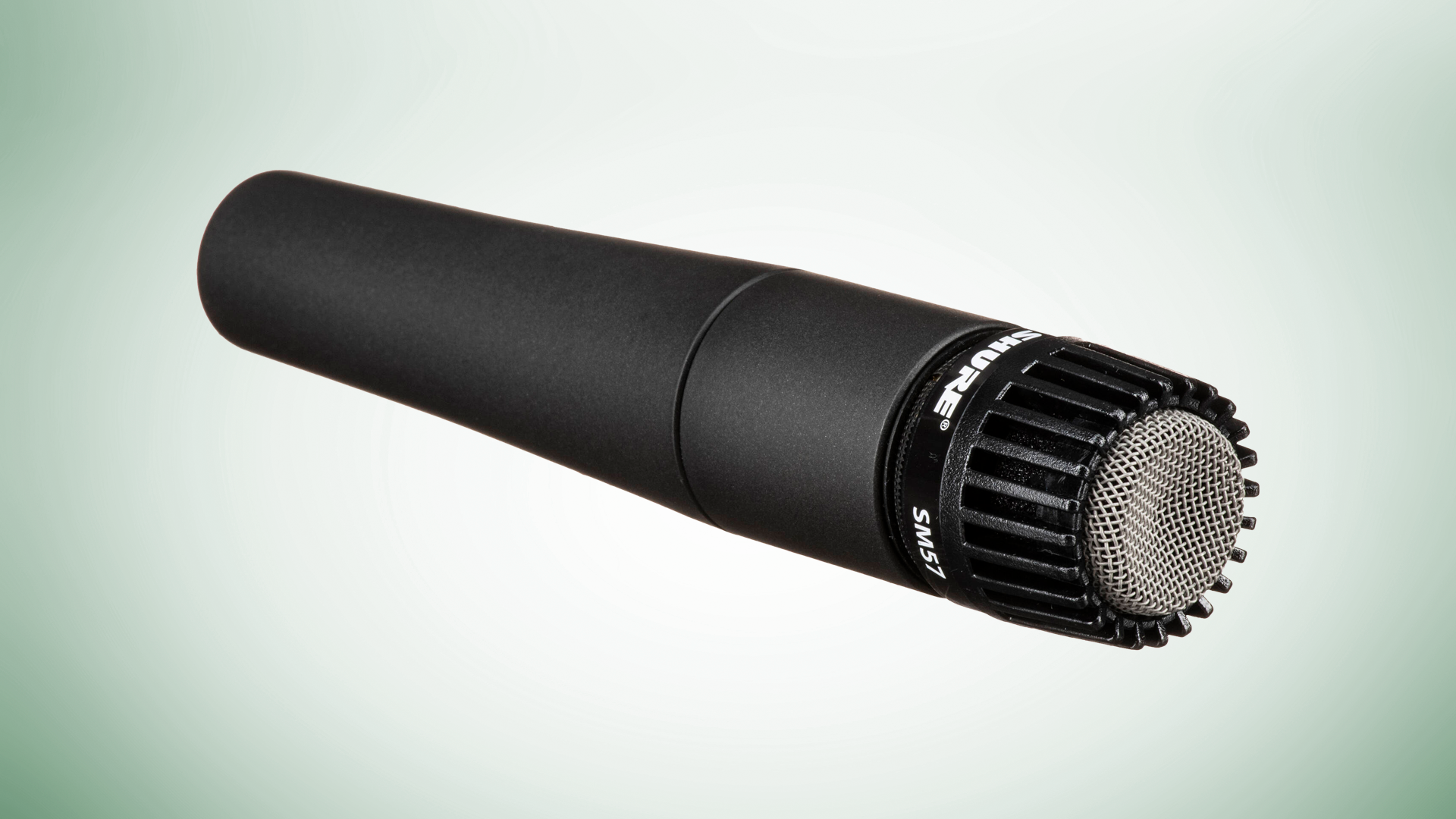
The SM57 has the exact same capsule as the quite-literally iconic Shure SM58 dynamic vocal microphone, but the design of its chassis allows for placements extremely close to a sound source, making it an ideal mic for individual drums on a drum kit, percussion, guitar cabinets, and really just about anything you can think of.
This nearly indestructible microphone is beloved by engineers of all levels for its bright, clean sound, contoured presence, and tight cardioid pattern.
Electro-Voice RE20: Unprecedented Versatility
First released in 1968, the Electro-Voice RE20 is one of the most versatile dynamic mics on the market, designed as a broadcast-style mic with a large diaphragm featuring a humbucking voice coil for low noise and exceptional clarity. This mic is very popular among broadcast announcers, podcasters, and studio engineers looking for a dynamic mic that can handle kick drums, floor toms, bass cabinets, and larger horns and saxophones.
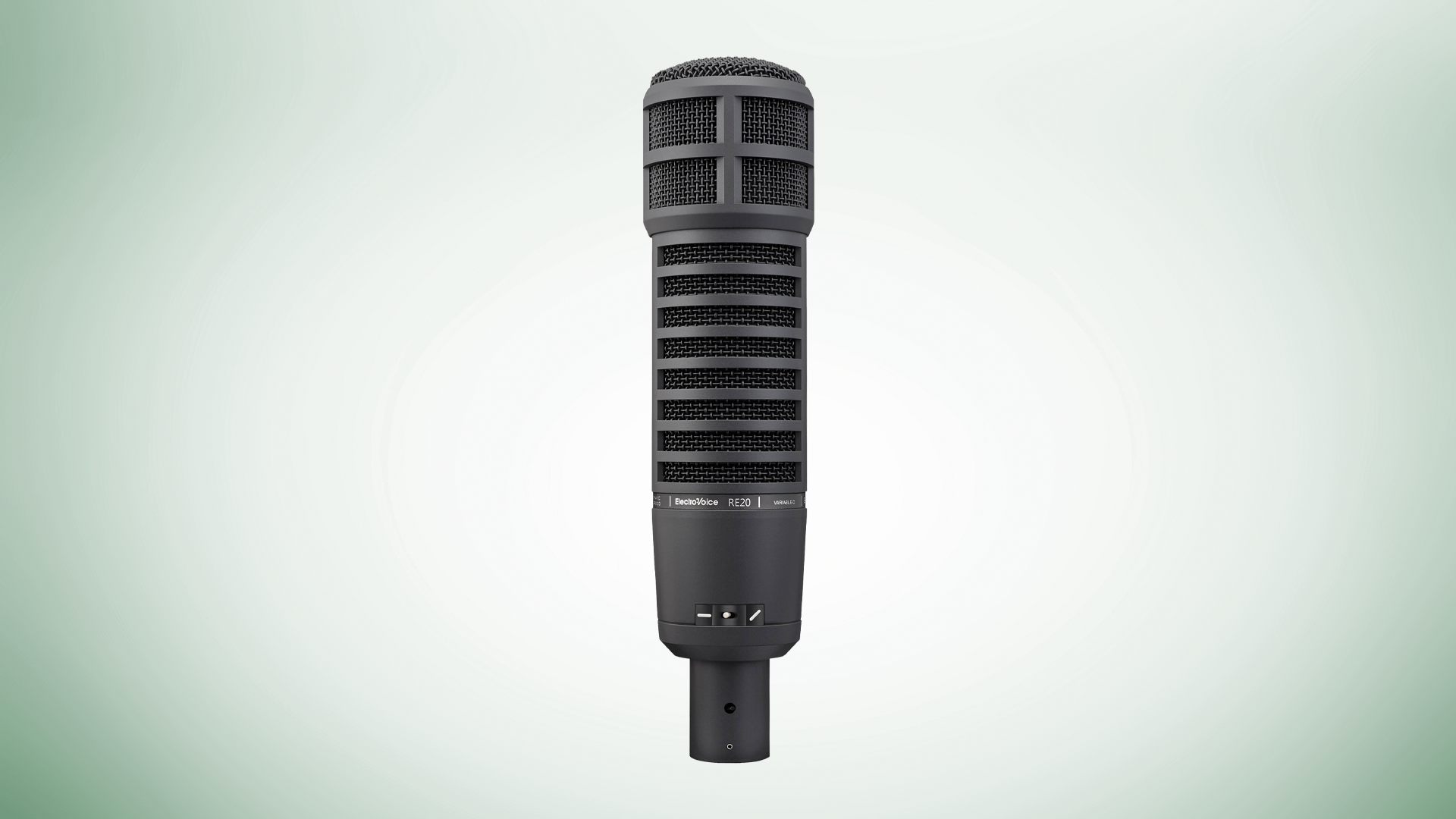
The RE20 is favored among engineers for its "Variable-D" technology, which mitigates the proximity effect—a phenomenon where low end frequencies are boosted when the mic is placed extremely close to the source. If you've ever wondered why the EV-RE20 has so many ports throughout its body, those are there to direct sound waves to the back of the transducer—an important design feature for Variable-D.
The EV-20 is a staple mic for any locker: if you don't have one already, make sure to put it on your list!
Shure SM7B: You've Heard it 1,000 Times
The Shure SM7B is one of the most iconic and visibly recognizable broadcasting microphones in popular culture, but it has gone through some revisions since the original. The Shure SM7 was released in 1973 and has enjoyed widespread and diverse applications throughout recording history. The SM7A was released in 1999 upgraded with more electromagnetic shielding (as computers were coming to prominence in the audio world) but it was quickly replaced by the SM7B in 2001, which improved its design with a better windshield—that design is the staple mic we know today.
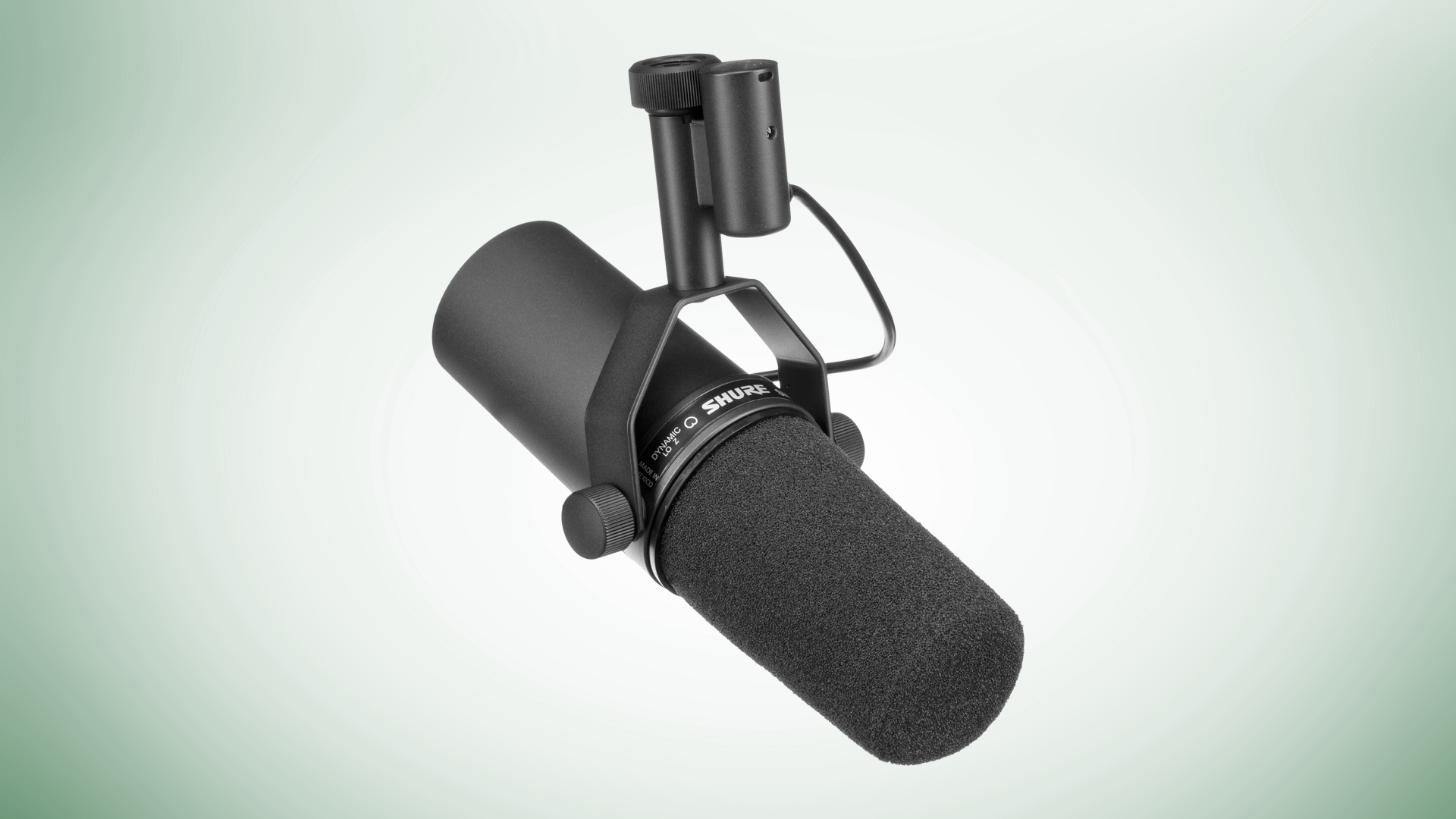
Perhaps the only gripe engineers have with the SM7B is its low output, meaning it needs tons of gain to get to a proper recording level—Shure answered in 2023 with the Shure SM7dB, which features a built-in preamplifier to simplify the process.
You'll see the SM7B in just about any video podcast or online content you'll watch, but it's useful in the recording studio as well. Its high SPL handling makes it a great choice for horns, vocals, guitar and bass cabinets and individual micing of the drum kit, especially kick and snare. The number of hits it's had a part of recording is far too long to list in this entry, but rest assured, having an SM7B in your locker is a must for any recording engineer.
Large Diaphragm Condenser Microphones
What's a Large Diaphragm Condenser Microphone?
A condenser microphone is markedly different than a dynamic microphone in both its sound and its use-cases, using electric capacitance to vibrate the diaphragm, and as such, needing +48V phantom power in order to properly function. These microphones can feature switchable polar patterns (the list of non-fixed polar pattern dynamics is extremely short), pick up finer detail, have less self-noise, and typically require less gain than dynamics—but they are often more fragile with lower SPL handling. Large Diaphragm means their capsule is roughly 1" or larger.
Audio-Technica AT2020/AT2035: A Beast on a Budget
Released in the mid 00's, the Audio-Technica AT2020 and AT2035 are considered one of the best budget large diaphragm condenser microphones on the market and have been since their inception. They're known for their unprecedented prowess in the bedroom recording scene, getting a big endorsement from Billie Eilish after she used it to record plenty of her earlier hits, most famously "Ocean Eyes"—and at less than $160 a pop for either of them, they're probably the among best sounding condenser mics pound for pound.
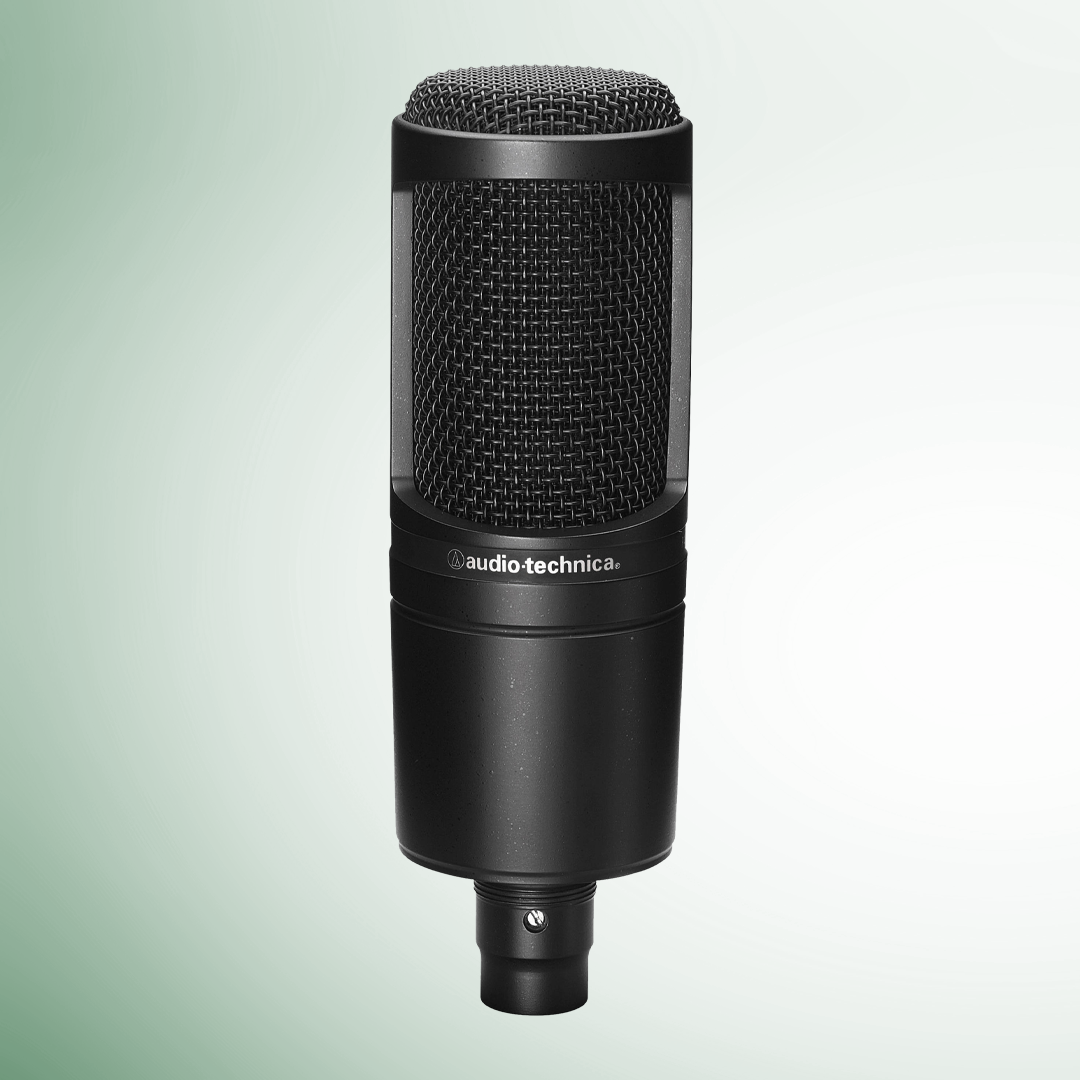
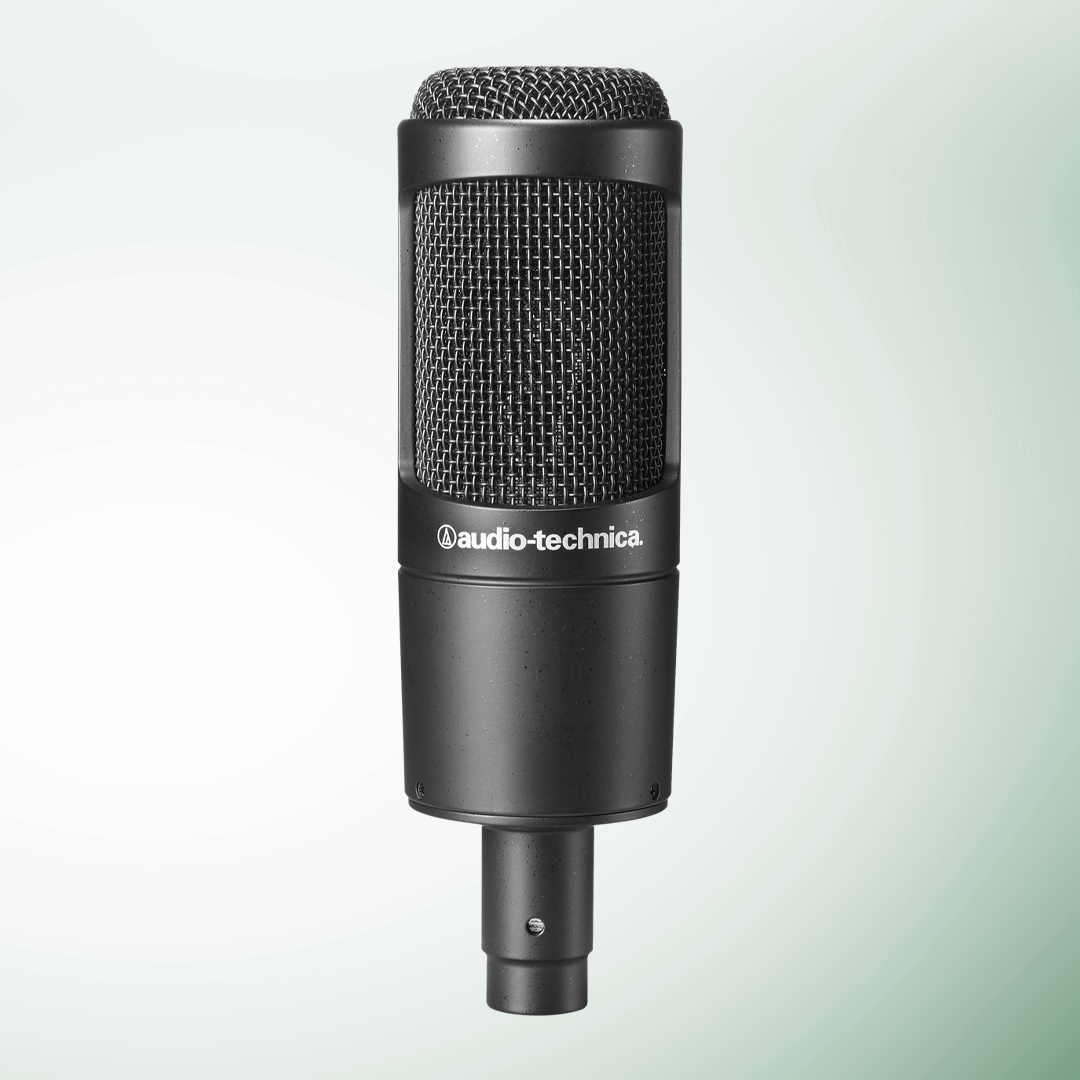
The AT2035 is simply an upgraded version of the AT2020, featuring an 80Hz low-cut filter and a -10dB pad, while the AT2020 has neither function. If you're starting to build a mic locker and need something you simply KNOW will work—but aren't quite ready to drop a grand or more—look no further.
AKG C414 XLS & XLII: A Full Locker in a Single Mic
The AKG C414 is another classic still in production, used as a kind of Swiss army knife in the studio due to its 9-position switchable polar patterns. While the newly manufactured C414s are great mics, the truly sought after versions of this mic aren't so easy to come by. The AKG C414 has gone through many revisions (or what I like to think as "vintages"), with eleven notable iterations of its design since its inception in 1971.
The currently produced models are the C414 XLII and the C414 XLS, both with their own tuned sound profiles, but many of the discontinued C414s are the most sought-after models, particularly the early vintage C414 EB (extended bass) which used the legendary AKG C12's brass capsule, the C414 B-TLII (transformer-less version II) which was the first model to remove the transformer, and the C414 B-ULS (ultra-linear series), which is known for its superior flat and even response.
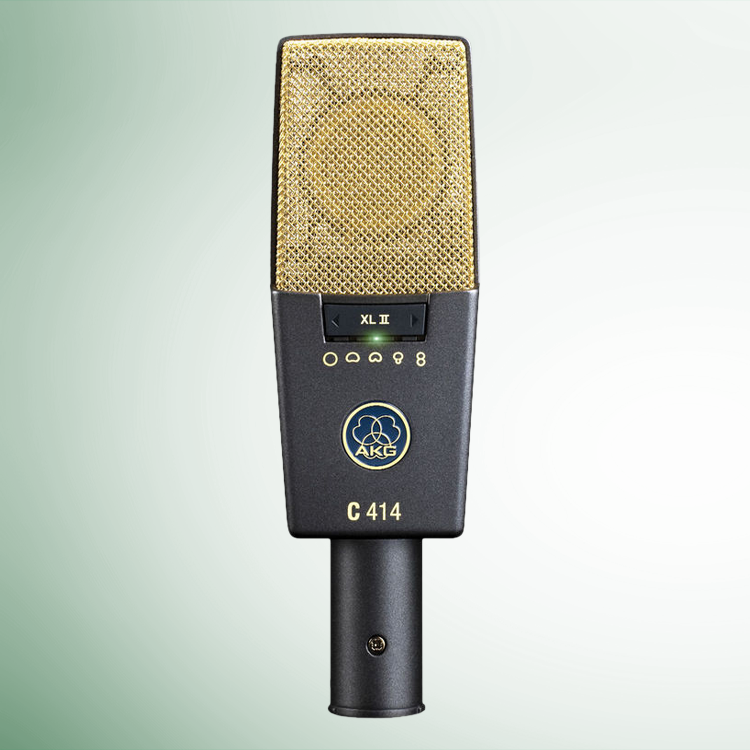
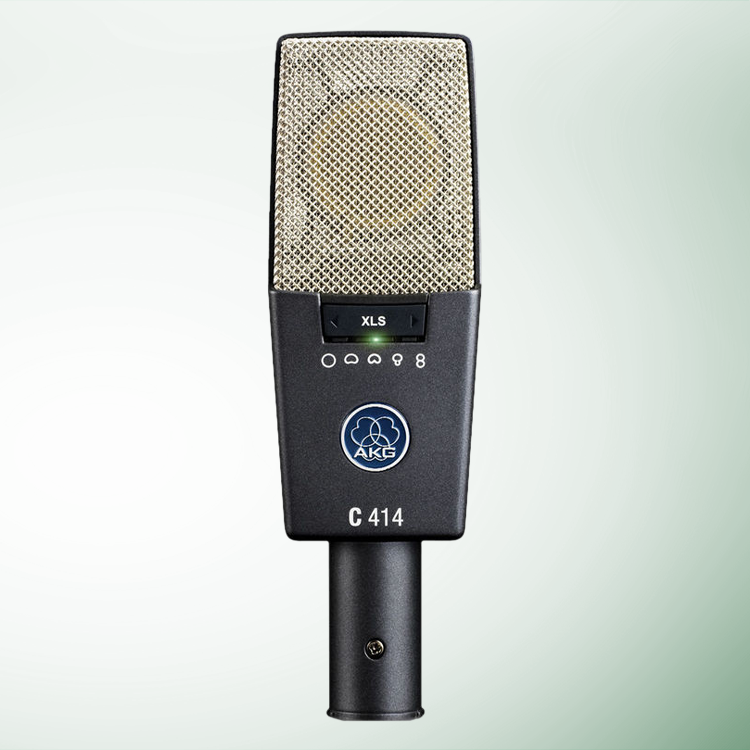
Samsung shuttered the doors AKG's original factory in Vienna in 2017 and moved their production to China (there is backlash to this decision to this day). When this happened, a group of former AKG engineers got together and formed the audio manufacturer Austrian Audio, who for all intents and purposes, are carrying on AKG's legacy, despite AKG still literally existing. Austrian Audio's OC818 is a modern take on the vintage C414 EB.
Clones/Recreations: Austrian Audio OC818, Warm Audio WA-14
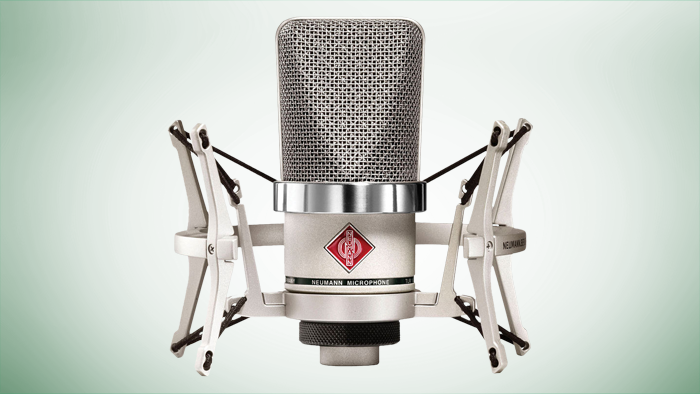
Neumann TLM 102: A Big Stick for Medium People
The Neumann TLM 102 is a large-diaphragm condenser mic with an exceptionally high SPL resistance, a treble boost switch, and an ultra-quiet, transformer-less output stage. This condenser is one of Neumann's most affordable, but don't let that fool you; the TLM 102 is an extraordinarily flexible studio tool that delivers Neumann sound quality in a robust package that can handle any recording scenario, from silky vocals and fat guitar tones to massive-sounding drums.
Neumann U87: Entering the Big Leagues
I'm not trying to play favorites here, but Neumann is one of those names synonymous with quality condenser microphones. If you have deeper pockets, the Neumann U87 is a classic staple microphone whose design has changed little since its release in 1967, featuring multiple polar patterns while delivering one of the most honest and crisp sound profiles on the market.
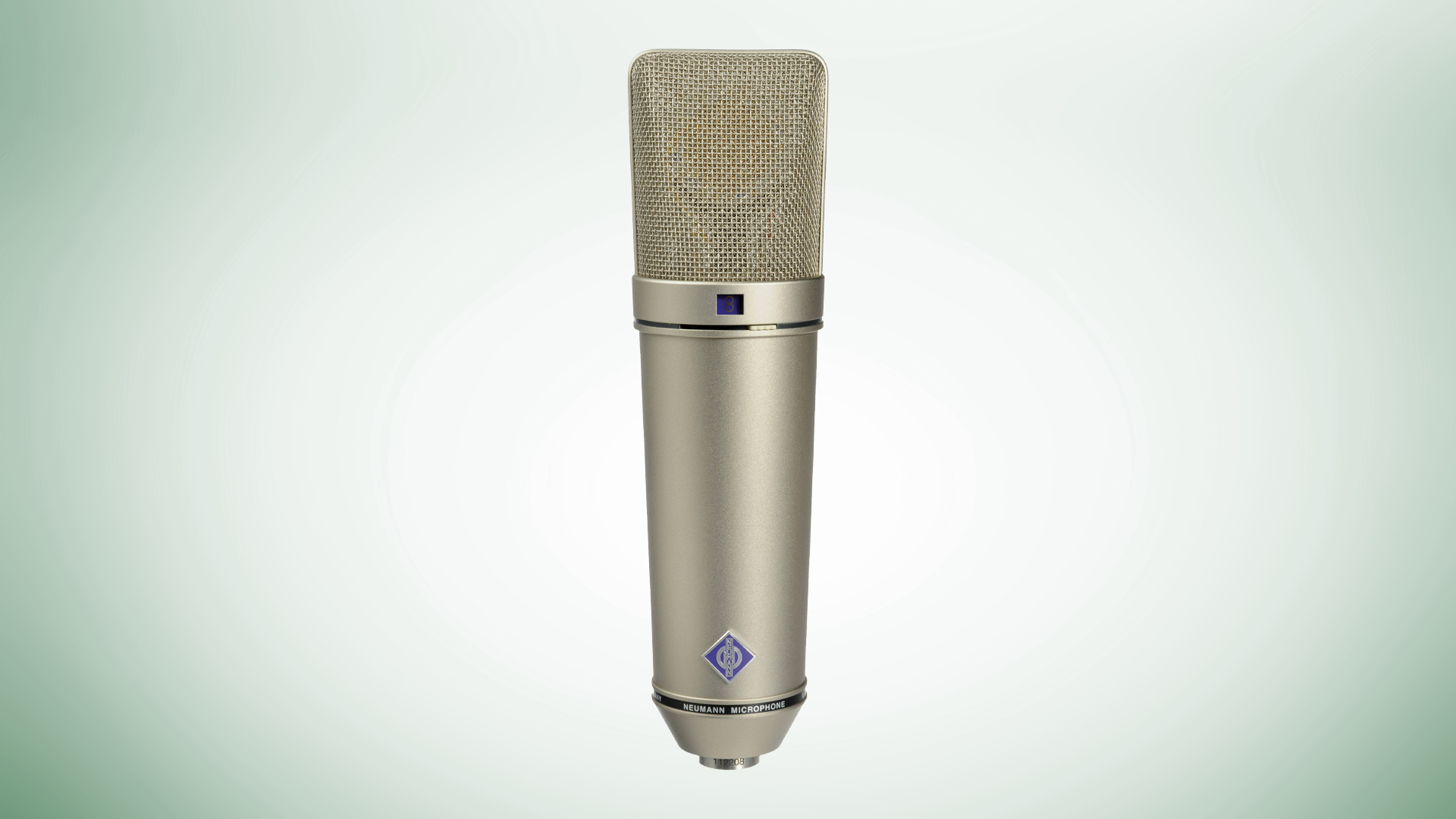
The U87 is one of the most ubiquitous microphones used throughout recording history, used to capture the sounds of countless hit recordings and even used in some broadcasting situations—specifically, it's the mic that NPR likes to use. If you're serious about building out a mic locker, the Neumann U87 is a must have in any studio.
Clones/Recreations: BeesNeez B87i, Warm Audio WA-87
Small Diaphragm Condenser Microphones
What's a Small Diaphragm Condenser Microphone?
Much like their bigger brothers, SDCs are phantom powered microphones that capture fine detail. The difference (besides their smaller form factor) comes down to their sound profile. Because SDCs have a titular smaller diaphragm, they are able to capture transients (the beginning of sounds) with exceptional detail, making them perfect for recording acoustic and percussive performances; drum overhead mics are almost exclusively SDCs. They tend to have a much higher self-noise than LDCs, but with the level of sound you'd typically record with them, that shouldn't be too much of a problem. Micing is all about right place, right time!
Neumann KM 184: A Studio Staple
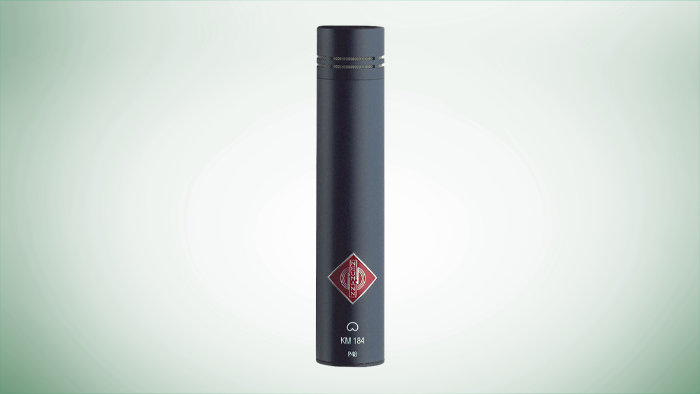
Yet another studio mainstay from Neumann, the KM 184 small condenser microphone is the industry standard for drum mic overheads, acoustic recordings, and classical ensembles. Perhaps the most appealing characteristic of the KM 184 is their tight polar pattern and superior mitigation of off-axis coloration—sound that enters the front of the mic sounds just as natural as the sound coming from the sides and back.
The KM184 are often sold in a pair—as many SDCs are—because their best use-case is in stereo recording; but they can do much more than that, particularly when recording brass and string ensembles. With their high SPL handling (for a condenser), you can find KM 184s used in broadcast and film-booming environments as well. The KM 184 are certainly a pair of mics you'll want in your locker if you're serious about producing professional recordings.
Clones/Recreations: Warm Audio WA-84
RODE NT5: Affordable Flexibility
While they're certainly not a recording benchmark like the previous entry is, a pair of RODE NT5s will get you 90% of the way there for quarter the price. RODE NT5s are fantastic SDCs for home and professional studios on a budget, and are great support mics that can be used in every situation a more "prestigious" SDC could be used in.
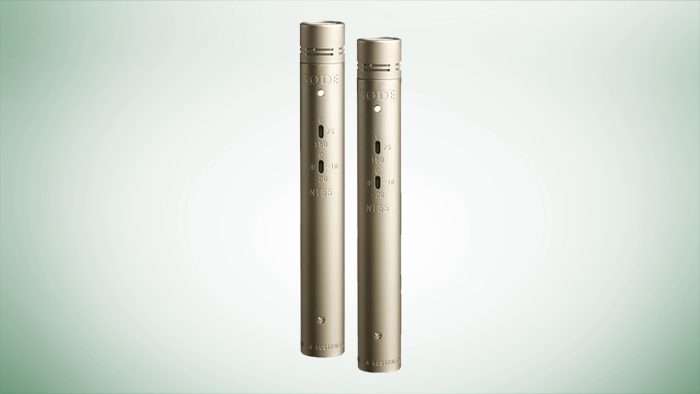
The RODE NT5s feature an interchangeable capsule design, meaning you can swap between the included cardioid capsule and separately available omnidirectional capsule or replace the cardioid capsule if it were ever damaged—however the NT45-O omnidirectional capsule is out of production, so you'll have to get one second-hand; there's some still around… for now.
Tube Condenser
What's Tube Condenser Microphone?
There are many different types of condenser microphones in existence, but perhaps the variant that provides the most substantial difference in sound is the tube condenser (or valve) microphone. Tube mics use a vacuum tube as an amplifier rather than a solid-state transistor circuit. This results in a fundamentally different sound that emphasizes second order harmonics, which produces a distinctly warm and colored sound. If you want to learn more about tube mics, check out our Explora article discussing them here!
Sony C-800G: Only the Finest
The Sony C-800G is among the most expensive and sought after tube microphones still in production, coming in at an eye-watering $14,999.99—but engineers know the price is well worth it. The C-800G is a legendary vocal mic known for its peculiar shape due to a built-in heatsink that's separated from the actual chassis. Its sound profile is favored for hip-hop, pop, and R&B vocals, delivering that enormous larger-than-life sound you need to compete in the very tip-top of the professional recording scene today.
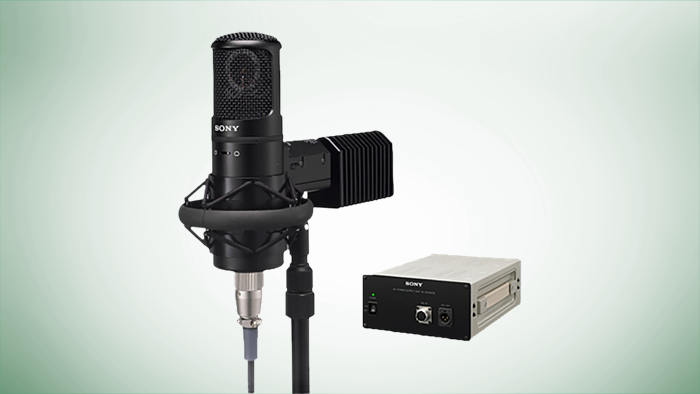
It can be used for more than just vocals, but this mic, especially when paired with a TubeTech CL1B compressor, will give you a sound that will always win. This mic may be the cherry on top, final piece of the puzzle for any recording engineer.
AKG C12 VR: Vintage Restoration
The AKG C12 is the progenitor of the 12-style tube mic and has been used since its inception in 1953 to record some of the biggest hits both in the last and current century. The original run of the C12 was limited, so finding a true vintage C12 will prove quite difficult and costly with working units commanding prices in the mid five-figures, but the AKG C12 VR is a modern and faithful recreation of the original (it still has quite a steep price tag).
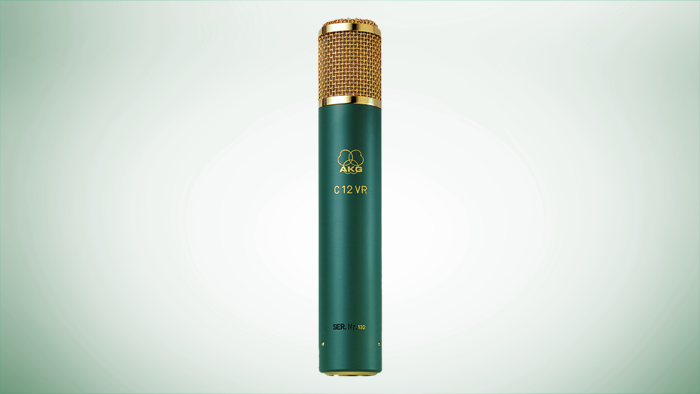
The AKG C12 shares space in the mythical pantheon of vintage vocal mics along with the Neumann U47 and Telefunken ELA M 251 with a dark, smooth, second-order sound that works with just about any style vocals, making them sound larger than life.
Manley Labs Reference: A Not-So-Secret Weapon
Manley Labs can be viewed as one of the last vestiges of the truly inspired mom-and-pop business ventures that the increasingly vaporous American dream has produced within the pro audio market—and they continue to keep the dream alive up to this day. Their factory in California is known for making some of the most precise and prestigious tube-based audio equipment in the world, and the fact the Manley Labs Reference microphone comes at a cost of "only" $3,500 is something of a marvel.
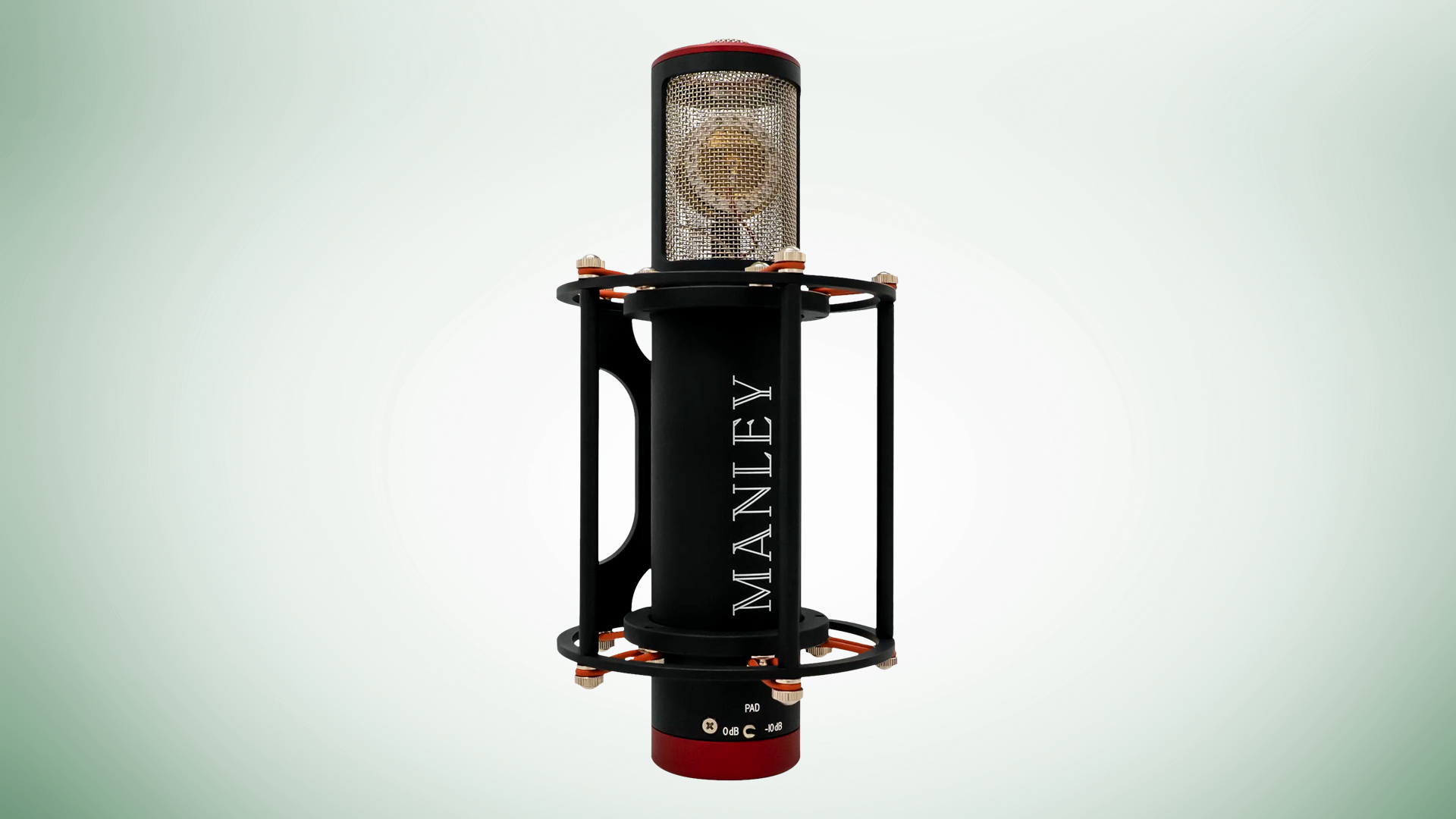
The Manley Labs Reference microphone contends with the C-800G at a fifth of the price, known as a mainstay for pop, hip-hop, and rap vocals and presenting an enormously present and airy quality that sound "expensive" and radio-ready. The Silver and Gold models of the Reference were released alongside with the original in 1990—these two versions are more expensive and offer multipattern switching, more unique and boutique capsules and vacuum tubes, and separate circuit topology, making each one have their own sonic profiles.
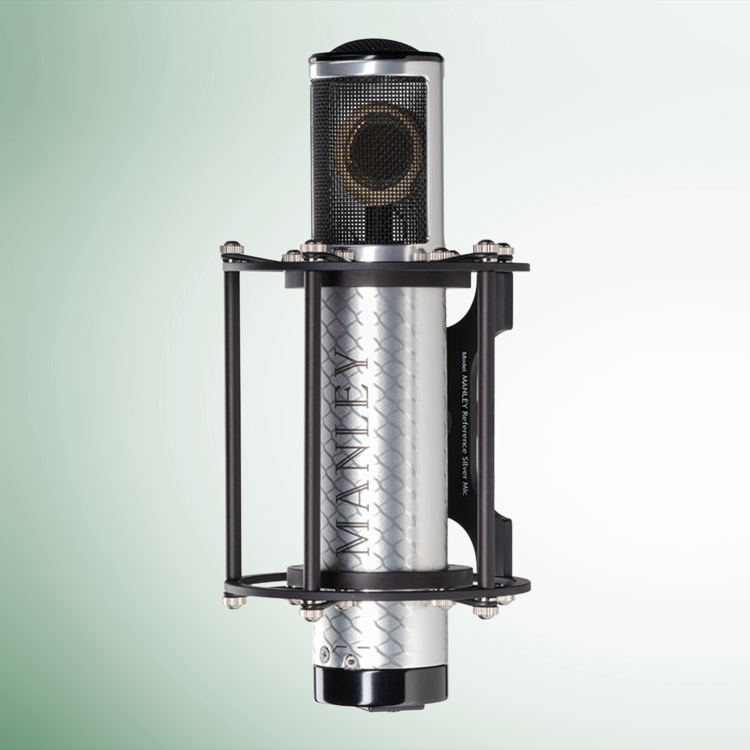
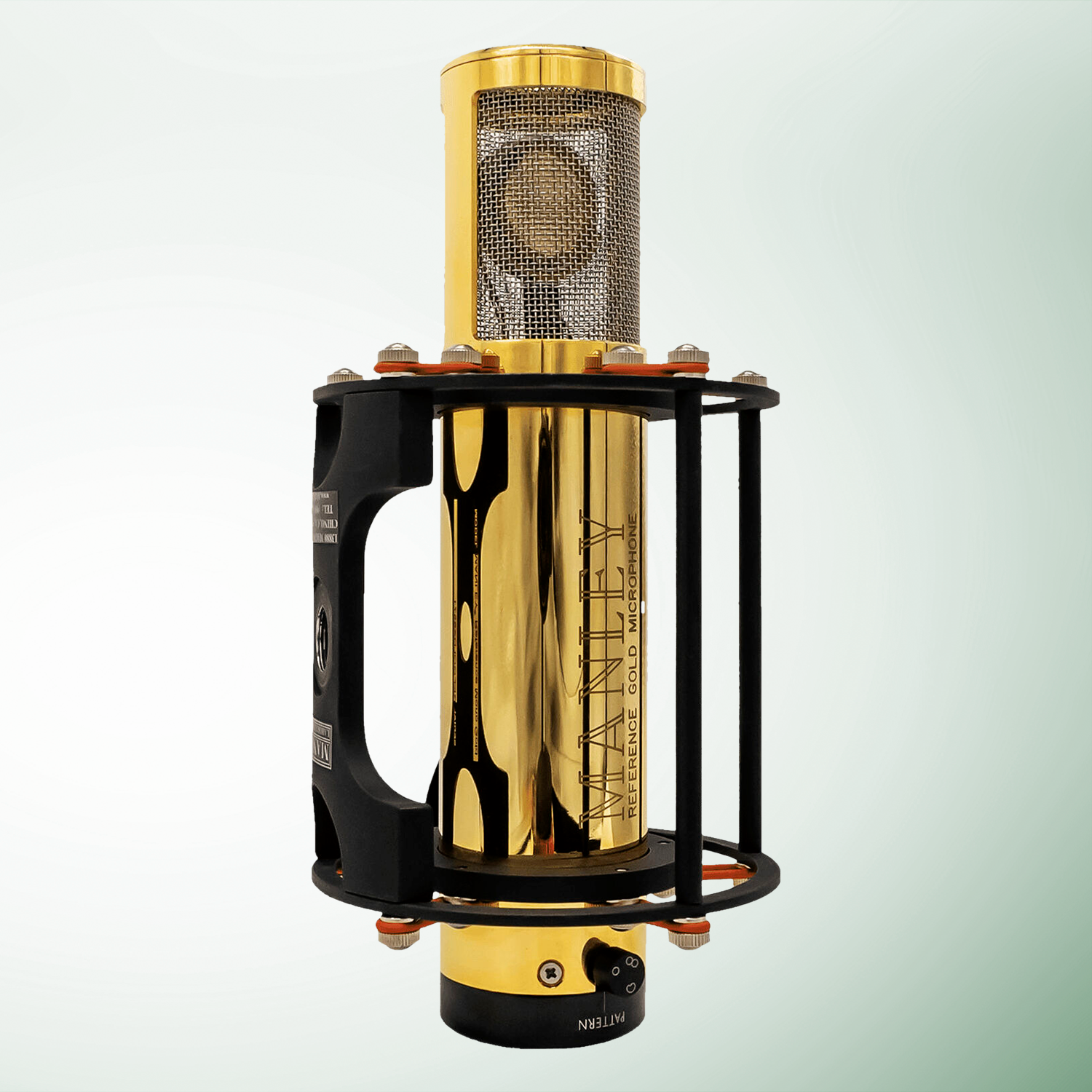
If you're just entering your foray into ultra-high-end audio and need one of the best tube mics ever—and you're not looking to add the equivalent to a car payment to your expenses—the Manley Labs Reference is your answer.
Ribbon Microphones
What's a Ribbon Microphone?
Ribbon mics are highly sensitive (and delicate!) microphones that use microscopically thin strips of aluminum suspended between two magnets to capture sound. They are almost always bidirectional and often produce a dark, natural, and smooth sound with high frequency roll off. They're perhaps the most unique and specific mics out there in terms of both design and use-case, but having a few in the locker is always a great thing.
Royer-121: A Guitar's Hero
Royer Labs has been exclusively producing ribbon microphones since 1998, starting out with the legendary Royer-121, which has now become a must-have in every engineer's mic locker. The Royer-121 is known for delivering the quintessential modern ribbon mic sound with a warm and natural profile and a soft high-frequency roll off.
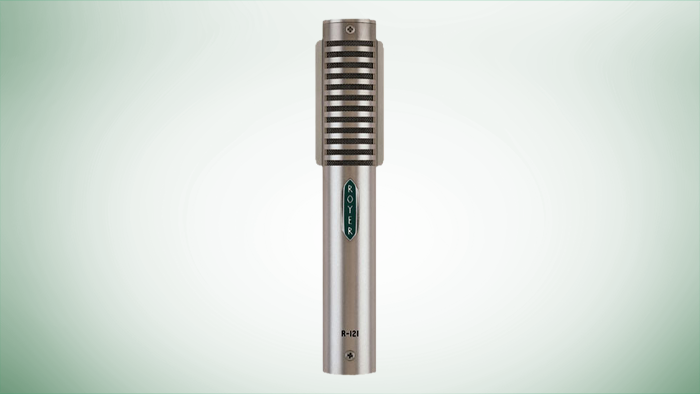
The Royer-121 is surprisingly rugged for a ribbon mic, which are usually quite fragile. With a handling for up to 160dB SPL @ 1kHz, it's become an industry standard for micing up electric guitar cabinets but also serves well when recording brass, drums, piano, and percussion—stuff that would probably disintegrate most other ribbon mics.
AEA ("Coles") 4038: The BBC's Waffle Iron
The Coles 4038 ribbon mic is one of the classics, and its design hasn't changed at all since it was first rolled out—and it looks like a waffle iron and weighs as much as one too. Designed by the BBC in 1953, it was originally intended as a broadcast microphone with a sound profile that invokes the "British politeness" associated with the network.
Like most ribbon mics, the Coles 4038 has a smooth and flat frequency response with highs rolling off at around 15kHz. They're often used for drum overheads and brass instruments playing softer parts (think French horn), capturing a dark, rich warmth, perfect for when an SDC is too bright and sparkly to deal with. But be careful when using a 4038, despite their substantial weight, they are quite fragile, and adding +48V phantom power can destroy the ribbon element.
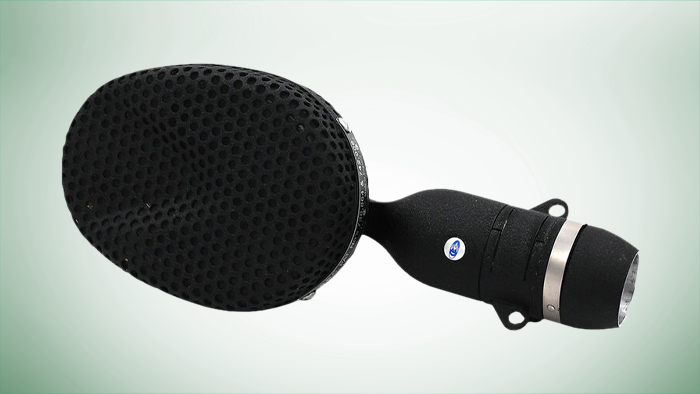
If you ever encounter this mic in the wild, it will be called a Coles 4038—AEA (Audio Engineering Associates) is the official US distributor of the Coles 4038, which are manufactured in England. If you call it an AEA, you might be met with looks of confusion.
Beyerdynamic M 160: Unique Rock Heritage
The Beyerdynamic M 160 is a classic and incredibly unique ribbon microphone as it is among the few out there that do not use a bidirectional figure-8 polar pattern—the M 160 uses a dual ribbon turned 90 away from the typical configuration resulting in an end-address hypercardioid pattern.
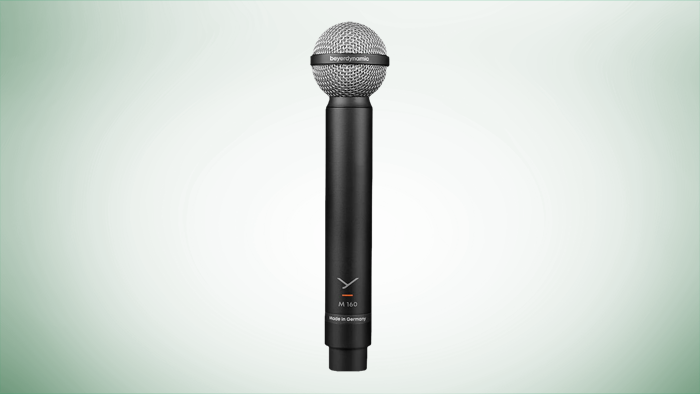
Like other ribbons, the M160 is known for its dark and natural sound profile, often used to soften and tame harsh sounds, making it perfect for use on guitar cabinets (Jimi Hendrix), loud rock vocals (David Bowie), and drum overheads or as room mics (Led Zepplin). The M 160 is truly a fantastic and unique mic, perfect to get once you've started really fleshing out the locker.
Grab Bag
At the risk of an even MORE exhaustive list, I feel I'd be remiss to not briefly mention some more classic and iconic microphones you'll find in many recording studios.
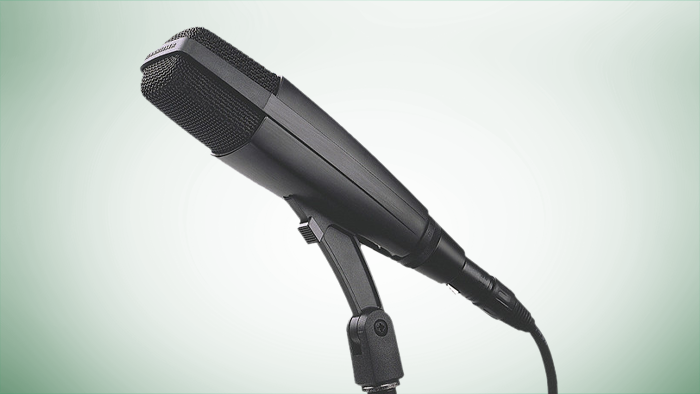
Sennheiser MD 421-II
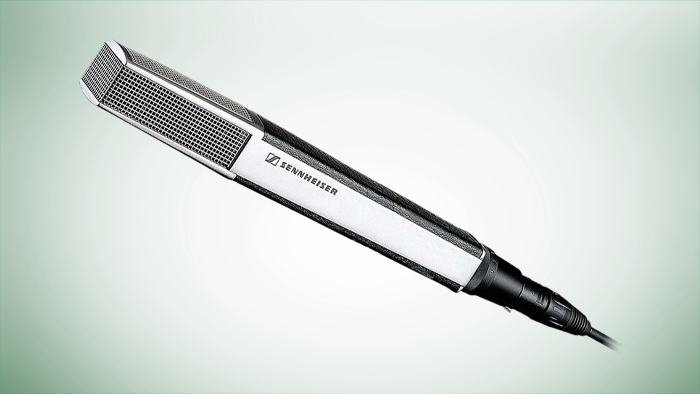
The Sennheiser MD 421-II is a curiously shaped dynamic microphone and is a classic, having been an industry standard since the 1960s. It's an overall workhorse good for micing just about anything, not dissimilar to the Shure SM57, but has a bit more of a punchy and comparatively "expensive" sound that makes it a favorite for recording drums, particularly snares and toms.
Sennheiser MD 441-U
The Sennheiser MD 441 is the MD 421's younger—and much bigger—brother. Sporting a similar unique shape, the MD 441 was released in 1971 and was initially intended for radio and television broadcasts; while its use in broadcasting has phased out, it has become a coveted mic for recording vocals, guitar cabinets, and woodwind instruments.
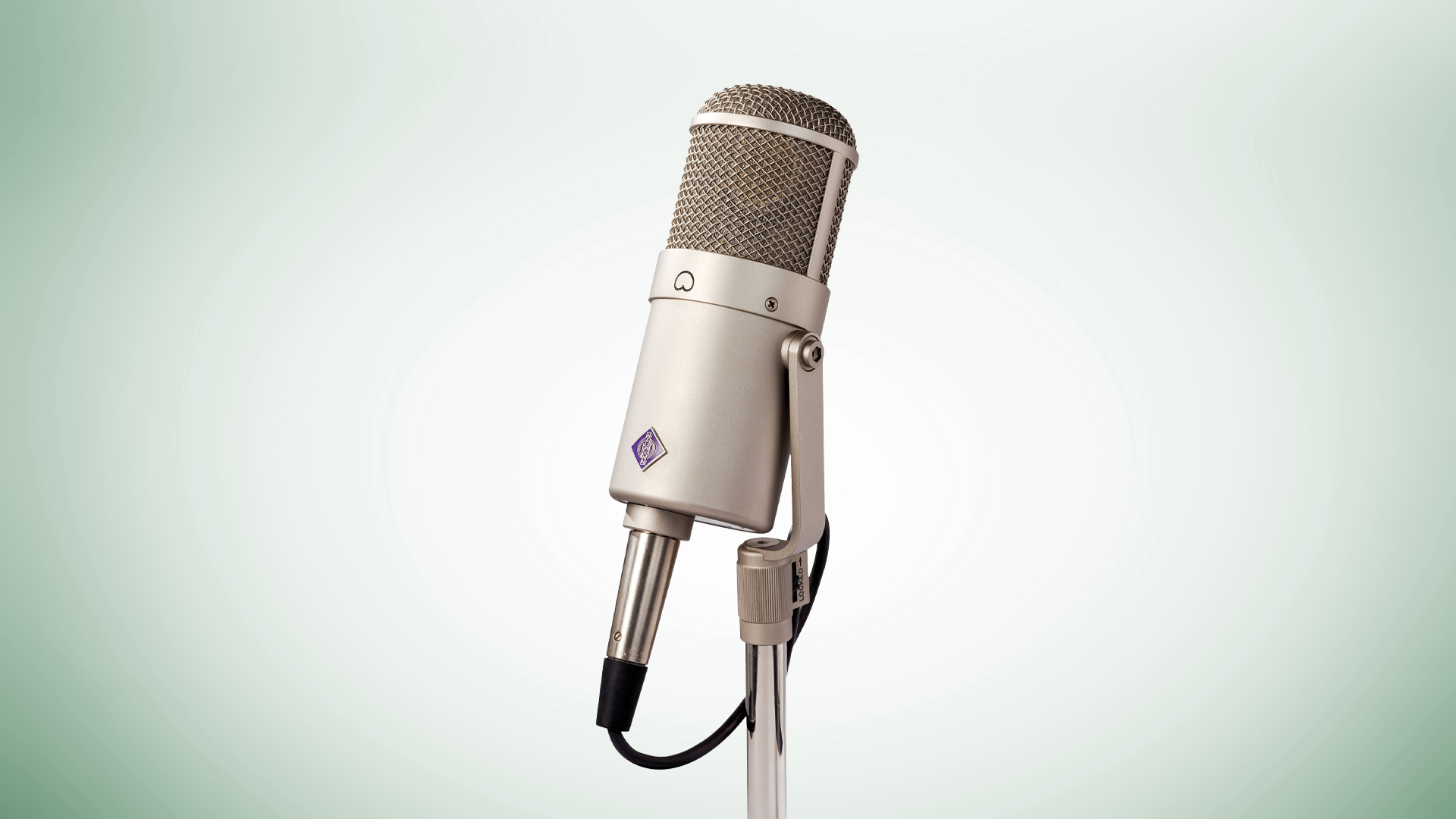
Neumann U47
The Neumann U47 is perhaps one of the most famous microphones in the world, having gone through multiple revisions and design changes since its inception in 1949, using different circuitries, vacuum tubes, and eventually even design principles: you can find tube based and solid-state FET U47s as well as ones with fixed or switchable polar patterns. The U47 is closely associated with George Martin and his work with the Beatles in Abbey Road Studios, and is a favorite among engineers recording soft and dynamic jazz drums.
Sennheiser MKH 416-P48U3
This confoundingly named microphone is not intended for studio recording, but it's just too ubiquitous to leave off the list: the Sennheiser MKH-416 is a legendary shotgun microphone with a long throw range, intended for use in film, TV, and on-location recording applications, featuring moisture resistance and an included windscreen for intense outdoor conditions. B&H exclusively offers a special 50th anniversary edition of the MKH-416 with real gold highlights throughout the tube and grille—however only fifty were ever produced.
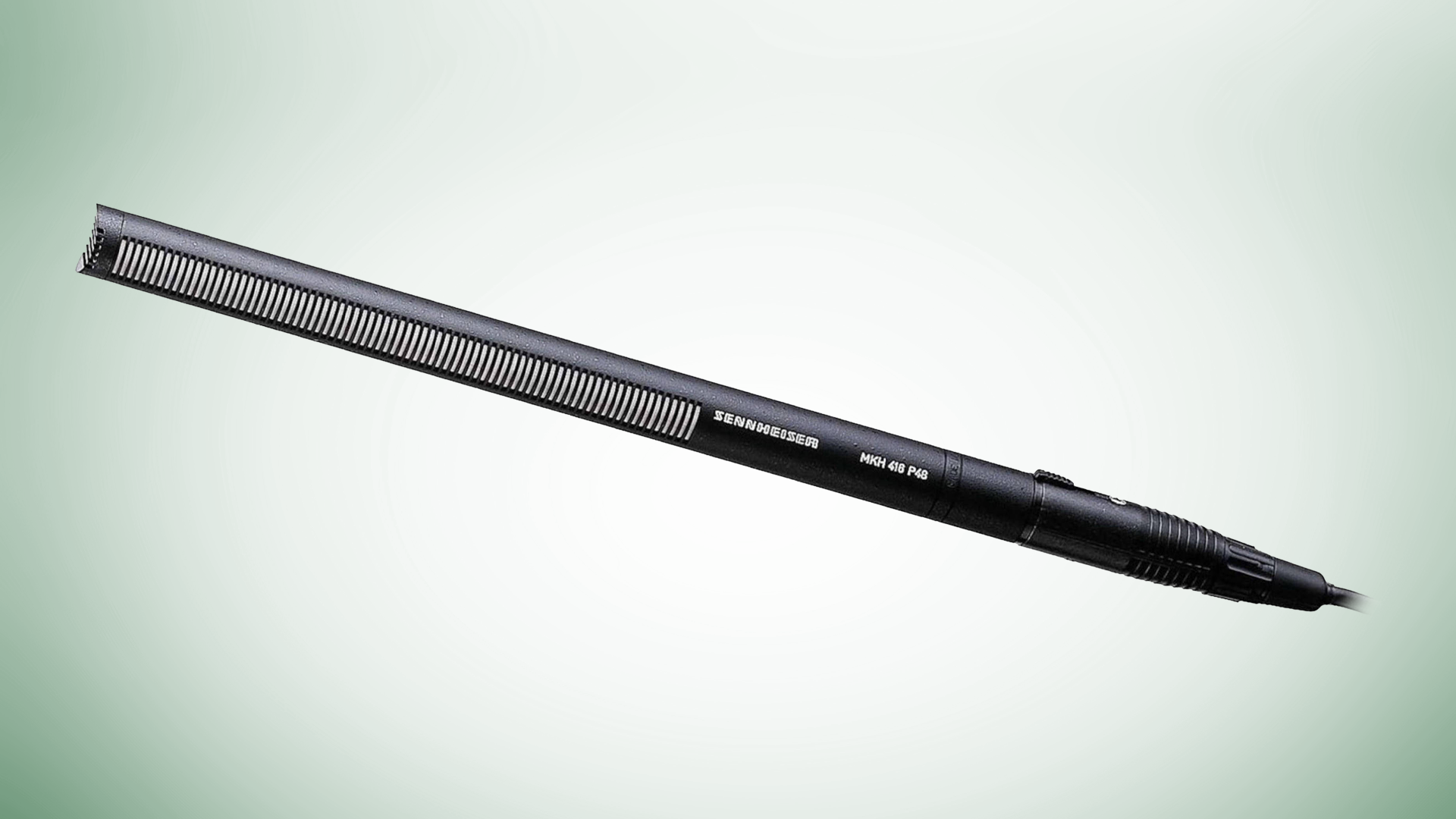
Limited Edition B&H Exclusive Gold MKH-416 Shotgun Mic
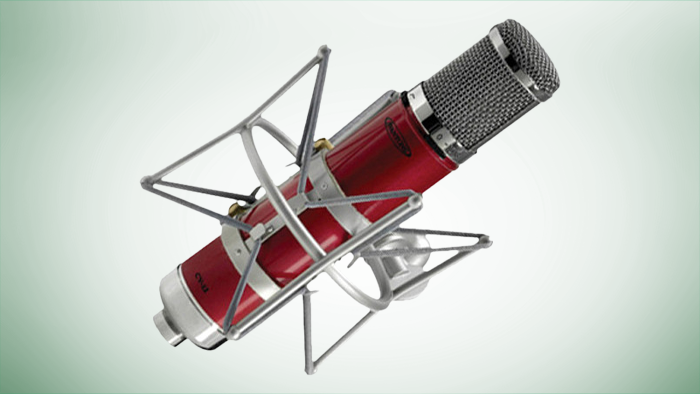
Avantone Pro CV-12
A final honorable mention is the affordable (by tube standards) Avantone CV-12, a multi-pattern tube condenser that delivers an exceptional value for its price. With a hand-selected 6072A tube output stage, nine variable polar patterns, and switches for pad attenuation and low-end roll-off, the CV-12 is one of the best and most accessible entries into the world of tube mics. This mic performs well with vocals, acoustic guitar, mandolin, and piano, as well as stereo drum overhead or room mic duties.
Mic Check?
I wish I could talk about even more microphones; we have far more than twenty legendary studio recording microphones for sale at B&H, and there's a special place in my heart for all of them--but I have to finish writing this article eventually! I hope this compilation has given you an idea of some of the most popular and sought-after mics in the recording industry and that it has imparted some knowledge about their use and history.
All these mics, no matter what their price, are commonly found in professional recording outfits, so the more you know, the better! If you have any more questions, feel free to reach out to our pro audio experts online or in store—or better yet, come into the store where we can let you try out a ton of these mics in our dedicated microphone closet!
