Search results for: lighting tips techniques basic lighting techniques
About 49 filtered results
by Mathew Malwitz · Posted
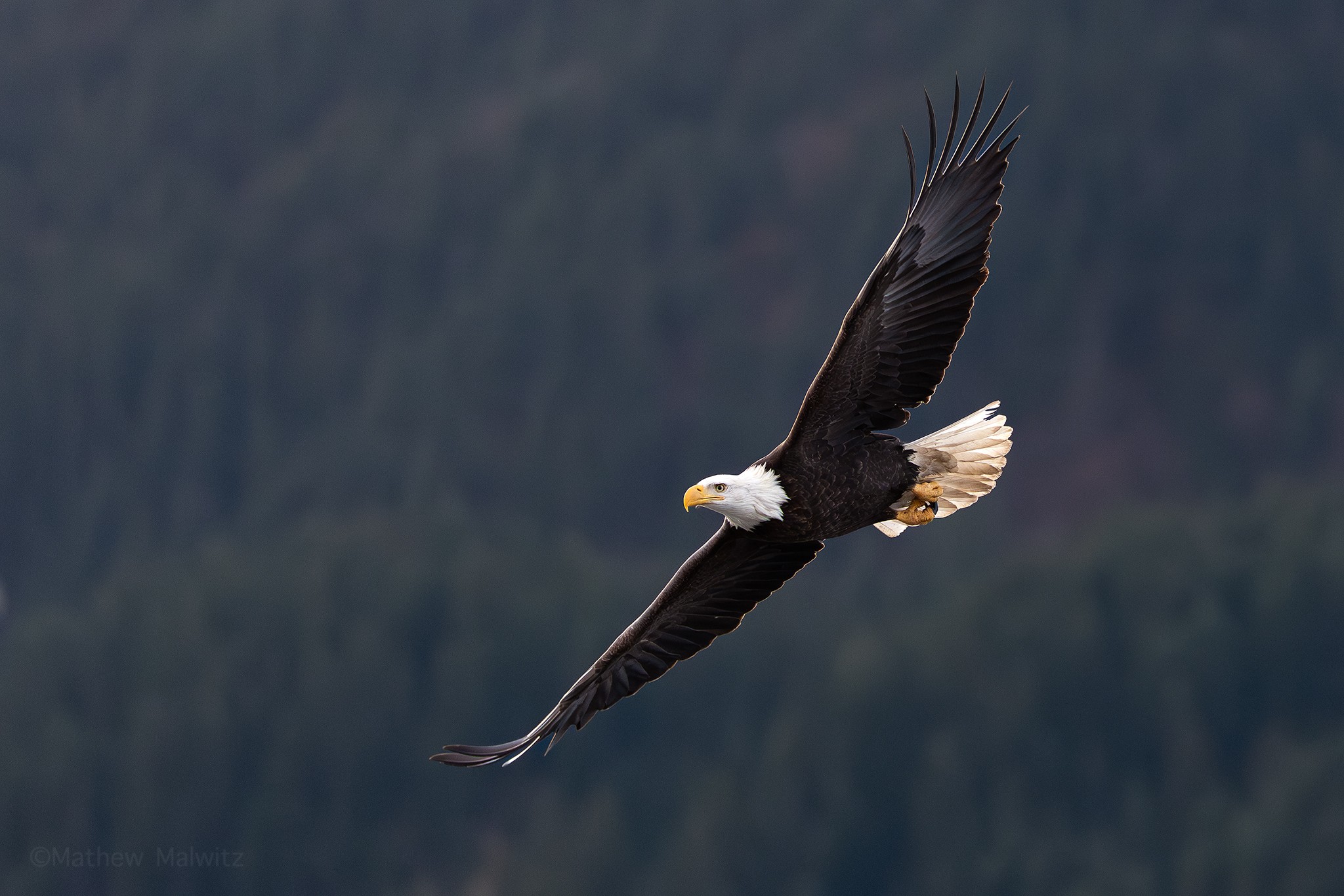
The bald eagle, one of the most regal birds of prey, has a secret. It’s notably one of the most difficult subjects to expose for. If we trust the camera in an automatic mode, we’re likely to get either an overly bright head, or a body that’s too dark in shadow to see. The only reliable way to capture good exposures of these birds is to expose to the right.
Mathew Malwitz
This technique is as useful as it is controversial,

by Luke Rollins · Posted
Learn about how to get started with dental photography, including what gear to use, which photographic fundamentals you should be focusing on, and why dental photography is critical for both clinical care and promoting your own dental practice.
IN THIS ARTICLE
1. (Don’t Fear) the Gear2. Good Dental Photography Is Good Photography3. Macro Discipline, Portrait Mindset4. Embrace the Flash5. Clinical,
by Luke Rollins · Posted
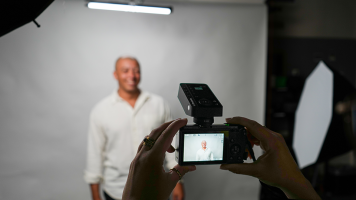
At first glance, studio photography and the compact camera may seem strange bedfellows. The type of work associated with the studio—still life, product photography, portraiture, macro photography—usually wants cameras with larger sensors and interchangeable lenses, especially in professional applications. Compact, point-and-shoot cameras, for their part, have their natural home in everyday, travel, nightlife, and street applications, where their discretion and size become virtues.
It might seem almost cruel to introduce the compact to the

by Mathew Malwitz · Posted
Have you ever taken a photo that looked so good on the back of your camera, only to get home and see that it’s just not sharp? We’ve all been there, and even the experts miss more shots than they keep. That said, there are many tricks and techniques we can learn to improve the odds. In today’s guide, we’re looking at five techniques to aid us in confidently capturing tack-sharp photographs.
Sharpness is critical in most genres of photography, especially nature and wildlife. Sure, we can intentionally blur elements to showcase motion. We

by Luke Rollins · Posted
Whether you’re the designated photographer at a friend’s night out or a professional working an event, a compact, point-and-shoot camera can be a strategic choice for creating a distinctive look for your images. Depending on where you’re starting, the move to a compact camera can be either a step up from the smartphone or an embrace of a more limited feature set. In either case, the best event and party photography with a compact camera says one thing: you had to be there.
The number one advantage to using a compact camera is social. The

Posted
Photographer Chrystofer Davis teaches the basics of documentary photography and how to tell a story through your pictures. Build your technical skills by learning about composition, lighting, and editing.
0:00 - Intro
1:16 - Why we preserve photos
6:56 - Finding your purpose
23:18 - Best practices
28:43 - To hunt or fish?
34:51 - Portrait & candid techniques
39:56 - Documenting in studio
46:27 - Studio photo demo
56:14 - Closing thoughts
Sponsored by
Posted
Enter the world of grip. In this workshop, product developer Jason Friedman covers everything from the basic anatomy of a light stand to advanced rigging techniques. Learn why everyone needs a grip on set and get a breakdown of the different grip positions and technicians who make it happen.
0:00 - Intro
1:43 - Grip 101
13:01 - Anatomy of a light stand
20:10 - Light stand & pins specs
35:20 - Break casting
36:37 - Light stand head types
39:58 - Stand types
1:01:16 - C-Stand uses
1:04:22 - Grip hardware
1:23 - Key stand lineup
1:30:30 -

by Zack Young · Posted
Virtual production (VP) is a professional video technique that combines live-action footage with computer-generated imagery (CGI) in real time. Virtual production typically happens on “volume” stages where seamless interlocked LED panels display rendered photo-real backdrops that change and adapt as the camera moves. This creates impressive in-camera virtual effects (ICVFX) that require little to no post-production work. Let’s jump into the exciting capabilities of
by Mathew Malwitz · Posted
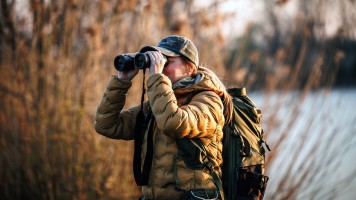
Birds, they’re all around us. If you haven’t paid much attention to them, you’re not alone. But, once you do, you’ll have a hard time stopping. If you haven’t yet dabbled in bird watching, known colloquially as birding, we have just one question. Why not? Birding is the perfect way of partially disconnecting from the digital world we find ourselves in and connecting with nature through observation, and one of the most relaxing pastimes imaginable.
If you’re fascinated by our feathery friends but don’t know where to start, we’ve got you covered

by Mathew Malwitz · Posted
There’s an old adage that claims in order to be a wildlife photographer, you need a lot of time and a lot of money. This is only partly true. Many great wildlife photo opportunities can occur in urban parks and even in your own backyard, as long as we know what we’re doing. In this article, we’re going to cover a number of essential tips that will help you become a better wildlife photographer.
If you’ve read our introduction

by Mathew Malwitz · Posted
When it comes to improving your wedding photography, you're likely to hear a lot about gear. We've done our fair share of these gear guides from using fast lenses to complicated lighting set ups. Now, we want to talk about techniques you can use to up your wedding photography game.
Let's take a step back and return to the basics. In this guide, we're going to look at five simple things you can do to up your wedding photography game. These tricks will aid us in both our understanding of the job, marketing ourselves, and client relations.
Be

by Mathew Malwitz · Posted
As photographers, we are faced with a wide array of lighting conditions, ranging from bright sunlight to dimly lit interiors. Using ambient light as your main source is often preferable; however, in a situation such as an event or portrait where time is of the essence, you will need to know how to properly expose all these varying scenes using both natural and artificial light sources.
Being resourceful with your lighting setups lends greater efficiency, and having a lighting system you can easily move from one situation to the next quickly is

by Todd Vorenkamp · Posted
Choosing a lens is a highly personal choice, and that’s especially true for wildlife photography. This is in the realm of the telephoto lens after all. While almost any focal length lens works for landscapes and other types of photography, in general, when it comes to photographing animals in the wild, you'll want to have the longest reach you can. In this guide, we’re going to discuss the factors one should consider when purchasing a lens for wildlife photography.
Focal Length
The first and most straightforward factor to consider is focal

by Mathew Malwitz · Posted
Family portraits are a great way to capture a moment in your family’s history. You may find yourself wanting to capture family photos every few years or so, more often when the little ones are, well, little. Maybe you’re looking for a way to take matters into your own hands, or maybe you’ve been taking your own family photos for years and have found yourself being asked to take photos of friends, family members, or even paying clients.
Family portraits can be a lot of fun to shoot. Maybe you’ve been taking photos of your kids and want to

by Mathew Malwitz · Posted
Winter brings with it some of the best photographic opportunities imaginable. As the temperatures begin to drop, our approach to photography changes a bit. Cooler weather brings with it snow, stunningly colorful evening skies, wintering birds, and an assortment of beautiful weather conditions. Some of the best photographic opportunities present themselves in these unfortunately cold times. That being said, if we prep ourselves and our gear appropriately, we can capture stunning images.
Before You Head Out
First, some safety precautions. Cold