Search results for: photography composition basics
About 66 filtered results
by Luke Rollins · Posted
FUJIFILM's beloved instant photography format instax recently surpassed 100 million cameras and printers sold, all while eyeing its 30th anniversary. While perhaps just short of the brand recognition of iconic Polaroid, instax has the people's vote and the lion's share of sales and has expanded that popularity into a full-on ecosystem of films and formats, analog and hybrid cameras, smartphone printers and digital capture devices, and, coming soon, commercial photobooths and other event-oriented products.

by Luke Rollins · Posted
Content creation has exploded into a multi-billion-dollar industry with no signs of slowing down. While it’s true that anyone with a smartphone can become a content creator, the shift toward polished productions might have you browsing some more professional gadgets. Luckily, affordable, easy-to-use gear is widely available for every kind of content creator. Let’s explore some options you might consider snagging for your new hobby or upcoming project.
Best vlogging cameras for content creators
by Mathew Malwitz · Posted
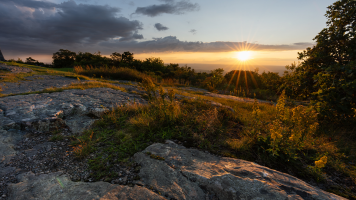
Taking photos has never been easier, whether you're using a smartphone, point-and-shoot, or mirrorless camera. It's a fact that no matter where we go, we almost always have some form of camera on hand, and while the opportunity for image making has changed, what hasn't changed is what makes a photo good.
The simple answer is photography composition, or the arrangement of elements in your frame. This concept can be confusing as all art subjective. That said, think of movies and music and how certain combinations of sounds and storytelling

by Mathew Malwitz · Posted
When we head out into the great outdoors, there’s nothing more we need than our camera and lens. So long as you have a charged battery and an empty memory card, there’s little more you could ever need—that is, until that battery dies, it starts to rain, or a bird poops on your lens. How do we prepare for these inevitable conundrums? We bring the pertinent accessories, that’s how.
Smaller

by Luke Rollins · Posted
IN THIS ARTICLE
1. (Don’t Fear) the Gear2. Good Dental Photography Is Good Photography3. Macro Discipline, Portrait Mindset4. Embrace the Flash5. Clinical, but with an Eye for Marketing
For dentists, the evidentiary benefits of a photographic practice go beyond meeting industry standards. They can be the foundation for professional development and the growth of your business. That said,

by Luke Rollins · Posted
Whether you’re the designated photographer at a friend’s night out or a professional working an event, a compact, point-and-shoot camera can be a strategic choice for creating a distinctive look for your images. Depending on where you’re starting, the move to a compact camera can be either a step up from the smartphone or an embrace of a more limited feature set. In either case, the best event and party photography with a compact camera says one thing: you had to be there.
The number one advantage to using a compact camera is social. The
Posted
Experience the magic of pinhole photography with Heather Palecek. Learn how to build (and where to buy) a camera and receive tips for best practices. You'll be inspired to explore your creativity with this unique photography.
0:00 - Intro
4:48 - Info & history
20:42 - Different pinhole cameras and how to make them
37:27 - Dynamic pinhole photography
40:00 - Basic composition tips
41:13 - Portfolio
1:01:31 - Solar Journaling
1:04:10 - Community Garden project
1:07:16 - Surrender
1:08:27 - Observing the flow
1:11:04 - Transcendence
1:12:52

Posted
Photographer Chrystofer Davis teaches the basics of documentary photography and how to tell a story through your pictures. Build your technical skills by learning about composition, lighting, and editing.
0:00 - Intro
1:16 - Why we preserve photos
6:56 - Finding your purpose
23:18 - Best practices
28:43 - To hunt or fish?
34:51 - Portrait & candid techniques
39:56 - Documenting in studio
46:27 - Studio photo demo
56:14 - Closing thoughts
Sponsored by

by Mathew Malwitz · Posted
There’s an old adage that claims in order to be a wildlife photographer, you need a lot of time and a lot of money. This is only partly true. Many great wildlife photo opportunities can occur in urban parks and even in your own backyard, as long as we know what we’re doing. In this article, we’re going to cover a number of essential tips that will help you become a better wildlife photographer.
If you’ve read our introduction

by Todd Vorenkamp · Posted
Taking a look at any modern mirrorless or DSLR camera, you’ll notice a slew of controls, buttons, and dials. Atop nearly all cameras sits a large dial labeled with many letters and icons. This is our mode dial. It is how we control the level of power we give to our camera or take for ourselves.
One of the wonderful things that modern electronic digital and film cameras give you is many high-tech options for your image making. One of the horrible things that modern electronic digital and film cameras give you is many high-tech options for your

by Mathew Malwitz · Posted
Composition in photography refers to the way in which we arrange visual elements in an image. It's how we position the subject in the frame and how all elements combine to create a visually appealing photograph.
All photographs © Mathew Malwitz
Expensive cameras and long lenses can only get us so far. It's not the gear that makes the photo, but the photographer. A creative and observant eye is the key to making visually pleasing photographs. These skills can be learned, and with practice, you'll be well on your way to creating strong

by Mathew Malwitz · Posted
Despite what you might have seen on the internet, you don’t need all the money and time in the world to photograph wildlife. Sure, an African safari would be nice, but it is by no means the only way to capture stunning images of wild animals. In fact, regardless of where you live, odds are there’s a vast ecosystem that likely goes unnoticed. If you have trees in your neighborhood, you’re off to a great start.
What You Need to Photograph Wildlife
While gear plays a crucial role in our ability to photograph wildlife, it isn’t everything. In this

by Todd Vorenkamp · Posted
Choosing a lens is a highly personal choice, and that’s especially true for wildlife photography. This is in the realm of the telephoto lens after all. While almost any focal length lens works for landscapes and other types of photography, in general, when it comes to photographing animals in the wild, you'll want to have the longest reach you can. In this guide, we’re going to discuss the factors one should consider when purchasing a lens for wildlife photography.
Focal Length
The first and most straightforward factor to consider is focal

by Mathew Malwitz · Posted
Back in the good old days, during the infancy of autofocus, you had two options when it came to autofocus: On or Off. Now, with advancements in technology, many cameras, even simple point-and-shoot cameras, have a dizzying array of high-tech autofocus modes to choose from. Honestly, they can be intimidating to even to the most experienced shooters.
Before we dive in, be forewarned: almost every manufacturer has proprietary autofocus technology, nomenclature, and features. Even more confusing, the interface to access these modes can often

by Mathew Malwitz · Posted
These days, everyone has a camera right in their pocket. Smartphones have long been the go-to camera for quick photos of our friends, family, pets, and of course, ourselves. With features like portrait mode, users can simulate blurry backgrounds and isolate their subject for more eye-catching images. What else could you ever need? What if I told you that with the