Search results for: photography tips solutions black white photography guide
About 40 filtered results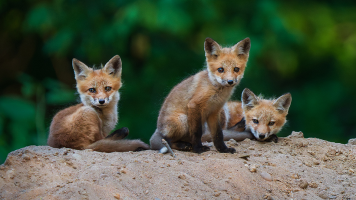
by Mathew Malwitz · Posted
Wildlife photography is one of the most therapeutic and rewarding genres of photography and it’s also one of the most popular. There’s just something so special about being able to witness the magic, and with new camera tech, wildlife photography is easier than ever. That said, the thrill of the shot can overshadow good decision-making, leading to unethical practices. But what are ethical practices?
Take nothing but photographs, leave nothing but footprints—an adage well-known by nature enthusiasts of all levels, but not all that practical.

by Mathew Malwitz · Posted
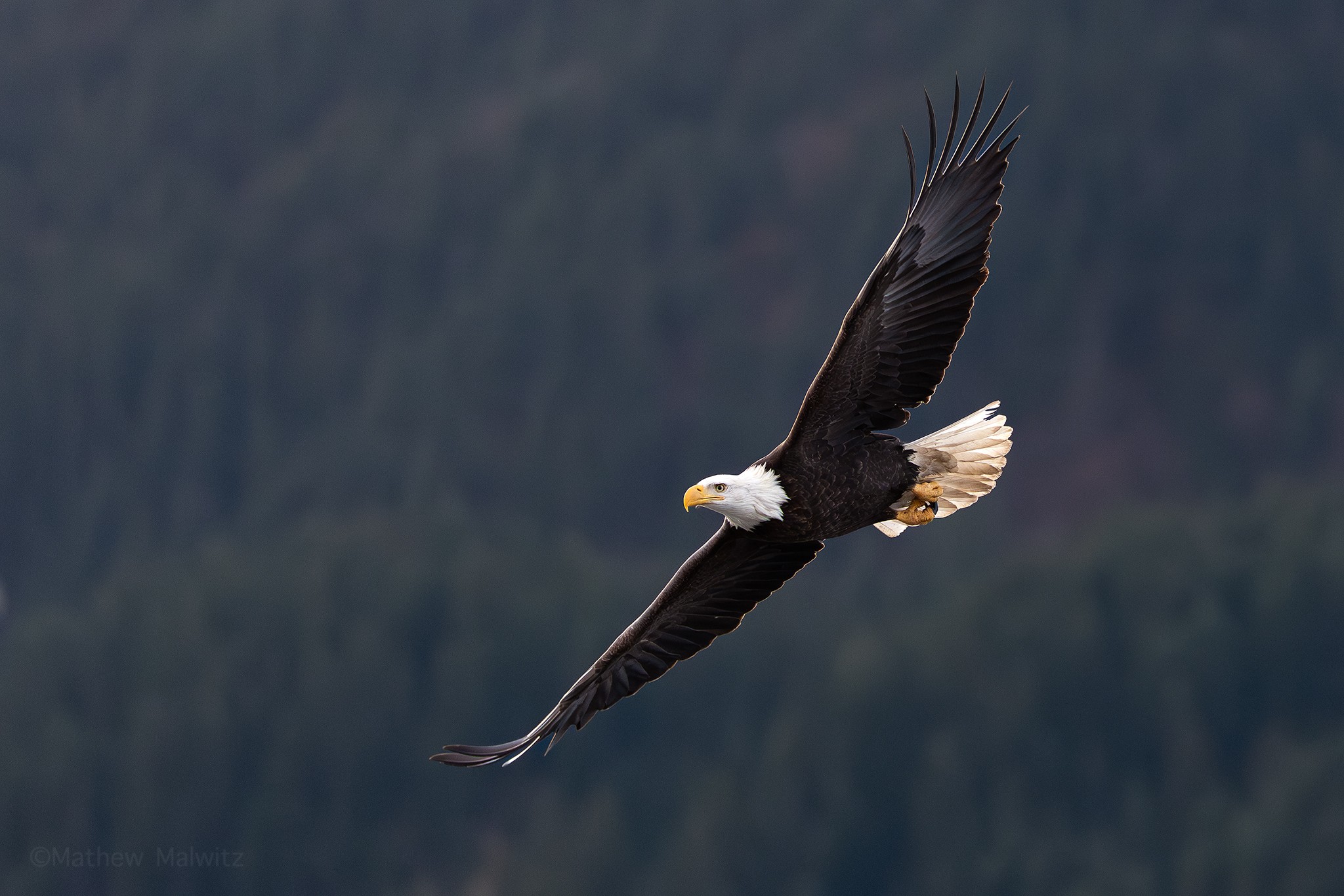
The bald eagle, one of the most regal birds of prey, has a secret. It’s notably one of the most difficult subjects to expose for. If we trust the camera in an automatic mode, we’re likely to get either an overly bright head, or a body that’s too dark in shadow to see. The only reliable way to capture good exposures of these birds is to expose to the right.
Mathew Malwitz
This technique is as useful as it is controversial,
by Luke Rollins · Posted
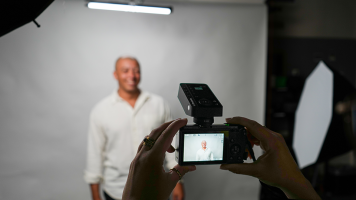
At first glance, studio photography and the compact camera may seem strange bedfellows. The type of work associated with the studio—still life, product photography, portraiture, macro photography—usually wants cameras with larger sensors and interchangeable lenses, especially in professional applications. Compact, point-and-shoot cameras, for their part, have their natural home in everyday, travel, nightlife, and street applications, where their discretion and size become virtues.
It might seem almost cruel to introduce the compact to the

by Todd Vorenkamp · Posted
Do you want to preserve the memory of that awesome neighborhood fireworks show? Let's discuss the best ways to try to make a memorable photograph commemorating the event.
Before we get started, let me say that there are many ways to accomplish fireworks photography and no technique is usually worse or better than others. The only thing that really matters as you head home after the show is:
You enjoyed the photographic process.
You are left with a photograph or photographs that you personally enjoy.
You enjoyed the fireworks show!

by Todd Vorenkamp · Posted
Every facet of photography is about controlling light, from the amount of light we allow to enter our camera via the aperture of a lens to the duration of our exposure set by the shutter speed. But how does the camera measure the brightness of the scene to set these settings automatically? How do you, the photographer, know how much to adjust your exposure settings to achieve a specific result for the final image? This is achieved with an in-camera light meter.
What Is Metering?
Metering is how a camera evaluates the available light to

by Luke Rollins · Posted
There comes a time in a photographer’s life—usually after some consistent success with an on-camera flash—when they say to themselves, "I’m ready to make my own light on demand." Thus begins a seemingly never-ending journey—first mastering the basics, then trying to put some feeling and expression into their photos.
Assuming you’re versed in

by Mathew Malwitz · Posted
If there’s one area of wildlife photography that challenges even some of the most consummate artists, it’s birds in flight. A dynamic flight shot shows action, and a bit of technical prowess. As you can imagine, capturing birds in flight is no easy feat.
To consistently capture these shots, one must be proficient with their gear and have a knowledge of animal behavior. We’d go as far as to say you need a bit of luck too, but what is luck if not preparedness meeting opportunity. In order to make the most of the opportunities that present

by Mathew Malwitz · Posted
Good lighting is essential to creating a strong, visually pleasing image. This is as true for naturally lit outdoor shots as it is for studio portraits. For individual or even couples portraits, many photographers make use of on-camera flash or compact, battery-powered strobes to supplement natural light and fill shadows, but how do we situate these in the scene? What light shaping tools should we use? Groups alone can be tricky for a plethora of reasons. Whether it be getting everyone to smile, getting kids to look at the camera, or the

by Mathew Malwitz · Posted
Photographing pets is something you likely do daily, whether it be with a phone or a dedicated camera. I don’t know about you, but I have thousands of pics of my pup filling up my photos app. After all, pets are part of the family, and we want to capture them in the best possible light. In this quick guide, we’re going to look at 10 ways you can improve your pet photography with practical creative tips and techniques as well as gear.
1. Get to your pet’s level. If there’s one trick to make your images more engaging, it’s to physically shoot

by Mathew Malwitz · Posted
Finding the right lighting solution on a budget can be overwhelming, even for the most seasoned shooters. To make things a little easier, we’ve put together a list of some our favorite lights and lighting accessories for under $100.
Speedlights
The Godox TT350 Flash is a small TTL speedlight available for most major brands. TTL stands for “through-the-lens” metering, which is as close to auto as flash photography can

by Mathew Malwitz · Posted
Getting great pictures of your newborn or infant is certainly no easy task. Indeed, the window of opportunity for coaxing a perfect expression and a picturesque pose from your little bundle of joy is fleeting, at best. For parents (and others) who aspire to capture such moments, user-friendly gear, highly functional accessories, and photogenic props can make all the difference. With this in mind, here are our best recommendations to help make photo sessions with your unpredictable little darlings a success.
Pick the Right Camera for the Job

by Mathew Malwitz · Posted
For macro photographers, having the right gear is essential. Magnification and lighting are key, but you don’t necessarily need the biggest, priciest macro lenses out there to get close-up shots. If you’re a macro photographer yourself or buying a gift for one, we have some excellent recommendations for every budget.
Gifts Under $50
1. Close-up macro filters (like this Macro Lens

by Mathew Malwitz · Posted
Weddings are among the most important events in a couple’s life. As a photographer, you’re tasked with capturing that day and immortalizing those memories with your camera and lens. However, the camera is only part of the equation. To make your images shine, you’ll need to add some additional tools to your arsenal. In this article, we’re going to explore the accessories that not only make your life as a photographer easier, but make your work stand out.
Lighting
Lighting is the most important element of wedding photography. You’re going to

by Bjorn Petersen · Posted
You might hear it all the time: "Protect your prints by storing them archivally" or "This paper is archival-rated for X years" or "Keep your film safe by storing it in an archival box." Whatever it is, it's easy to gather what you need to store your tangible photographic media in archival conditions to prolong its lifespan to the fullest and to ensure it looks just as good in several years as it does today.
What Is Archival?
The term "archival" is thrown around a lot in the world of storage and display methods for film and prints, but what

by Allan Weitz · Posted
Though there aren’t any hard rules on the subject—and all rules are made to be broken—wide-angle and ultra-wide-angle lenses are often considered to be the go-to lenses for landscape photography. It’s not like you can’t capture wonderful landscapes with normal or telephoto lenses (you absolutely can), but due to their broad capture angles, wide- and ultra-wide-angle lenses usually win out over the alternative choices. For those who wish to go wider than ultra-wide, you have to turn to fisheye lenses.
Photographs © Allan Weitz 2020
What Is a