Search results for: photography tips solutions macro photography guide
About 27 filtered results
by Luke Rollins · Posted
The trick with any home studio is in creating a space that can be used to create images that do not betray the fact that you shot them in your living room, in your pajamas, using your pet dog as an assistant. Luckily, creating a home studio can be done fairly easily without breaking the bank. This article will help get you up and running.
Planning Your Studio
Before making any purchases, it is important to sit down first and answer some basic questions about what you want your studio to accomplish. First, what type of photographs do you plan

by Luke Rollins · Posted
IN THIS ARTICLE
1. (Don’t Fear) the Gear2. Good Dental Photography Is Good Photography3. Macro Discipline, Portrait Mindset4. Embrace the Flash5. Clinical, but with an Eye for Marketing
For dentists, the evidentiary benefits of a photographic practice go beyond meeting industry standards. They can be the foundation for professional development and the growth of your business. That said,
by Luke Rollins · Posted
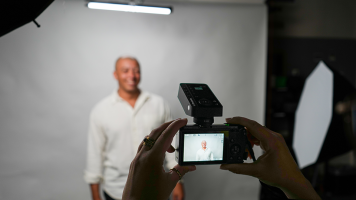
At first glance, studio photography and the compact camera may seem strange bedfellows. The type of work associated with the studio—still life, product photography, portraiture, macro photography—usually wants cameras with larger sensors and interchangeable lenses, especially in professional applications. Compact, point-and-shoot cameras, for their part, have their natural home in everyday, travel, nightlife, and street applications, where their discretion and size become virtues.
It might seem almost cruel to introduce the compact to the

by Todd Vorenkamp · Posted
Taking a look at any modern mirrorless or DSLR camera, you’ll notice a slew of controls, buttons, and dials. Atop nearly all cameras sits a large dial labeled with many letters and icons. This is our mode dial. It is how we control the level of power we give to our camera or take for ourselves.
One of the wonderful things that modern electronic digital and film cameras give you is many high-tech options for your image making. One of the horrible things that modern electronic digital and film cameras give you is many high-tech options for your

by Mathew Malwitz · Posted
Despite what you might have seen on the internet, you don’t need all the money and time in the world to photograph wildlife. Sure, an African safari would be nice, but it is by no means the only way to capture stunning images of wild animals. In fact, regardless of where you live, odds are there’s a vast ecosystem that likely goes unnoticed. If you have trees in your neighborhood, you’re off to a great start.
What You Need to Photograph Wildlife
While gear plays a crucial role in our ability to photograph wildlife, it isn’t everything. In this
by Mathew Malwitz · Posted
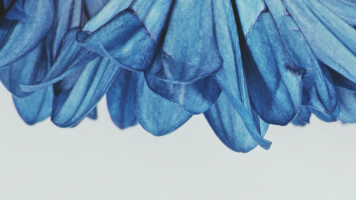
We’ve all tried to photograph something up close. This small-scale world fascinates us all, whether it be a stunning flower or a bumble bee crawling about, but our cameras can’t seem to focus as close as we want. So, what is a struggling photographer to do?
There are several ways to do close-up, or "macro" photography, but the

by Mathew Malwitz · Posted
For macro photographers, having the right gear is essential. Magnification and lighting are key, but you don’t necessarily need the biggest, priciest macro lenses out there to get close-up shots. If you’re a macro photographer yourself or buying a gift for one, we have some excellent recommendations for every budget.
Gifts Under $50
1. Close-up macro filters (like this

by Todd Vorenkamp · Posted
Close-up or macro photography is an incredible way to capture the tiny world around us on a super-detailed level. While the dedicated macro lens is still one of the best tools for exploring the world on a miniature scale, there are some very inexpensive ways to jump into macro photography with the lens or lenses you already own—no need for a specialized close-up macro lens. In this article, we will take a closer look (no

by Shawn C. Steiner · Posted
When you start getting extremely close to your subject, you may run into some difficulty with lighting. This could be because your large lights can't get into position easily, you can't get the type of lighting you want, or you are so close that you are casting a shadow. There are solutions to these problems, and each has its own unique capabilities and look that will help you bring your macro photography up a notch.
Let's start things off with something you probably already have in your bag, an

by Tim Ireland · Posted
Macro photography allows photographers to explore the intricate details of subjects at a 1:1 or greater magnification ratio. However, capturing sharp, stable, and well-lit macro shots can be challenging, due to factors like camera shake, focusing difficulties, and lighting issues. This comprehensive guide will delve into the support systems and related tools that can enhance your macro photography experience, addressing specific challenges that may arise.
Stabilization Tools
Studio Stands: Studio stands are large, stable support systems

by Todd Vorenkamp · Posted
Macro and close-up photographers often employ the technique of “focus stacking” to increase the depth of field in their images. While this is often done in a controlled studio environment with a sturdy tripod or support and sometimes the benefit of macro focusing rails, it is possible to use this technique out in the field armed only with a minimal amount of gear. Handheld focus stacking is challenging, fun, and can produce some great results.

by Todd Vorenkamp · Posted
A few things happen when you look through a pair of binoculars, a spotting scope, or a telescope. The first thing that happens when you see awesomeness is you think, sometimes out loud, "Wow!" The next thing that happens is that you want to share what you are seeing with others—this

by Todd Vorenkamp · Posted
Congratulations on getting a new camera, and welcome to the world of photography! You are going to love it. Before you go out shooting, take a look at these 10 things you should do first with your brand-new camera.
1. Charge the Battery
Being fresh out of the box, your camera’s battery is unlikely to be fully charged. Plus, manufacturers usually recommend a full charge cycle before you go out shooting for the first time. So, throw it on the charger and fill 'er up!
Also, we highly recommend having a

by Jill Waterman · Posted
Each autumn, as the days get shorter and the weather cools, chlorophyll production slows in hardwood trees and bushes, causing leaves to lose the vibrant green of summer. As these conditions overtake the map, nature puts on a brilliant show of color in many parts of the United States. The changing of the leaves follows a rough pathway from north to south, starting in early September and often lasting into November in southern locales.
Above photograph: Colorado Gold, Maroon Bells Scenic Area © Bryan Carnathan
Fall foliage season is a big draw

by Bjorn Petersen · Posted
Despite much of the photography world being on pause right now, it’s also as good a time as ever to be honing your craft. Much in the same way an athlete trains for their particular discipline, photographers need to train, too, but likely not by lifting weights and working out. Think of it as mental strength training, or simply just practicing, acquiring inspiration, learning techniques, and spending more time with your work. Here are some tips on sparking some new creative impulses or ideas for improving your photography practice.
Find