Search results for: photography tips techniques understanding camera lenses
About 27 filtered results
by Luke Rollins · Posted
Learn about how to get started with dental photography, including what gear to use, which photographic fundamentals you should be focusing on, and why dental photography is critical for both clinical care and promoting your own dental practice.
IN THIS ARTICLE
1. (Don’t Fear) the Gear2. Good Dental Photography Is Good Photography3. Macro Discipline, Portrait Mindset4. Embrace the Flash5. Clinical,
by Luke Rollins · Posted
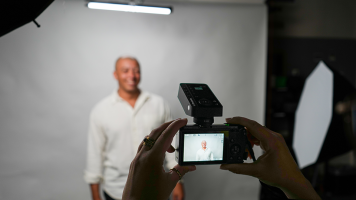
At first glance, studio photography and the compact camera may seem strange bedfellows. The type of work associated with the studio—still life, product photography, portraiture, macro photography—usually wants cameras with larger sensors and interchangeable lenses, especially in professional applications. Compact, point-and-shoot cameras, for their part, have their natural home in everyday, travel, nightlife, and street applications, where their discretion and size become virtues.
It might seem almost cruel to introduce the compact to the

by Mathew Malwitz · Posted
You don’t have to go far to capture fun and engaging images of wildlife. In fact, you may not have to go anywhere at all. A carefully landscaped yard and the right tools can attract an impressive variety of animal life to observe and photograph. Pair that with a little patience and soon you’ll be capturing stunning images from the comfort of your own home.
Attracting Birds
Birds are part of nearly every environment, from the densest cities to rural areas. While they are common, we’ll need to offer three essentials—water, shelter, and food—to

by Mathew Malwitz · Posted
There’s an old adage that claims in order to be a wildlife photographer, you need a lot of time and a lot of money. This is only partly true. Many great wildlife photo opportunities can occur in urban parks and even in your own backyard, as long as we know what we’re doing. In this article, we’re going to cover a number of essential tips that will help you become a better wildlife photographer.
If you’ve read our introduction

by Mathew Malwitz · Posted
Composition in photography refers to the way in which we arrange visual elements in an image. It's how we position the subject in the frame and how all elements combine to create a visually appealing photograph.
All photographs © Mathew Malwitz
Expensive cameras and long lenses can only get us so far. It's not the gear that makes the photo, but the photographer. A creative and observant eye is the key to making visually pleasing photographs. These skills can be learned, and with practice, you'll be well on your way to creating strong

by Mathew Malwitz · Posted
When it comes to improving your wedding photography, you're likely to hear a lot about gear. We've done our fair share of these gear guides from using fast lenses to complicated lighting set ups. Now, we want to talk about techniques you can use to up your wedding photography game.
Let's take a step back and return to the basics. In this guide, we're going to look at five simple things you can do to up your wedding photography game. These tricks will aid us in both our understanding of the job, marketing ourselves, and client relations.
Be

by Mathew Malwitz · Posted
Despite what you might have seen on the internet, you don’t need all the money and time in the world to photograph wildlife. Sure, an African safari would be nice, but it is by no means the only way to capture stunning images of wild animals. In fact, regardless of where you live, odds are there’s a vast ecosystem that likely goes unnoticed. If you have trees in your neighborhood, you’re off to a great start.
What You Need to Photograph Wildlife
While gear plays a crucial role in our ability to photograph wildlife, it isn’t everything. In this

by Mathew Malwitz · Posted
If there’s one area of wildlife photography that challenges even some of the most consummate artists, it’s birds in flight. A dynamic flight shot shows action, and a bit of technical prowess. As you can imagine, capturing birds in flight is no easy feat.
To consistently capture these shots, one must be proficient with their gear and have a knowledge of animal behavior. We’d go as far as to say you need a bit of luck too, but what is luck if not preparedness meeting opportunity. In order to make the most of the opportunities that present

by Mathew Malwitz · Posted
The most engaging portraits seem to have direct eye contact between subject and viewer, as if the camera were simply a window through which we’re looking. But is it that simple? So much goes into making a good portrait, can success simply come down to eye contact between subject and camera and is it even necessary to concentrate on the eyes for a portrait? There are certainly wonderful portraits that do not focus exclusively on the eyes that illustrate character with other aspects of the body, from posture to hands, but as an introduction to

by Mathew Malwitz · Posted
Photographing pets is something you likely do daily, whether it be with a phone or a dedicated camera. I don’t know about you, but I have thousands of pics of my pup filling up my photos app. After all, pets are part of the family, and we want to capture them in the best possible light. In this quick guide, we’re going to look at 10 ways you can improve your pet photography with practical creative tips and techniques as well as gear.
1. Get to your pet’s level. If there’s one trick to make your images more engaging, it’s to physically shoot

by Mathew Malwitz · Posted
Anyone who has dabbled in pet photography knows that it can be a rewarding yet challenging experience. While pets are considered to be part of the family, they’re still animals who walk to the beat of their own drum and do things at their own pace. Even the best listeners can be easily distracted or have trouble sitting still for more than two seconds. If you’re considering trying your hand at photographing our fuzzy friends, we’ve put together this helpful guide for you. In this guide, we’re going to cover the essentials for those with a

by Tim Ireland · Posted
Macro photography allows photographers to explore the intricate details of subjects at a 1:1 or greater magnification ratio. However, capturing sharp, stable, and well-lit macro shots can be challenging, due to factors like camera shake, focusing difficulties, and lighting issues. This comprehensive guide will delve into the support systems and related tools that can enhance your macro photography experience, addressing specific challenges that may arise.
Stabilization Tools
Studio Stands: Studio stands are large, stable support systems

Posted
While the photographer's skill and technique help make a portrait great, understanding how to prepare for your shoot and what gear you’ll need is a vital aspect of photography. In Part 2 of our Outdoor Portrait Photography Series, Nikon Ambassador Jerry Ghionis shares how he plans his shoots and explains the thought process behind his gear selection. He also discusses what options might work for you, regardless of if your setup is minimal or in “beast” mode.
0:00 – Prepping and Location Scouting
2:37 - Cameras and Lenses
7:57 - Ghionis’s Gear

by Todd Vorenkamp · Posted
A lens’s hyperfocal distance—a mathematical combination of lens focal length, aperture or f-stop, and focus distance—is a tool that photographers can use to maximize their depth of field for capturing nearby foregrounds and distant backgrounds in acceptable sharpness.
While you can always dial up your lens’s sharpest aperture (sweet spot), many landscape photographers want as

by Jill Waterman · Posted
Instead of an apron, food photographer Joanie Simon wears many hats—commercial and editorial imagemaker, recipe developer, photo educator, Blogger, YouTube Influencer, Livestreamer, and content creator extraordinaire. For more than a dozen years, Simon has built her brand into a powerhouse of creative content and learning, to whet the appetites of both foodies and photographers alike. Her straightforward approach to this specialized field is of value to shutterbugs at all levels of experience, from beginners on cell phones to experienced pros.