Black & White Film & Paper Chemistry

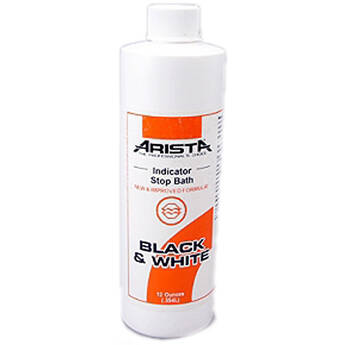
Arista Indicator Stop Bath (12 oz)
- Halts Development Process
- For Black & White Film and Paper
- Extends Life of Fixer Solution
- Changes Color When Exhausted
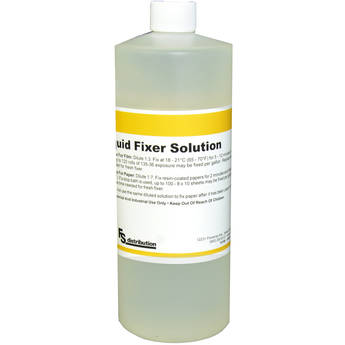
Legacy Pro Liquid Fixer Solution (32 oz)
Kodak Rapid Fixer, Solutions A & B for Black & White Film & Paper
Ilford PQ Universal Paper Developer (500mL)
Ilford ID-11 Film Developer Powder for Black & White Film (Makes 5L)
Arista Premium Liquid Paper Developer (5L)
- For Developing Black and White Paper
- Phenidone-Based Developer
- Hypoallergenic Formula
- Long-Lasting Liquid Concentrate
Legacy Pro LMAX Liquid Film Developer (To Make 1 gal)
- Liquid B&W Film Developer Concentrate
- Ideal for Kodak T-Max Roll Films
- Offers Full Film Speed and Shadow Detail
- Suitable for Normal and Push Processing
Eco Pro Clearstop Odorless Stop Bath (One Quart)
Eco Pro Hypo Wash (1 Quart)
- Concentrated to Yield 5 gal
- Removes Excess Fixer
- Reduces Washing Times
- For Film and Fiber- & RC-Based Papers
Arista Premium Fixer Liquid (5 L)
- Rapid, Non-Hardening Formula
- For Black and White Film and Paper
- Odorless
- Suitable for Small Areas
Legacy Pro Hypo Clearing Agent Powder (Makes 1.25 gal)
- For B&W Film and Paper
- Shortens Washing Times after Fixer
- Makes 1.25 gal Stock Solution
Ilford Simplicity Black and White Film Wetting Agent (25mL)
Ilford Simplicity Black and White Film Fixer (100mL)
Photographers' Formulary Hypo Clear Agent for Black & White Film & Paper - 2.5 Gal.
Adox XT-3 Film Developer (To Make 1L)
- Powdered Developer for B&W Film
- Biodegradable Chemistry
- High Sharpness and Fine Grain
- Improved Storage Capacity
Arista Universal Liquid Rapid Fixer (12 oz)
Legacy Pro B&W Powder Hardening Fixer (To Make 1 gal)
Arista Premium Liquid Film Developer (5L)
Sprint Systems of Photography Quicksilver Developer for Black & White Paper (1 Liter)
Arista Premium Liquid Film Developer (64 oz)
Moersch Photochemie ECO 4812 Paper Developer (1L)
- For Processing RC and Fiber Paper Types
- Provides High Dmax and Long Tonal Scale
- Development Time Varies by Dilution
- Long Shelf Life
Sprint Systems of Photography Record Speed Liquid Fixer for Black & White Film and Paper (20 L)
Ilford Simplicity Black and White Film Stop Bath (30mL)
Arista Hypo Wash (12 oz)
CineStill Film F96 B&W+Bleach-Bypass Rapid Fixer (To Make 1L)
- Powder Rapid Fixer
- Ammonium Thiosulfate Solution
- For B&W Film or Paper
- Suitable for Bleach-Bypass Color Film
Adox HR-50 Film Developer (100mL)
- Liquid Concentrate B/W Developer
- Optimized for HR-50 Film
- Ensures Fine Detail in Deep Shadows
- Push Sensitivity Tested to ISO 1600/33°
Choosing Film Developing Chemicals
Developing film in your own darkroom can be a rewarding experience, but the process requires knowledge of the chemicals, careful measurement, plenty of open air, and time to process the film. Black-and-white film development boasts more ways to mix chemicals than color film chemistry, as the processes when using color chemicals are the same throughout mixtures.
What's Film Developer?
Film developers comprise of one or more chemicals that turn unprocessed black-and-white or color film into a photo format. The process of using film developing chemicals on film ribbon makes image transfer permanent, and removes light sensitivity that damages unprocessed film. Which developer you choose depends on what result you seek. Black-and-white developing chemicals can mix in several ways and have multiple processes that achieve different effects. There are four primary types of film developing chemicals to consider when processing black-and-white film:
- Liquid: Use only required amounts; you must dilute
- Powder: Does better in storage; mix as needed for less waste
- Solvent: Fine-grain; option to dilute or not and reuse is possible with additional development time
- Non-solvent: High acutance; increases sharpness and grain
Photographic fixer helps cement the image and complete the development of the film. Stop baths create the same affect, but take longer to attain results. Rapid fixers are popular because they quickly set images, but both development processes yield similar results.
How to Use Film Developer
Photographers use film developer in combination with black-and-white or color paper chemistry to process film and create finished photos. Black-and-white film processing requires paying special attention to the mixture and storage of chemicals. The following darkroom equipment is necessary if you're attempting to develop film at home:
- Enlarger: Handles film; 35mm enlargers are standard
- Enlarger timer: Ensures correct exposure; manual and automatic options are available
- Easel: Secures photographic paper during exposure
- Safe light: Illuminates work area without giving out too much light
- Printing tongs: To move photo paper through chemical solutions
- Processing trays: To hold chemical mixtures
- Print squeegee: To remove excess water so photos set faster
There are also practical safety precautions and safety supplies required when handling any chemical solution.
Popular Paper for Black-and-White Film Development
Using graded paper produces high-quality photos, and it comes in grades from 0 to 5. Grade 5 provides you with the most contrast, and then contrast lowers gradually with each grade. Variable contrast paper can produce different contrasts using magenta filters. Fiber-based paper is more durable and produces beautiful tones, while resin-coated paper processes faster but isn't as stable after processing as fiber-based paper is.
B&H Photo and Video has film developing chemicals, fixing solutions, darkroom enlarging paper, and safety equipment to help you from start to finish. Browse the large selection of options for photographic supplies and keep your studio stocked.