Search results for: photography article key lighting basics
About 21 filtered results
by Mathew Malwitz · Posted
There’s an old adage that gear doesn’t make the picture, it’s the photographer. This is partly true. A super-telephoto prime with a fast aperture will make quick work of busy backgrounds, and the faster focusing systems of high-end full-frame cameras will more easily track a bird’s eye in some of the most challenging lighting conditions. But there’s another factor to consider. At the heart of the image is a creative eye and technical proficiency. High-end camera gear only serves a purpose once you know what you’re doing.
In this guide, we’re

by Mathew Malwitz · Posted
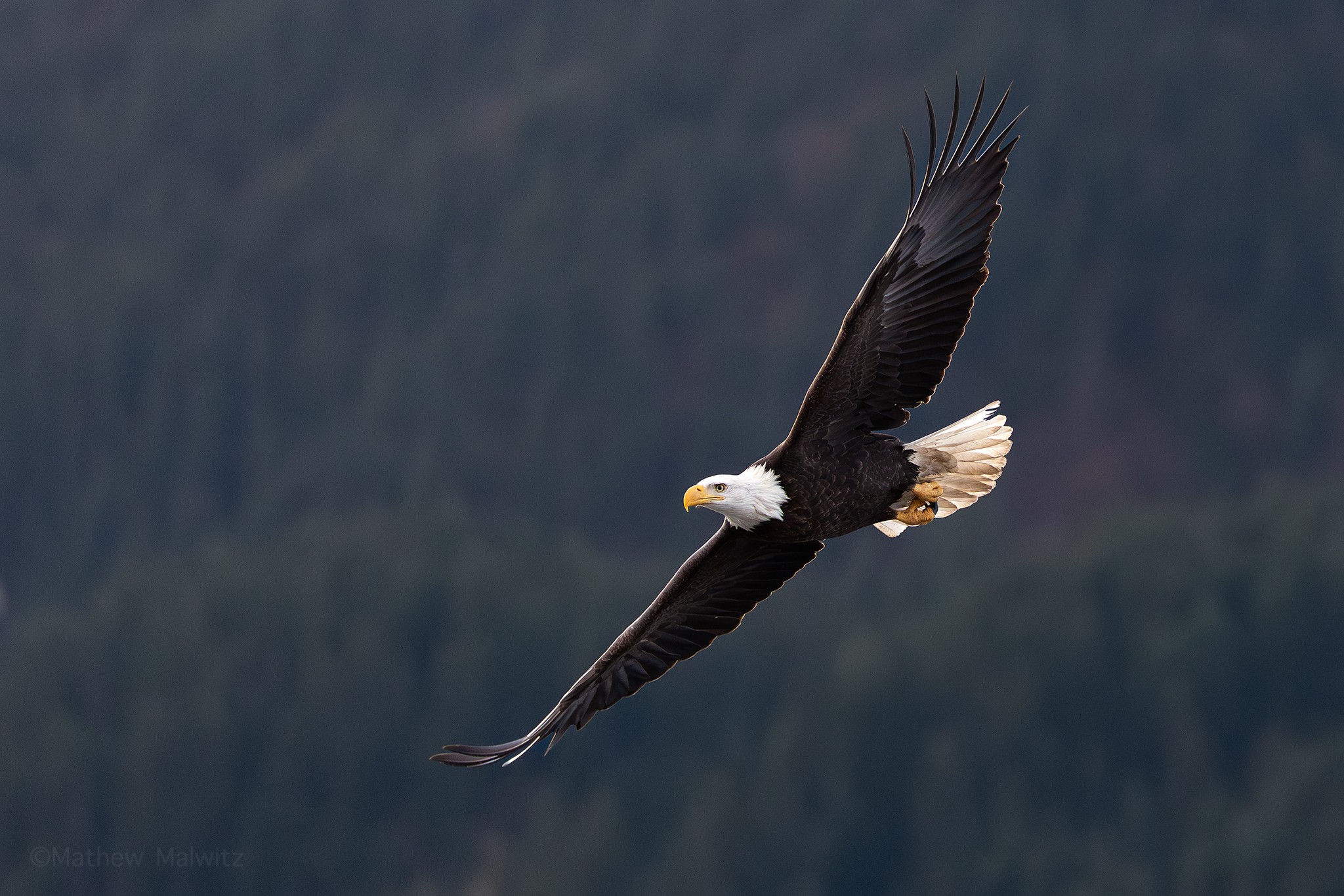
The bald eagle, one of the most regal birds of prey, has a secret. It’s notably one of the most difficult subjects to expose for. If we trust the camera in an automatic mode, we’re likely to get either an overly bright head, or a body that’s too dark in shadow to see. The only reliable way to capture good exposures of these birds is to expose to the right.
Mathew Malwitz
This technique is as useful as it is controversial,
by Luke Rollins · Posted
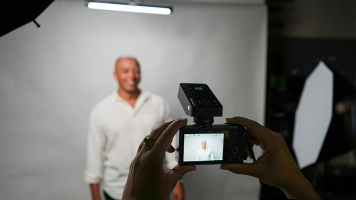
At first glance, studio photography and the compact camera may seem strange bedfellows. The type of work associated with the studio—still life, product photography, portraiture, macro photography—usually wants cameras with larger sensors and interchangeable lenses, especially in professional applications. Compact, point-and-shoot cameras, for their part, have their natural home in everyday, travel, nightlife, and street applications, where their discretion and size become virtues.
It might seem almost cruel to introduce the compact to the

by Mathew Malwitz · Posted
Ever find yourself still struggling to make out a bird, even when your binoculars are trained directly on it? No matter how steady you hold yourself, you simply just don’t have the reach. You could get a stronger pair of binoculars, but these come with inherent drawbacks, such as stability issues and, of course, a heftier build. What’s our solution?
It’s only natural that after using a pair of binoculars, some birders will find that they yearn for more, and the only way to practically get more reach is to use a spotting scope. These are
by Mathew Malwitz · Posted
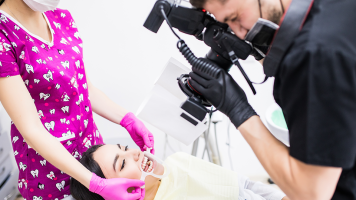
Dental photography is a unique genre of photography that requires a specialized set of tools to deliver the clarity, brightness, and color accuracy dentists rely upon to accurately record their patients’ progress.
In this guide, we’re going to cover the essential tools dental professionals need to capture the best quality images of their work, from the camera itself to the lighting tools required to accurately capture the color and detail of those pearly whites.
The Camera
Of course, one could use almost any camera, so long as it produces

by Mathew Malwitz · Posted
Smartphones have forever changed the world of photography, making the art form more accessible and connecting people from across the world through the instantaneous sharing of images. For all their benefits, there are plenty of criticisms to be had, especially on the creative front. Smartphone cameras are, for some, everything one could want from a camera. For others, they lack the control and creative freedom that makes photography so interesting.
Who can blame one for having hard feelings against smartphones. After all, they nearly wiped
by Mathew Malwitz · Posted
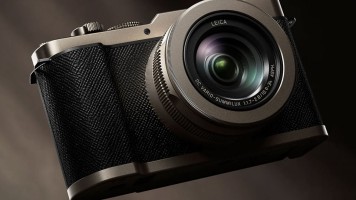
After the smartphone revolution, it appeared that the days of the compact camera were done. How wrong we were. It’s true that a few years back, point-and-shoot options were few and far between. There were just a handful of options on the market, and some industry titans even left the market entirely. Despite the long-rumored demise of the compact camera, it seems that photo enthusiasts still desire a dedicated device without the distractions that come with a smartphone.
What is a compact or “point-and-shoot” camera? Just because a camera is
by Mathew Malwitz · Posted
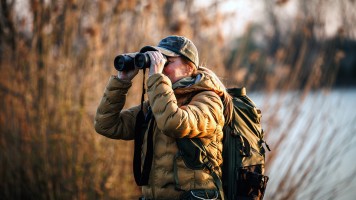
Birds, they’re all around us. If you haven’t paid much attention to them, you’re not alone. But, once you do, you’ll have a hard time stopping. If you haven’t yet dabbled in bird watching, known colloquially as birding, we have just one question. Why not? Birding is the perfect way of partially disconnecting from the digital world we find ourselves in and connecting with nature through observation, and one of the most relaxing pastimes imaginable.
If you’re fascinated by our feathery friends but don’t know where to start, we’ve got you covered

by Mathew Malwitz · Posted
Mother’s Day and Father’s Day are right around the corner! Finding the right gifts can be a challenge, especially when it seems like they already have everything. Luckily, we’ve got the best gift ideas for the outdoorsy photographer parent in your life. Whether mom and dad are avid hikers, bird watchers, beachgoers, or polar bear guides in Svalbard, Norway, we’ve got you covered.
Camera
In a surprising twist, a camera is our first suggestion. One of the first things any outdoorsman should consider is a tool to record what they see so

by Mathew Malwitz · Posted
Despite what you might have seen on the internet, you don’t need all the money and time in the world to photograph wildlife. Sure, an African safari would be nice, but it is by no means the only way to capture stunning images of wild animals. In fact, regardless of where you live, odds are there’s a vast ecosystem that likely goes unnoticed. If you have trees in your neighborhood, you’re off to a great start.
What You Need to Photograph Wildlife
While gear plays a crucial role in our ability to photograph wildlife, it isn’t everything. In this

by Mathew Malwitz · Posted
What better place to spend a Saturday morning than the zoo. You can enjoy some time outside, all while seeing a variety of both local and exotic animals you'd otherwise never dream of encountering. Zoos also are great place to try your hand at photographing wildlife! In this guide, we're talking about taking our camera to the zoo to capture natural looking images of animals in their element! We'll be covering what you need as well as tips and tricks that'll help you capture stunning, natural looking images of animals.
Above photograph © Mathew

by Mathew Malwitz · Posted
Family portraits are a great way to capture a moment in your family’s history. You may find yourself wanting to capture family photos every few years or so, more often when the little ones are, well, little. Maybe you’re looking for a way to take matters into your own hands, or maybe you’ve been taking your own family photos for years and have found yourself being asked to take photos of friends, family members, or even paying clients.
Family portraits can be a lot of fun to shoot. Maybe you’ve been taking photos of your kids and want to

by Mathew Malwitz · Posted
Photographing pets is something you likely do daily, whether it be with a phone or a dedicated camera. I don’t know about you, but I have thousands of pics of my pup filling up my photos app. After all, pets are part of the family, and we want to capture them in the best possible light. In this quick guide, we’re going to look at 10 ways you can improve your pet photography with practical creative tips and techniques as well as gear.
1. Get to your pet’s level. If there’s one trick to make your images more engaging, it’s to physically shoot

by Stepan Andranikian · Posted
So you just finished watching a great white shark feeding video and thought, “Wouldn’t it be awesome to be in the water with a camera to film this feast?” I'm right there with you, which is why today we’ll be diving into the world of underwater video creation, from the gear you’d need, to tips for getting the perfect action shot.
Before we get into it, I’d like to leave a little disclaimer: while venturing out into the vast and expansive deep blue is a riveting adventure, please practice caution and, if you’re not experienced in underwater

by Shawn C. Steiner · Posted
Time lapses feel a lot like photography during capture stages and a lot like video during the editing process. Creating them is a common progression for photographers looking to dip their toes into video and motion because you can start making high-quality time lapses with your current still photo equipment. If you are starting to tackle time-lapse projects, applying some video tricks can help smooth out your final product.
The Absolute Basics
I’m hoping that by the time you make it to this article you already have a basic understanding of how