Search results for: photography tips solutions how use window light portraits
About 19 filtered results
by Luke Rollins · Posted
Achieving a standard of production value is an essential component of establishing a brand and growing a following. For part-time, burgeoning, and mid-level creators, it can feel like bridging that gap is less a matter of learned skill and more about the equipment you can afford.
In most cases, the problem isn’t budget at all. Acquiring the specific know-how can give your content professional sheen with little to no financial outlay.
Lighting design is arguably the most immediately visible production component—and the one most capable of

by Mathew Malwitz · Posted
For a beginner, few things seem more intimidating than photographing a wedding. A sense of anxiety is perfectly normal if you haven't yet spent much time in this field. It's important to remember that we all begin somewhere, and even the most experienced pros were also novices at one point. With practice and education, nerves begin to morph into confidence.
No two weddings are the same, but whether traditional or unconventional, the goal is to be properly equipped to document the key moments of the day. A

by Mathew Malwitz · Posted
You don’t have to go far to capture fun and engaging images of wildlife. In fact, you may not have to go anywhere at all. A carefully landscaped yard and the right tools can attract an impressive variety of animal life to observe and photograph. Pair that with a little patience and soon you’ll be capturing stunning images from the comfort of your own home.
Attracting Birds
Birds are part of nearly every environment, from the densest cities to rural areas. While they are common, we’ll need to offer three essentials—water, shelter, and food—to
by Mathew Malwitz · Posted
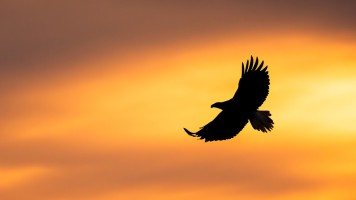
Through the cacophony of forest sounds, your ears home in on a buzzy, almost garbled ascending song. Perhaps you recognize it immediately, or maybe you need to confer with one of the trusty internet databases or apps. You train your eyes on the canopy, scanning for movement of any kind, when you see it: the cerulean warbler, a small rowdy songbird with wings slightly splayed from the body. Quickly, you lower your binoculars and train your camera on the little blue passerine before snapping a few frames.
The resulting photos clearly show the

by Mathew Malwitz · Posted
First, a disclaimer: Like composition, lighting portraits is a subjective exercise. A setup that works for one situation may not work for the next, and lighting that one photographer adores might repulse another. Cultivating a personal lighting style involves an awareness of conventional approaches and willingness to go beyond what everyone else is doing. Study portraits

Posted
Join Jeff Carpenter from Readylight Media for a real-time look at how he creates acting headshots from the first frame to the final capture. Jeff uses Profoto lighting and light shapers to highlight character traits, build different looks, and create images that speak to a range of roles.
0:00 - Intro
2:20 - Setup and First Look: Commercial
21:47 - Introducing Another Light
34:04 - Second Look: Dramatic
54:16 - Using a Grid & Beauty Dish / Third Look: Changing the Background
1:17:20 - Fourth Look: Using an On-Camera Flash
1:20:55 - Using

by Mathew Malwitz · Posted
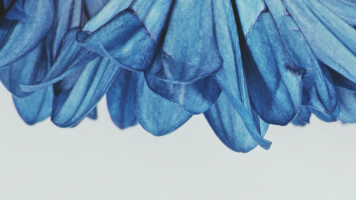
If there’s one area of wildlife photography that challenges even some of the most consummate artists, it’s birds in flight. A dynamic flight shot shows action, and a bit of technical prowess. As you can imagine, capturing birds in flight is no easy feat.
To consistently capture these shots, one must be proficient with their gear and have a knowledge of animal behavior. We’d go as far as to say you need a bit of luck too, but what is luck if not preparedness meeting opportunity. In order to make the most of the opportunities that present
by Mathew Malwitz · Posted
We’ve all tried to photograph something up close. This small-scale world fascinates us all, whether it be a stunning flower or a bumble bee crawling about, but our cameras can’t seem to focus as close as we want. So, what is a struggling photographer to do?
There are several ways to do close-up, or "macro" photography, but the

by Mathew Malwitz · Posted
What better place to spend a Saturday morning than the zoo. You can enjoy some time outside, all while seeing a variety of both local and exotic animals you'd otherwise never dream of encountering. Zoos also are great place to try your hand at photographing wildlife! In this guide, we're talking about taking our camera to the zoo to capture natural looking images of animals in their element! We'll be covering what you need as well as tips and tricks that'll help you capture stunning, natural looking images of animals.
Above photograph © Mathew

by Mathew Malwitz · Posted
The most engaging portraits seem to have direct eye contact between subject and viewer, as if the camera were simply a window through which we’re looking. But is it that simple? So much goes into making a good portrait, can success simply come down to eye contact between subject and camera and is it even necessary to concentrate on the eyes for a portrait? There are certainly wonderful portraits that do not focus exclusively on the eyes that illustrate character with other aspects of the body, from posture to hands, but as an introduction to

by Cory Rice · Posted
The trick with any home studio is in creating a space that can be used to create images that do not betray the fact that you shot them in your living room, in your pajamas, using your pet dog as an assistant. Luckily, creating a home studio can be done fairly easily without breaking the bank. This article will help get you up and running.
Planning Your Studio
Before making any purchases, it is important to sit down first and answer some basic questions about what you want your studio to accomplish. First, what type of photographs do you plan

by Tim Ireland · Posted
Photography is often described as painting with light, and understanding how to manipulate light effectively is a fundamental skill for any photographer. While natural light has its place, using strobes and lighting modifiers can give you greater control over your lighting conditions, especially for product photography. Having a solid understanding of basic lighting gear and lighting modifiers will introduce you to simple yet effective lighting techniques, helping you take your product photography to new dimensions.
Understanding Strobes

by Emily Mandagie · Posted
"Alright, your time in flight will be approximately twelve minutes." Berty and I swallowed that weighted sentence and nervously nodded in response. Smiles were on the outside, but deep inside we were wondering how in the world we were going to make the most of those fleeting seconds in that helicopter and capture exactly what we wanted from the sky!
Aerial photography can be exciting and exhilarating. But it can also come with a lot of added challenges, such as time limits, weather conditions, and—let's be real—a large expense! (Flights aren't
by Cory Rice · Posted
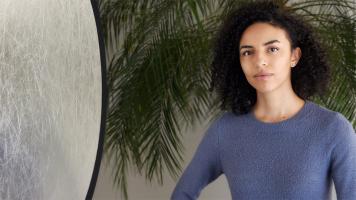
With digital cameras and editing software constantly improving, photographers are able to get away with a lot more today than they could in the past. Better sensors, flexible ISO ranges, raw image processing, and ever-advancing lens technologies have all contributed to a more forgiving margin of error for the photographer—or, to put it more optimistically—greater creative possibilities. For the portrait photographer, this means you don’t have to invest in a studio’s worth of gear to create compelling photographs of your sitters. Some will say

by Cory Rice · Posted
Mastering studio lighting can feel like a Herculean feat when you’re just getting started. Like any aspect of photography, it requires patience, practice, and plenty of mistakes before it comes naturally. In an effort to shorten your learning curve, we’ve rounded up 10 common issues that beginners encounter and how to fix them.
Technical Issues
Lighting setups can be as simple or complicated as your heart desires—or your shot requires. However, before you can begin to think about how to use your lights creatively, you need to understand how