Search results for: photography tips techniques composition techniques photography
About 78 filtered results
by Luke Rollins · Posted
Learn about how to get started with dental photography, including what gear to use, which photographic fundamentals you should be focusing on, and why dental photography is critical for both clinical care and promoting your own dental practice.
IN THIS ARTICLE
1. (Don’t Fear) the Gear2. Good Dental Photography Is Good Photography3. Macro Discipline, Portrait Mindset4. Embrace the Flash5. Clinical,

by Luke Rollins · Posted
Whether you’re the designated photographer at a friend’s night out or a professional working an event, a compact, point-and-shoot camera can be a strategic choice for creating a distinctive look for your images. Depending on where you’re starting, the move to a compact camera can be either a step up from the smartphone or an embrace of a more limited feature set. In either case, the best event and party photography with a compact camera says one thing: you had to be there.
The number one advantage to using a compact camera is social. The

by Steven Gladstone · Posted
When creating images for a film, you try to balance your shots so that you draw the audience into the movie, while at the same time they forget that they are watching a movie. Usually, the last thing you want is to break the illusion and have the audience snap out of their reverie.
As you read this article, you may want to pause and rewatch some classic films, or films that had a powerful effect on you. Examining the new and different techniques, lighting, and compositions used to create impact, mood, and feeling will help you grow as a

Posted
A powerful portrait doesn’t just capture a face, it creates a sense of depth, space, and emotion. Photographer Francisco Joel Hernandez will show you how to build strong visual depth in your portraits using lighting, lenses, and composition.
0:00 - Intro
3:09 - The flat portrait problem
8:55 - How to add depth
20:50 - Cheat code
27:28 - Off camera flash
35:46 - Lighting systems
39:16 - Technique breakdown
47:52 - Mistakes to avoid
49:14 - Final tips
53:00 - Live demo
Sponsored by
by Mathew Malwitz · Posted
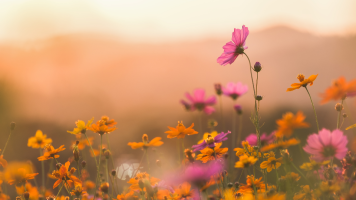
If there’s one question fledgling photographers often ask, it’s “How did you get such a nice background?” Backgrounds are an essential element of a photograph that are often neglected. In fact, it’s safe to say that a background is as important to a composition as the subject itself. After all, a distracting one will detract from an image.
In this guide, we’re going to cover the many methods used to capture clean, smooth backgrounds in our images. This will encompass the settings and gear involved as well as the in-the-field techniques you can

Posted
Photographer Chrystofer Davis teaches the basics of documentary photography and how to tell a story through your pictures. Build your technical skills by learning about composition, lighting, and editing.
0:00 - Intro
1:16 - Why we preserve photos
6:56 - Finding your purpose
23:18 - Best practices
28:43 - To hunt or fish?
34:51 - Portrait & candid techniques
39:56 - Documenting in studio
46:27 - Studio photo demo
56:14 - Closing thoughts
Sponsored by

by Todd Vorenkamp · Posted
Do you want to preserve the memory of that awesome neighborhood fireworks show? Let's discuss the best ways to try to make a memorable photograph commemorating the event.
Before we get started, let me say that there are many ways to accomplish fireworks photography and no technique is usually worse or better than others. The only thing that really matters as you head home after the show is:
You enjoyed the photographic process.
You are left with a photograph or photographs that you personally enjoy.
You enjoyed the fireworks show!

by Mathew Malwitz · Posted
There’s an old adage that claims in order to be a wildlife photographer, you need a lot of time and a lot of money. This is only partly true. Many great wildlife photo opportunities can occur in urban parks and even in your own backyard, as long as we know what we’re doing. In this article, we’re going to cover a number of essential tips that will help you become a better wildlife photographer.
If you’ve read our introduction

by Mathew Malwitz · Posted
Do you plan your images? Really think about that question. Do you have an idea of an image before you head out for a shoot, or do you let the moment inspire you as the pieces fall into place? There's no wrong answer here. Planning or "pre-visualization" is a key piece of the photography puzzle that some put a lot of thought and effort into while others effortlessly come up with ideas on the fly.
No matter how you go about taking a picture, there is some level of planning that goes into a shot. With that said, there's a big difference between

by Mathew Malwitz · Posted
Composition in photography refers to the way in which we arrange visual elements in an image. It's how we position the subject in the frame and how all elements combine to create a visually appealing photograph.
All photographs © Mathew Malwitz
Expensive cameras and long lenses can only get us so far. It's not the gear that makes the photo, but the photographer. A creative and observant eye is the key to making visually pleasing photographs. These skills can be learned, and with practice, you'll be well on your way to creating strong

by Mathew Malwitz · Posted
Despite what you might have seen on the internet, you don’t need all the money and time in the world to photograph wildlife. Sure, an African safari would be nice, but it is by no means the only way to capture stunning images of wild animals. In fact, regardless of where you live, odds are there’s a vast ecosystem that likely goes unnoticed. If you have trees in your neighborhood, you’re off to a great start.
What You Need to Photograph Wildlife
While gear plays a crucial role in our ability to photograph wildlife, it isn’t everything. In this

Posted
Getting started in photography can be overwhelming. With so many tutorials out there, where do you even begin? Do you need an expensive new camera? What are the rules of photography? Take a deep breath—we're here with a new educational photography course. In this episode, Sam discusses tips for new photographers to give you a place to start.
0:00 - Overview
0:28 - What Is Photography?
0:42 - How to Find Inspiration
1:18 - What Do You Need
1:46 - Composition Tips
3:26 - Storytelling: Creating a Gallery
4:30 - The Most Important Rule of All

by Mathew Malwitz · Posted
If there’s one area of wildlife photography that challenges even some of the most consummate artists, it’s birds in flight. A dynamic flight shot shows action, and a bit of technical prowess. As you can imagine, capturing birds in flight is no easy feat.
To consistently capture these shots, one must be proficient with their gear and have a knowledge of animal behavior. We’d go as far as to say you need a bit of luck too, but what is luck if not preparedness meeting opportunity. In order to make the most of the opportunities that present

by Todd Vorenkamp · Posted
Choosing a lens is a highly personal choice, and that’s especially true for wildlife photography. This is in the realm of the telephoto lens after all. While almost any focal length lens works for landscapes and other types of photography, in general, when it comes to photographing animals in the wild, you'll want to have the longest reach you can. In this guide, we’re going to discuss the factors one should consider when purchasing a lens for wildlife photography.
Focal Length
The first and most straightforward factor to consider is focal

by Mathew Malwitz · Posted
These days, everyone has a camera right in their pocket. Smartphones have long been the go-to camera for quick photos of our friends, family, pets, and of course, ourselves. With features like portrait mode, users can simulate blurry backgrounds and isolate their subject for more eye-catching images. What else could you ever need? What if I told you that with the