Search results for: photography buying guide tripod heads heads you should know
About 37 filtered results
by Mathew Malwitz · Posted
Are accessories essential to completing a look? As a camera store, we're not exactly fashion experts. That said, we can confidently say that certain photo accessories are essential to getting the most out of your compact cameras. In this guide, we're looking at the must-have accessories that every compact camera owner should own—from absolute necessities to the more stylish options. Let's get started.
Memory Cards
When unboxing a point-and-shoot camera, expect to find a camera, battery, wrist strap, and a charger. What's usually not included

by Mathew Malwitz · Posted
Ever find yourself still struggling to make out a bird, even when your binoculars are trained directly on it? No matter how steady you hold yourself, you simply just don’t have the reach. You could get a stronger pair of binoculars, but these come with inherent drawbacks, such as stability issues and, of course, a heftier build. What’s our solution?
It’s only natural that after using a pair of binoculars, some birders will find that they yearn for more, and the only way to practically get more reach is to use a spotting scope. These are
by Mathew Malwitz · Posted
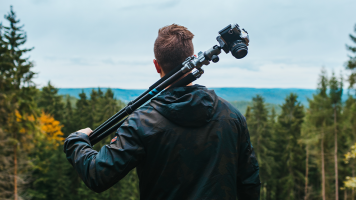
As complementary as peanut butter is to jelly, the camera and tripod are an age-old pairing that still manages to maintain relevance and unmatched functionality in a world dominated by image stabilization and Photoshop tricks. While the form and function of a tripod is far simpler to understand than the scrolling menus of today’s feature-packed cameras, it can still be a chore to choose the right setup for your needs from among a sea of manufacturers and seemingly comparable models.
Now, what’s the big deal with tripods? Most photographers
by Mathew Malwitz · Posted
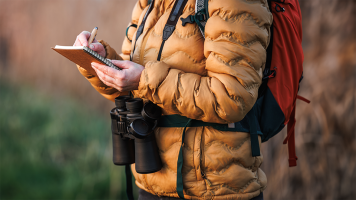
Bird-watching, known colloquially as birding, has quickly become one of the most popular past times for nature enthusiasts of all ages. In this fast-paced digital world we find ourselves in, getting outside and winding down to the sounds and sights of birds is quite therapeutic.
Every hobby has its fair share of essential gear,

by Mathew Malwitz · Posted
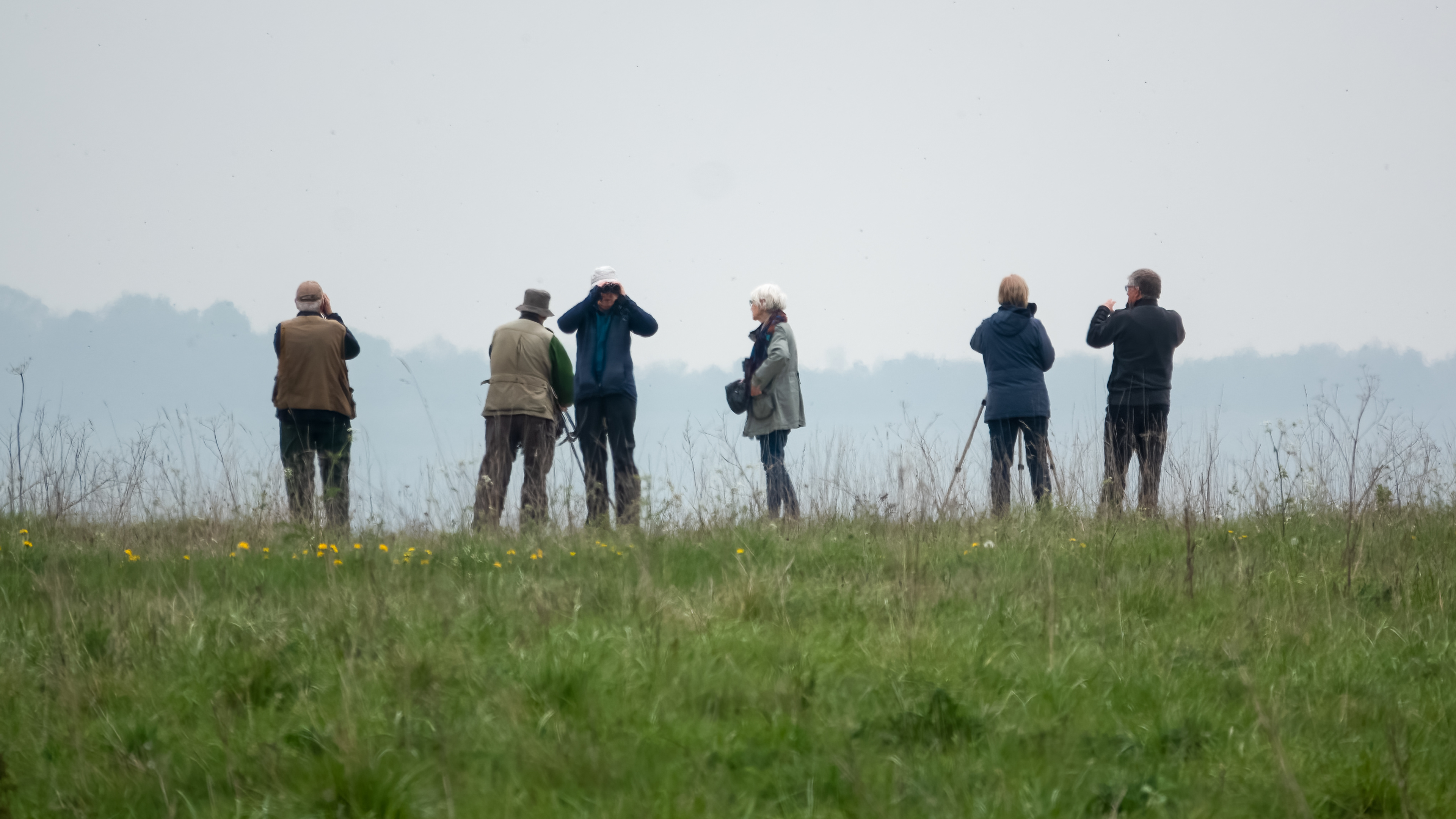
You don’t have to go far to capture fun and engaging images of wildlife. In fact, you may not have to go anywhere at all. A carefully landscaped yard and the right tools can attract an impressive variety of animal life to observe and photograph. Pair that with a little patience and soon you’ll be capturing stunning images from the comfort of your own home.
Attracting Birds
Birds are part of nearly every environment, from the densest cities to rural areas. While they are common, we’ll need to offer three essentials—water, shelter, and food—to
by Mathew Malwitz · Posted
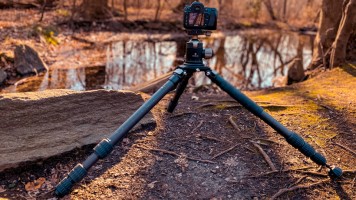
Love them or hate them, tripods are an essential piece of the photography puzzle. They allow us to capture images that would otherwise be impossible to create, whether it be due to low light or long exposures where keeping our camera motionless is essential. Even in bright daylight, tripods aid us in producing sharper images, all while freeing our hands to do other tasks.
Choosing a tripod is a highly personal choice, and there are many considerations we should take
by Mathew Malwitz · Posted
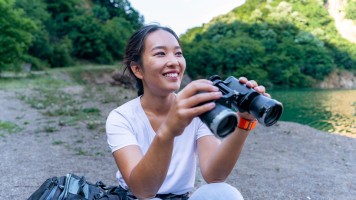
Optic size is measured by what it can do, but when you’re new to the hobby, this can be confusing. Pick up a spotting scope or any pair of binoculars and you’ll see them adorned with a set of numbers like 8x42, 7x32, or 20-60x80. What exactly do those numbers mean and what do they tell us about an optic?
At the most

by Mathew Malwitz · Posted
Mother’s Day and Father’s Day are right around the corner! Finding the right gifts can be a challenge, especially when it seems like they already have everything. Luckily, we’ve got the best gift ideas for the outdoorsy photographer parent in your life. Whether mom and dad are avid hikers, bird watchers, beachgoers, or polar bear guides in Svalbard, Norway, we’ve got you covered.
Camera
In a surprising twist, a camera is our first suggestion. One of the first things any outdoorsman should consider is a tool to record what they see so

by Todd Vorenkamp · Posted
Choosing a lens is a highly personal choice, and that’s especially true for wildlife photography. This is in the realm of the telephoto lens after all. While almost any focal length lens works for landscapes and other types of photography, in general, when it comes to photographing animals in the wild, you'll want to have the longest reach you can. In this guide, we’re going to discuss the factors one should consider when purchasing a lens for wildlife photography.
Focal Length
The first and most straightforward factor to consider is focal

by Mathew Malwitz · Posted
What better place to spend a Saturday morning than the zoo. You can enjoy some time outside, all while seeing a variety of both local and exotic animals you'd otherwise never dream of encountering. Zoos also are great place to try your hand at photographing wildlife! In this guide, we're talking about taking our camera to the zoo to capture natural looking images of animals in their element! We'll be covering what you need as well as tips and tricks that'll help you capture stunning, natural looking images of animals.
Above photograph © Mathew

by Mathew Malwitz · Posted
Fall is one of the most exciting times to be a photographer. Whether the changing foliage is the subject itself or the dramatic backdrop, there's something about the warm, cozy colors that get many photographers amped up. We at B&H are right there with you and are already preparing for the creative season ahead and making sure we have the right gear.
I have experienced four fall seasons as a photographer, and through trial and error have accumulated an assortment of tools to better my images. Some of my gear predates my time as a landscape

by Mathew Malwitz · Posted
There’s an old adage that gear doesn’t make the picture, it’s the photographer. This is partly true. A super-telephoto prime with a fast aperture will make quick work of busy backgrounds, and the faster focusing systems of high-end full-frame cameras will more easily track a bird’s eye in some of the most challenging lighting conditions. But there’s another factor to consider. At the heart of the image is a creative eye and technical proficiency. High-end camera gear only serves a purpose once you know what you’re doing.
In this guide, we’re

by Mathew Malwitz · Posted
Whether you’re interested in photography or a semi-experienced beginner looking to upgrade your gear, this is a guide to the essentials you need to build a complete camera kit for any budget. But what do we need in a basic kit? Of course, you can’t take photos without a camera and lens, but we’re looking to help you take your photography to the next level. To do this, we’ll need other staples like a tripod, flash, and select filters to enhance our image taking abilities.
The Basics
When building a kit, there’s more to consider than just the

by Mathew Malwitz · Posted
There’s more to landscape photography than just cameras and lenses. While these are the most essential pieces of gear in our bag, they can’t do it all. We need to rely on other tools to take our craft to the next level. Whether it be something to stabilize our camera, a way to trigger the camera without shaking it, or a filter to make that blue sky pop, there’s a tool to help us do it all.
Accessories
Remote Shutter Release
To take a photo without shaking the camera, you’ll want to use

by Zack Young · Posted
Cameras and lenses can be stowed away in a backpack, a sling, or even a fanny pack. But what about tripods and monopods? Those get a bit more complicated to haul around. Yet even the most steady-handed among us can attest to their usefulness in a ton of shooting situations, especially when using a long lens. Sure, a tripod