Search results for: photography features three point lighting technique
About 26 filtered results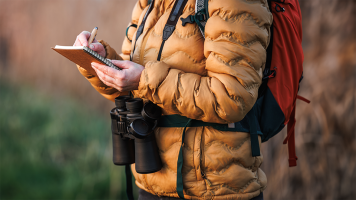
by Mathew Malwitz · Posted
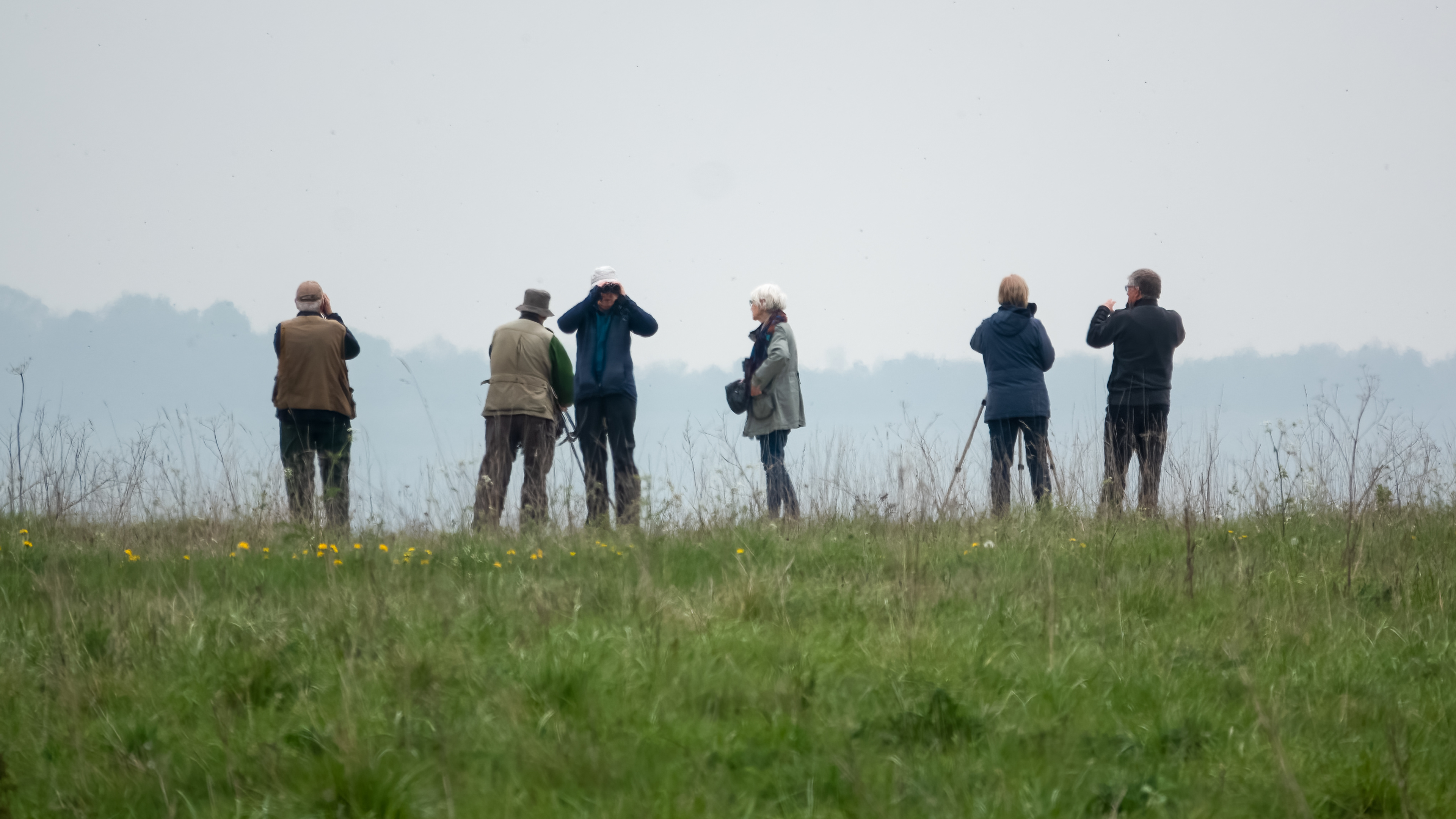
Bird-watching, known colloquially as birding, has quickly become one of the most popular past times for nature enthusiasts of all ages. In this fast-paced digital world we find ourselves in, getting outside and winding down to the sounds and sights of birds is quite therapeutic.
Every hobby has its fair share of essential gear,

by Mathew Malwitz · Posted
Exposure can be challenging to master. There are many moving parts, and knowing which settings affect what aspect of our image takes time and practice. The goal might be to take full control and use manual exposure mode, but first, we need to learn the ropes using auto exposure modes.
These modes let us use our camera with a little help. As covered in our introduction to exposure article, photography consists of

by Steven Gladstone · Posted
When creating images for a film, you try to balance your shots so that you draw the audience into the movie, while at the same time they forget that they are watching a movie. Usually, the last thing you want is to break the illusion and have the audience snap out of their reverie.
As you read this article, you may want to pause and rewatch some classic films, or films that had a powerful effect on you. Examining the new and different techniques, lighting, and compositions used to create impact, mood, and feeling will help you grow as a

Posted
Sports photography hinges on freezing peak action—transforming a high-speed blur into a dramatic portrayal of human effort. When you combine that with the unyielding drive of elite athletes on the world stage, the pressure to nail the shot provides an incredible adrenaline rush.
Above photograph © Jean Fruth
In today’s podcast, we discuss the unique challenges of documenting history in the making, and unpacking stories from the Winter Games with renowned sports photographer Jean Fruth, recently back from her first Olympics.

by Todd Vorenkamp · Posted
Choosing a lens is a highly personal choice, and that’s especially true for wildlife photography. This is in the realm of the telephoto lens after all. While almost any focal length lens works for landscapes and other types of photography, in general, when it comes to photographing animals in the wild, you'll want to have the longest reach you can. In this guide, we’re going to discuss the factors one should consider when purchasing a lens for wildlife photography.
Focal Length
The first and most straightforward factor to consider is focal

by Mathew Malwitz · Posted
Anyone who has dabbled in pet photography knows that it can be a rewarding yet challenging experience. While pets are considered to be part of the family, they’re still animals who walk to the beat of their own drum and do things at their own pace. Even the best listeners can be easily distracted or have trouble sitting still for more than two seconds. If you’re considering trying your hand at photographing our fuzzy friends, we’ve put together this helpful guide for you. In this guide, we’re going to cover the essentials for those with a

by Mathew Malwitz · Posted
There’s an old adage that gear doesn’t make the picture, it’s the photographer. This is partly true. A super-telephoto prime with a fast aperture will make quick work of busy backgrounds, and the faster focusing systems of high-end full-frame cameras will more easily track a bird’s eye in some of the most challenging lighting conditions. But there’s another factor to consider. At the heart of the image is a creative eye and technical proficiency. High-end camera gear only serves a purpose once you know what you’re doing.
In this guide, we’re

by Shawn C. Steiner · Posted
If you want to cover all your bases, you only need three lenses: a wide-angle zoom, a standard zoom, and a telephoto zoom. This set is so practical that every major manufacturer has its own holy trinity of zooms. Sony happens to have two—one G Master set with f/2.8 apertures and a G series with f/4 apertures. You can’t go wrong with either, or mixing and matching for that matter, but let’s take a closer look at these two lens trinities and see which one is best for you.
What Lenses are in the Trinity?
Even though many photographers know
by Shawn C. Steiner · Posted
The end of October brings Halloween and the beginning of the holiday season. B&H has just launched our Holiday Head Start along with a series of Holiday Shopping Guides. And with two big announcements from Canon and Apple this week, we still have product launches to discuss.
Canon took point on the photo and video side of things with the release of three very
by Shawn C. Steiner · Posted
This has been a light week with only a couple of announcements for those into video production. Tascam made a niftier version of its 32-bit handheld audio recorder with the Portacapture X6, and Teradek launched the Prism Mobile, a professional camera-back encoder for 4K HDR streaming.
Tascam Portacapture X6
A handheld audio recorder has been a mainstay of the indie filmmaker's kit for a long while now, and Tascam has always had some

by M. Brett Smith · Posted
LeAnne Shor is a celebrated food photographer, writer, and content creator. She is also the creator of the Lion’s Bread food blog, where she shares tons of great content, including mouthwatering recipes and photos. We asked Shor for some advice on how to shoot food, and she gave us these five great tips.
Lighting Is Everything
Without good light, it doesn’t matter how you style your food; the subject won’t look appealing or appetizing. So, what is good light? This is somewhat subjective, but generally,

by Jill Waterman · Posted
Clay Bolt is a firm believer that our connection to nature begins at home. The natural history and conservation photographer has been fascinated with the world’s smaller creatures inhabiting his native South Carolina since youth. In 2009, his passion for local wildlife became the driving force behind the international photo project, Meet Your Neighbours. Together with Scottish photographer Niall Benvie, he embarked on a mission to engage a global community in discovering and photographing the often underappreciated and overlooked common

by Jill Waterman · Posted
In reflecting back on his long and varied career, photographer Lou Jones says, “In art, I think that you're pushed and pulled in a direction. And being a black artist, especially a black photographer, a lot of my decisions were based upon survival.”
To insure his survival over the past 50 years, the Boston-based Jones has mastered everything from corporate/industrial and advertising assignments to Olympic sports, photojournalism, and, perhaps most notably, self-assigned long-term projects. Starting from his earliest behind-the-scenes portraits

by Jill Waterman · Posted
Photographer, physicist, philosopher, horologist—these are just a few of the many facets that define the indefatigable Ming Thein. Armed with a camera since age 16, his photographic career has spanned a wide range of subjects and an even more impressive reach. His extensive musings on photography, as catalogued on his eponymous blog, amount to more than 1,800 articles, two million words, 200 hours of educational video, a hundred thousand comments, and an enviable recommended gear list, leading

by Jill Waterman · Posted
Sidney Baker-Green was still in high school when he first embarked on his creative journey as a wedding photographer and content creator, which now spans still photography and filmmaking. Over the past seven years, he has shared a wide variety of image-making adventures, gear reviews, business advice, and tech tips with a growing audience on social media, leading us to invite him to collaborate as a B&H Creator of the Week.
By means of introduction, we recently asked Baker-Green to respond to a